 Copy Link
 X
X
 Facebook
 LINE
LINE
 LinkedIn
 Pinterest
 WhatsApp
 KakaoTalk
 NAVER
NAVER
 Weibo
Weibo
 WeChat
 Mail
Mail
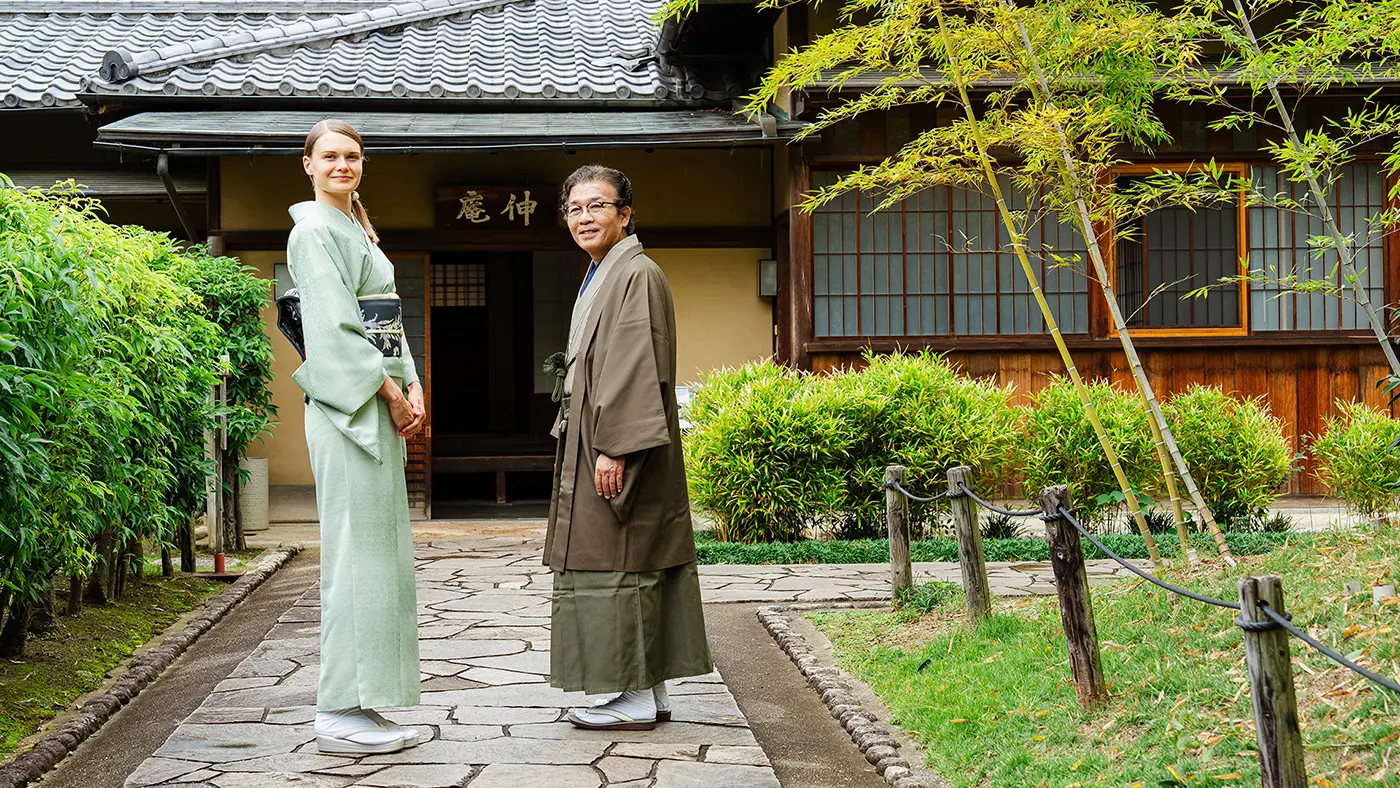
Welcome to “OSAKA MANIA,” your guide to uncovering Osaka’s unique local charms, curated by passionate enthusiasts! In this edition, we explore Sakai, the birthplace of tea master Sen no Rikyu, and visit sites tied to the rich tradition of the Japanese tea ceremony.
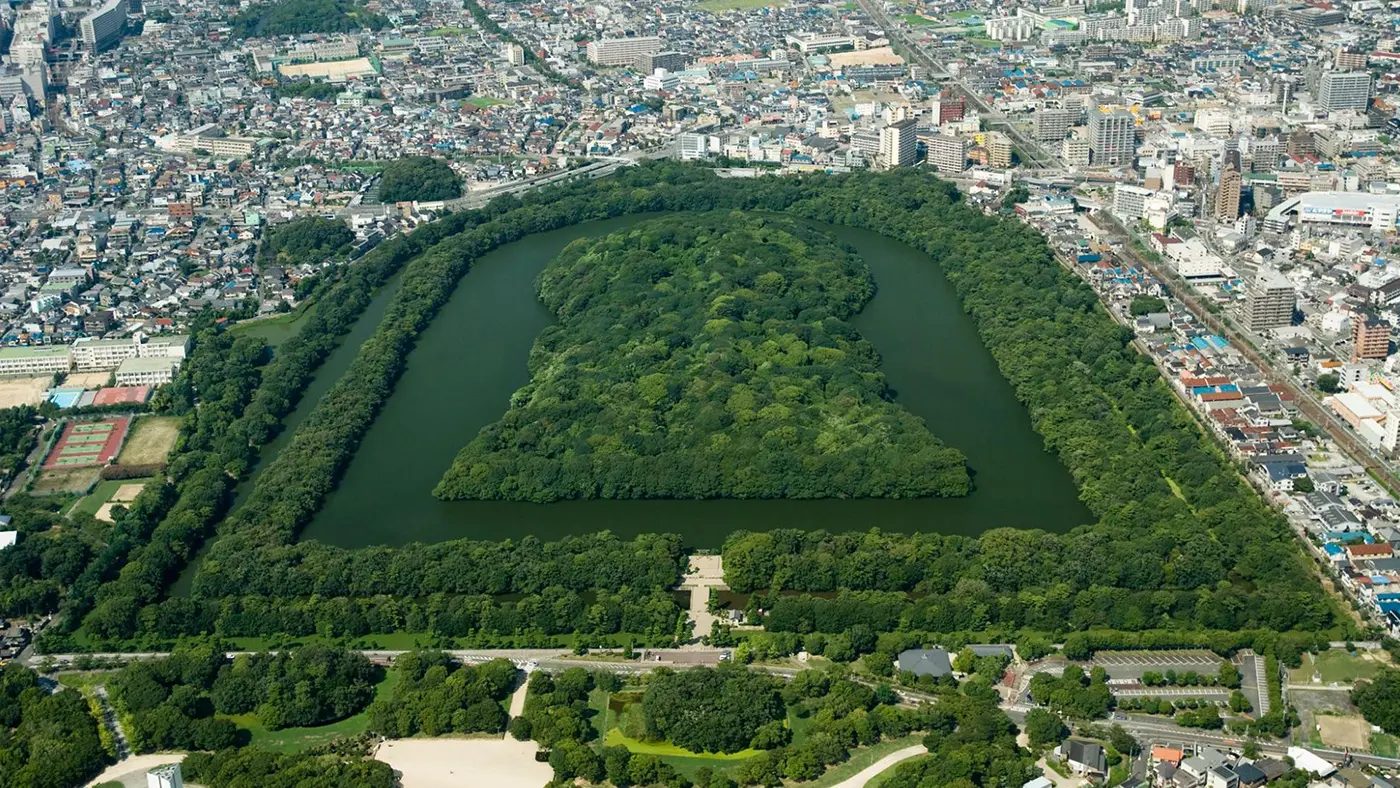
Located next to Osaka, Sakai is the prefecture’s second-largest city by both population and area. The Mozu and Furuichi Tumulus Group, a collection of ancient burial mounds, became Osaka’s first World Heritage Site in 2019. Sakai is also famous for its history as an international trading port, having served as a port for ships to and from Ming Dynasty China from the 15th century on. This era of prosperity, known as the “Golden Days,” saw the arrival of foreign goods and technologies that spurred the growth of industries such as firearms, cutlery, and incense production.
Amid this thriving cultural exchange, the practice of “chanoyu,” or the Japanese tea ceremony, gained popularity among Sakai’s merchants. Sen no Rikyu, who is renowned for his great influence on “chanoyu,” actually came from a Sakai merchant family and spent most of his life in the city. To the merchants, the existence of the tea ceremony was so familiar that some of them even built tea rooms in their own residences and enjoyed it on a daily basis. Sakai undeniably played a crucial role in shaping the traditional Japanese culture of “chanoyu.”
In today’s issue, Ute Sawada, a German-born tea ceremony master, visits Sakai to explore places where the spirit of “chanoyu” lives on. She will also visit locations connected to Sen no Rikyu and delve into the timeless spirituality of tea passed down through generations.
Guide

Born in Germany, she now resides in Kyoto. She studied Japanese studies at the University of Cologne and was introduced to the world of “senchado” (Sencha tea ceremony) through an acquaintance in 2018. Since then, she has been performing at temples, shrines, and various venues to promote and share tea culture. In November 2024, she earned a full tea master’s certificate from the Obaku Baisa school of “senchado” after more than 6 years of practice.
Visit Sakai’s Pride: The Famous Tea House “Shin-an”! Discover Tea Culture with Mr. Tanimoto, Fifth-Generation Owner of a Historic Tea Shop, While Enjoying a Stunning Garden View.
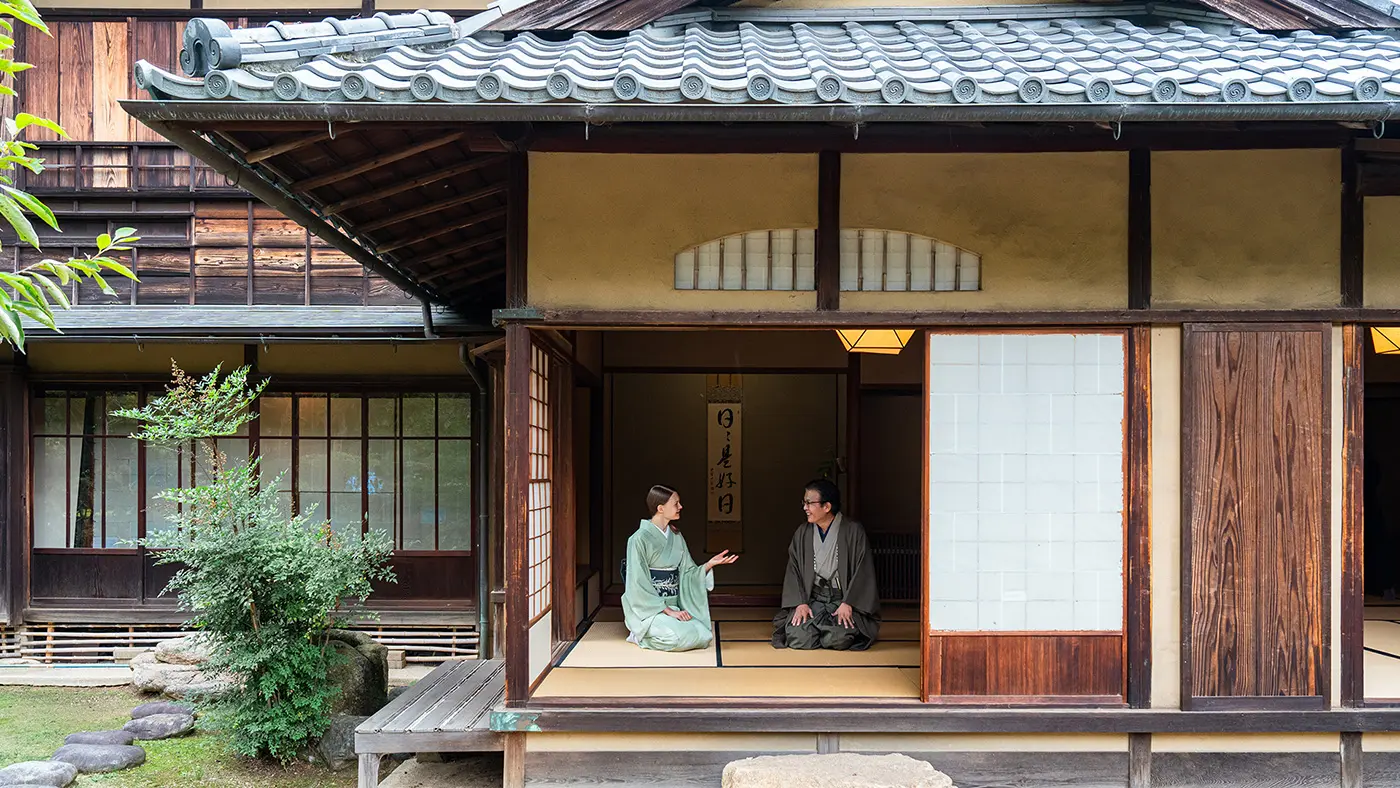
The first stop on today’s tour is the northern section of Daisen Park, a vast expanse of greenery. Nestled within the park and surrounded by ancient tombs is the tea house “Shin-an,” which beautifully showcases the changing seasons.
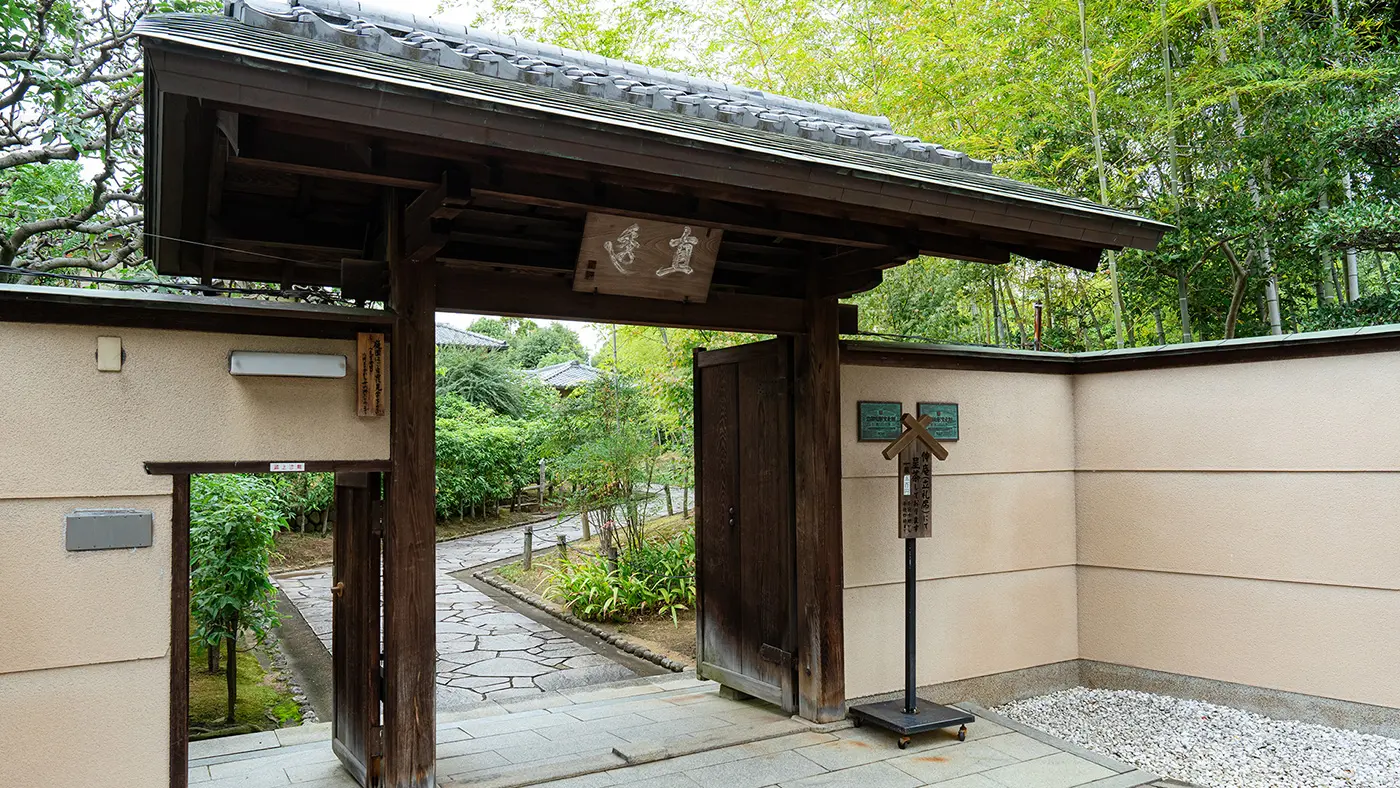
Our guide for this tour was Junichi Tanimoto, the fifth-generation owner of Tsuboichi Tea Honpo, a long-established tea processing and sales company dating back to the Edo period (1603–1868). A sixth-dan tea appraiser and a tea master trained in the Omotesenke school, he is recognised as one of Japan’s leading tea connoisseurs.
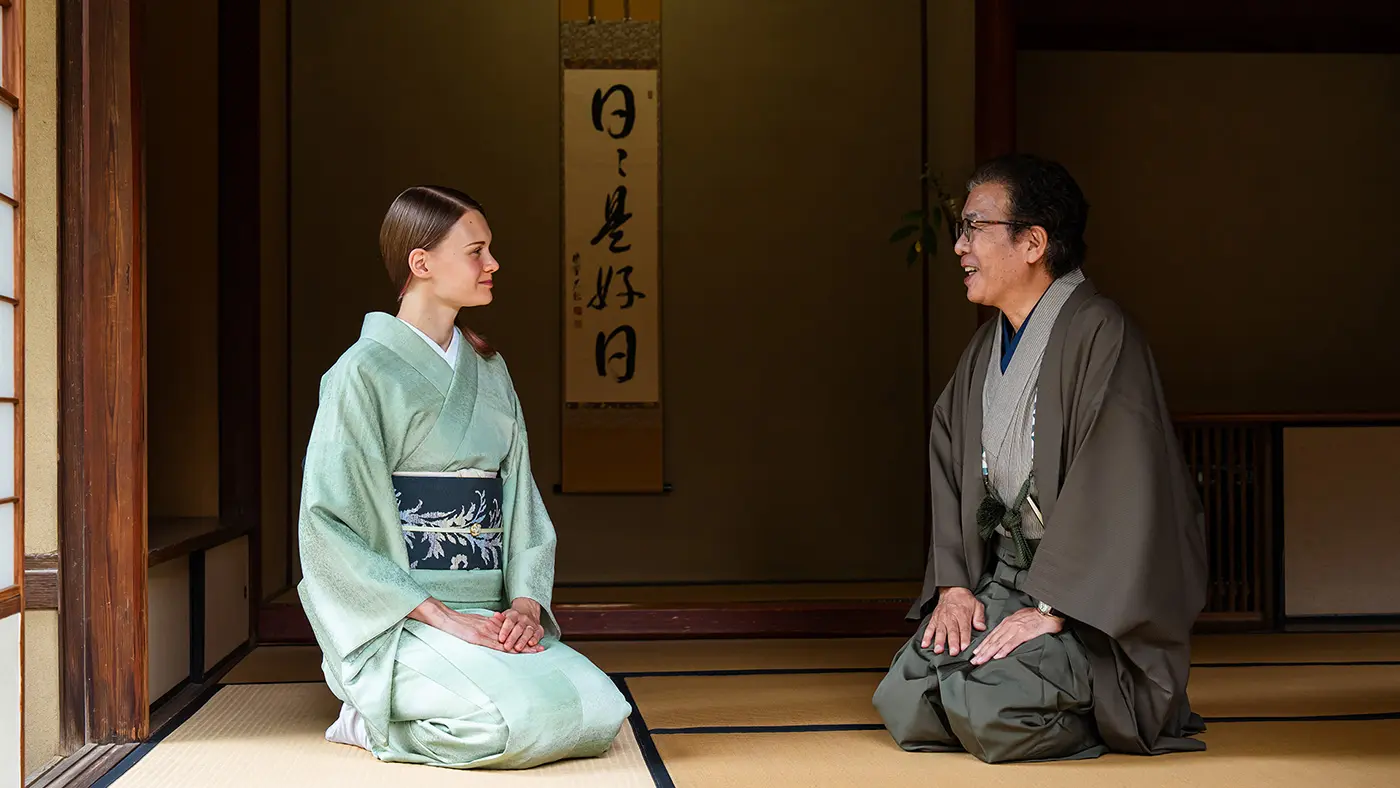
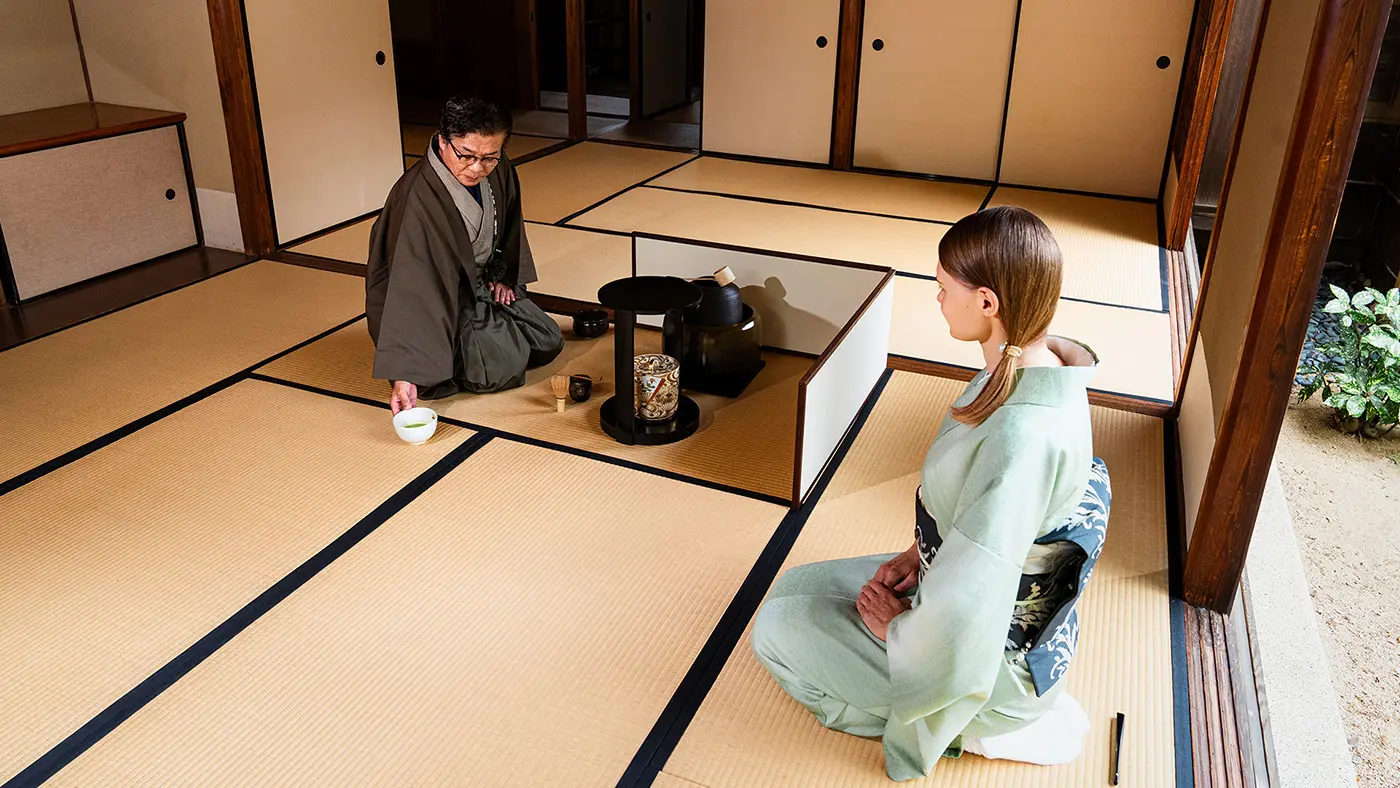
The tea house “Shin-an,” visited by our two guests, was built in 1929 by Rudo Ohgi, a renowned master of sukiya-style architecture. It features 10 Japanese-style rooms, including a tea ceremony room with a traditional nijiriguchi (crawl-through doorway), all available for ceremonies and events.
Sawada
This is my first time visiting Sakai. What makes its tea culture unique?
Tanimoto
The key difference is that it was shaped by ordinary citizens. Unlike in other regions, it was merchants—not warriors or monks—who carried the culture forward. Sakai thrived as a trade hub, and its people held financial and political influence. But at the same time, they were just like us—enjoying culture while going about their business.
Sawada
In Kyoto, where I live, there are many temples linked to the tea ceremony, and Uji tea is very famous. It’s a city where traditional culture is deeply rooted in daily life. That said, Sakai seems to have an equally profound connection to tea.
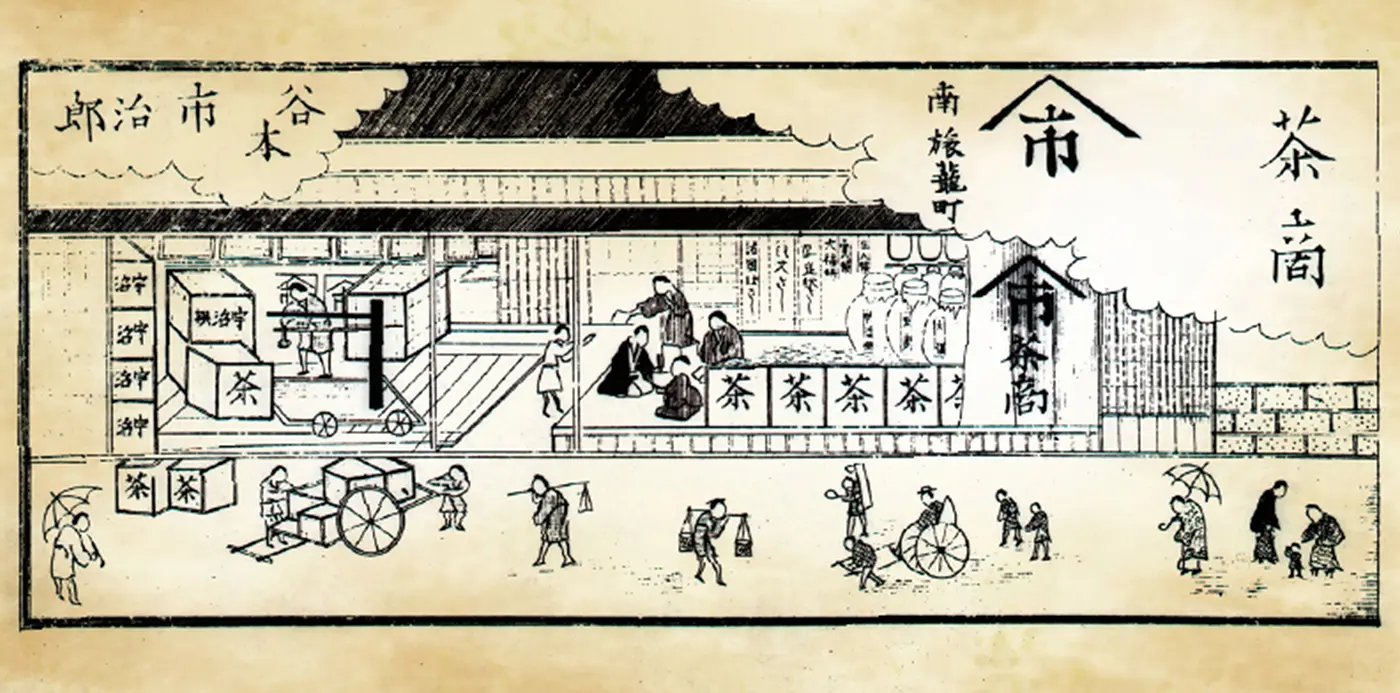
Source: “Sumiyoshi Sakai Meisho Narabi ni Gosho An’nai-ki” by Gentaro Kawasaki, 1883
Tanimoto
Speaking of Kyoto, Sakai merchants are said to have played a key role in promoting Uji tea. They transformed the production area into a well-known brand through their marketing expertise and logistics network. Additionally, daimyo (feudal lords) from across Japan recognised the high level of education among Sakai merchants, enabling the city to take a leading role in spreading tea culture nationwide.
Sawada
This must have been possible thanks to the merchants’ significant influence at the time! The connection between Kyoto and Sakai is fascinating as well.
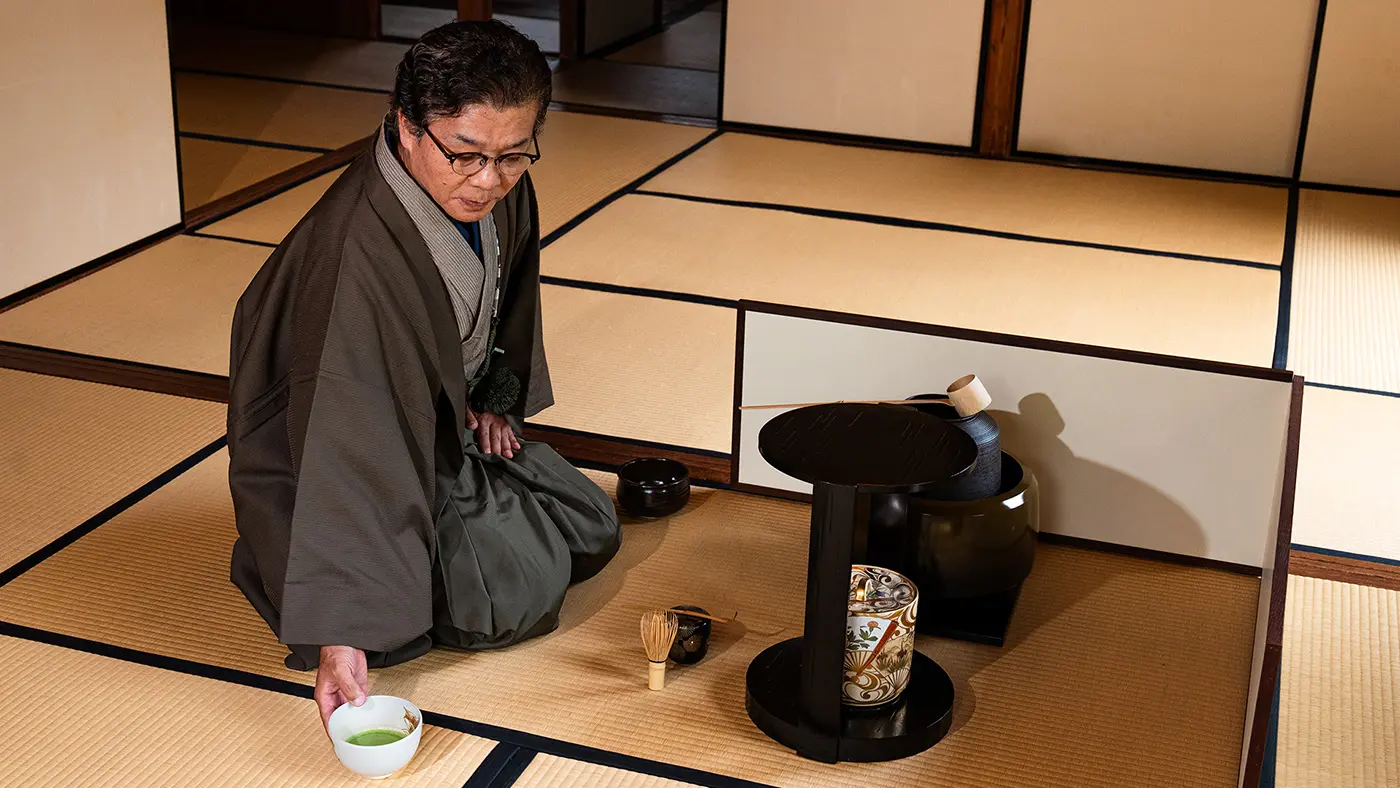
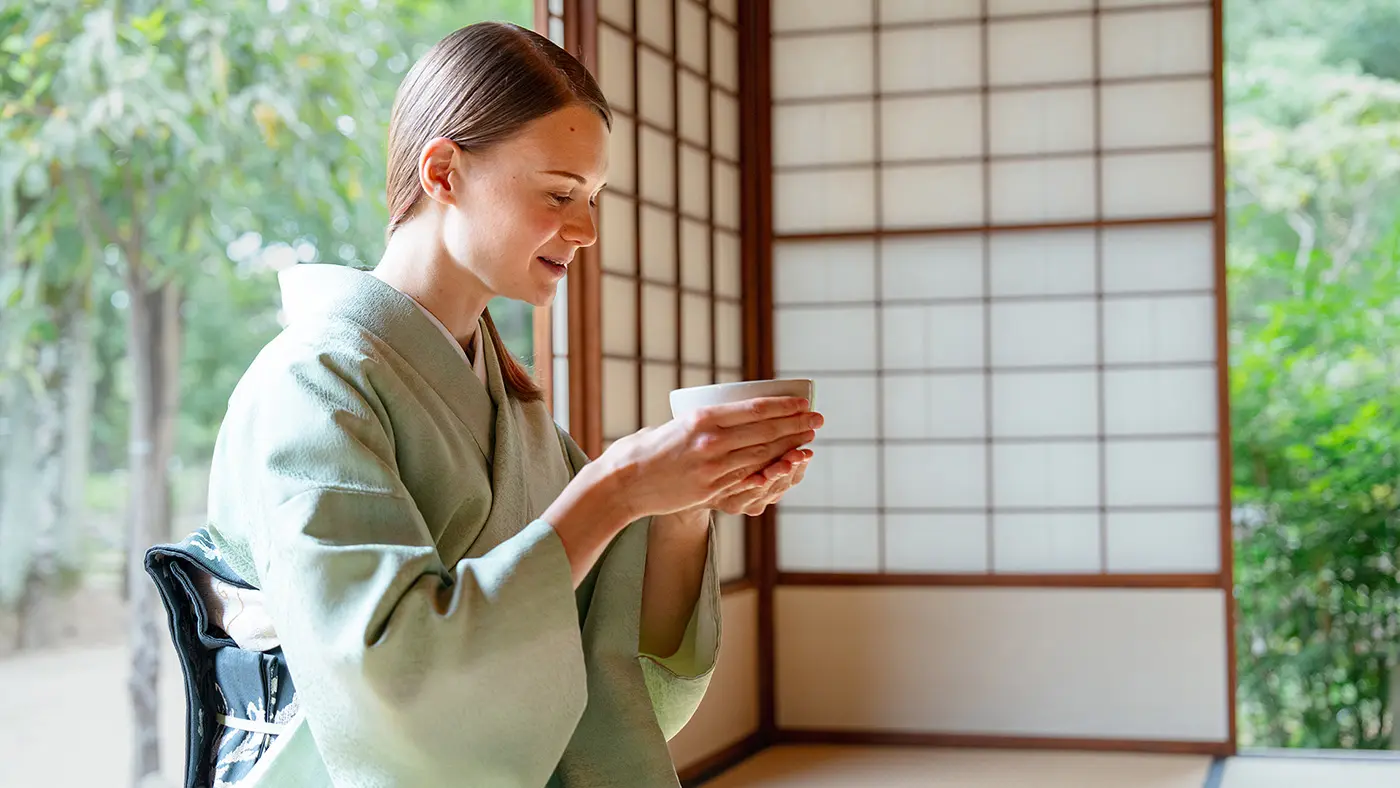
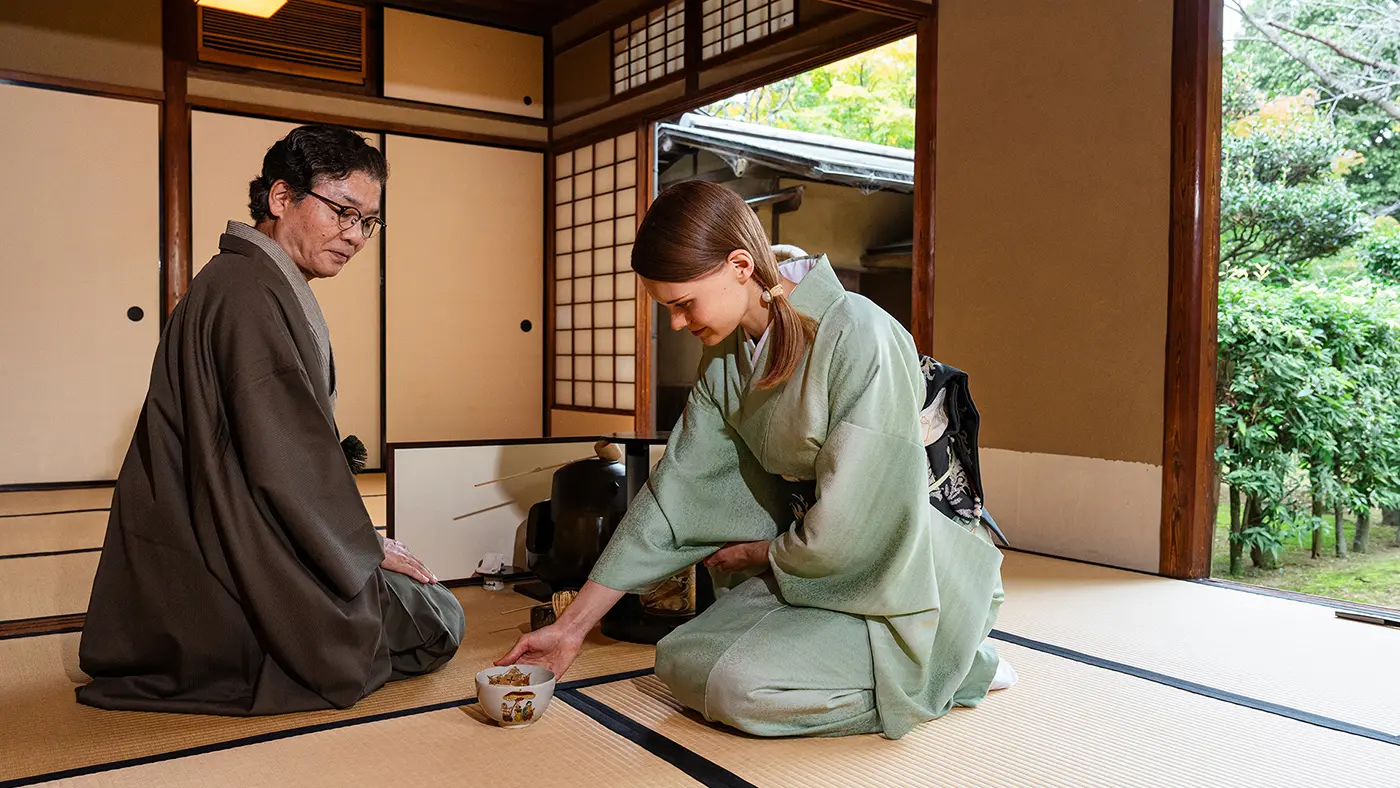
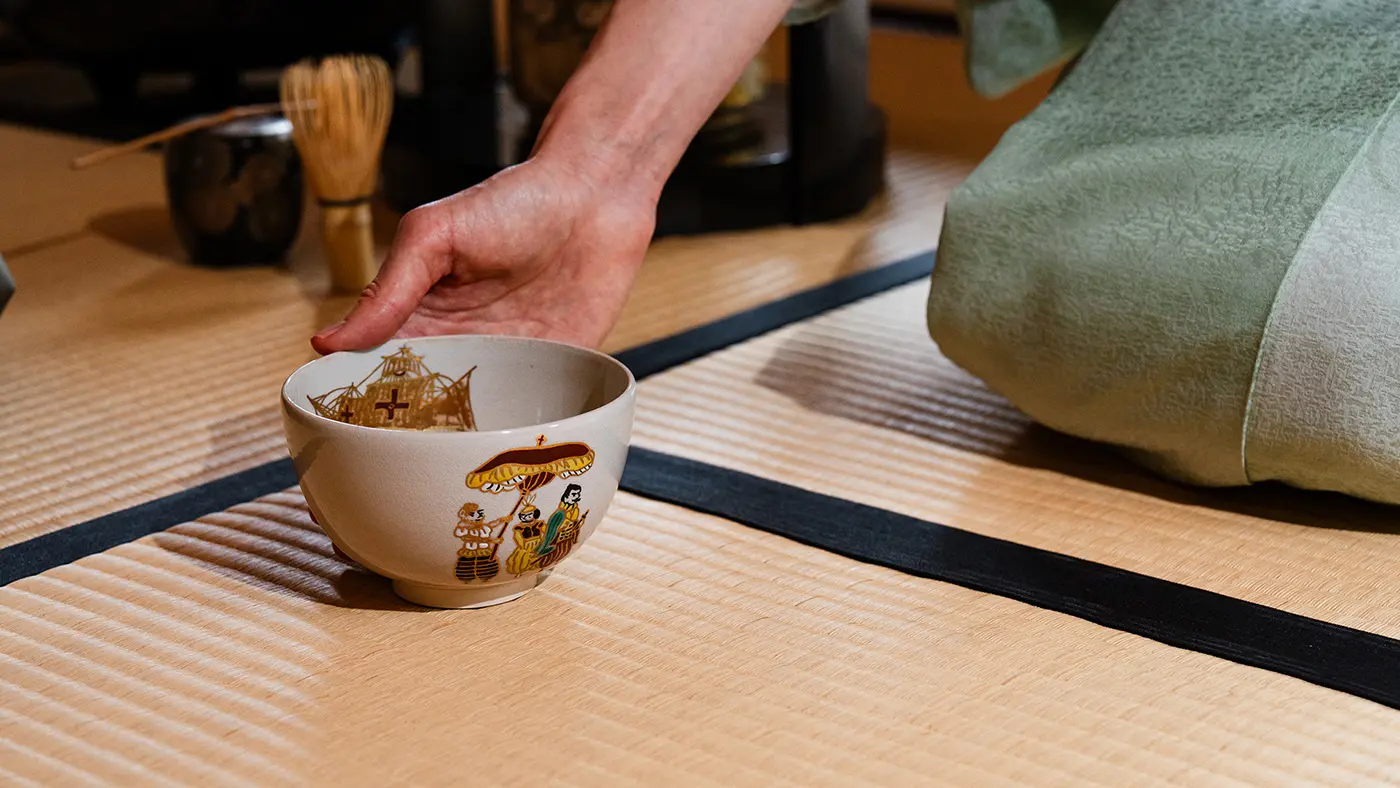
In Japanese, all types of tea are generally referred to as “cha,” but our two guests explore very different approaches. “Chanoyu” ceremonies use powdered green tea (matcha) whisked with hot water, while Ms. Sawada specialises in “senchado,” which uses whole tea leaves. Their conversation was lively and covered topics such as differences in etiquette and utensils. During the visit, Mr. Tanimoto delighted Ms. Sawada with a performance of an Omotesenke-style tea ceremony.
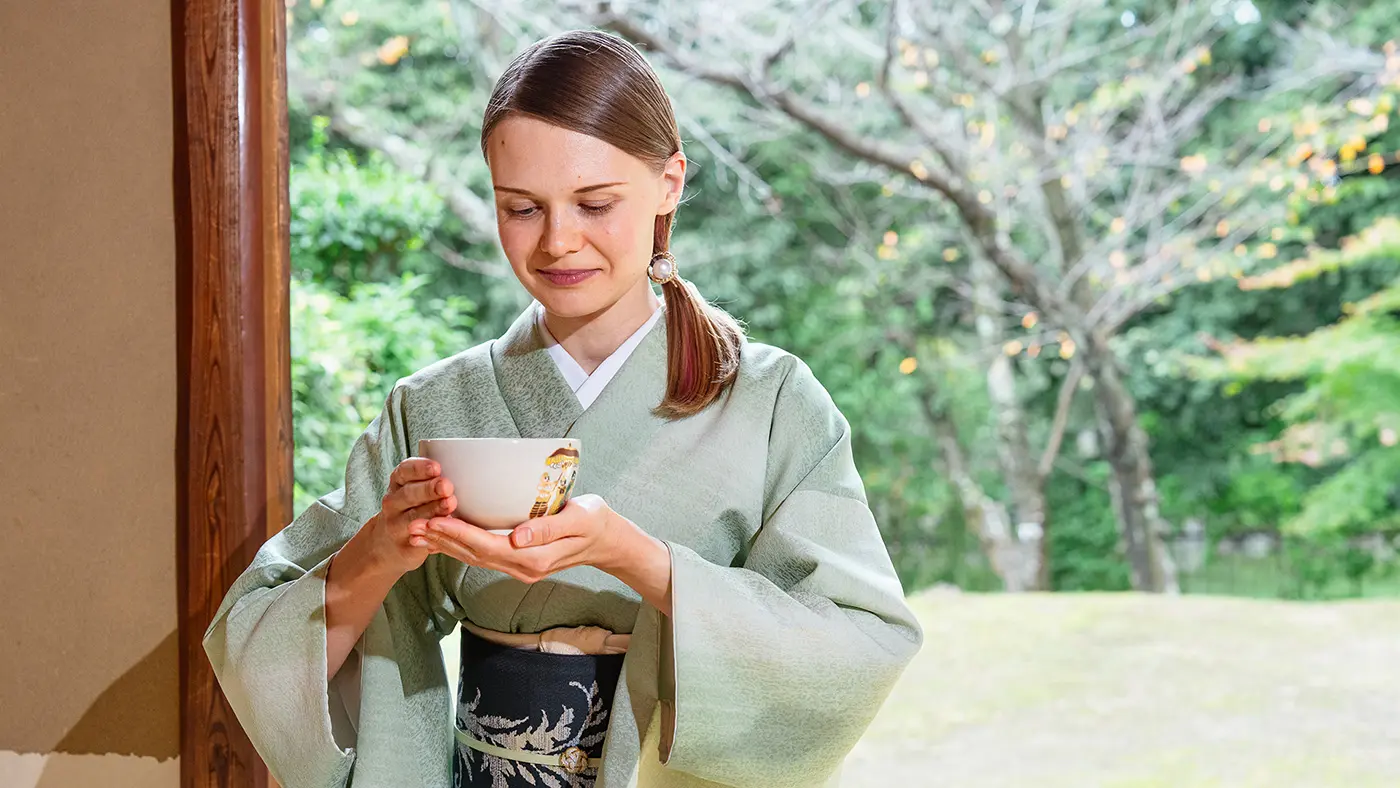
Tanimoto
“Shin-an” is a magnificent tea room and a prestigious example of sukiya-style architecture, complete with a “shoin,” a traditional study room.
Sawada
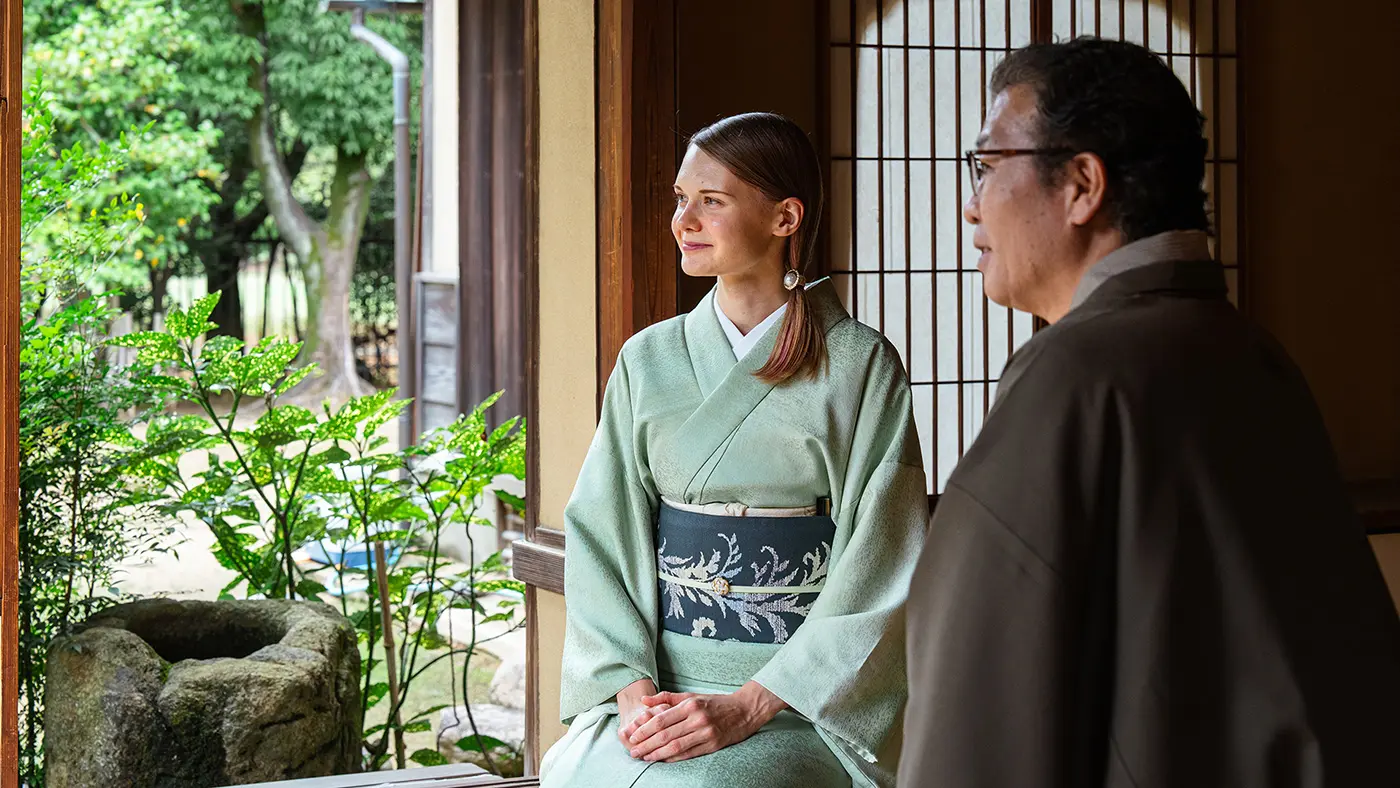
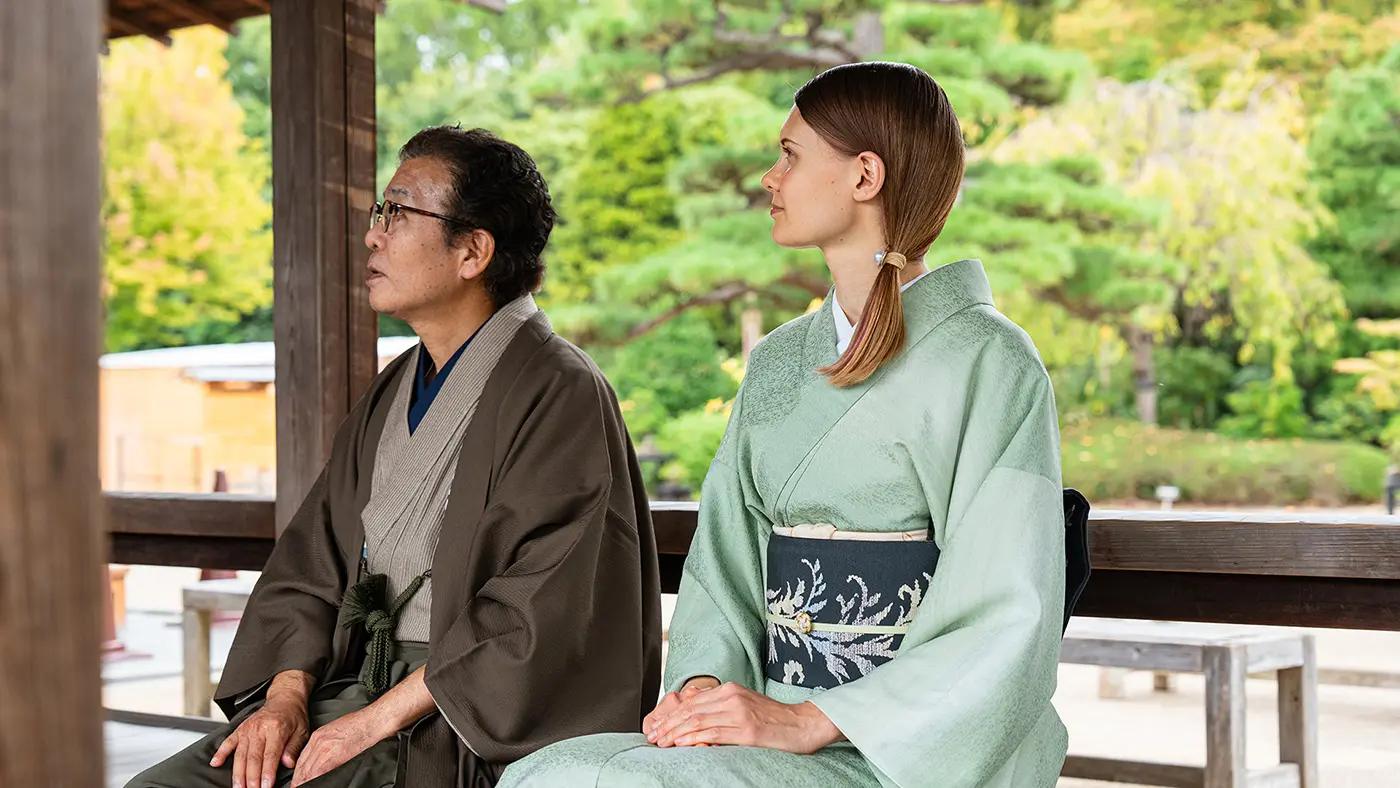
The garden is stunning, with its lush greenery. I’m so glad I could visit such a wonderful tea room right after arriving in Sakai. By the way, did merchants also have tea rooms in their homes?
Tanimoto
Not all merchants had tea rooms in their homes. In those cases, larger rooms were often divided into smaller spaces using folding screens, creating a setting that resembled a tea room. This kind of creative approach to incorporating tea culture into daily life was unique to Sakai’s citizens.
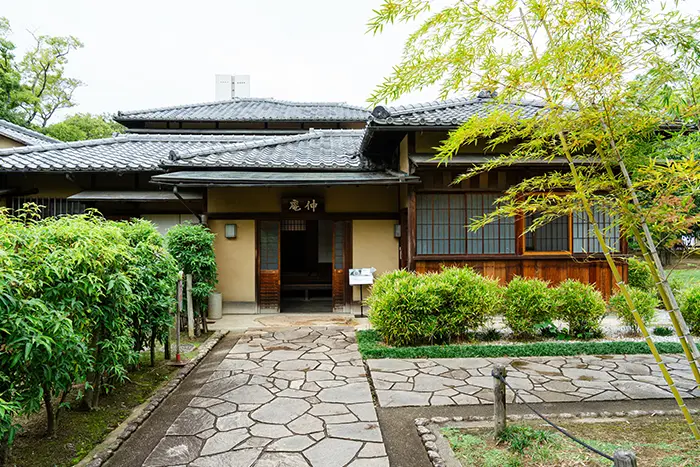
Take a stroll through the serene hidden garden of Daisen Park and reflect on our predecessors’ enduring fascination with tea.
As you walk along the park’s promenade, you’ll arrive at Daisen Park’s Japanese Garden. Designed by renowned landscape architect Kinsaku Nakane, the garden features a traditional Japanese style with a circular path that invites visitors to explore its grounds.
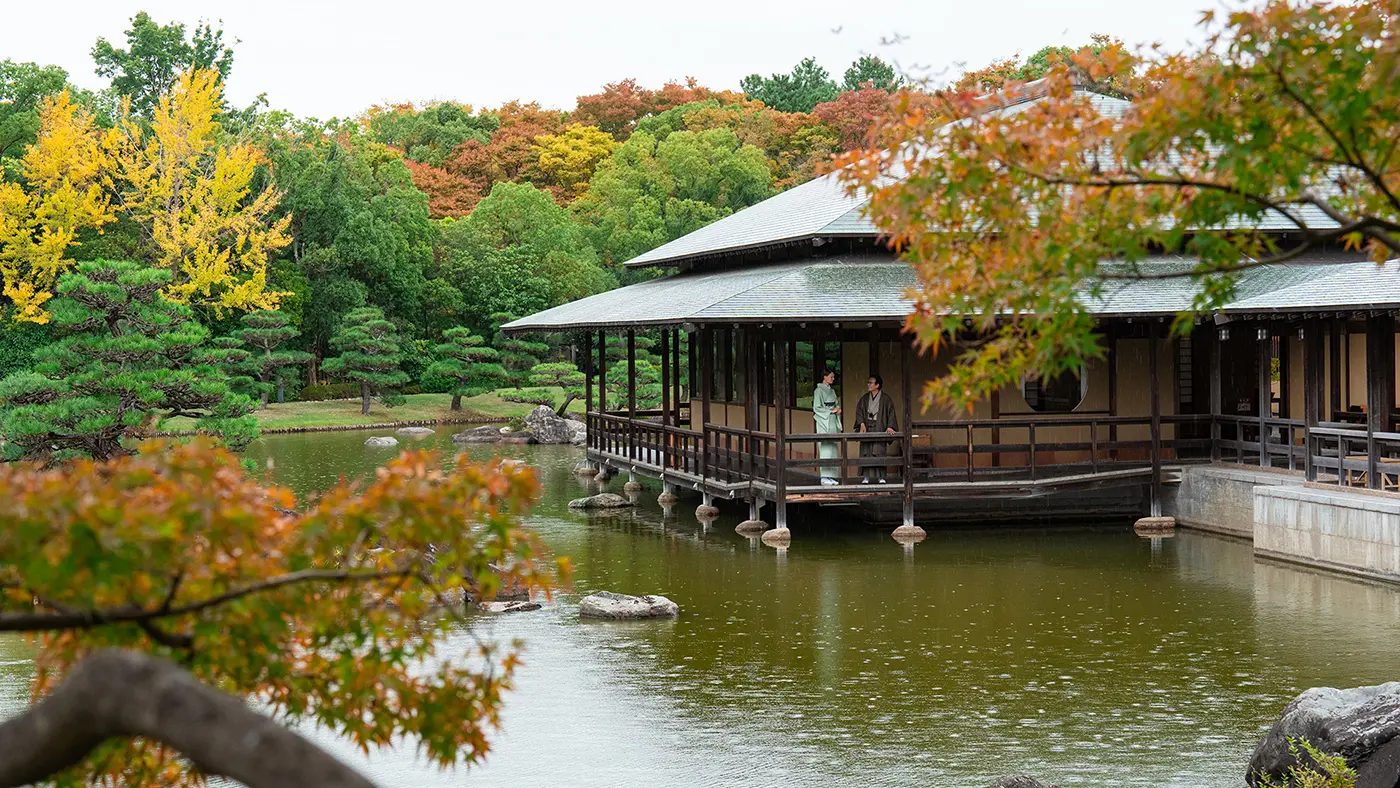
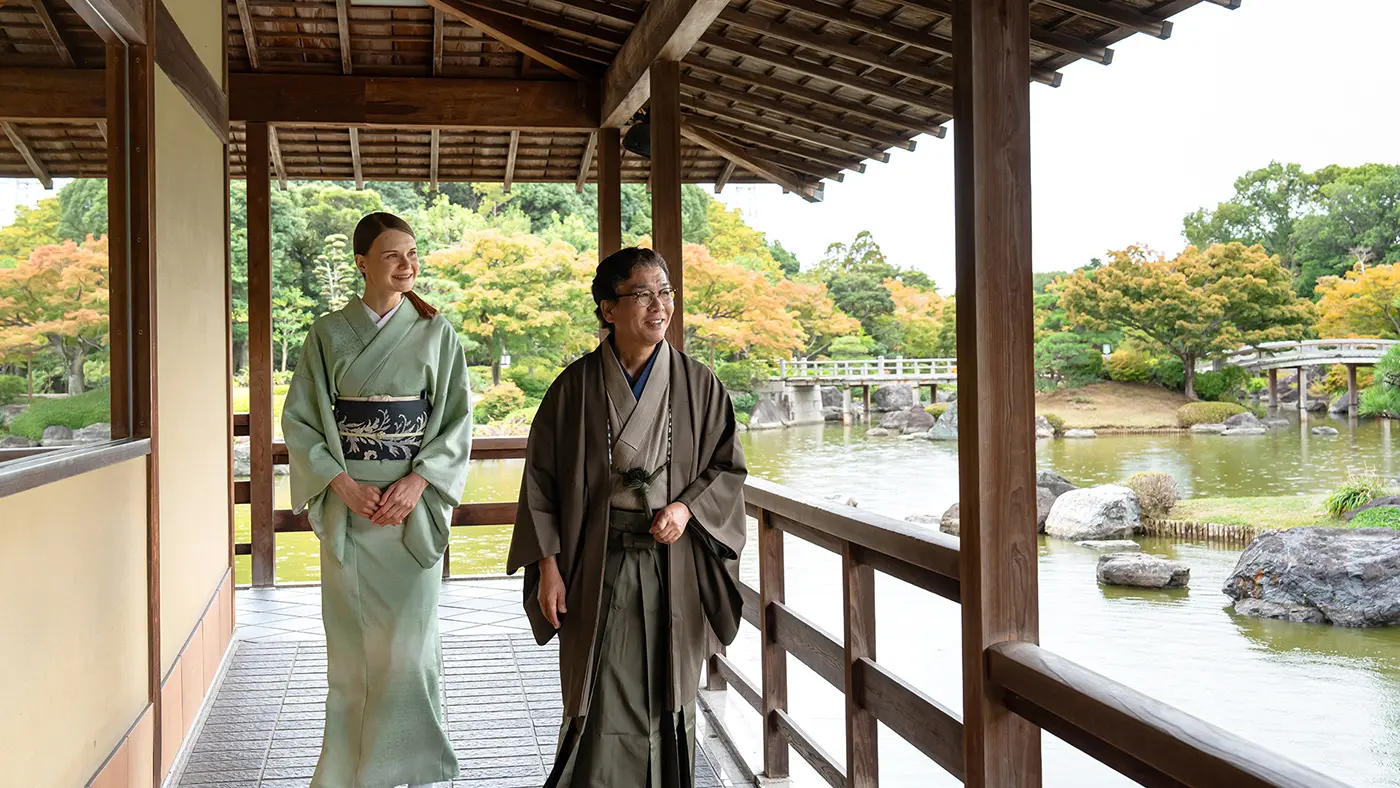
Tanimoto
The scenery around this pond not only reflects the natural landscapes of Sakai but also incorporates elements of Chinese scenery. For example, the artificial hill on the opposite shore represents the famous Chinese mountain “Lushan” (Mt. Lu). It’s said that our predecessors who practised the tea ceremony deeply respected and admired Chinese culture.
Sawada
The teachings of the sencha tea ceremony also reflect deep respect for China. One prominent figure is the “Tea Immortal,” Lu Tong, a Tang Dynasty poet renowned for his work The Seven Bowls of Tea.
Tanimoto
By reflecting the serene landscapes of continental China, this garden also embodies the spirituality intertwined with tea culture. Every time I visit, I’m struck by its magnificence.
Sawada
Kyoto is known for its famous gardens, but I’m amazed that Sakai also has such an expansive and beautiful one! I can only imagine how stunning it must look on a crisp winter day. This is a garden I’d love to visit again and again.
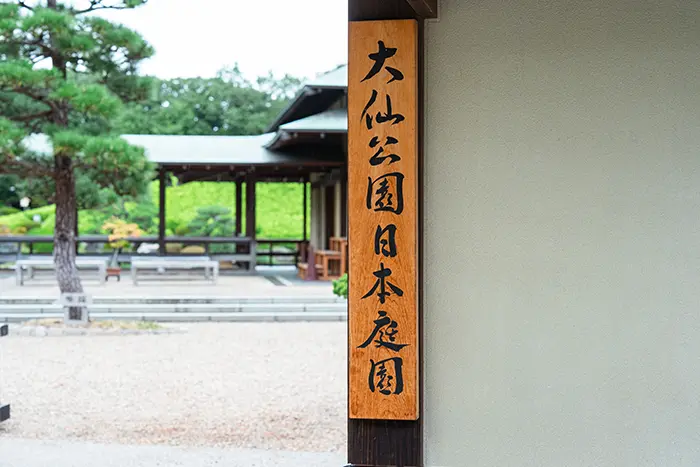
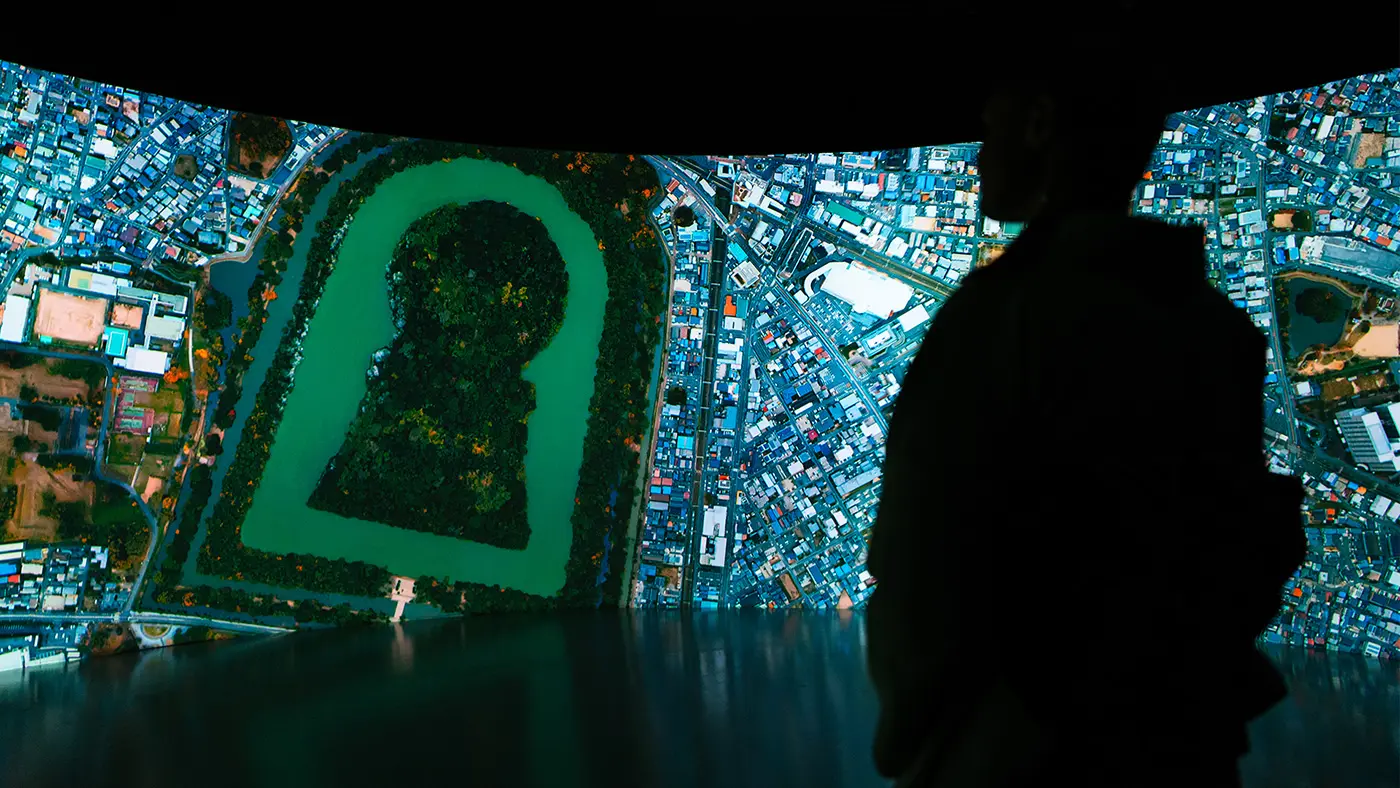
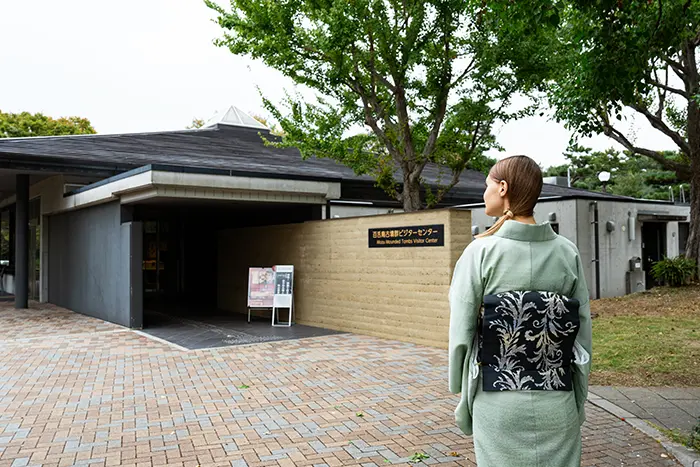
If you visit Daisen Park with its tea house and Japanese garden, be sure to stop by the Mozu Tumulus Group Visitor Center, just to the north. This facility offers insights into the history and sights of the Mozu and Furuichi Tumulus Group, a designated World Heritage Site. Highlights include a permanent theatre showcasing the grandeur of the tumulus group through stunning 8K aerial footage and a tourist information centre where you can also rent bicycles.
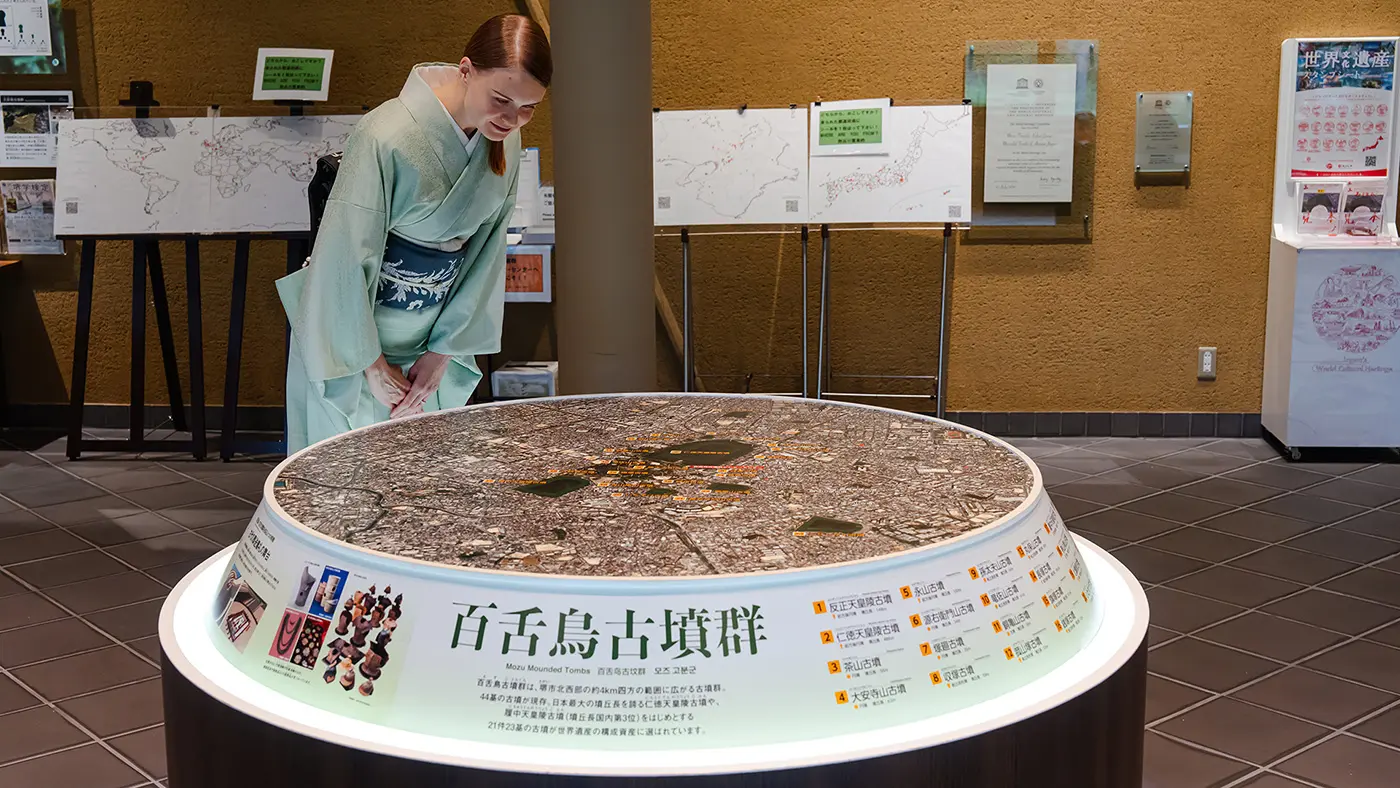
“Sakai Risho no Mori” is the perfect place to deeply explore the tea ceremony! Immerse yourself in its rich history through a variety of fascinating exhibits.
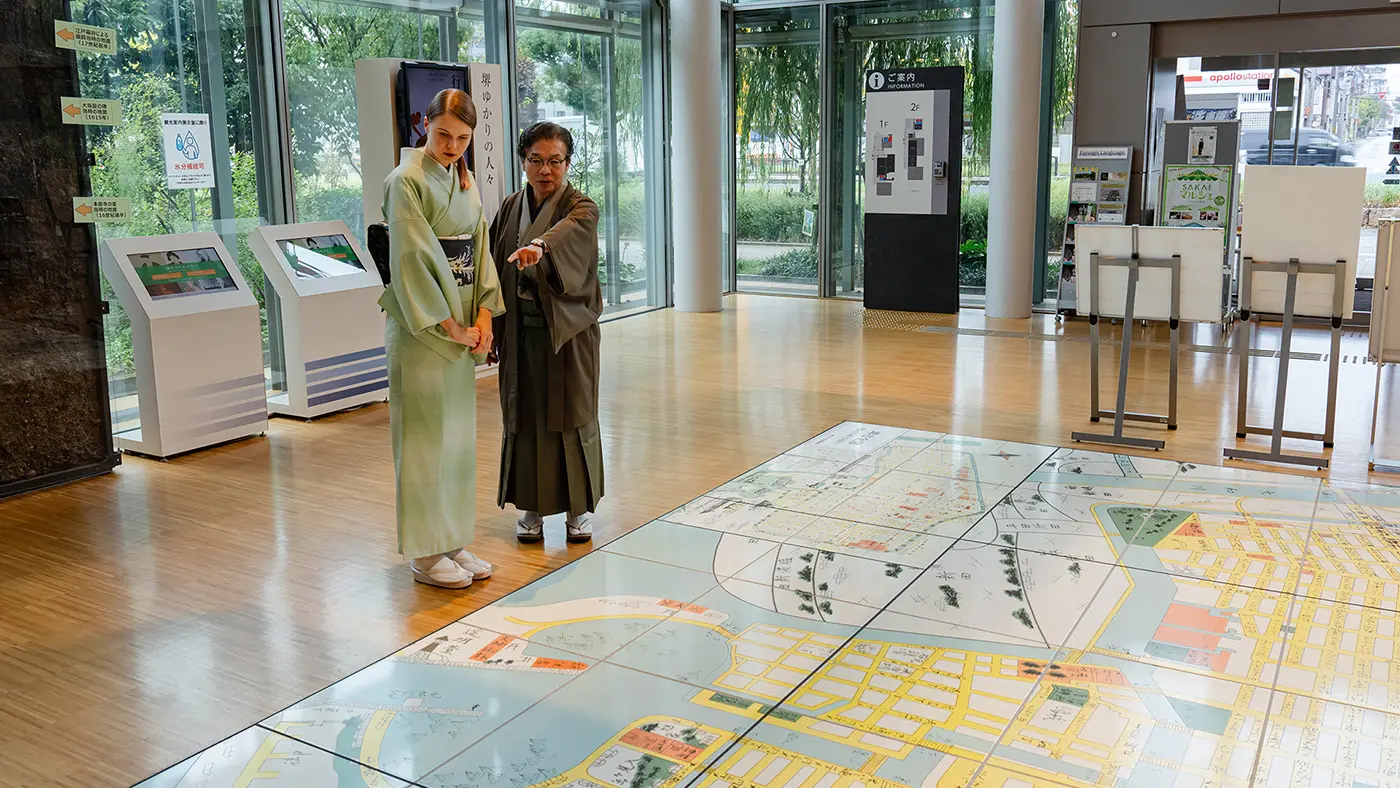
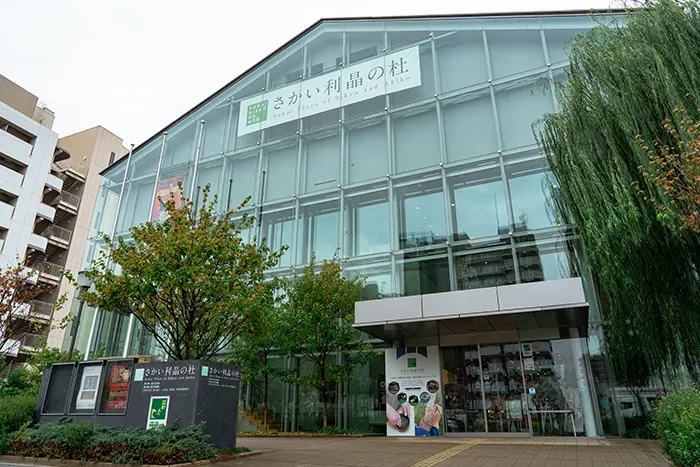
To gain a deeper and more systematic understanding of “chanoyu” and Sen no Rikyu, our guests visited “Sakai Risho no Mori.” This cultural and tourist facility highlights the lives and legacies of Sen no Rikyu and poet Yosano Akiko, offering visitors a chance to explore Sakai’s rich history and culture through these two prominent figures.
Tanimoto
Sakai was once a small city encircled by a moat. Despite its size, it thrived under the autonomy of its merchants, fostering the development of diverse cultures. Excavations in the area have uncovered tea utensils and ceramics, offering a glimpse into the city’s prosperous and refined lifestyle.
Sawada
Cultural activities were clearly an integral part of life for the people of Sakai. From the map and everything you’ve shared, it’s evident that this region was a hub where Japanese culture was deeply concentrated and nurtured!
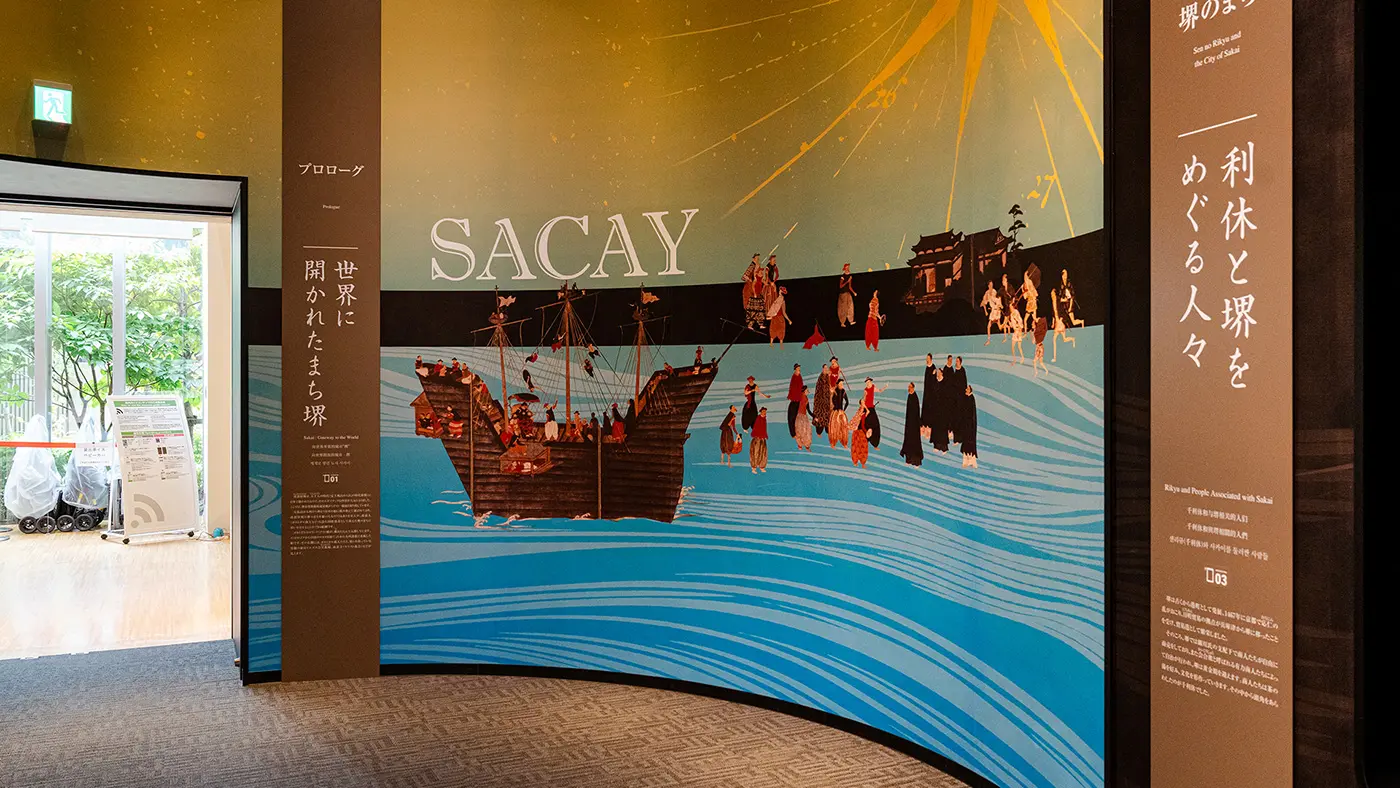
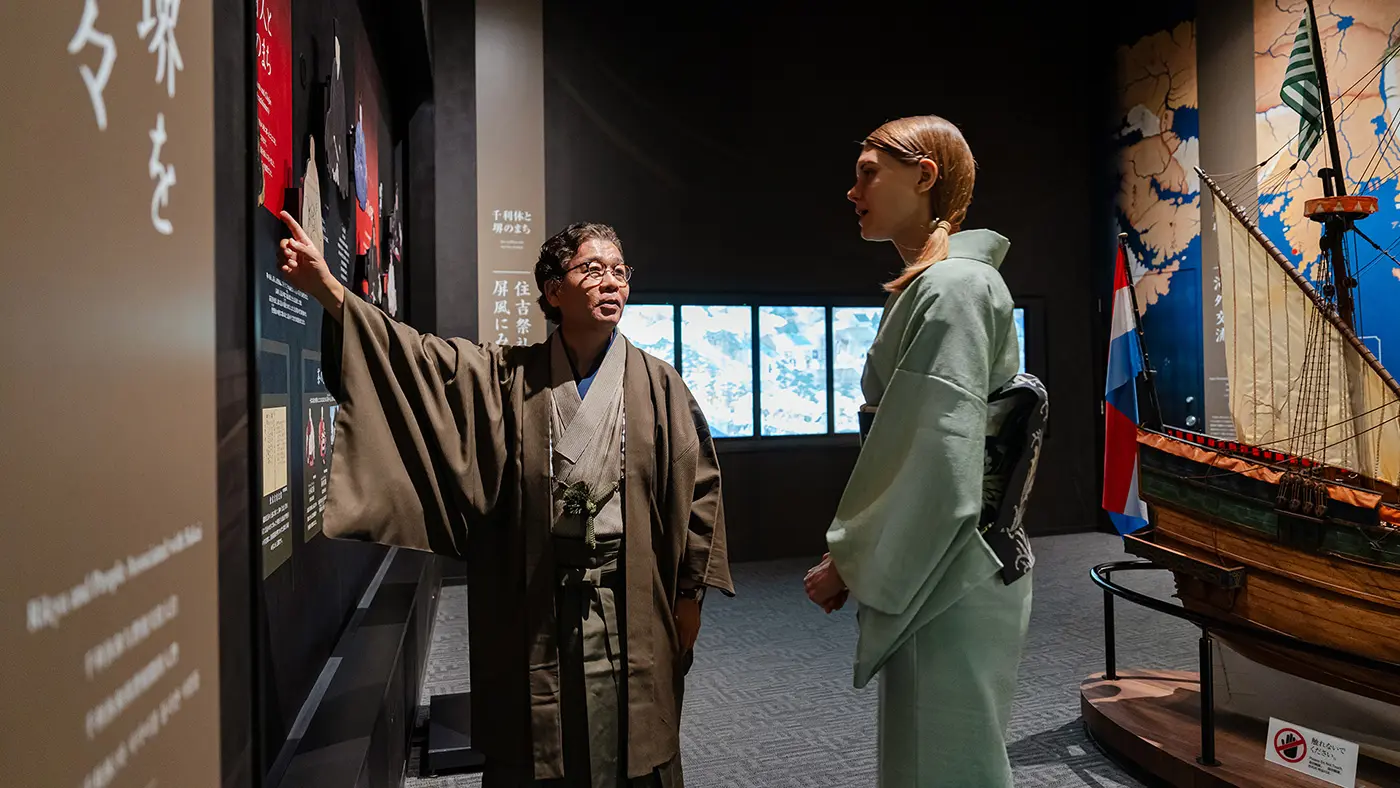
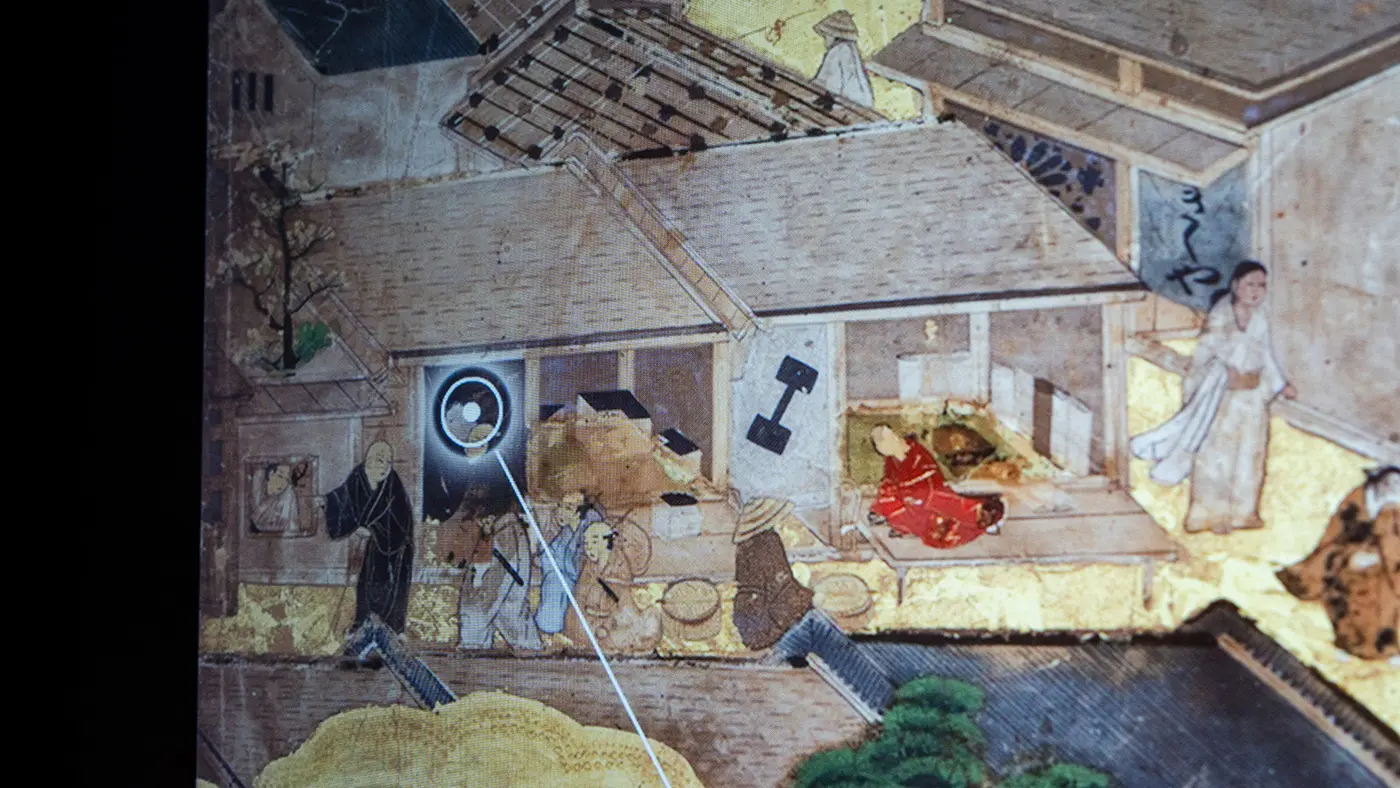
The “Sumiyoshi Saireizu Byobu,” which illustrates the parade of the portable shrine from Sumiyoshi-taisha (Sumiyoshi Grand Shrine) to its temporary lodging in Sakai, has been transformed into a vivid display. This artwork offers valuable insights into the lives of Sakai merchants during the Azuchi-Momoyama and early Edo periods.
Tanimoto
Take note of the design of this private residence. Notice the small doorway separate from the main entrance (on the left side of the photo, near the circle). Beyond it lies a tea house garden leading to a tea room at the back.
Sawada
This confirms that tea rooms were being incorporated into their homes, as seen in these historical images!
Tanimoto
What’s more, this tea room features a simple thatched-hut design. In this way, the merchants interpreted and adapted the spirit of “chanoyu” as taught by Rikyu, making it a familiar part of their lives.
Sawada
It’s smaller than the tea room at “Shin-an” that we just visited, and I feel it has a slightly different character as well.
Tanimoto
That’s right! A tea house located within the city but designed to feel like it’s in the mountains is called “shichu no sankyo” (a mountain retreat in the city). This style was particularly popular in Sakai.
Sawada
The way people incorporated “chanoyu” into their daily lives feels similar to how we enjoy it today, don’t you think? Sakai’s tea culture seems to be a starting point that still connects to the present day.
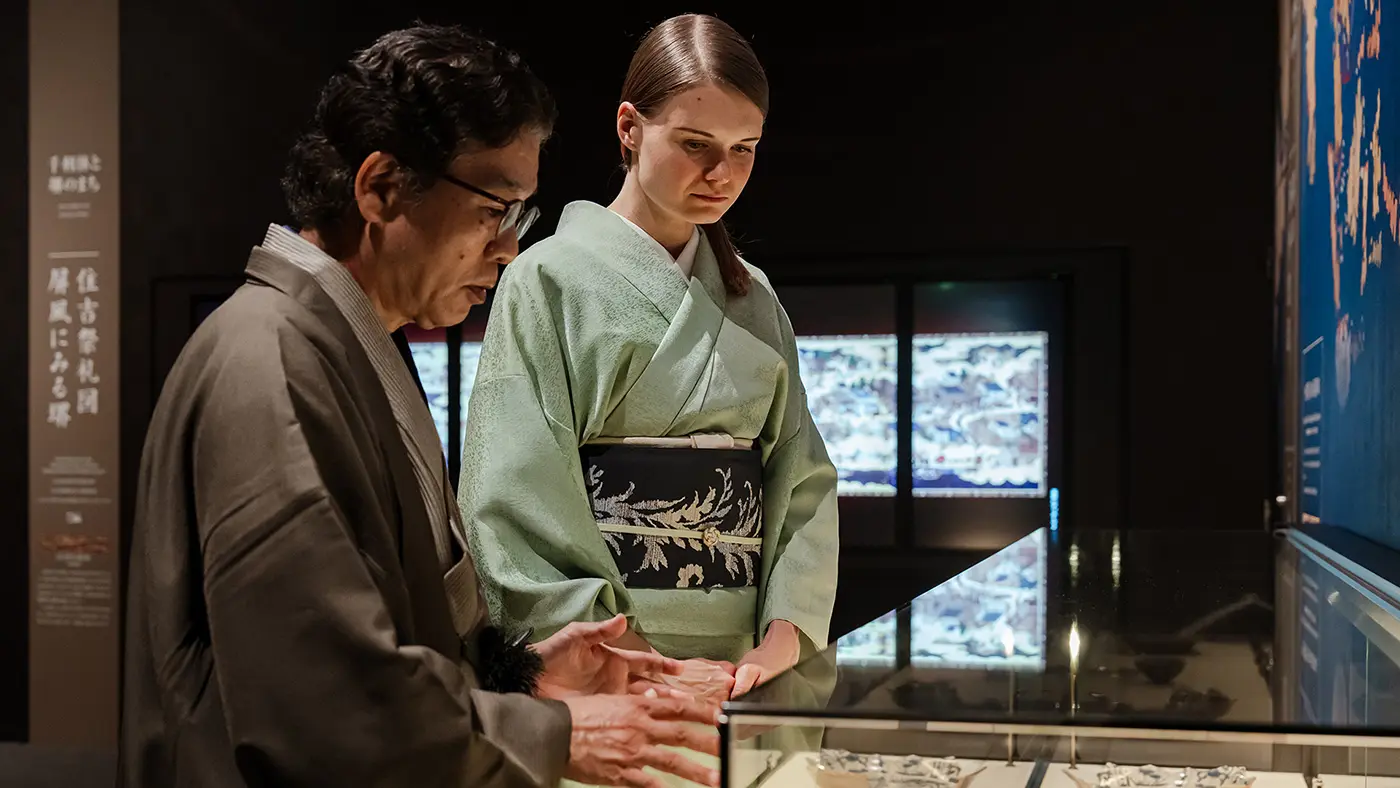
The grounds also feature “Sakai Tai-an,” a faithful reconstruction of the tea room “Tai-an” as originally built by Sen no Rikyu. Through the extensive materials on display, we gained valuable insights into Sen no Rikyu and the culture of “chanoyu.”
Enjoy a variety of tea-inspired dishes at the café of Sakai’s historic tea shop, “Tsuboichi Tea Honpo.”
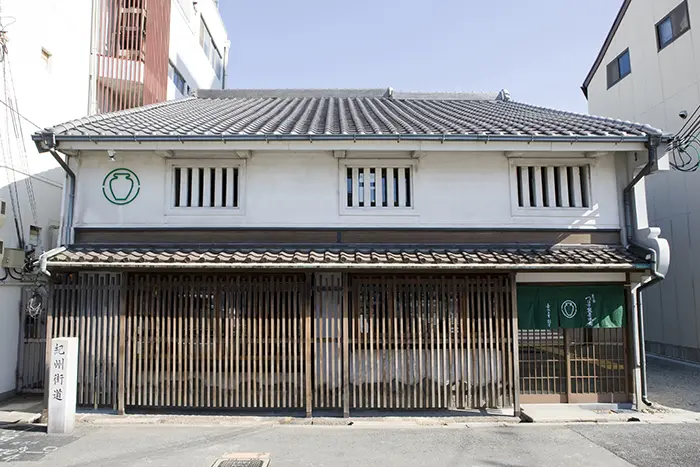
At the end of the tour, Mr. Tanimoto personally guided us to his tea shop, “Saryo Tsuboichi Tea Honpo Sakai Honkan.” Established in Sakai in 1850, Tsuboichi Tea Shop boasts over 170 years of history. The flagship store, “Sakai Honkan,” is housed in a renovated Edo-period townhouse along the historic “Kishu Kaido” road. Inside the spacious shop, visitors can browse a variety of premium tea leaves and tea-related products or enjoy tea in a relaxed setting.
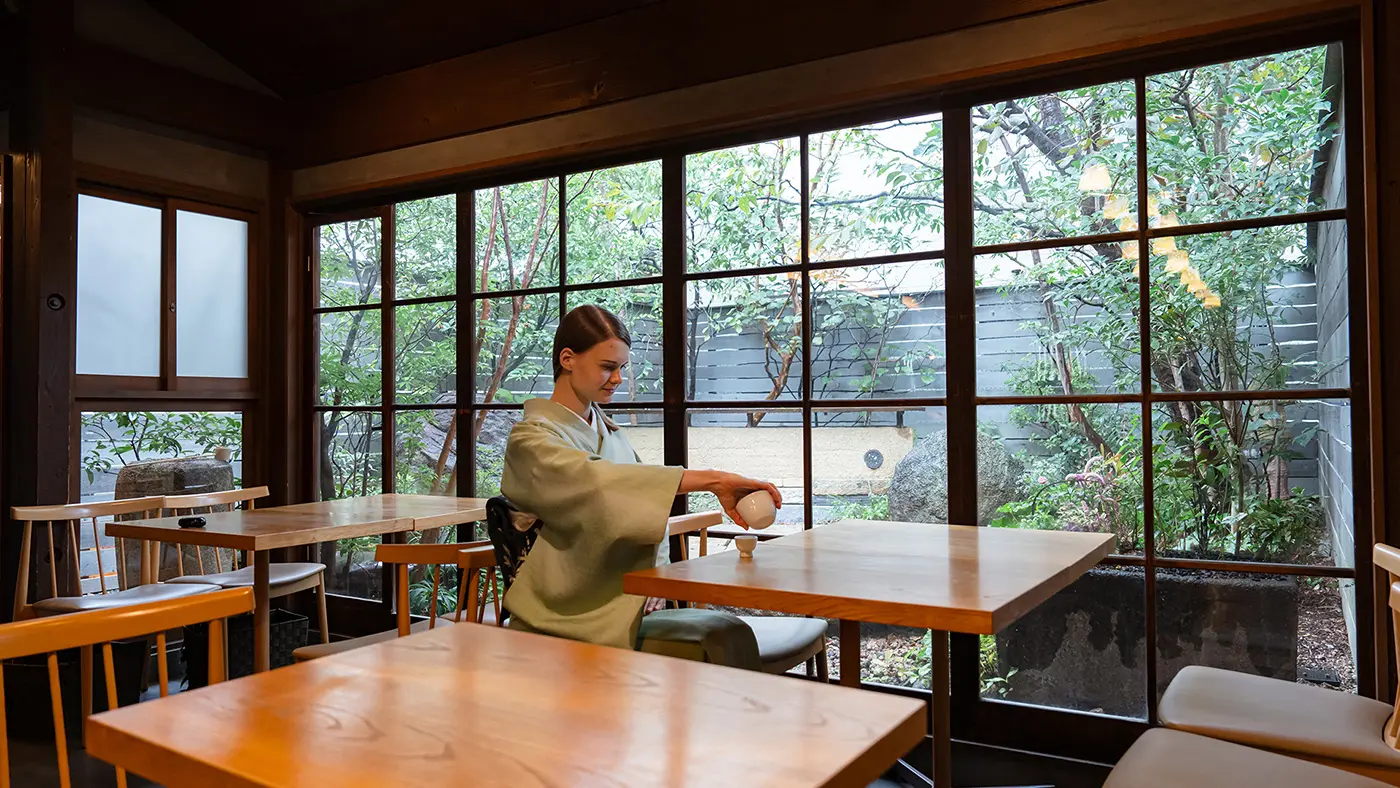
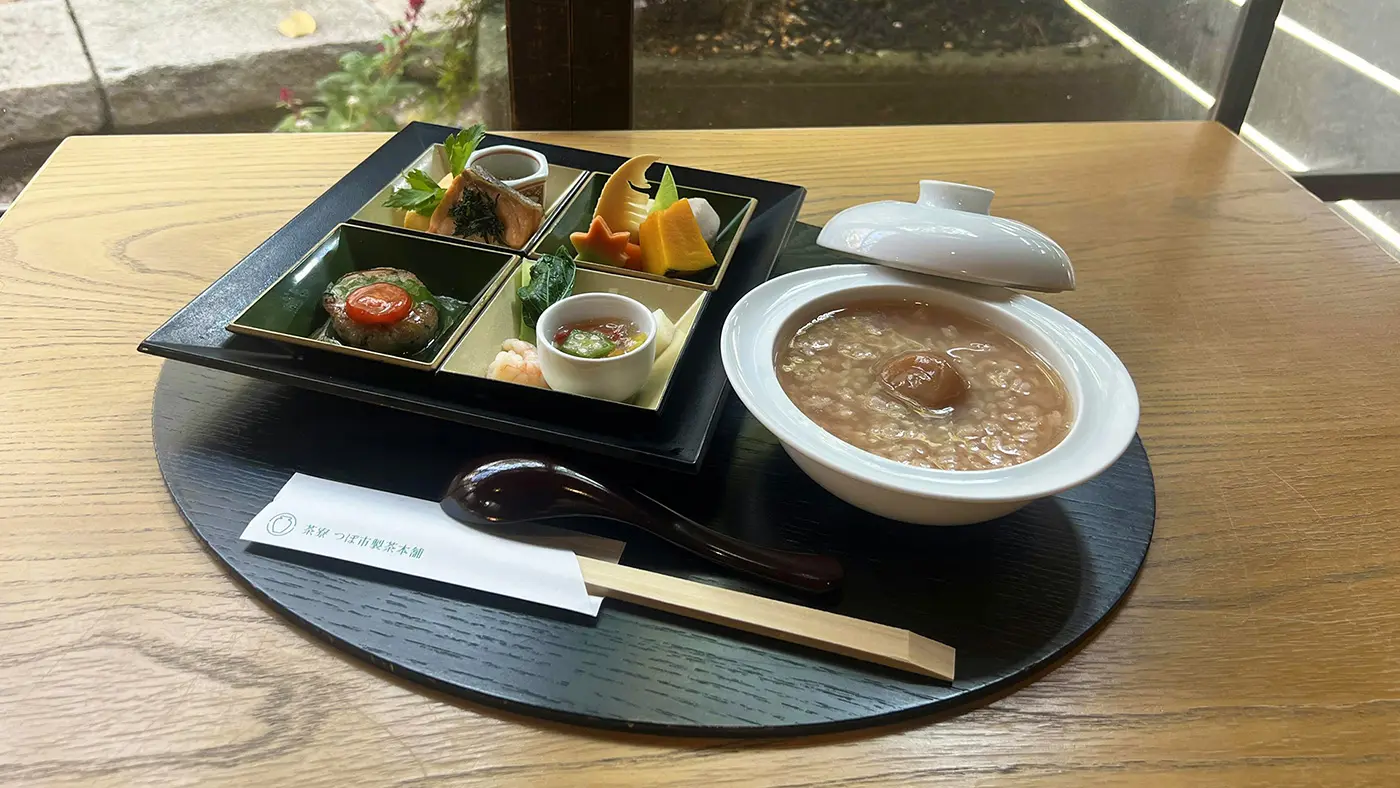
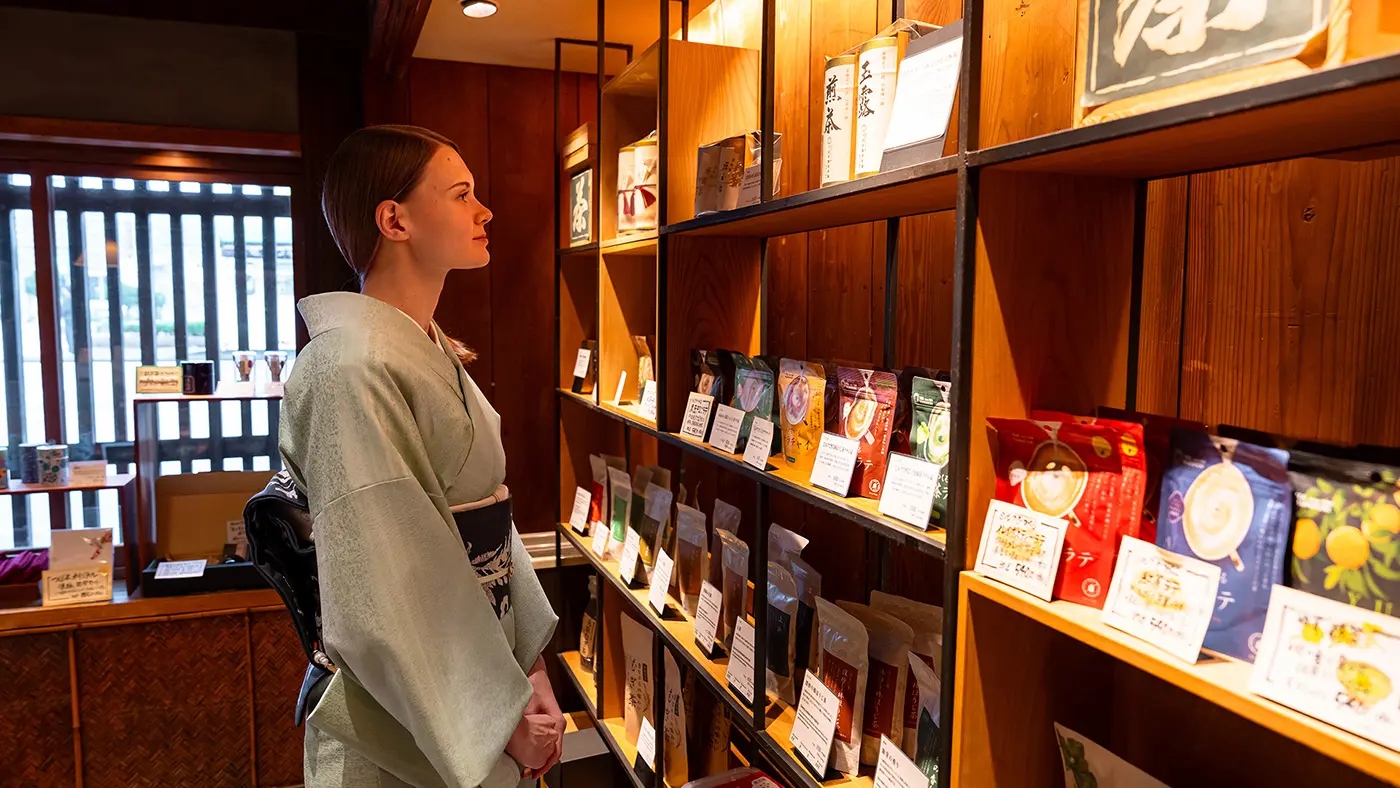
It’s wonderful to shop and enjoy tea in a store that beautifully preserves the charm of the original townhouse. The shop offers a wide range of products, from casual items to premium tea leaves, including “gyokuro” (high-quality loose-leaf green tea). The open space, with its vaulted ceilings and lush green courtyard, is truly a delight.
Sawada
Thank you so much for your time today. The etiquette and movements of “chanoyu” and “senchado” are so different that I’m not sure I’ll be able to remember them all right away…
Tanimoto
That’s perfectly fine—every one of your movements is so graceful. In fact, grace and style are very important in tea ceremonies. While “chanoyu” is often seen as difficult today, it was originally considered fashionable and chic, admired by many over the years. Even though our schools may differ, I can tell you deeply understand the essence of the tea ceremony, which treasures each encounter as a once-in-a-lifetime experience.
Sawada
Thank you so much. Through our conversation, I realised that the thoughtfulness and care shown by the “host” in the tea ceremony are also key to the sencha tea ceremony. Today, I gained a new perspective on the depth of tea culture, and I’d love to visit again.
Tanimoto
Above all, I’m delighted that stylish individuals continue to appreciate and cherish the spirit of tea. I hope we can work together to share its beauty with others.
Immerse yourself in Sakai’s history and culture with all five senses! Discover the perfect souvenirs to take home!
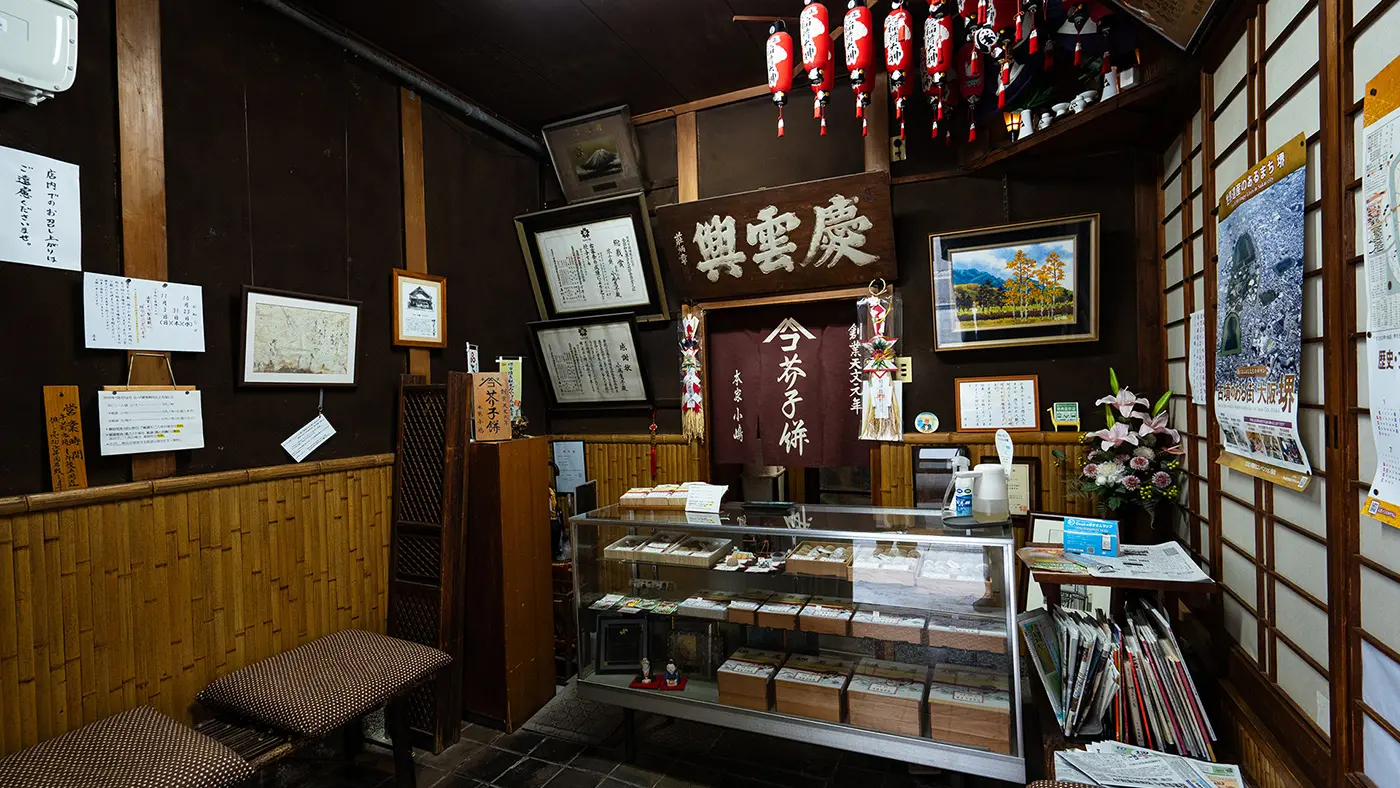
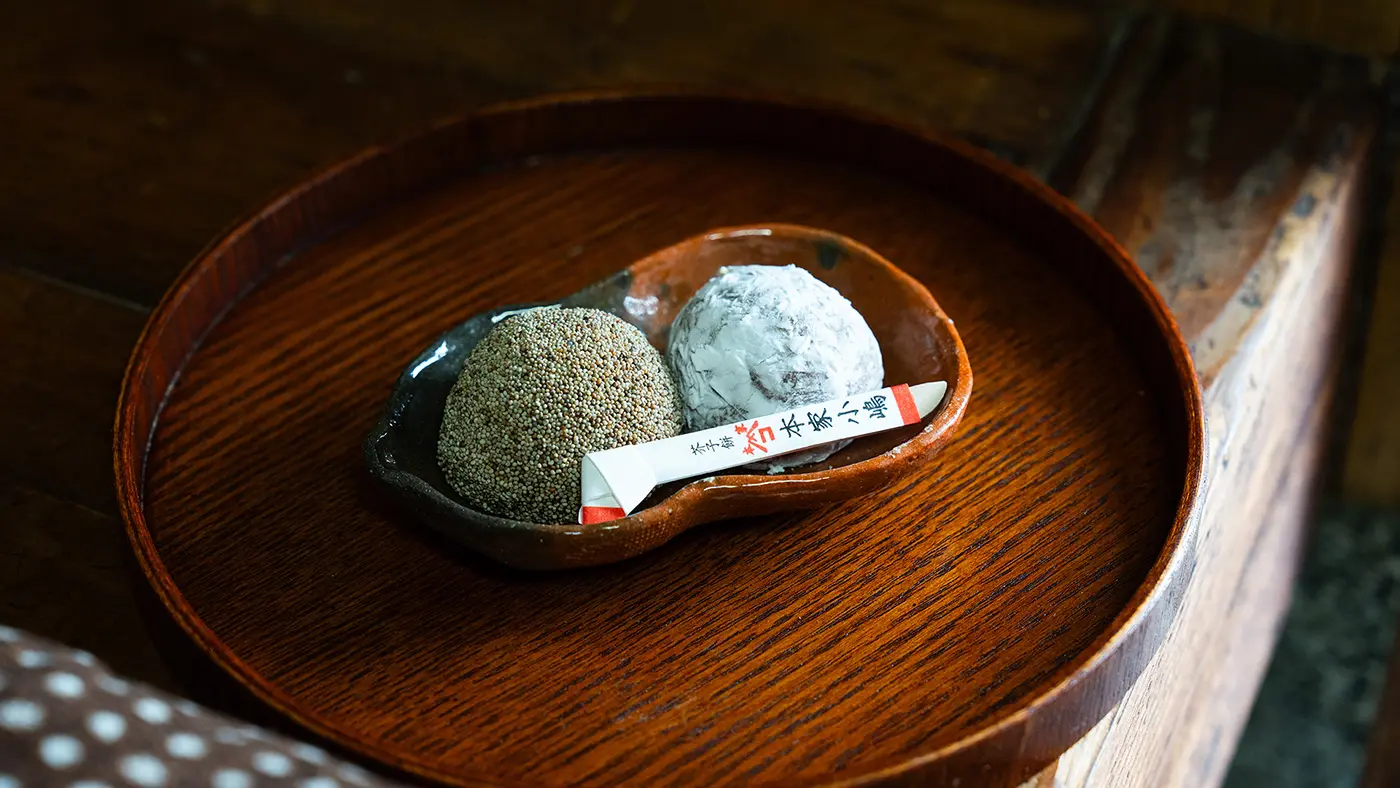
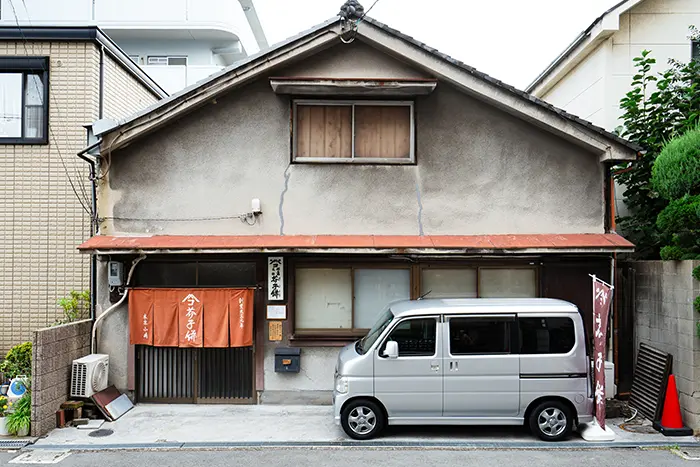
Irresistibly crunchy and fragrant! Poppy seed rice cakes crafted using a traditional recipe handed down through generations.
Sakai, a city where merchant culture thrived, is also known for its many historic confections. Among them is “keshi mochi” (poppy seed rice cake), a sweet introduced during the Nanban trade with India and said to have been a favourite of Sen no Rikyu.
The store “Honke Kojima,” founded in the Muromachi period (1333–1573), is a long-established maker of poppy seed rice cakes. With a secret recipe that has never left the premises, each bite offers the satisfying crunch of poppy seeds and the savoury aroma of the rice cake.
Tea-infused incense to refresh your surroundings and uplift your mood.
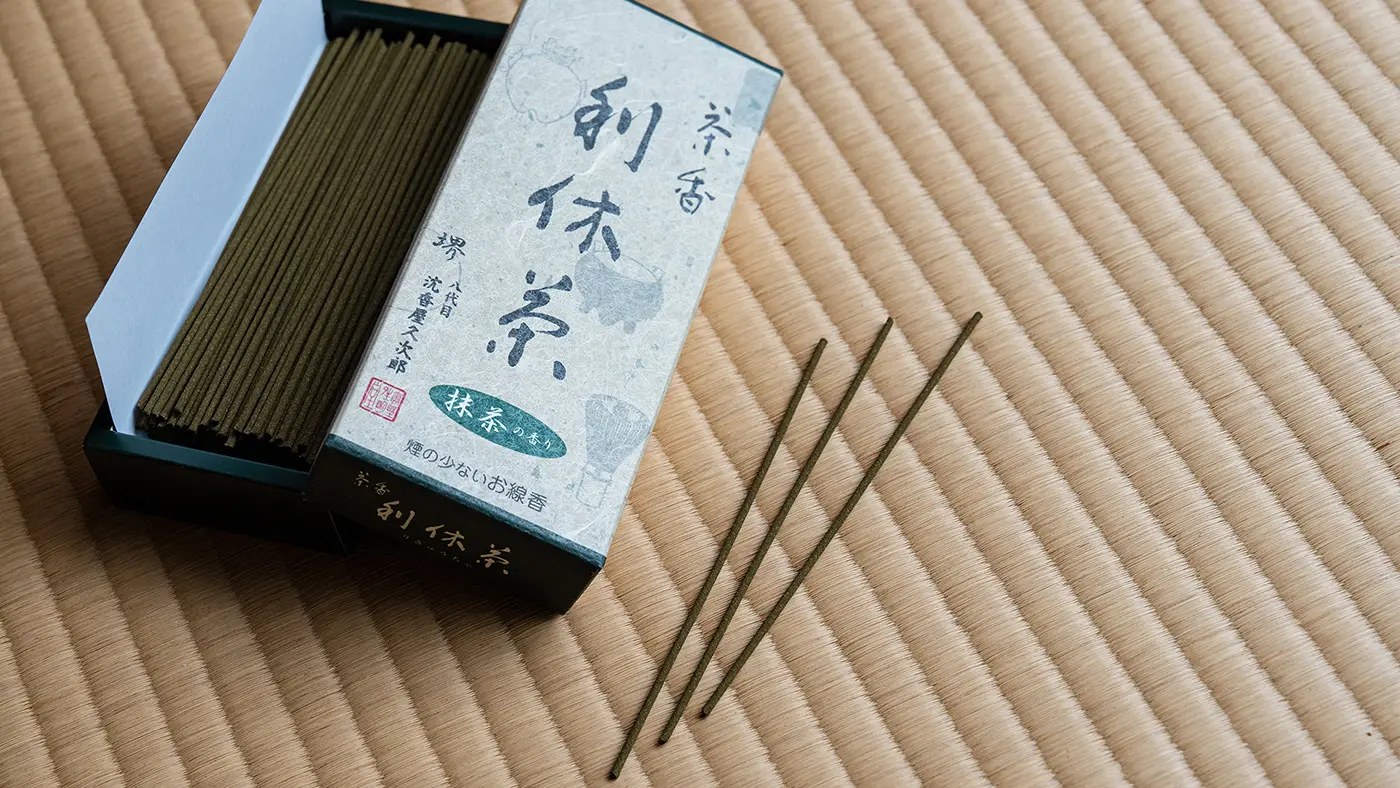
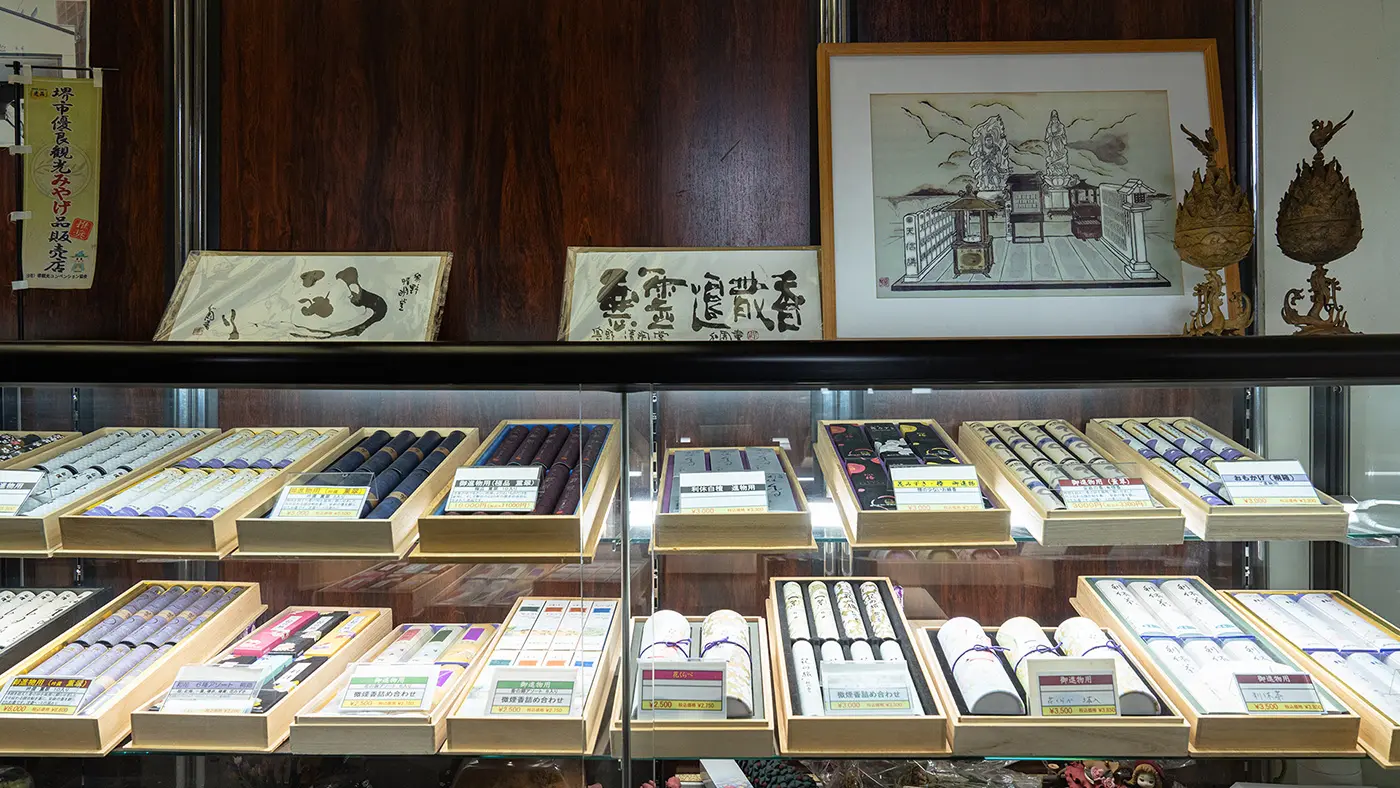
Sakai is known as the birthplace of incense production in Japan. The manufacturing method was reportedly introduced from China in the late 16th century through trade with the Nanban (Western Europeans). With many temples in the area, incense production quickly flourished, establishing Sakai as a major centre for incense.
“Okuno Seimeido,” a long-standing company established in the Edo period, is known for its unique products. One standout item is “Chako Rikyucha,” a local incense infused with green tea from Tsuboichi Tea Honpo.
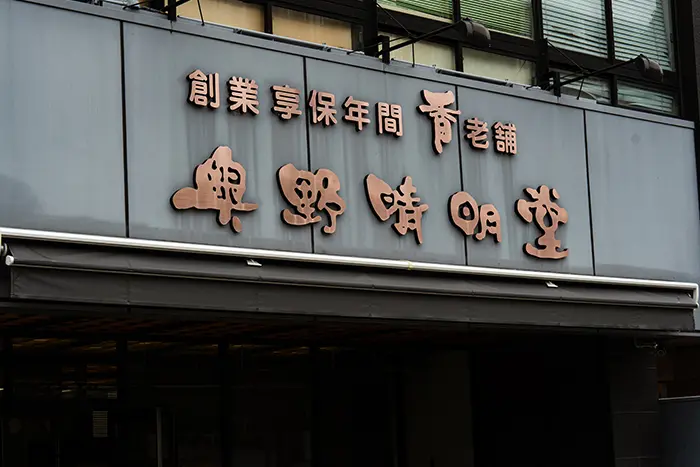
Reexamining life and the soul through the tea ceremony: A trip to Sakai, the hometown of Rikyu
A visit to Sakai, guided by the themes of “chanoyu” (tea ceremony) and Sen no Rikyu, reveals how the city’s merchants embraced and enjoyed the tea ceremony amid the growth of its trading port. This helped establish Sakai’s role as a cultural hub. The fact that ordinary citizens played a leading role in this movement highlights the free-spirited nature of Sakai, an autonomous city.
Mr. Tanimoto explained that the role of tea evolved between the Warring States Period and the Edo Period, saying, “With the arrival of peace, the spirit of hospitality and consideration for others became central, allowing the tea ceremony to flourish further.” The time our two guests, with their different backgrounds, spent together in the same tea room may well represent another chapter in this long and storied history.
In today’s fast-paced world, where efficiency and productivity often take priority, moments to connect with oneself and others are becoming increasingly valuable. Taking a few moments to savour a cup of tea can offer this rare opportunity. By embracing the spirit of “chanoyu,” described by Mr. Tanimoto as a “stylish” culture, we may discover insights for leading a fuller and richer life. We invite you to visit Sakai and experience the unique charm of the tea ceremony nurtured by its merchants.
Recommended guided tours
[DeepExperience] Touching the Heart of Sen no Rikyu - Tea Ceremony and Zen Experience Tour
- Experience an authentic tea ceremony in a tea room that inherits the spirit of Sen no Rikyu. You can learn about the deep history of the tea ceremony.
- A Zen experience that cultivates the spirit, the foundation of the tea ceremony, will calm the mind and further deepen the aesthetic appreciation of the tea ceremony.
- Enjoy seasonal bento lunches prepared by a local Japanese restaurant in a Japanese-style room.
- A guide will be provided to explain the history and culture of the tea ceremony in an easy-to-understand manner, so even beginners can participate with confidence.
*This article was migrated from “Shittonka Osaka.” The information provided is current as of December 2024 and may differ from current conditions. Please check the official websites of each store or facility for the latest operating hours and details.
Photo:Satoru Kitagawa
Edit:Mariko Takashima
Direction:NINGEN Editorial Department(NINGEN Inc.)
