 Copy Link
 X
X
 Facebook
 LINE
LINE
 LinkedIn
 Pinterest
 WhatsApp
 KakaoTalk
 NAVER
NAVER
 Weibo
Weibo
 WeChat
 Mail
Mail
"One-Day Local Tour" introduces the charms of local Osaka towns with hidden charms only locals usually know about. This time, we will visit Kishiwada City, known nationwide as the "town of the Danjiri Festival." We asked Mr. Tong, who is originally from Hong Kong, and his wife Fujiko to stroll around the charming streets of Kishiwada, where history and culture coexist, with Kishiwada Castle, the symbol of the city, at the center.
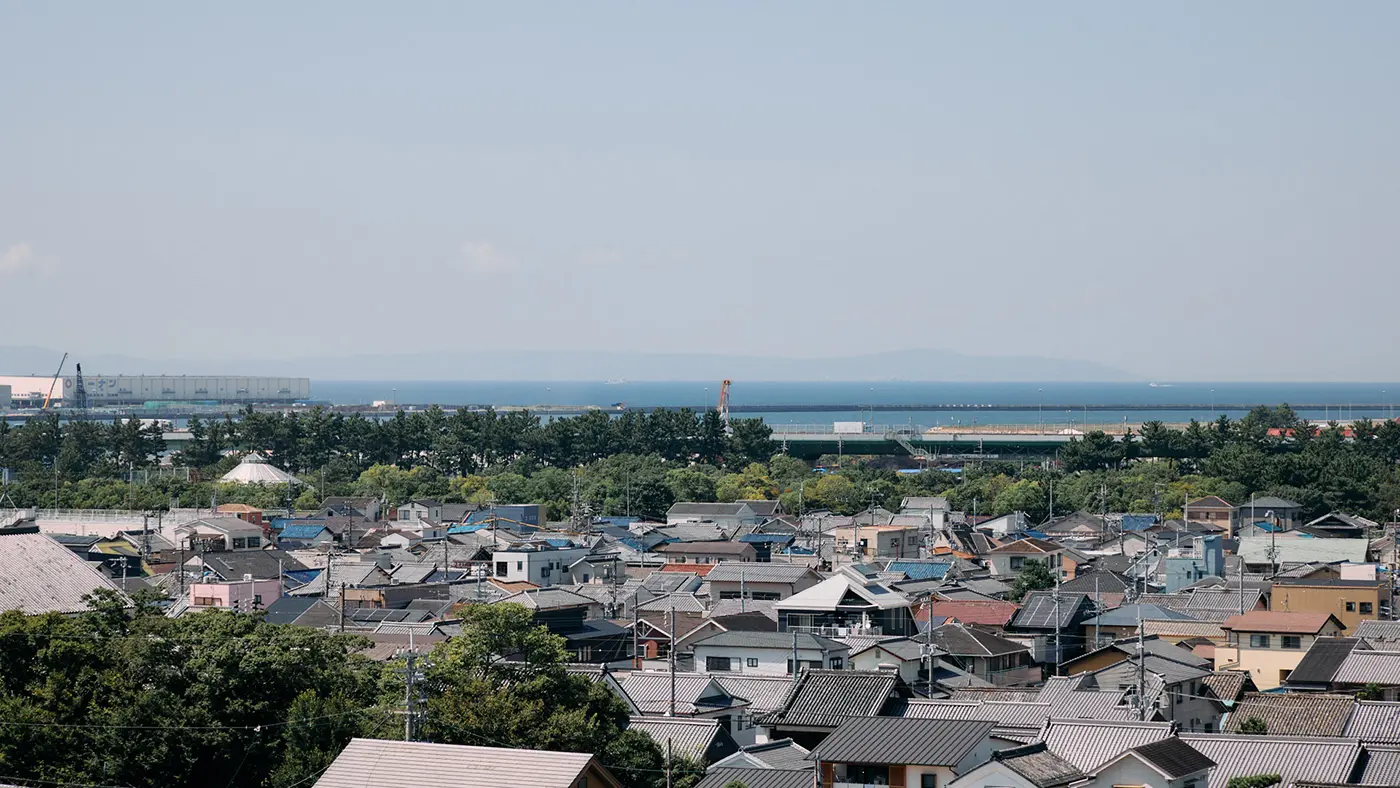
It takes about 30 minutes by express train from Namba Station. Kishiwada City, located almost halfway between Osaka and Wakayama, once flourished as a castle town of Kishiwada Castle. As a result, the townscape is filled with the traditional atmosphere of the time, with historic roads and shrines. It is also close to Kansai International Airport, and is said to be "the closest castle town to an airport in the world."
In addition, the traditional "Danjiri Festival", which has been held for over 300 years, is famous throughout the country and is held twice a year, in September and October, with the Danjiri Festival held on the coastal side in September and on the mountain side in October.
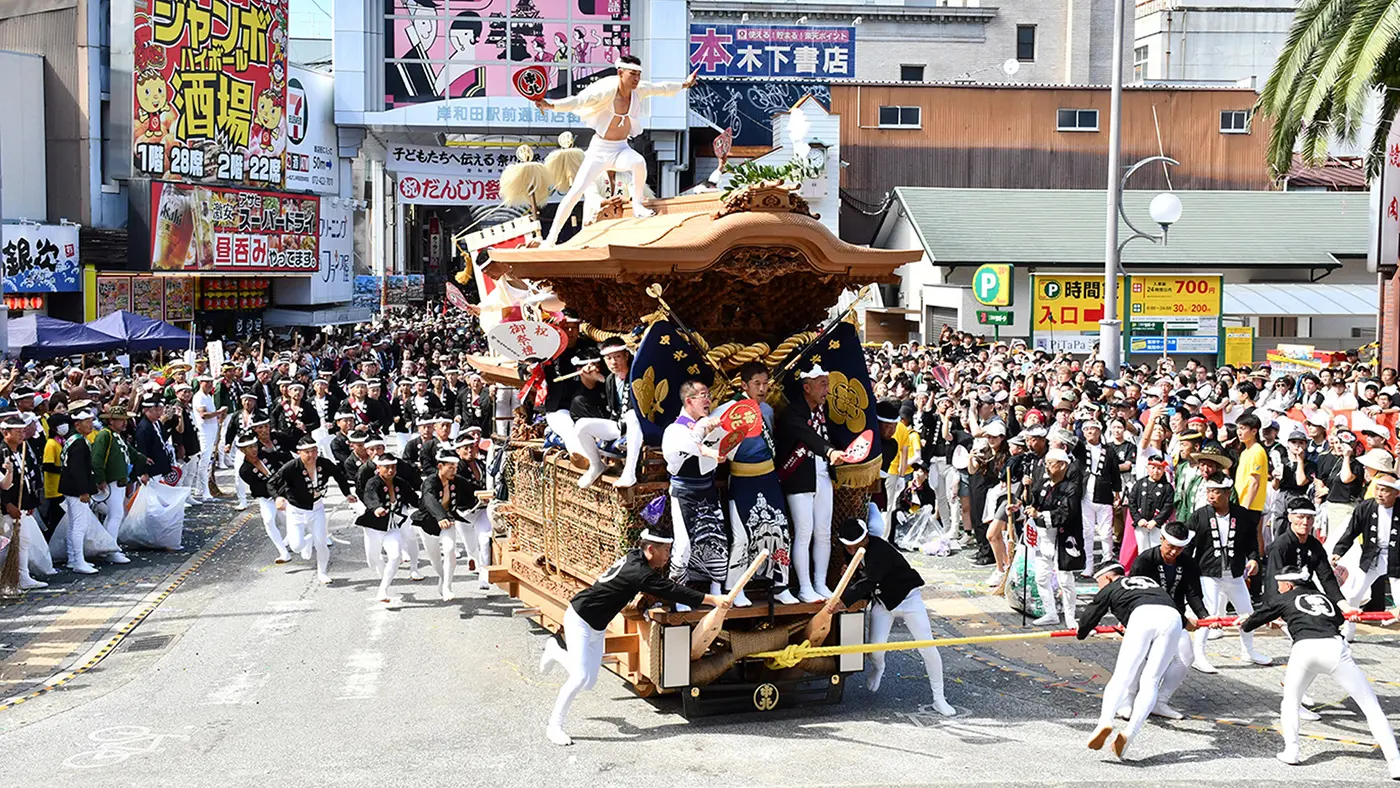
Every year, over 300,000 tourists from all over the country and the world visit Kishiwada to catch a glimpse of the gigantic Danjiri, weighing up to four tonnes, racing through the town.
The visitors to Kishiwada this time were Hong Kong native Tong and his wife Fujiko. They have been married for a year and this is their first visit to Kishiwada together!
Tong took us on a relaxed and engaging stroll around Kishiwada.
Guide


Born in Wakayama Prefecture, she is a nurse. She loves eating and drinking, and met Tong-san at a standing bar. She also loves traveling, and the place she wants to go the most right now is Kyushu.
Start from Kishiwada Ekimae-dori Shopping Street, which is bustling with local customers!
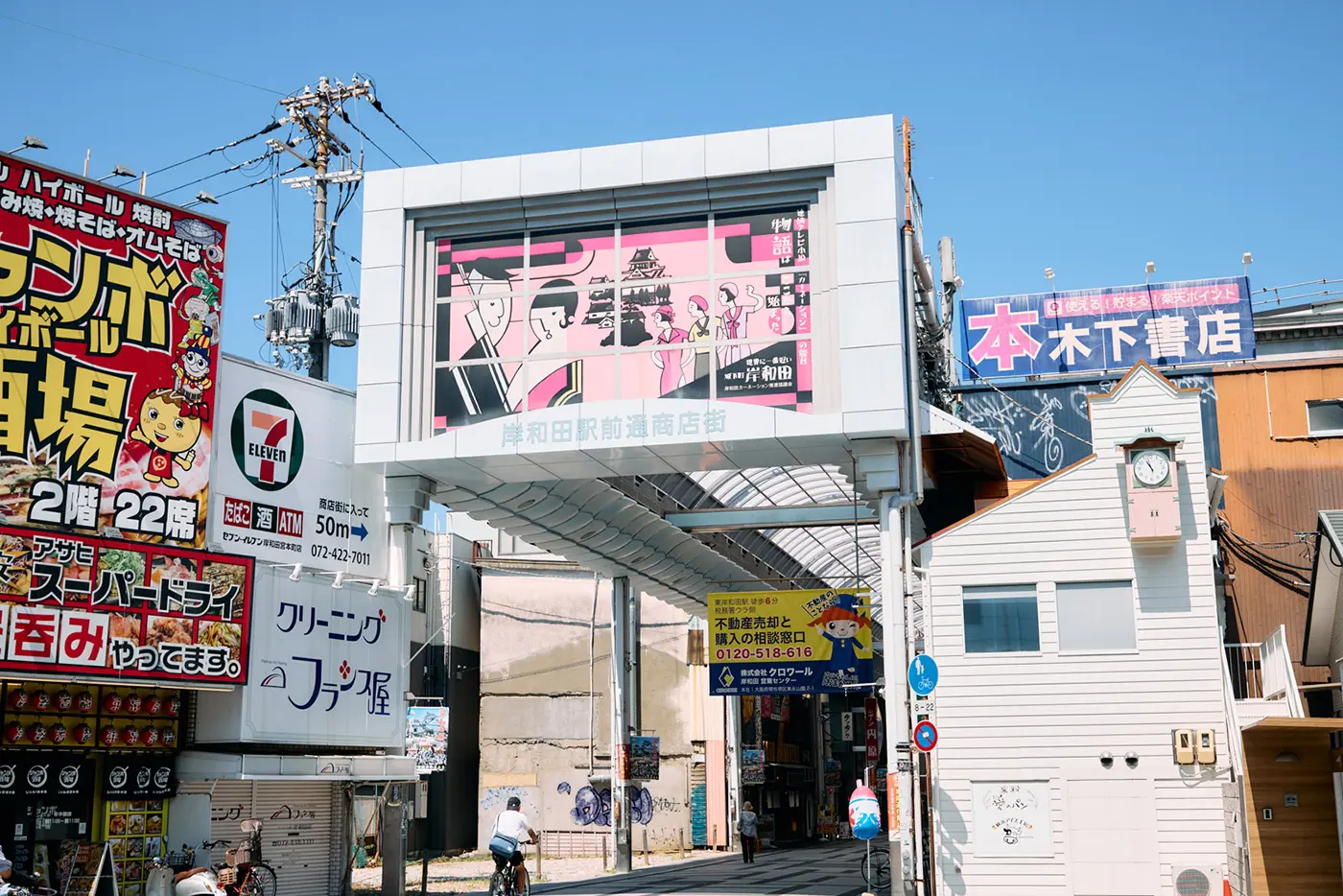
As soon as you leave Kishiwada Station, you'll see the Kishiwada Ekimae-dori Shopping Street. This shopping street, which dates back to before the second world war, has one of the longest histories in Kishiwada City. The square in front of the station is known as one of the viewing spots for the Danjiri Festival, and on the wall to the right of the entrance to the shopping street is a mechanical clock that makes a Danjiri float appear from inside along with festival music at the appointed time.
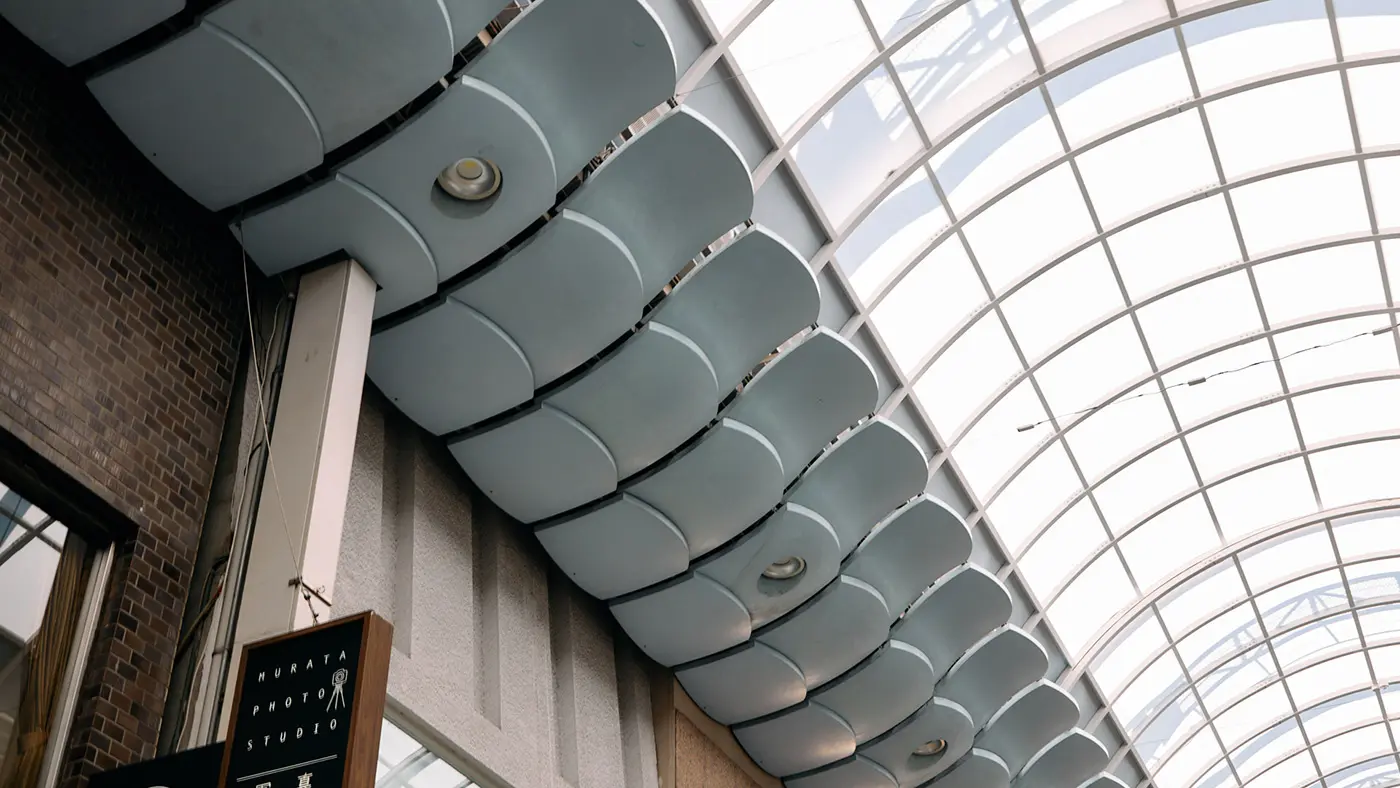
The beautiful arched arcade was built around 1963. If you look closely, you'll see that it's quite tall. The roof was designed to be high so that the Danjiri could run through it in a spectacular fashion, and at the time the arcade was built, it was the tallest arcade in Japan.
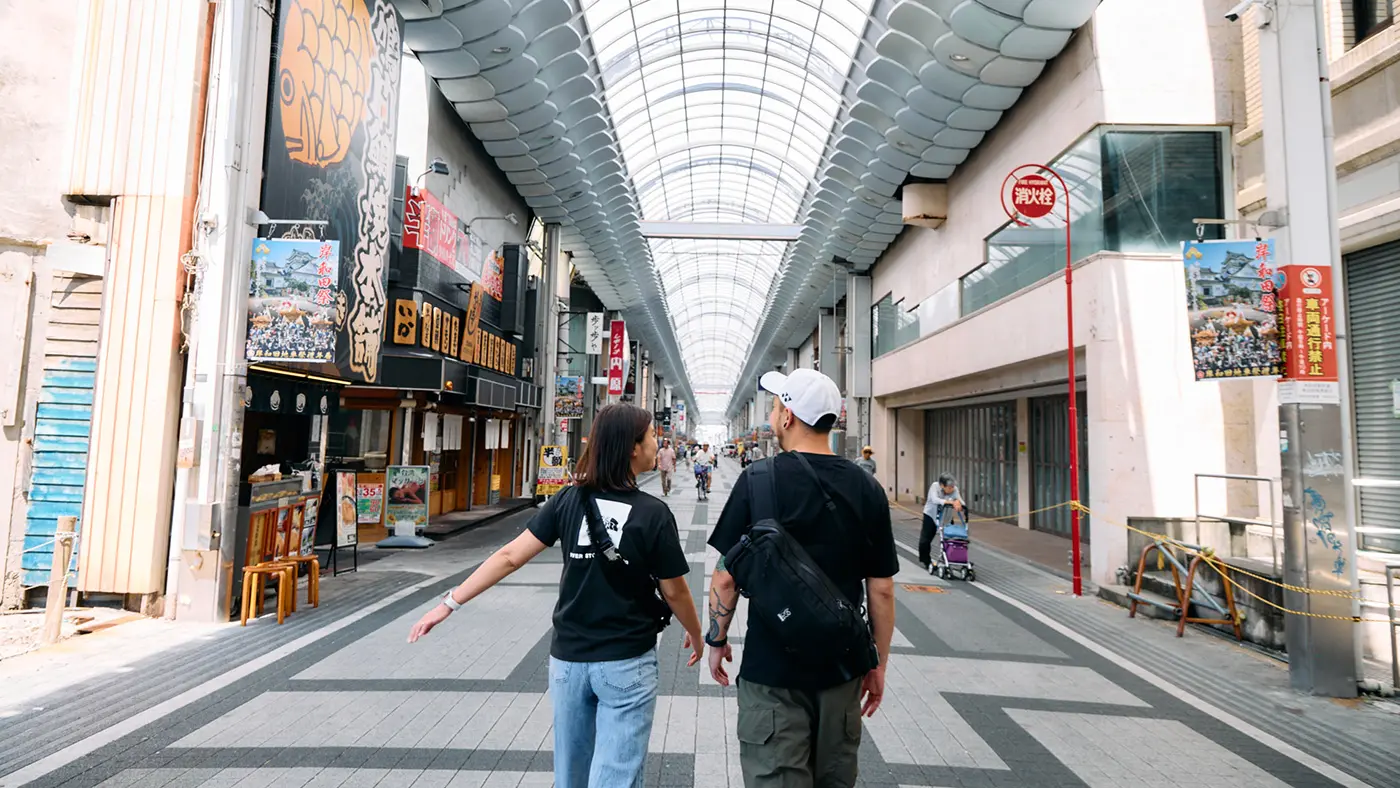
The shopping street is full of attractive shops, from restaurants bustling with local customers, to apparel shops, daily necessities shops, and record shops. The two of them walked around the lively shopping street, which had a downtown feel. On this day, bright sunlight was streaming in through the ceiling of the arcade, and a pleasant breeze was blowing through.
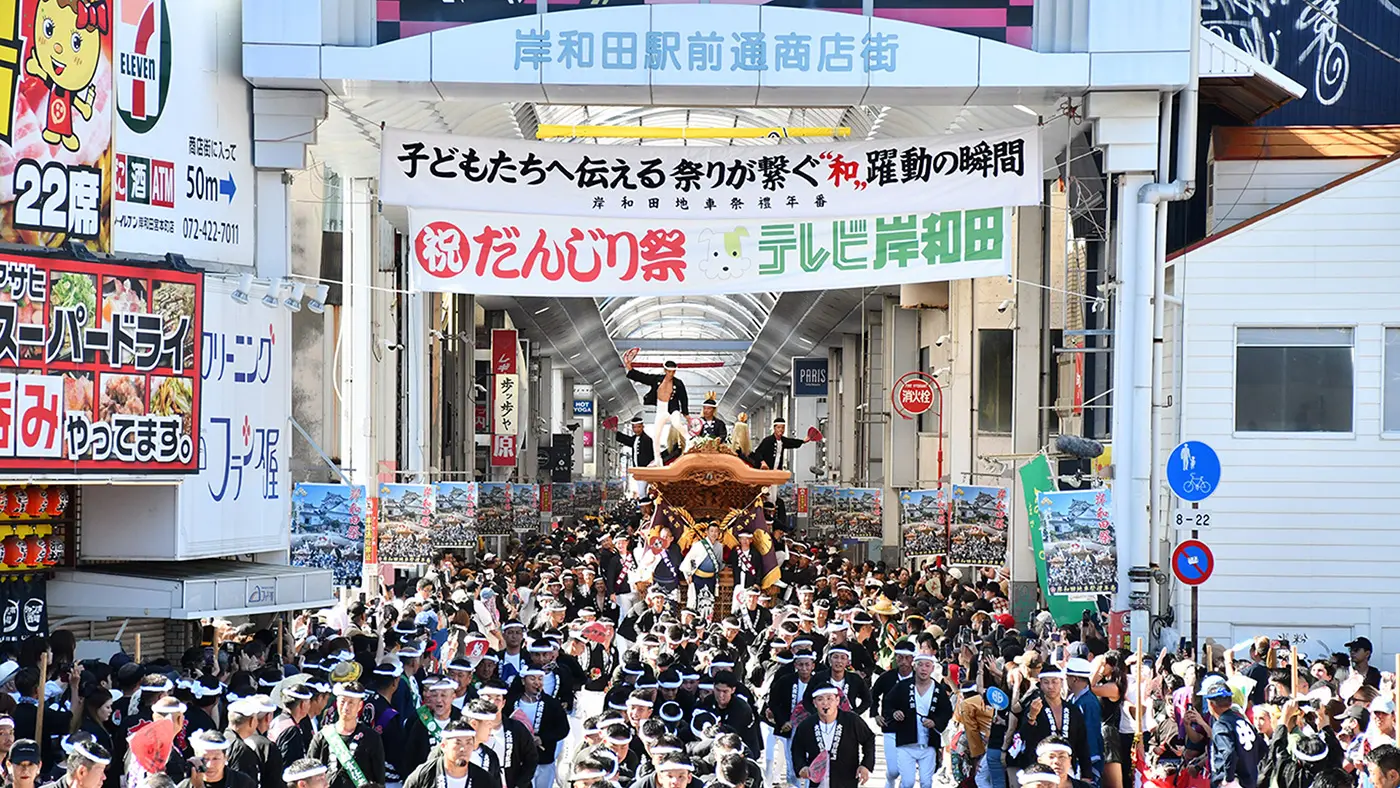
It's a spacious and easy-to-walk shopping street. It must be very impressive to see the Danjiri floats running through here! I'd like to see it someday.
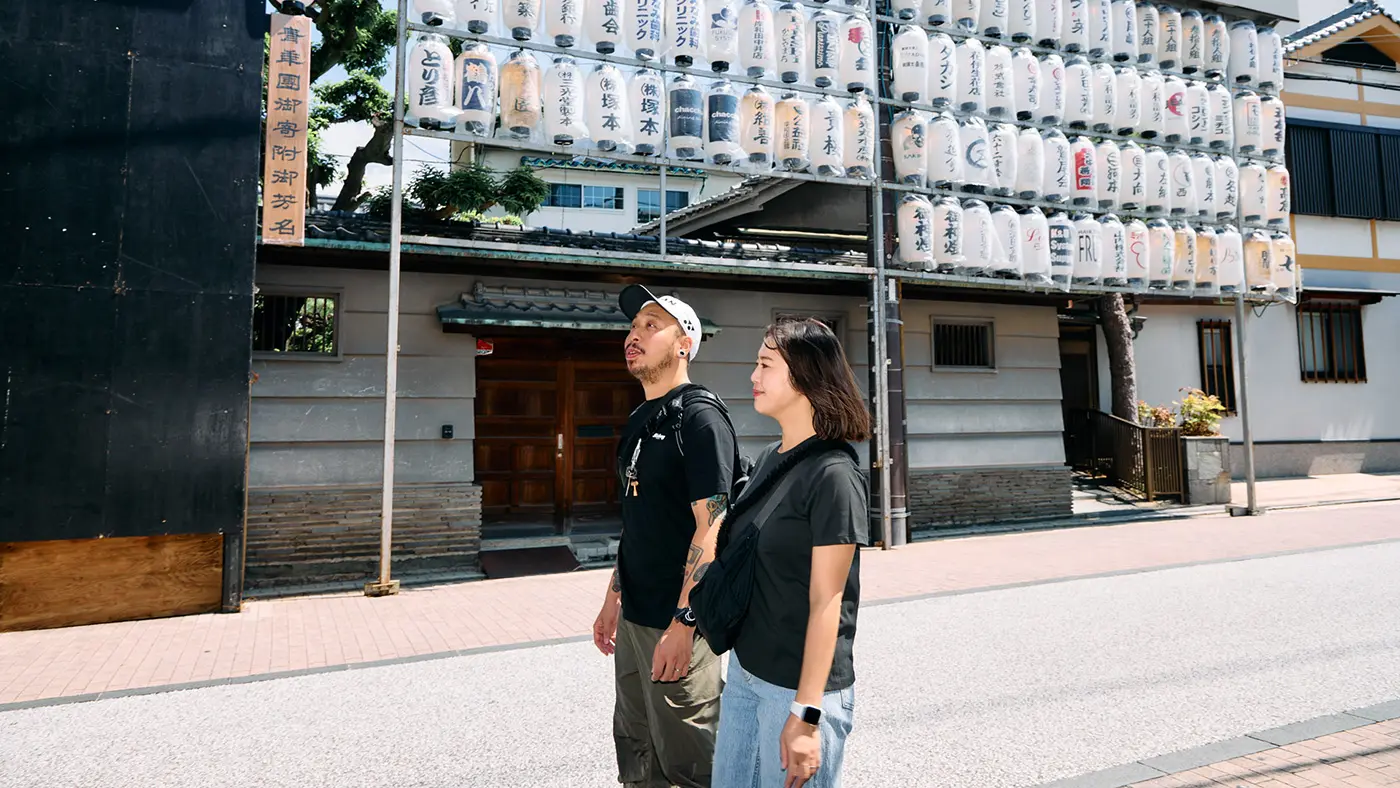
We left the arcade and headed to Hondori Shopping Arcade. "It’s fascinating how much of the retro charm has been preserved!" says Tong.
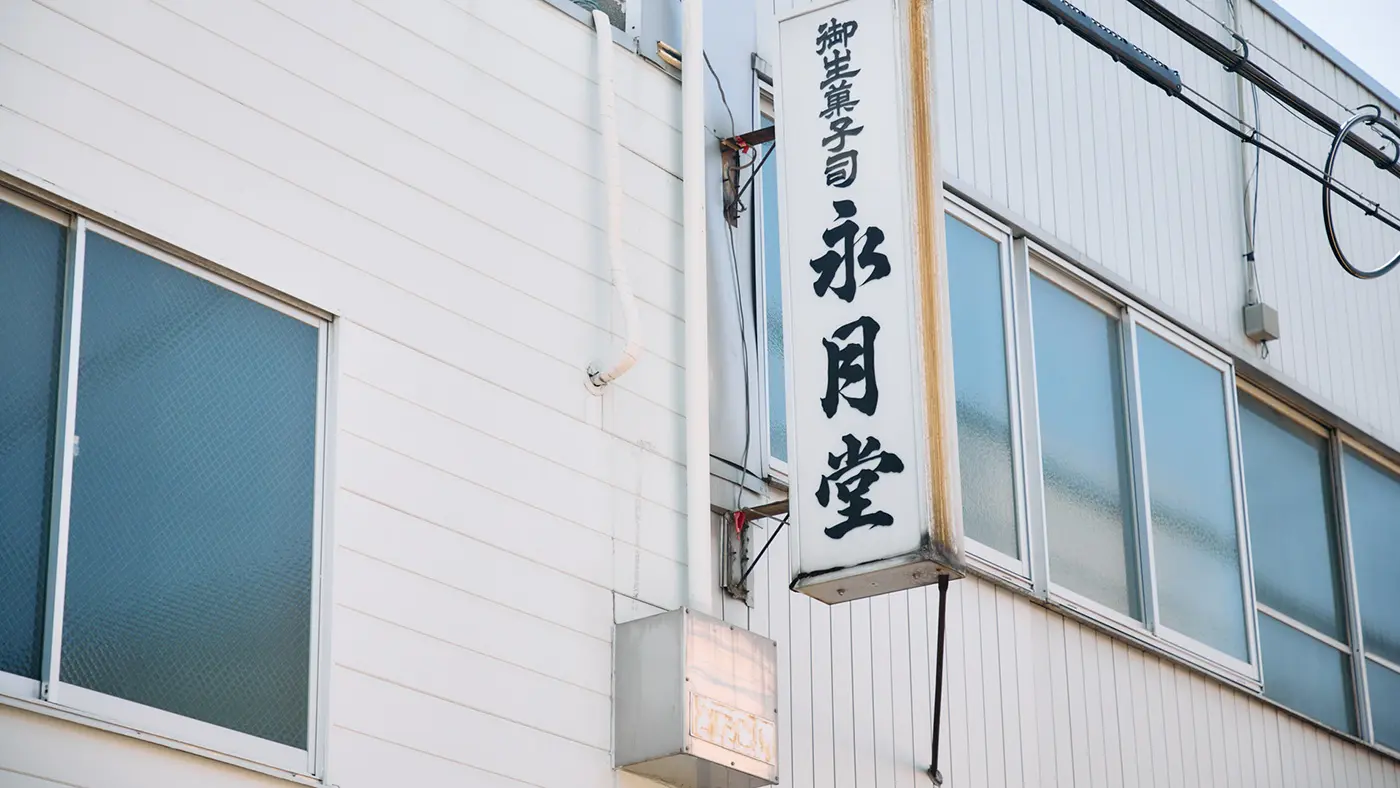
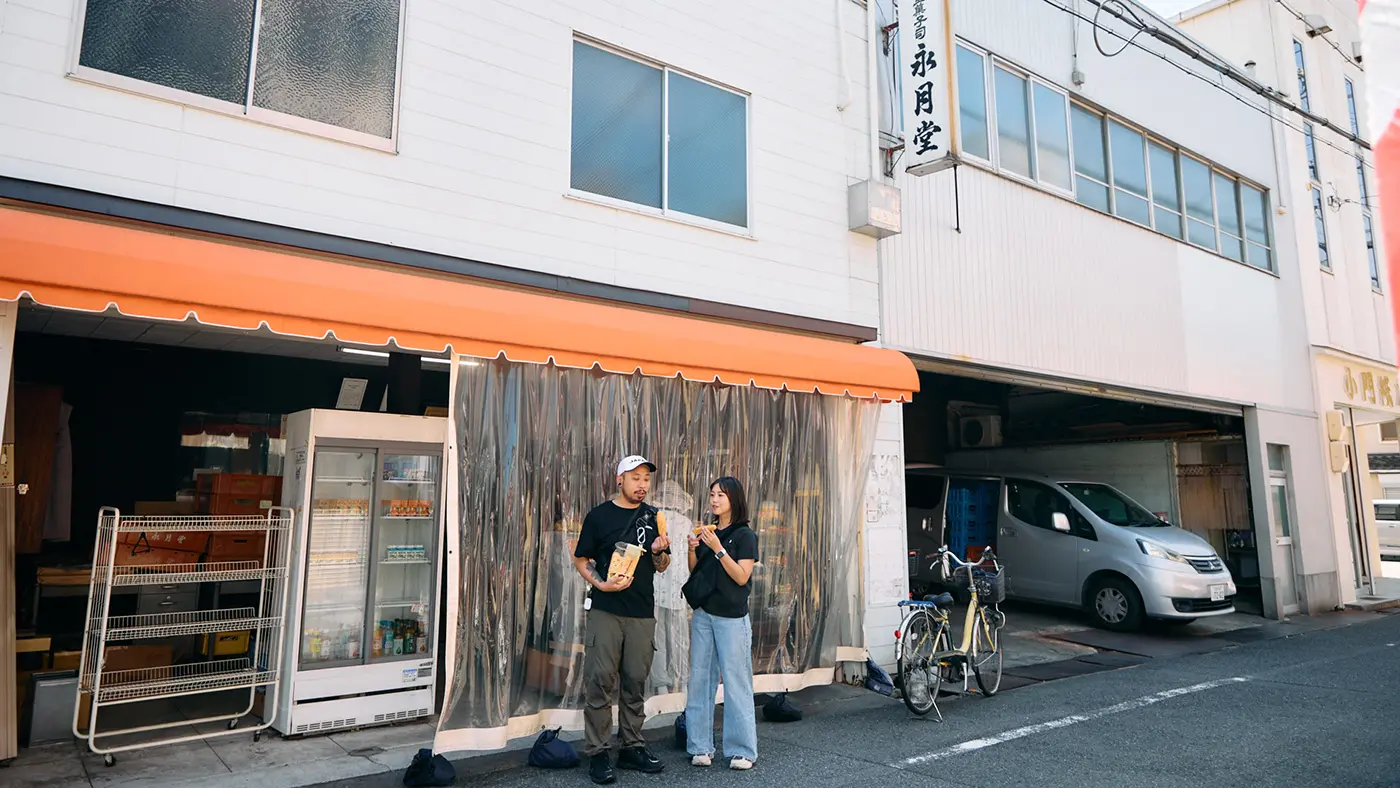
A 10-minute walk from the station will take you to Eigetsudo, a bakery beloved by locals that was founded as a Japanese confectionery shop in 1855.

The shiny, polished showcase is lined with freshly baked bread made in the store's workshop. "It all looks delicious!" the two say amicably.

While I was distracted by the many breads on offer, I picked up Eigetsudo's signature dish, "Coffee Land." This simple French bread baked with only yeast, flour, water, and salt, and sandwiched with homemade coffee cream, is a popular product that has been a Kishiwada specialty for over 30 years.
The slightly sweet and gentle taste of coffee cream. The saltiness of the French bread goes well with the sweetness of the cream, making it very delicious. It comes in a pack of 5, so it's perfect for sharing between two people!
A journey through the storied history of the Kishu Kaido (a traditional travel route from the Edo period), which once connected Osaka and Wakayama
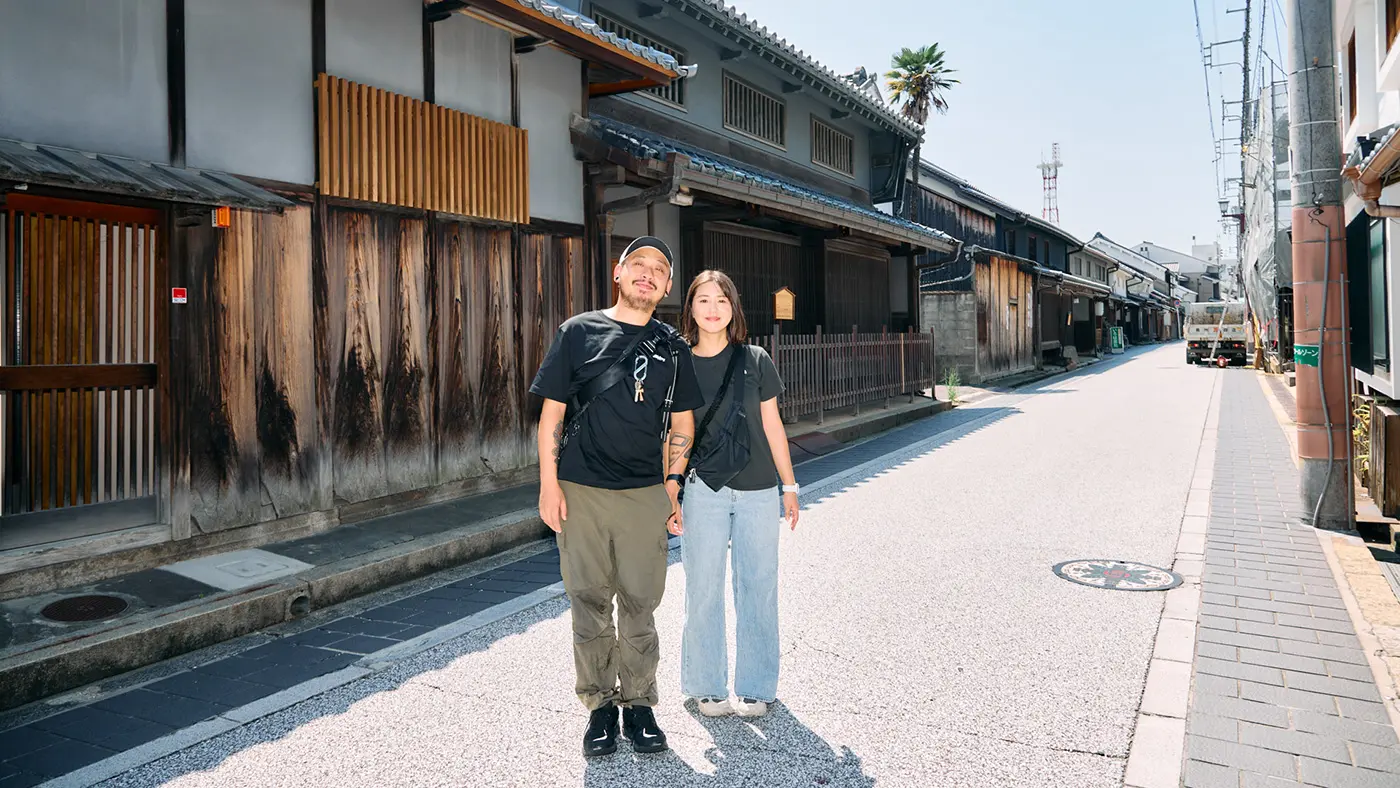
After satisfying their hunger at Coffee Land, the pair set off towards Kishiwada Castle along the Kishu Kaido, which connected Osaka and Wakayama and was built as a route for daimyo to commute to Edo (modern day Tokyo) during the Edo period(1603 to 1868).
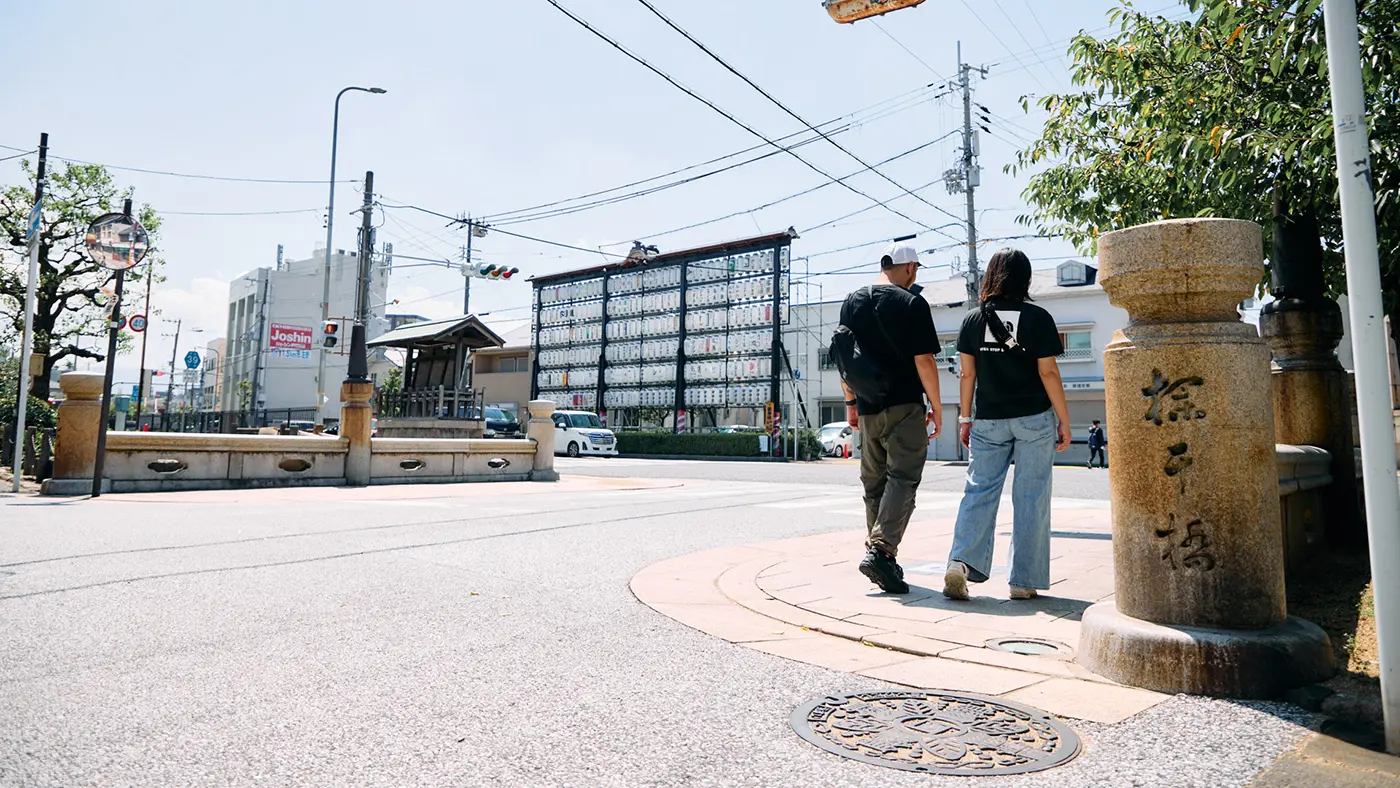
As you walk along the road, you'll come across a magnificent stone pillar. It is the main pillar of the "parapet bridge" that spans the now filled-in Kojo River, and is a stone bridge that appears in travelogues from the Edo period. It is said to have inspired the pride and affection of the local people, and was the model for the city emblem of Kishiwada City.
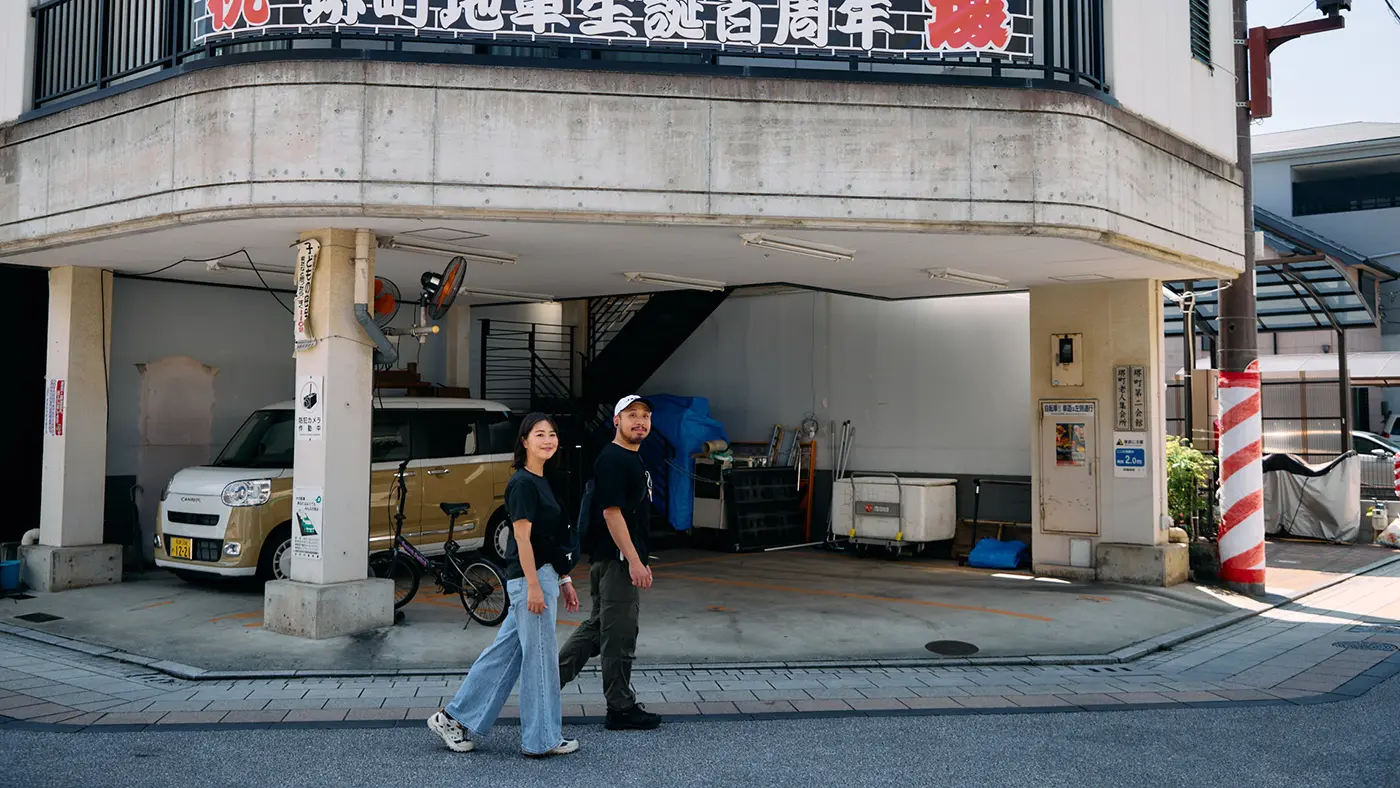
The highlight of the Danjiri Festival is the spectacular "Yarimawashi" where the floats turn at right angles around corners of the road without slowing down. As we walked along the famous S-curve street, a viewing point, Fujiko was amazed, saying, "I can’t believe such a massive Danjiri float can race through this tight curve!"
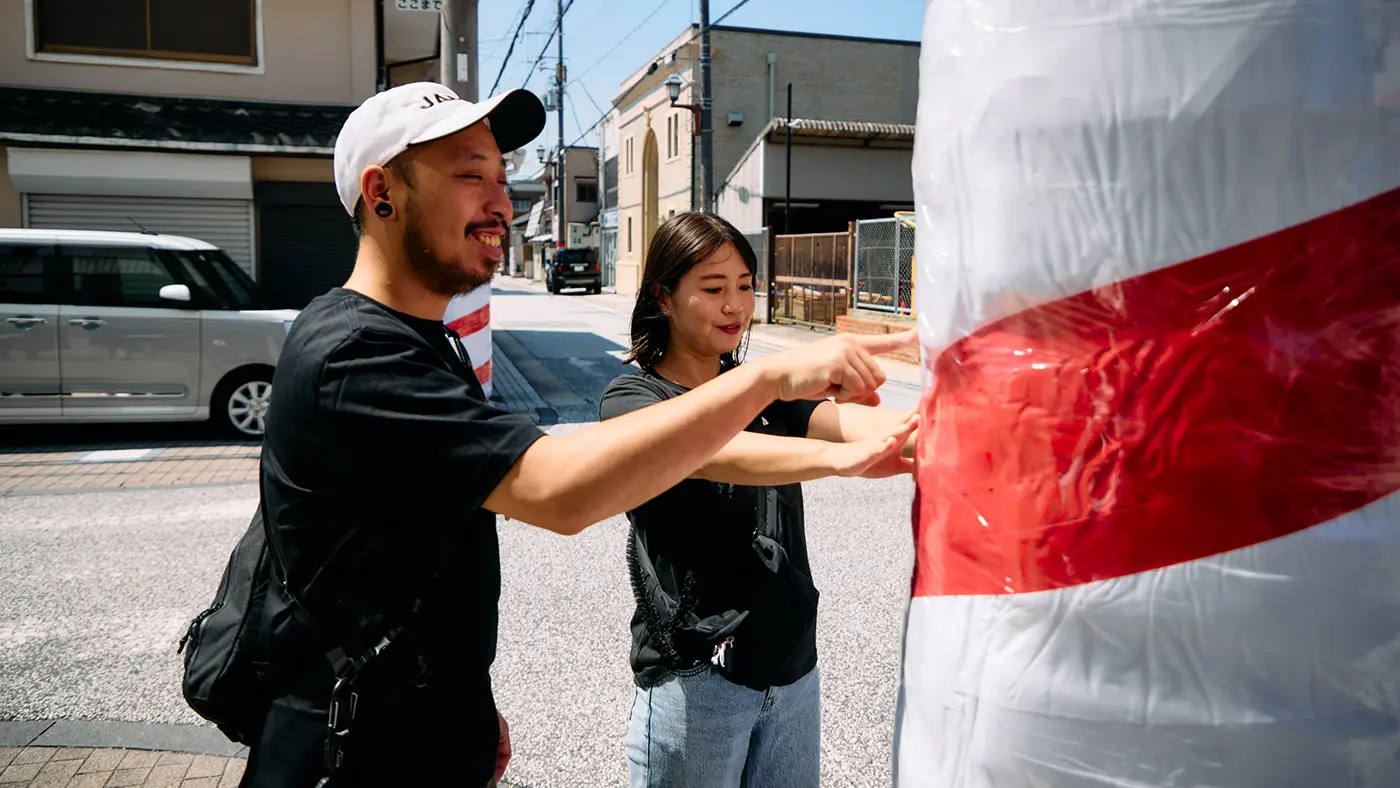
As you walk along the Kishu Kaido, lined with townhouse architecture from the Edo to Meiji periods—complete with ornate roof tiles and latticed windows—you can almost imagine life back then. It truly feels like stepping back in time.
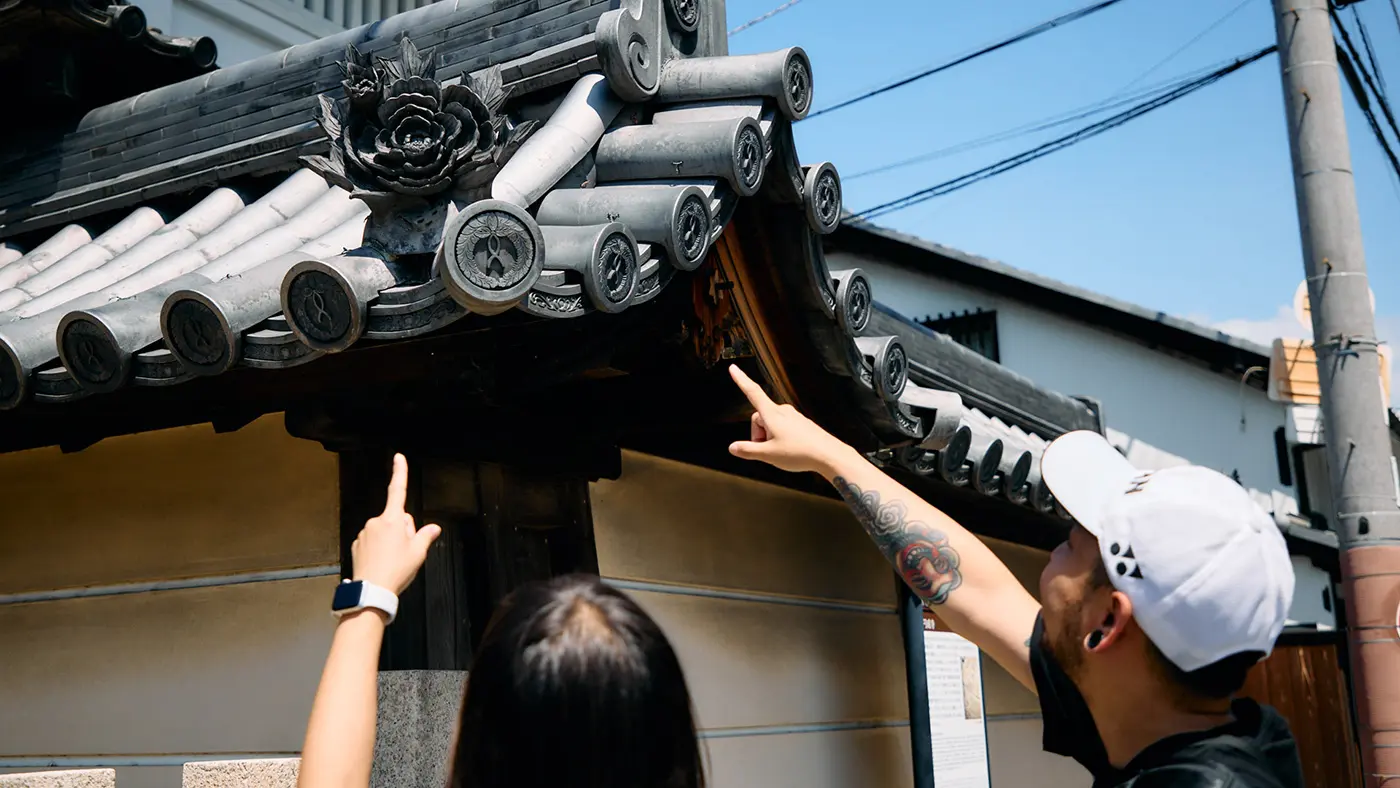
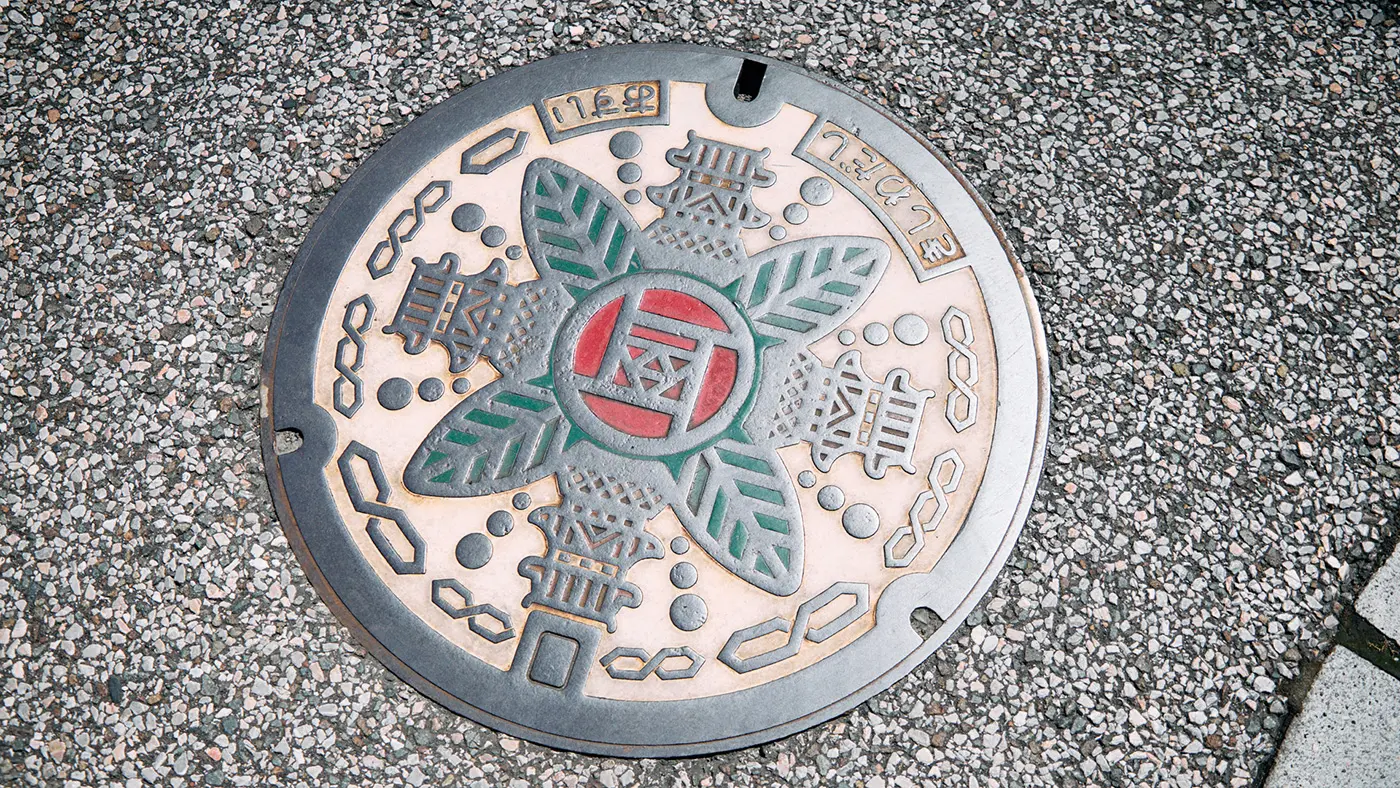
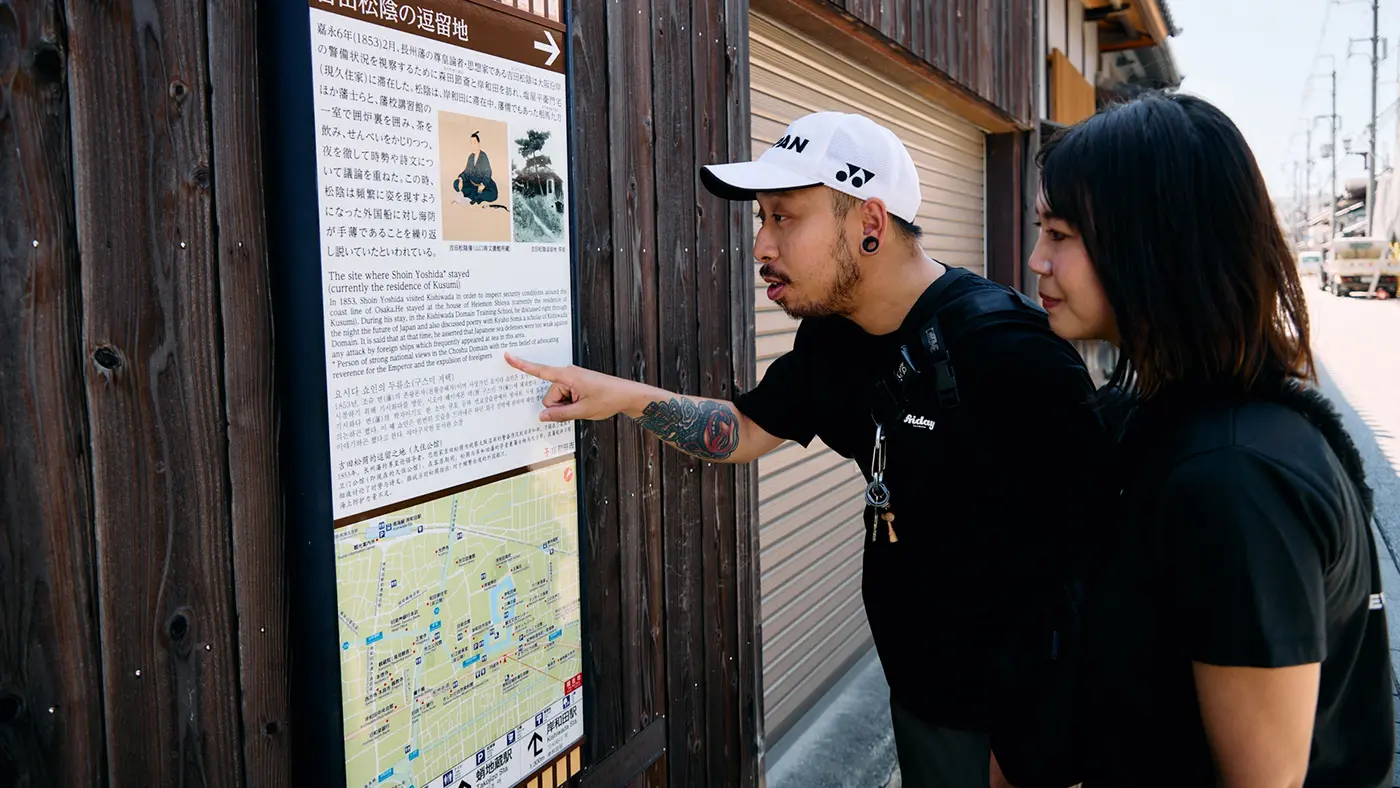
I'm still not very knowledgeable about Japan, but I was moved to think that samurai used to walk along these streets, and the townscape is historical and charming. The guide signs were in various languages, so even I, a Hong Konger, enjoyed it.
Experience the history and panoramic views of Kishiwada Castle, the town's symbol
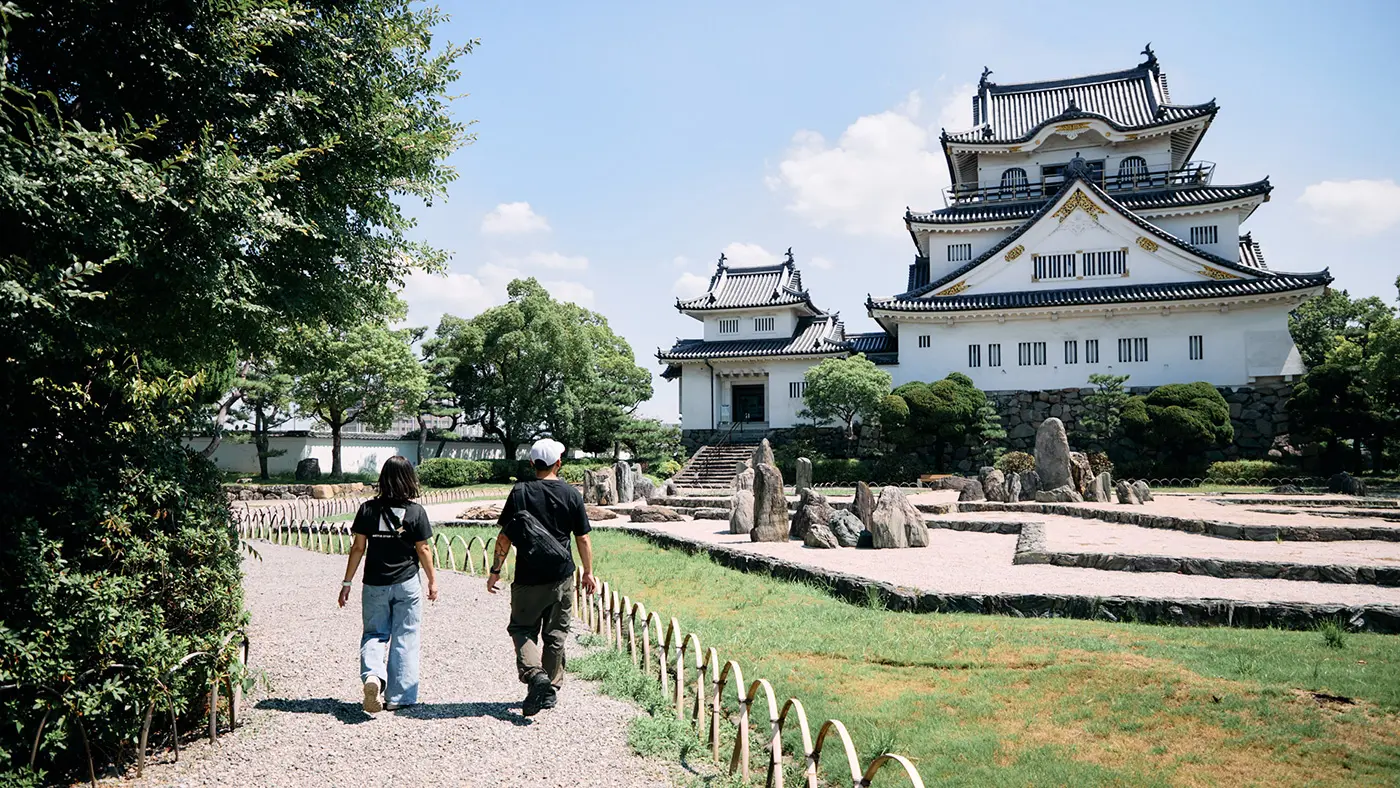
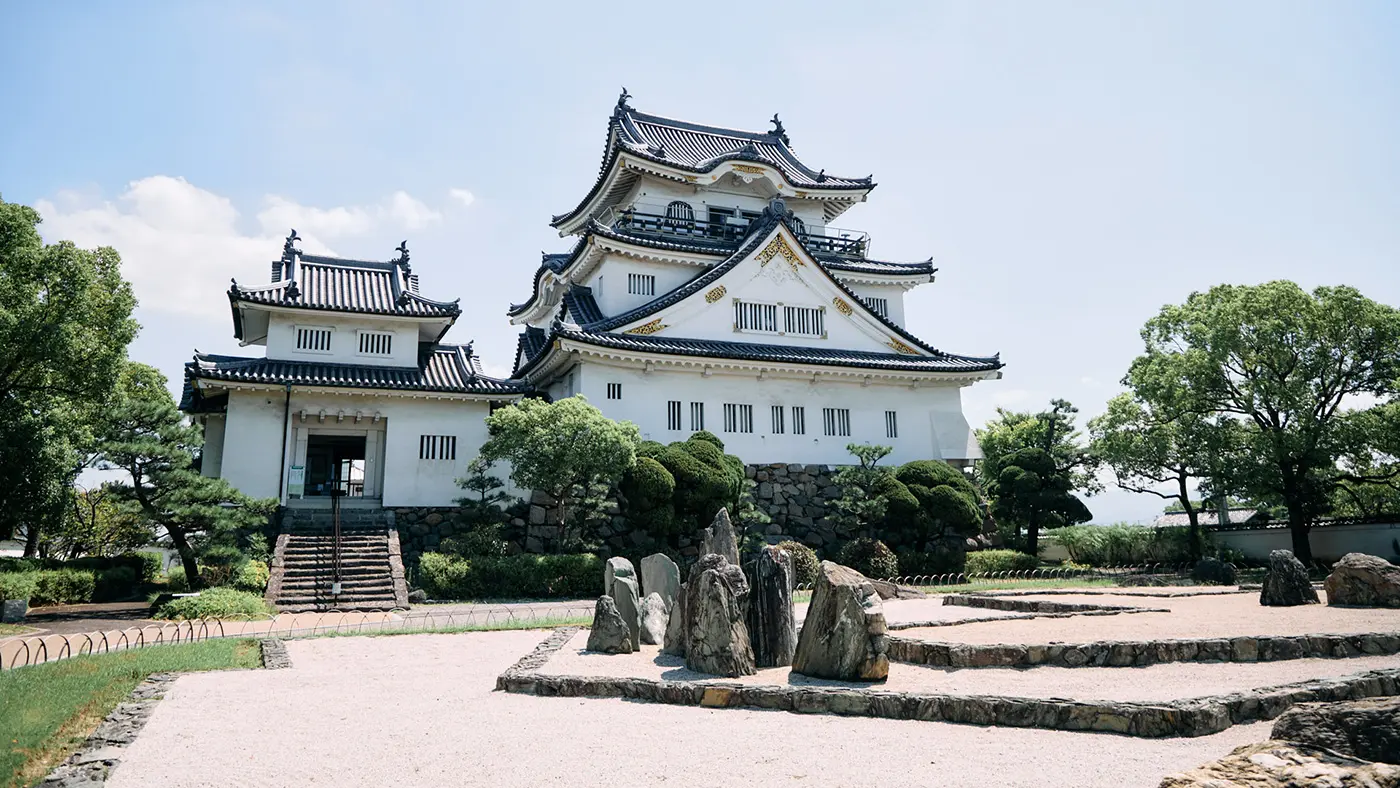
From the Kishu Kaido, we arrived at Kishiwada Castle, the symbol of the town. The castle tower was burned down by lightning in 1827. The current castle tower was rebuilt in 1954, and this year marks its 70th anniversary.
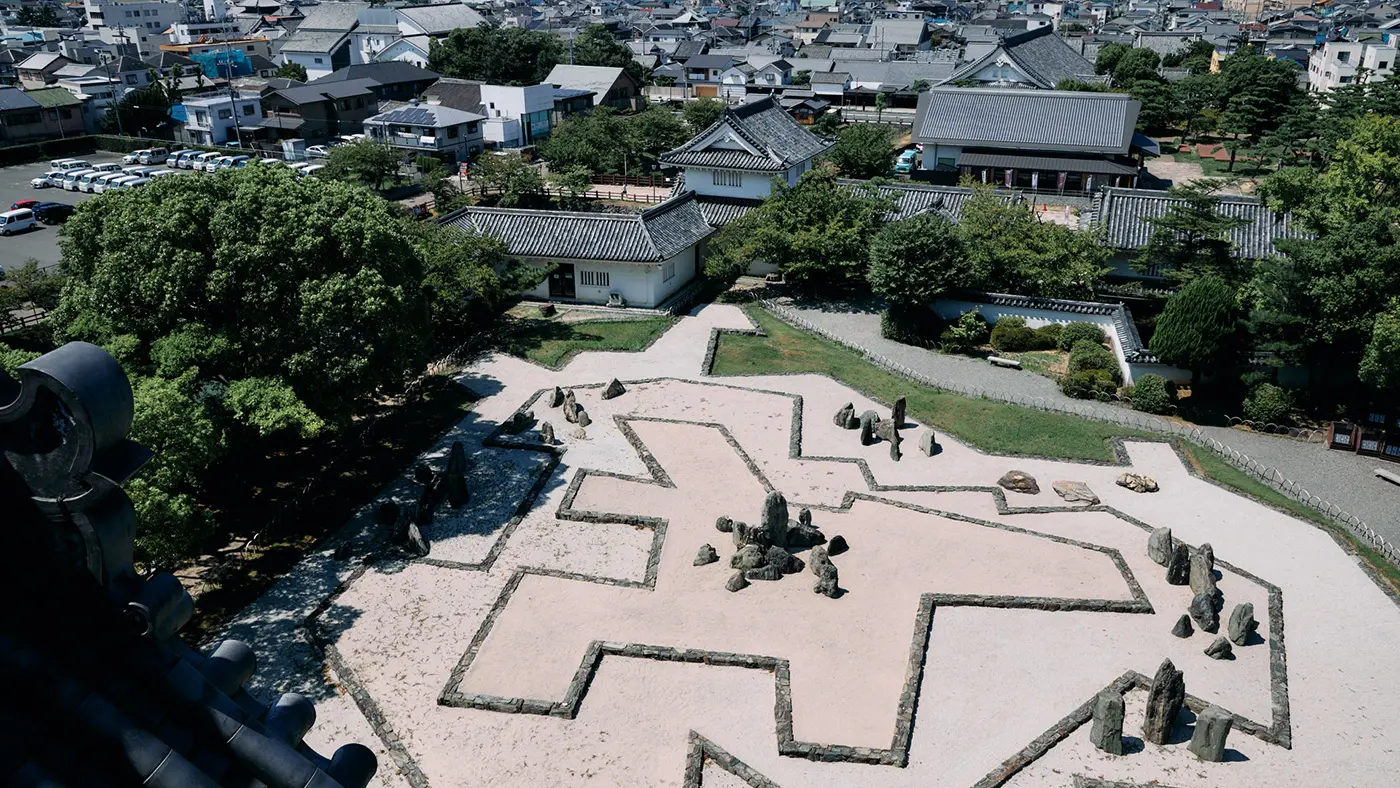
The magnificent garden was designed by Shigemori Mirei, a leading gardener of dry landscape gardens. It has been designated a national scenic spot for its artistic merit and academic value in the history of modern Japanese gardens.
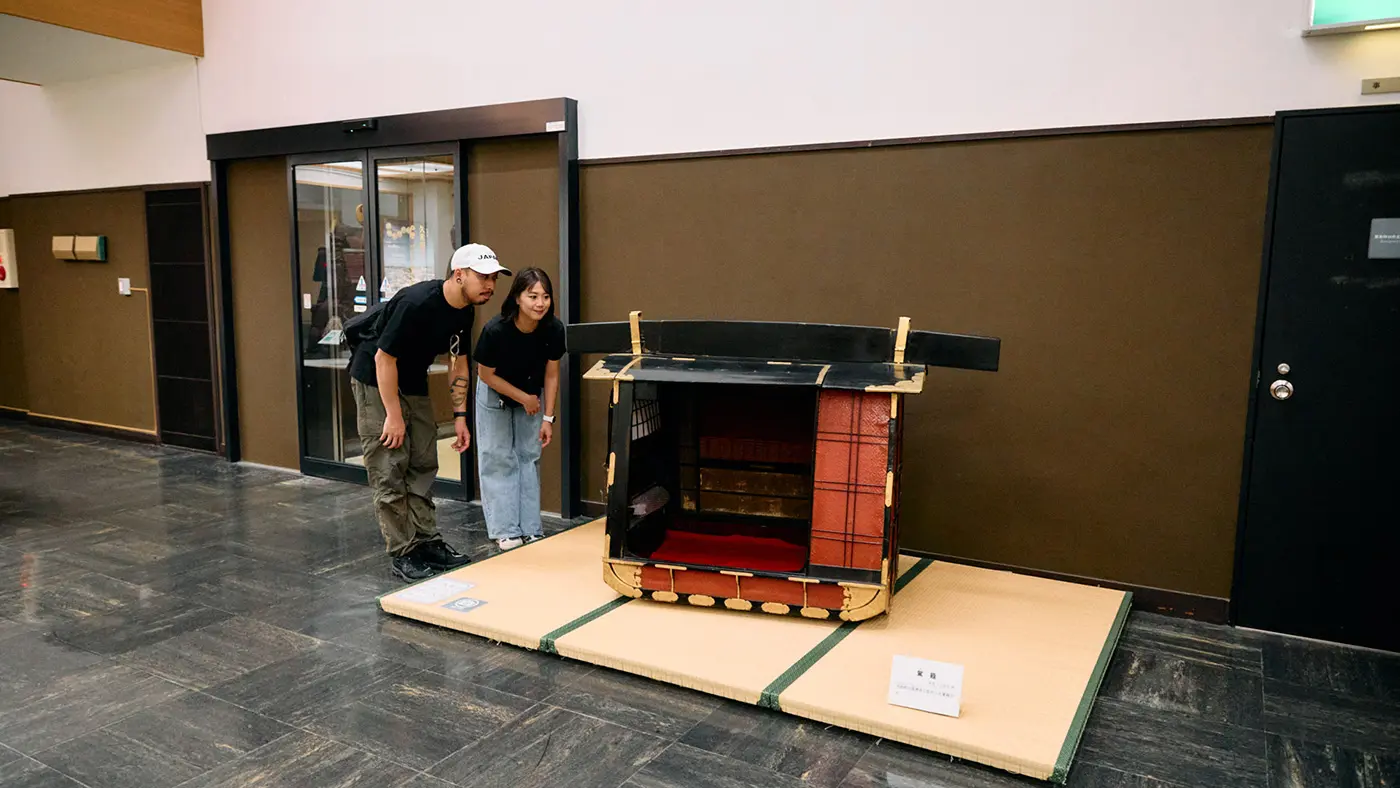
There is much more to see besides the gardens. Materials related to the Okabe clan, who were the lords of Kishiwada, as well as historical materials excavated from various parts of the city are on display.
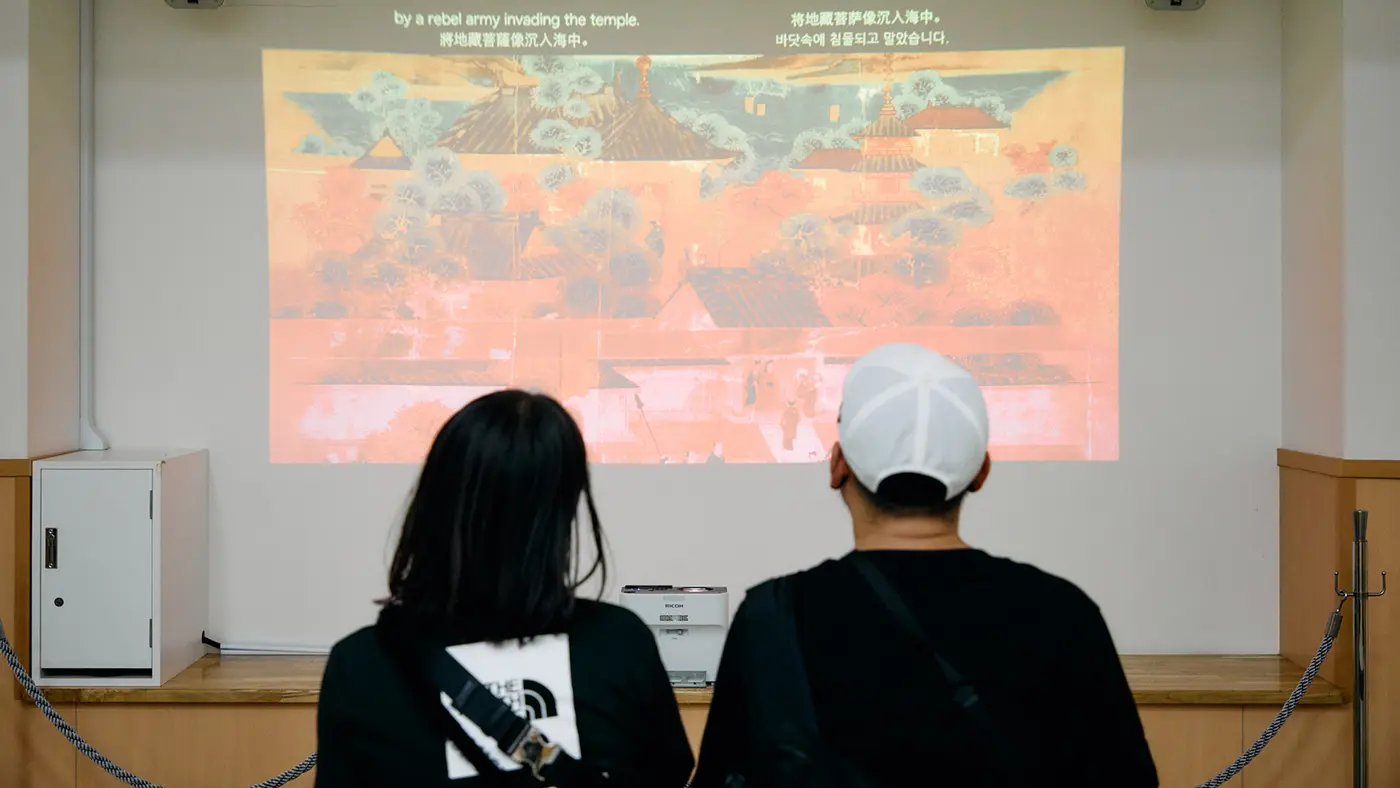
A screening of the 'Tako Jizo Legend,' a traditional Kishiwada folktale, is also available. In addition, a multilingual audio guide explains the history of Kishiwada Castle and its transformation over time—making the experience accessible to international visitors.
(Related article:You shouldn't eat octopus...? I got off at Tako-Jizo Station for the first time, where there are mysterious customs you wouldn't expect to find in Osaka (Kishiwada City) [Reportage Manga])
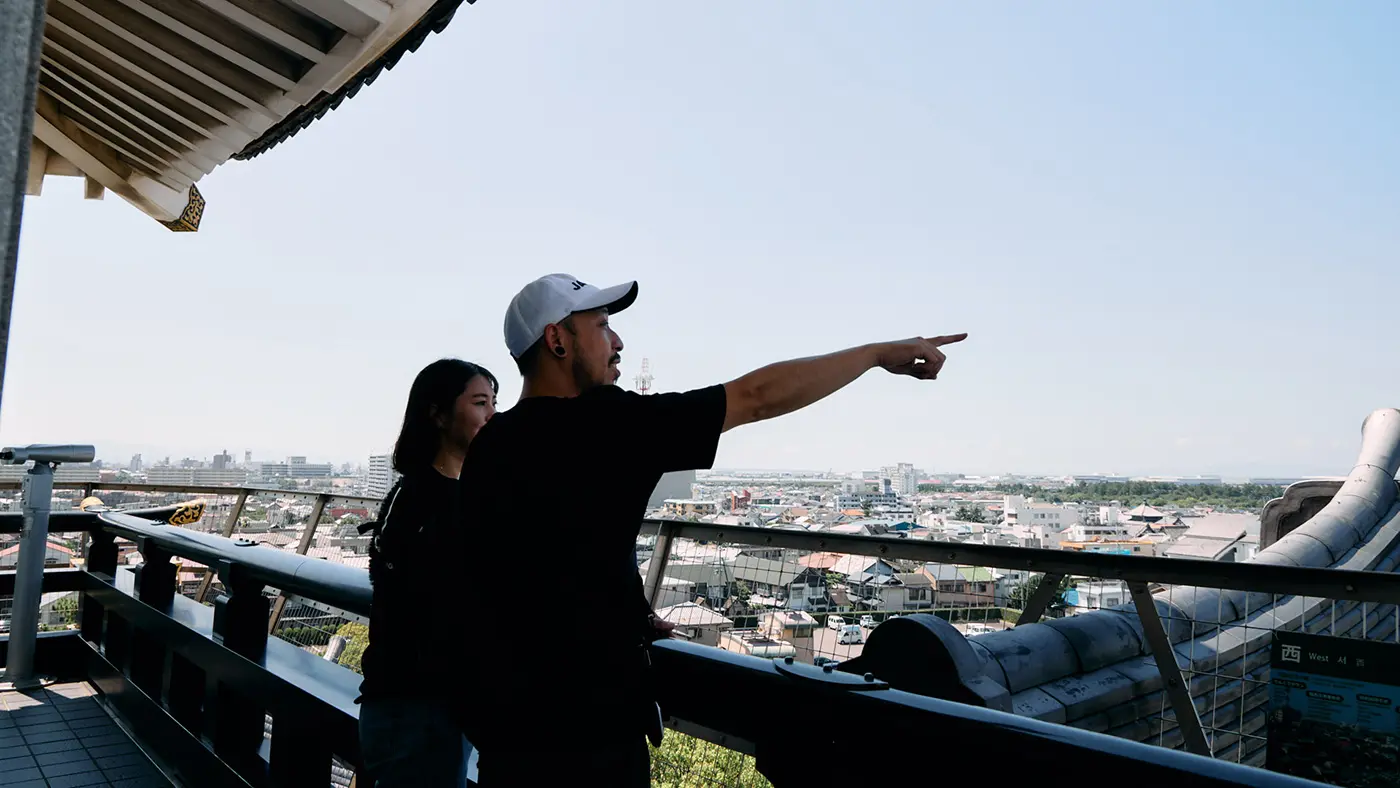
From the castle tower, you can enjoy a 360-degree panoramic view of no Tongly the streets of Kishiwada city, but also Osaka Bay and the mountains of Kobe. The spectacular view will make you feel like a feudal lord.
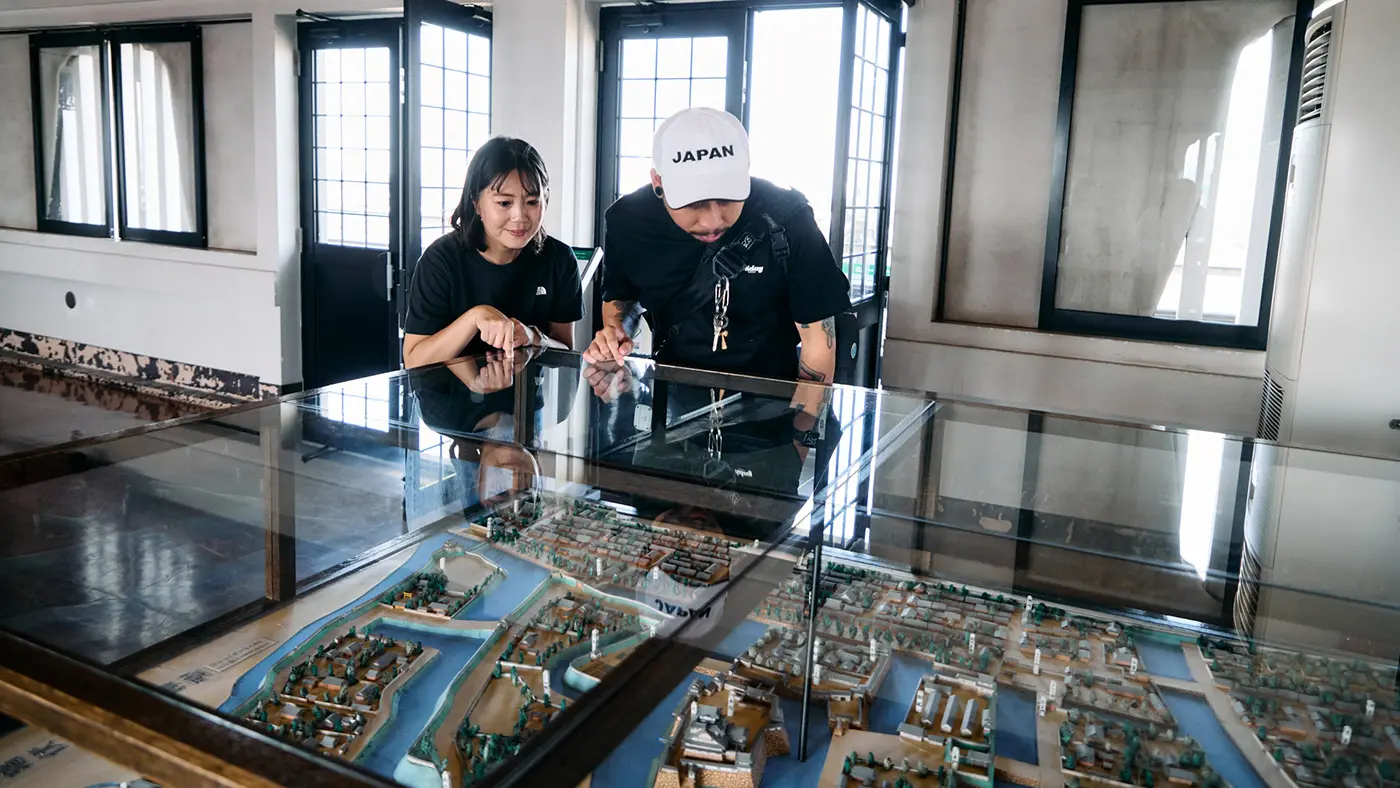
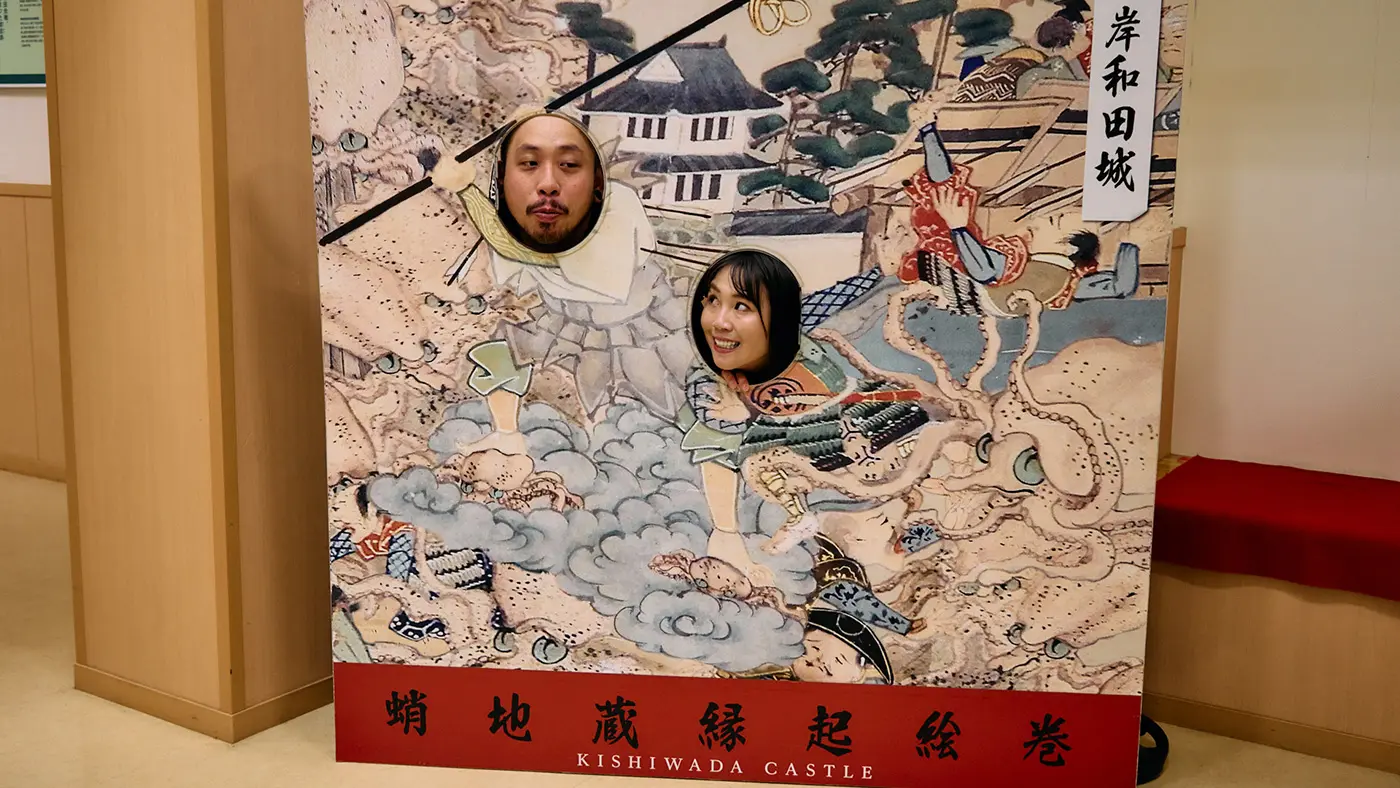
The view from the castle tower was breathtaking—it really hit me that this is where a feudal lord once stood. The exhibits are well-curated and easy to follow, so even if you're not a history buff, you'll still enjoy them.
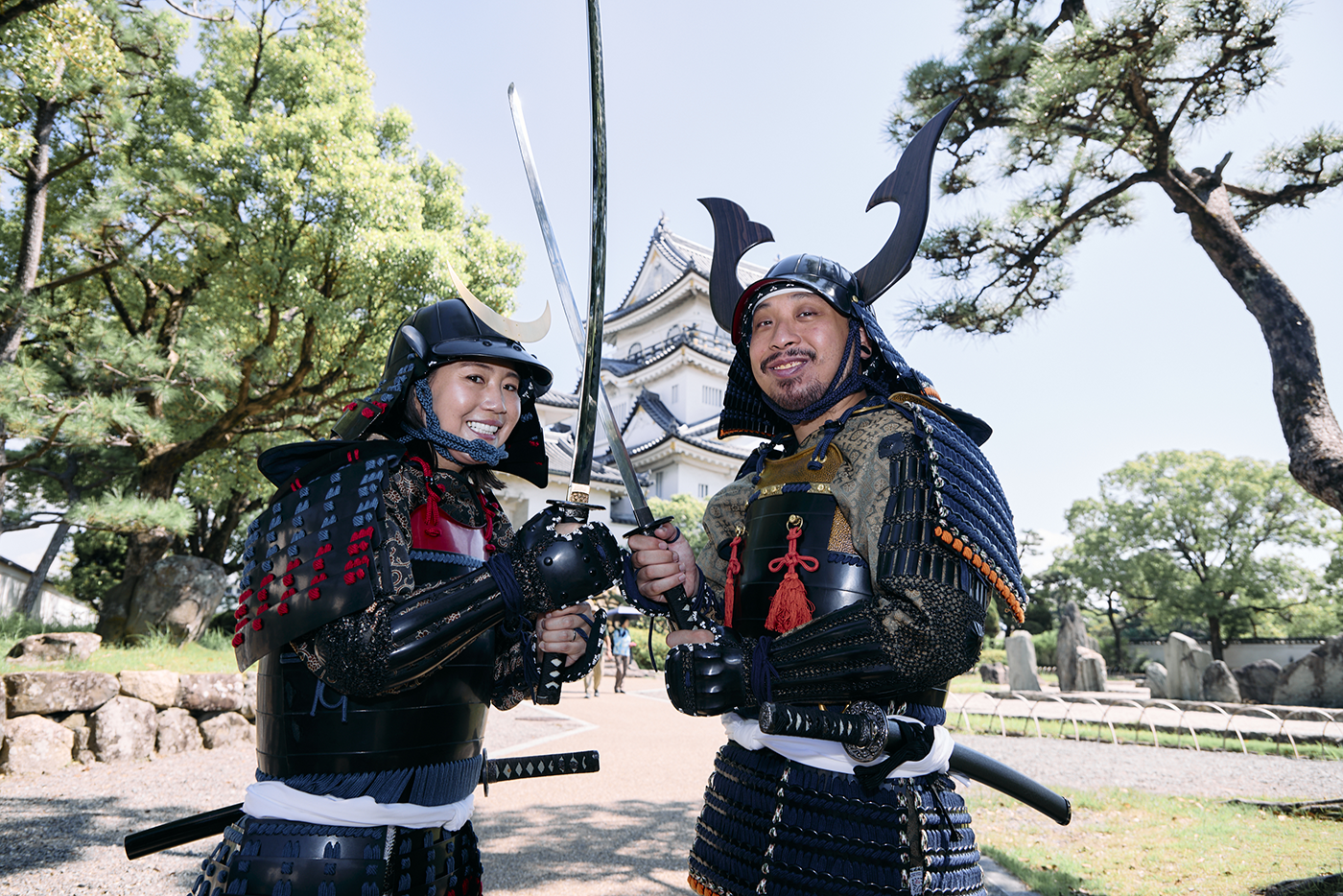
Walk around the castle wearing realistic Samurai armor. Take a memorable photo with the armor experience.
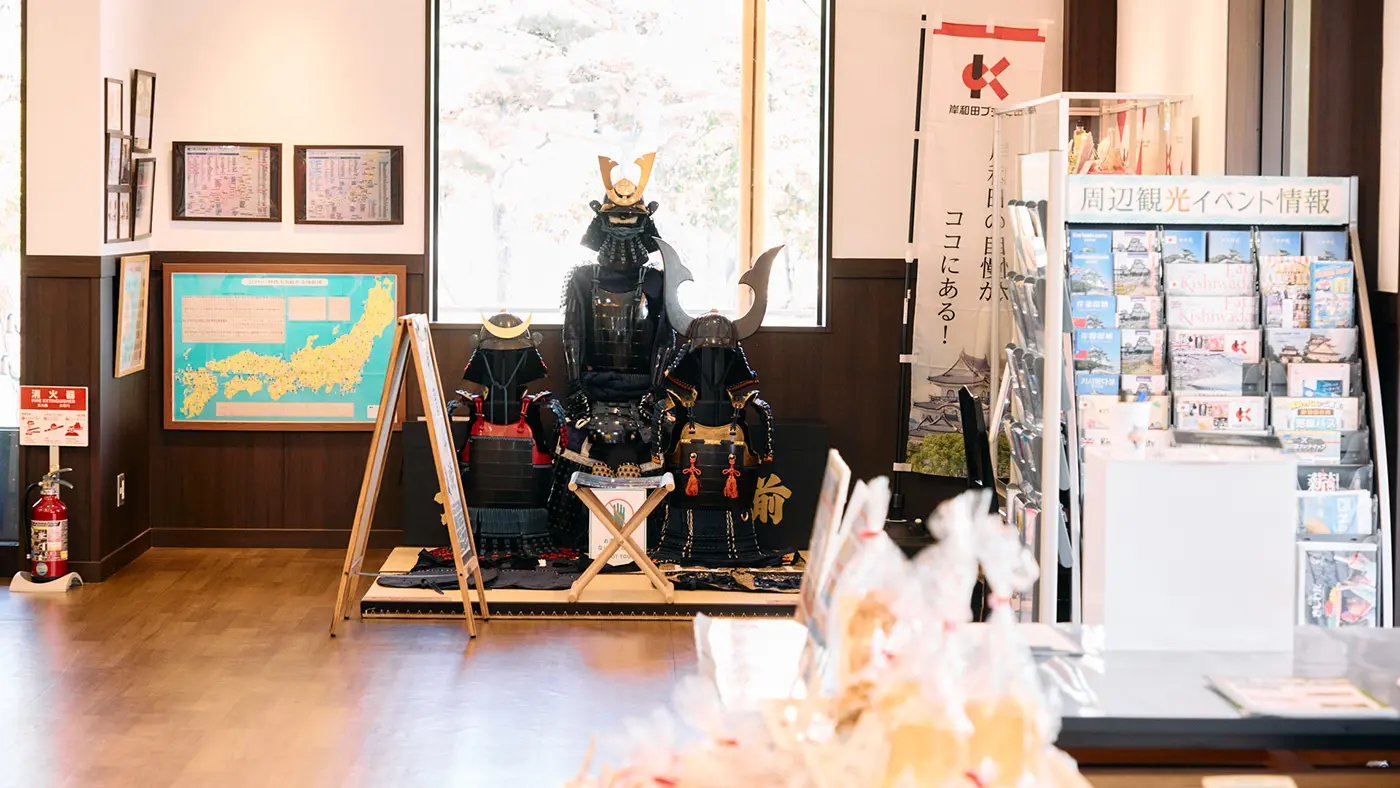
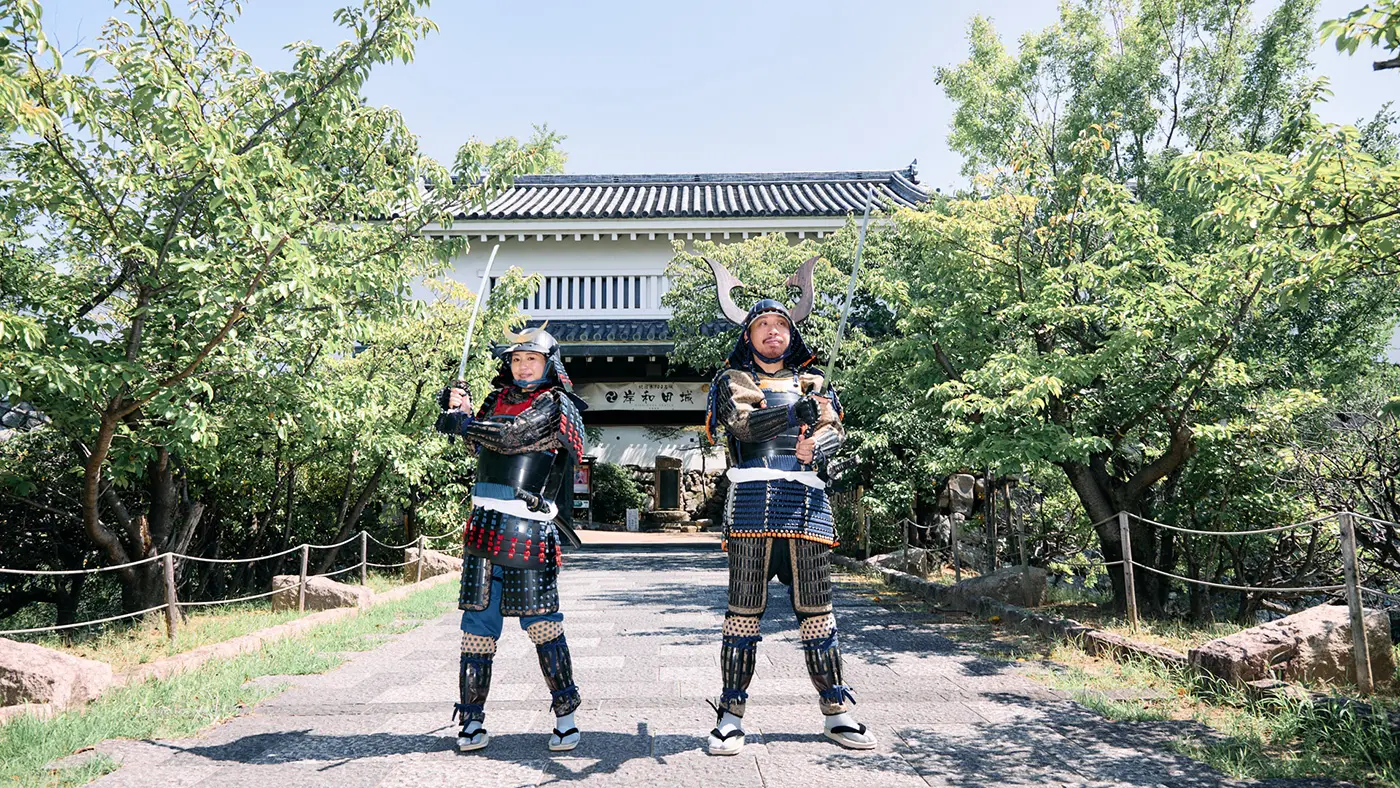
The Tourist Exchange Center on the Kishiwada Castle grounds has a cafe space where you can take a break. The armor on display there can also be worn by the two of them, so they decided to give it a try.
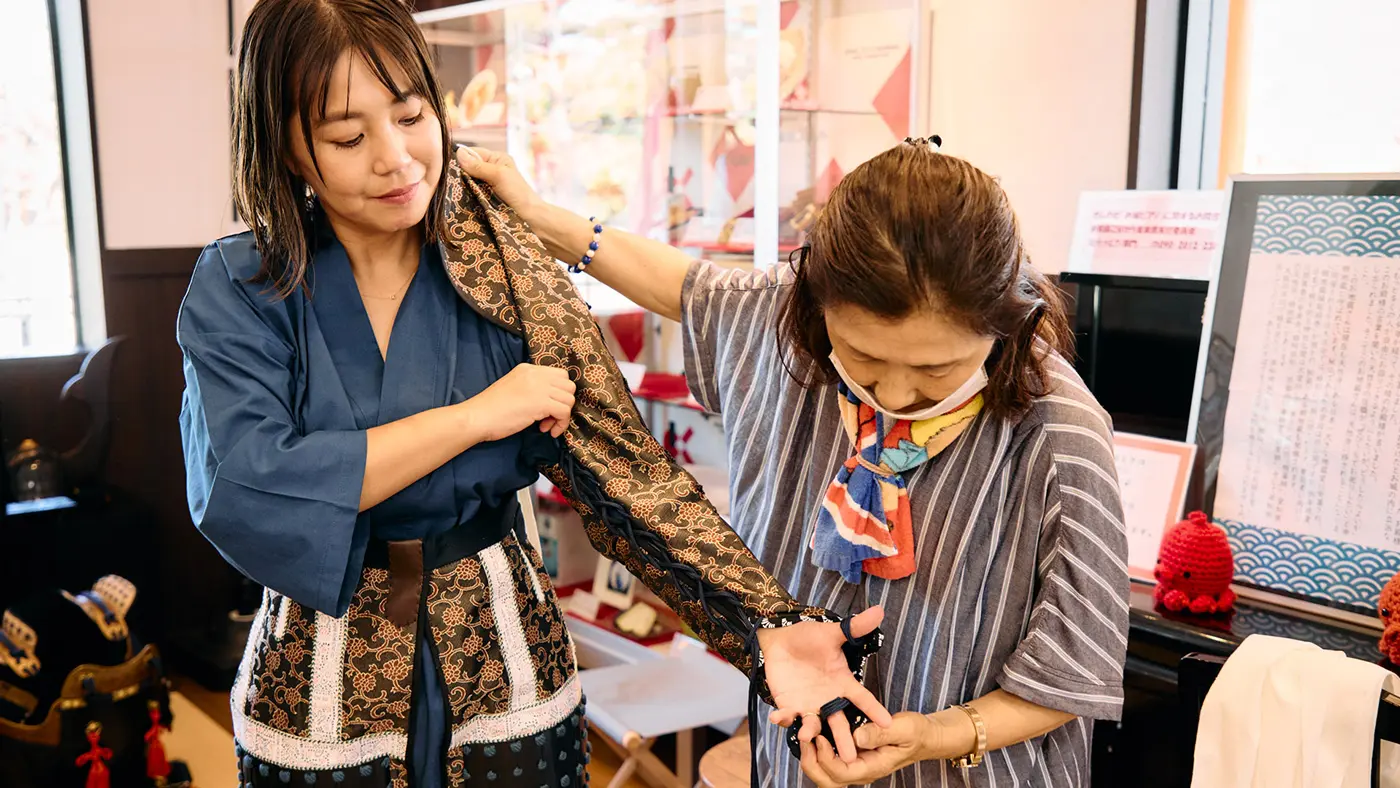
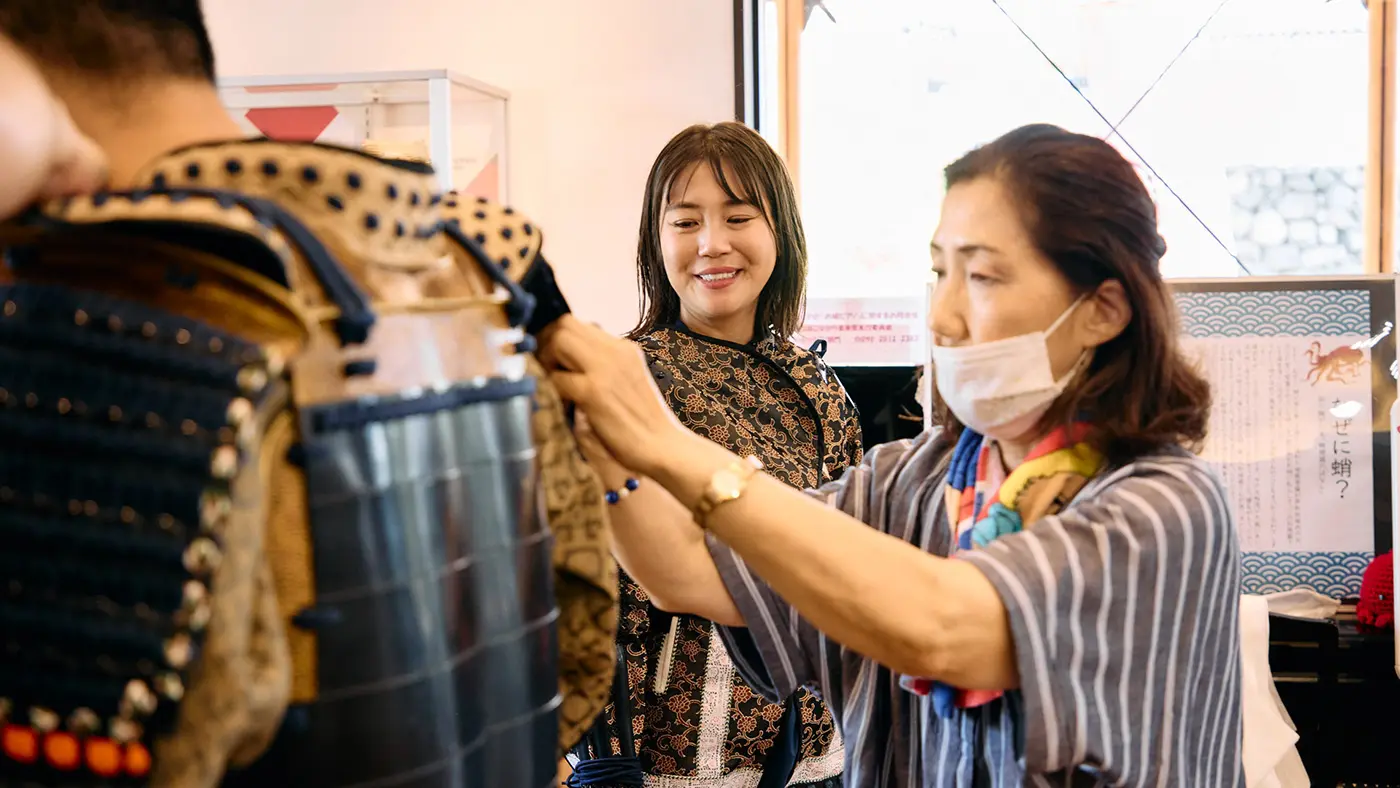
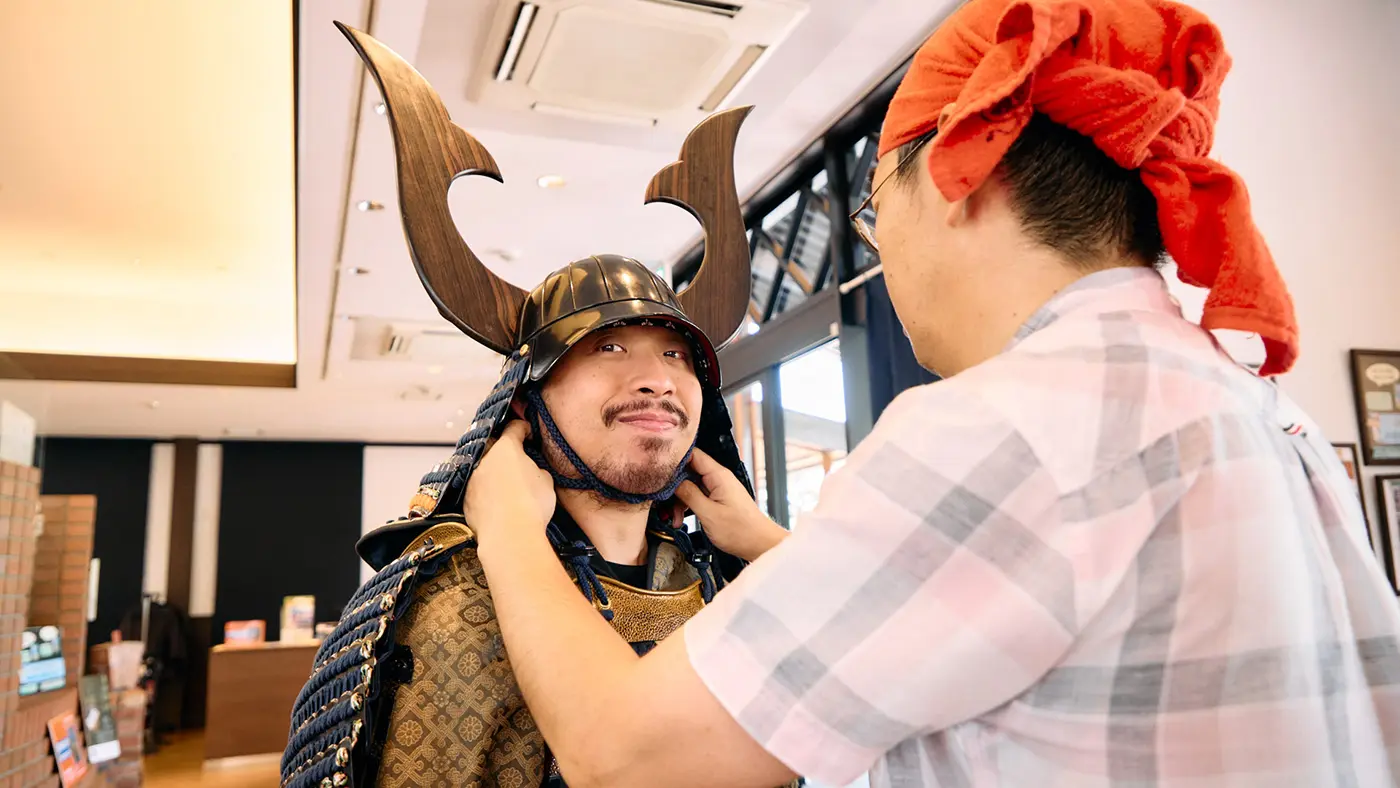
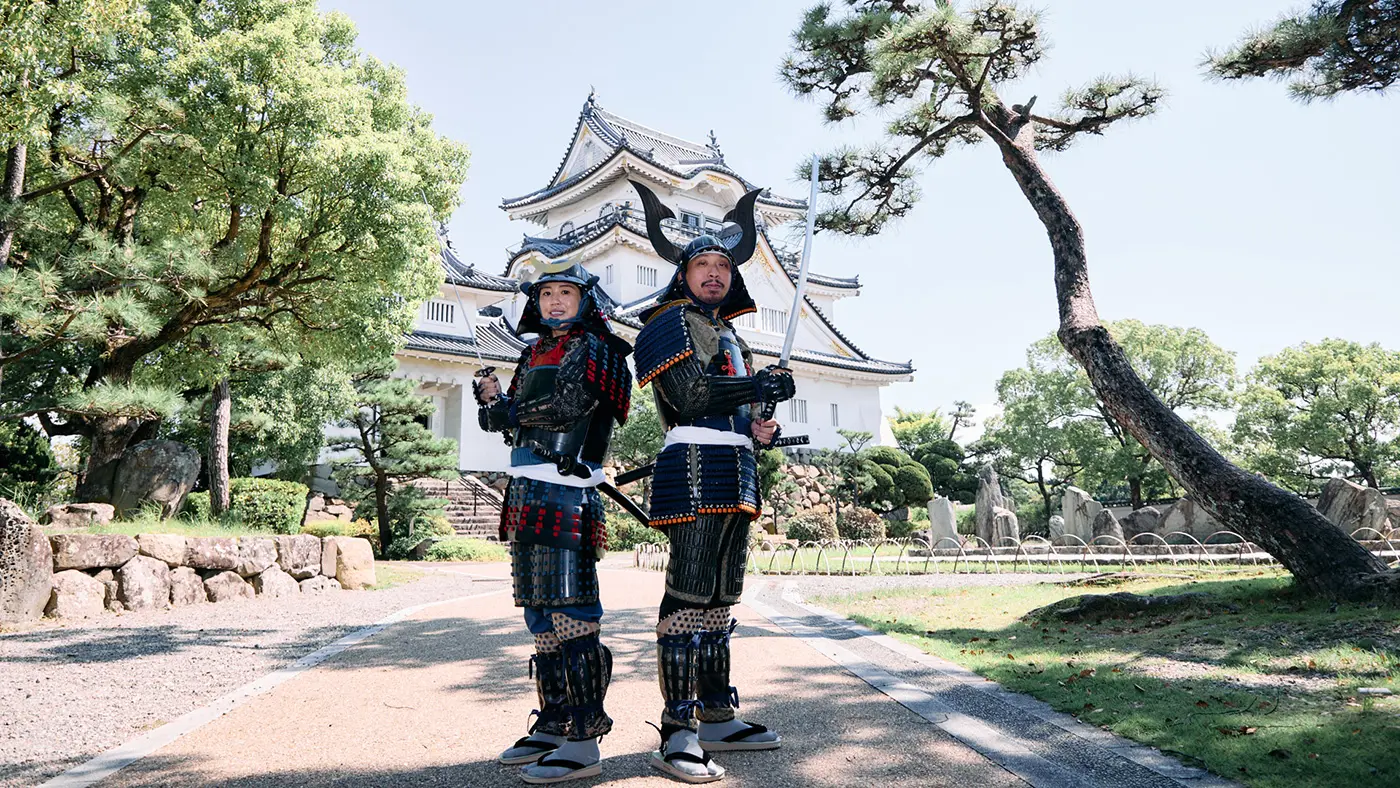
The armor is custom-made and is the same type of realistic armor that is used in filming. If you put on the armor and stroll around the grounds, you'll feel like a Sengoku warlord. Taking commemorative photos with the magnificent castle in the background will be an irreplaceable memory.
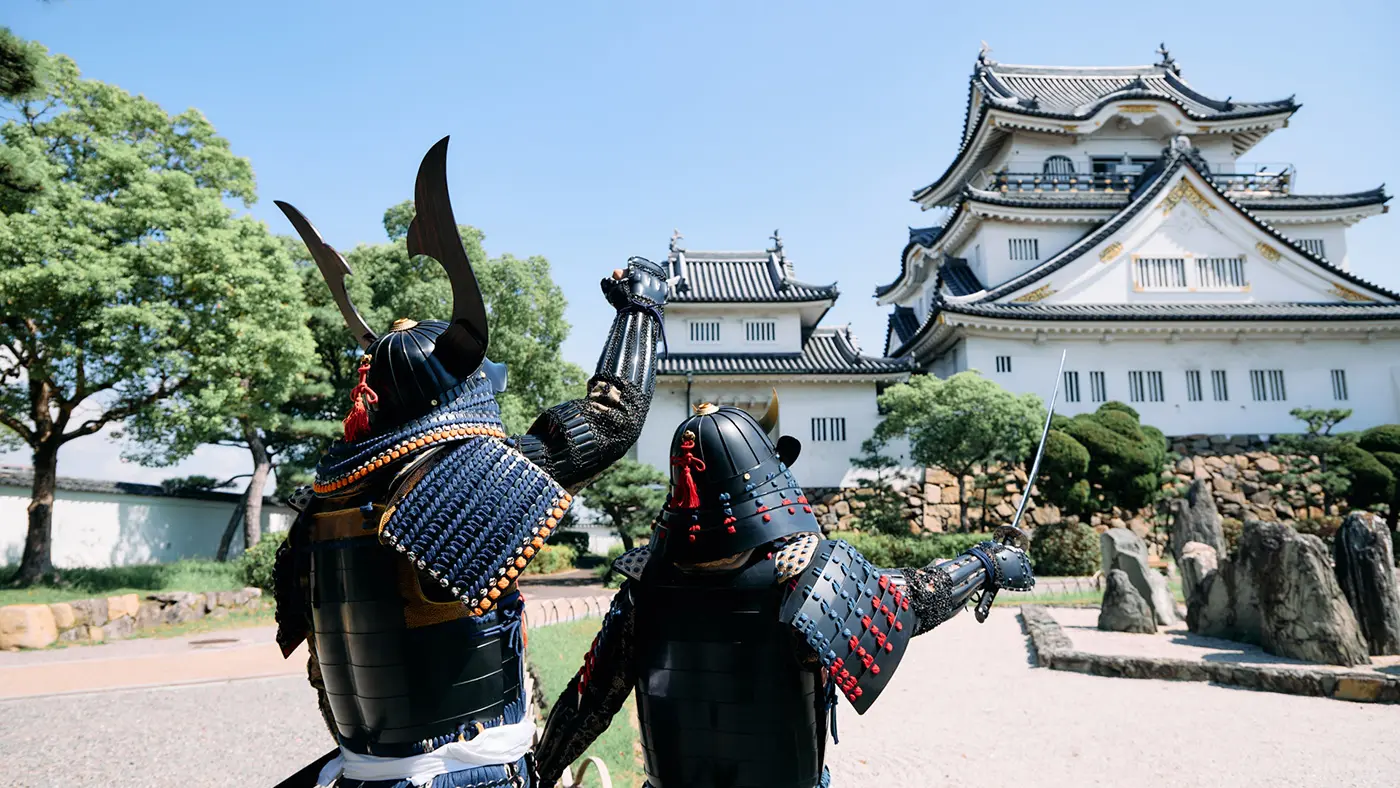
Japanese samurai are really strong, fighting while wearing armor that weighs 15 kilograms! The armor at Kishiwada Castle is a realistic replica, so it's not that heavy. These photos have become great memories!
End your walk around town at Kofuan, where you can enjoy a meal while watching the Noh stage.
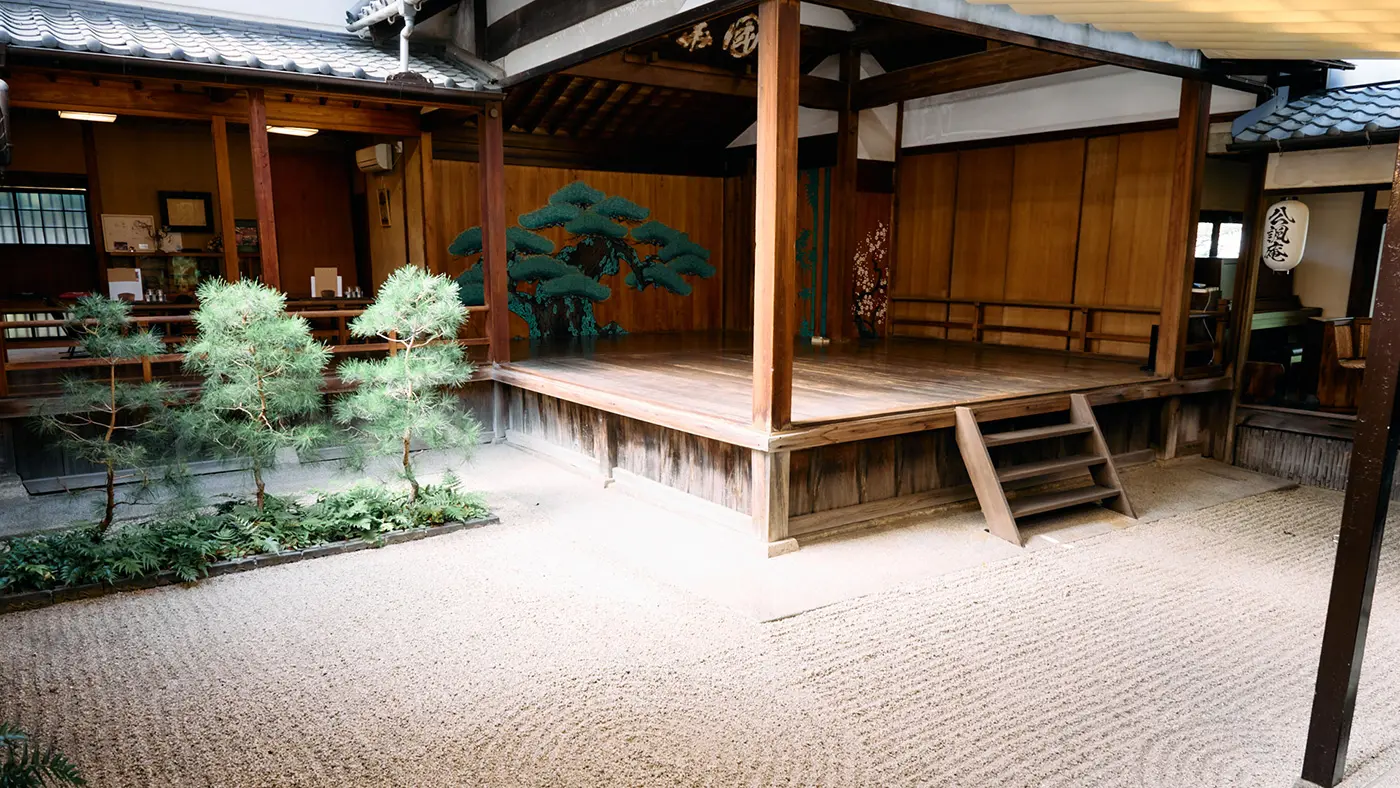
For lunch, we went to "Kofuan," where you can enjoy your meal right in front of the Noh stage. This restaurant occupies the Sugie Noh Theater, Osaka's oldest Noh theater and a registered tangible cultural property.
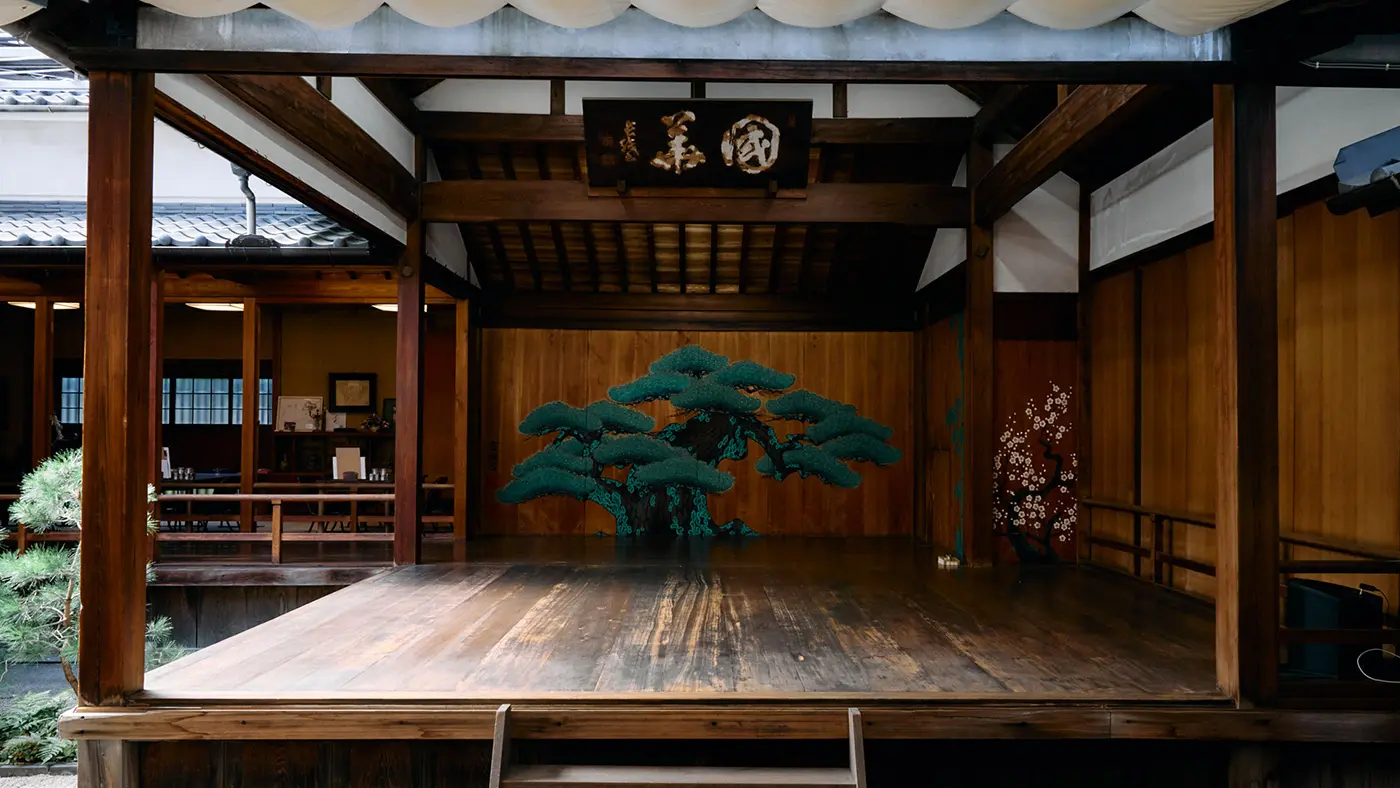
When you step inside the restaurant, you'll see that the tables are arranged around a Noh stage, modeled after the shape of the National Treasure Noh stage at Nishi Honganji Temple in Kyoto. With the white reeds and pine trees planted in the ground in the front garden, you can fully experience the openness and good old Japanese wabi-sabi aesthetic.
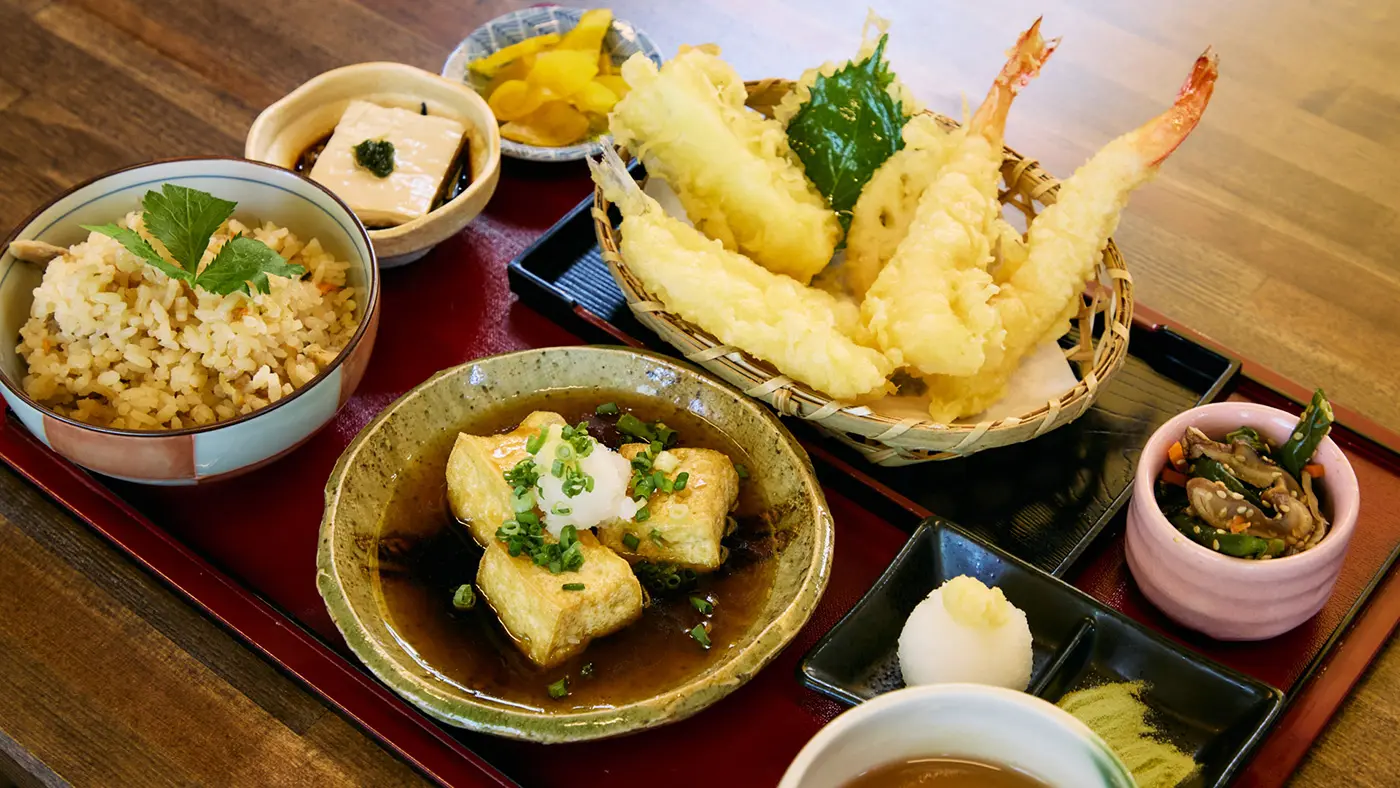
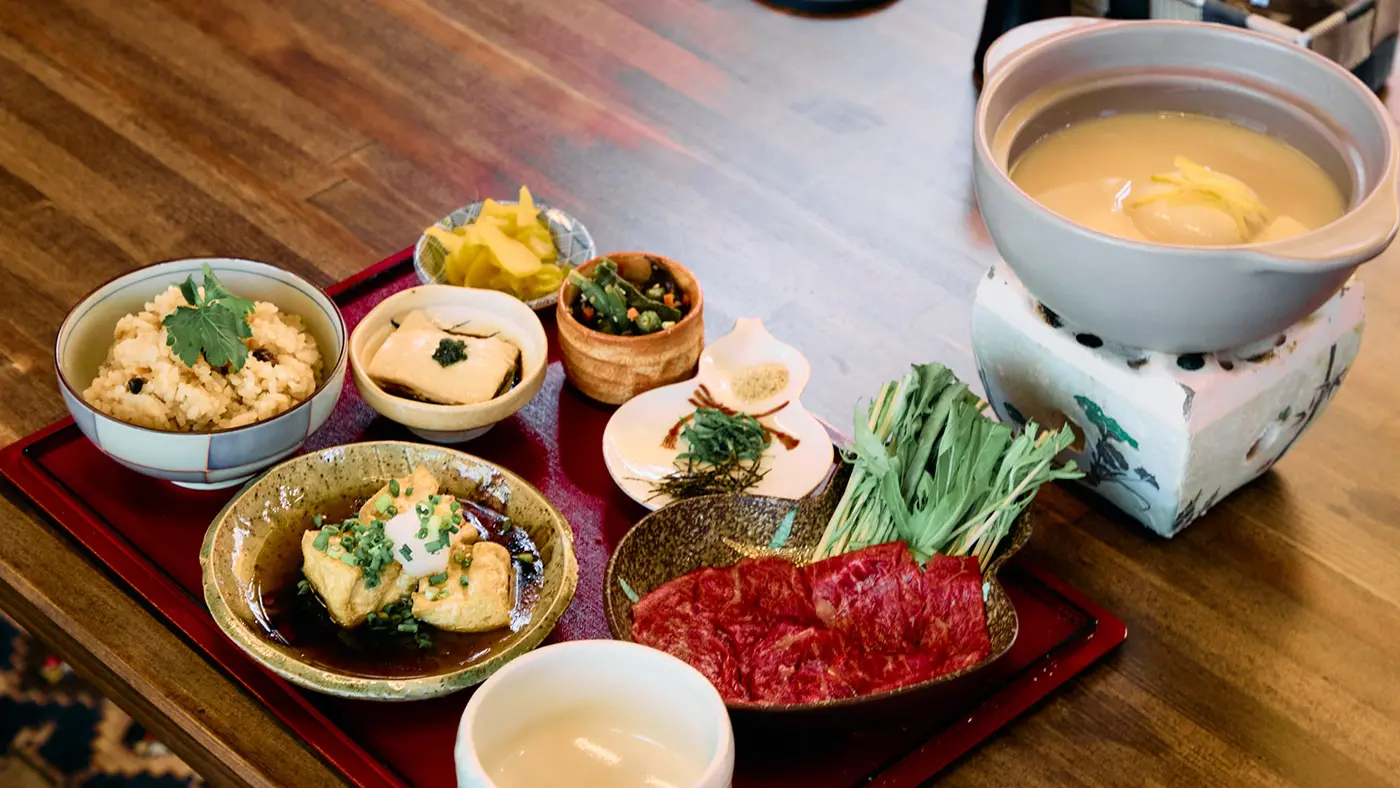
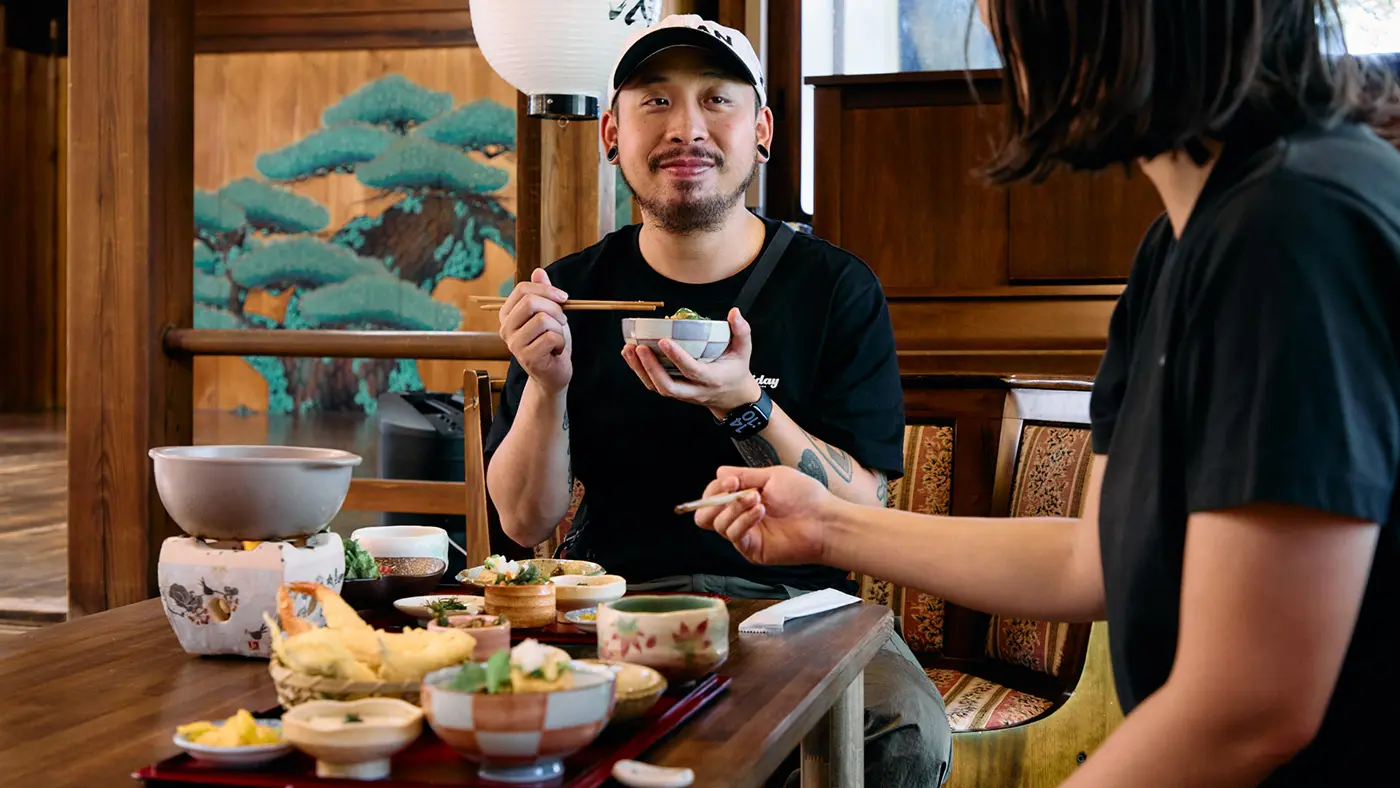
In addition to the Noh stage, the restaurant has a great atmosphere, with the view from the windows, a garden, and Japanese art such as Noh masks. There are also plenty of desserts and cafe menus, so you can also use it as a café. Sharing a relaxed meal while reflecting on the day’s stroll is the perfect way to end your visit—with smiles all around.
It was a wonderful experience to enjoy a meal while watching the Noh stage, which is something you rarely get to see. The food was delicious—I left feeling full and happy. Next time I'd like to try the dessert!
Enjoy the charm of this historic castle town!
On this tour, we strolled along the historic Kishu Kaido, tried on samurai armor at Kishiwada Castle, and enjoyed a meal beside a traditional Noh stage. We visited unique spots while experiencing the culture of a good old town, different from the center of Osaka.
Of course, this is just a glimpse—Kishiwada has many more hidden gems waiting to be explored.
Don’t miss the chance to experience the timeless charm of this historic castle town.
Recommended guided tours
[DeepExperience] Kishiwada Castle Historical Experience Tour
- Experience Kishiwada's festival culture at the Danjiri Hall and experience the impressive Danjiri floats
- Enjoy an elegant Japanese lunch in a traditional space that captures the Japanese aesthetic sense
- Experience a time-travel experience by strolling around Kishiwada Castle and its surrounding areas in armor and kimono, which are not usually worn.
- Enjoy the atmosphere of the historic castle town and take memorable photos in special attire
- A day of enjoying Japanese culture with a guide who knows the charms of Kishiwada inside and out
*This article was migrated from “Shittonka Osaka.” The information provided is current as of November 2024 and may differ from current conditions. Please check the official websites of each store or facility for the latest operating hours and details.
Photo:Akira Hirano
Edit:Yuji Takatsu
Direction:NINGEN Editorial Department(NINGEN Inc.)
