 Copy Link
 X
X
 Facebook
 LINE
LINE
 LinkedIn
 Pinterest
 WhatsApp
 KakaoTalk
 NAVER
NAVER
 Weibo
Weibo
 WeChat
 Mail
Mail
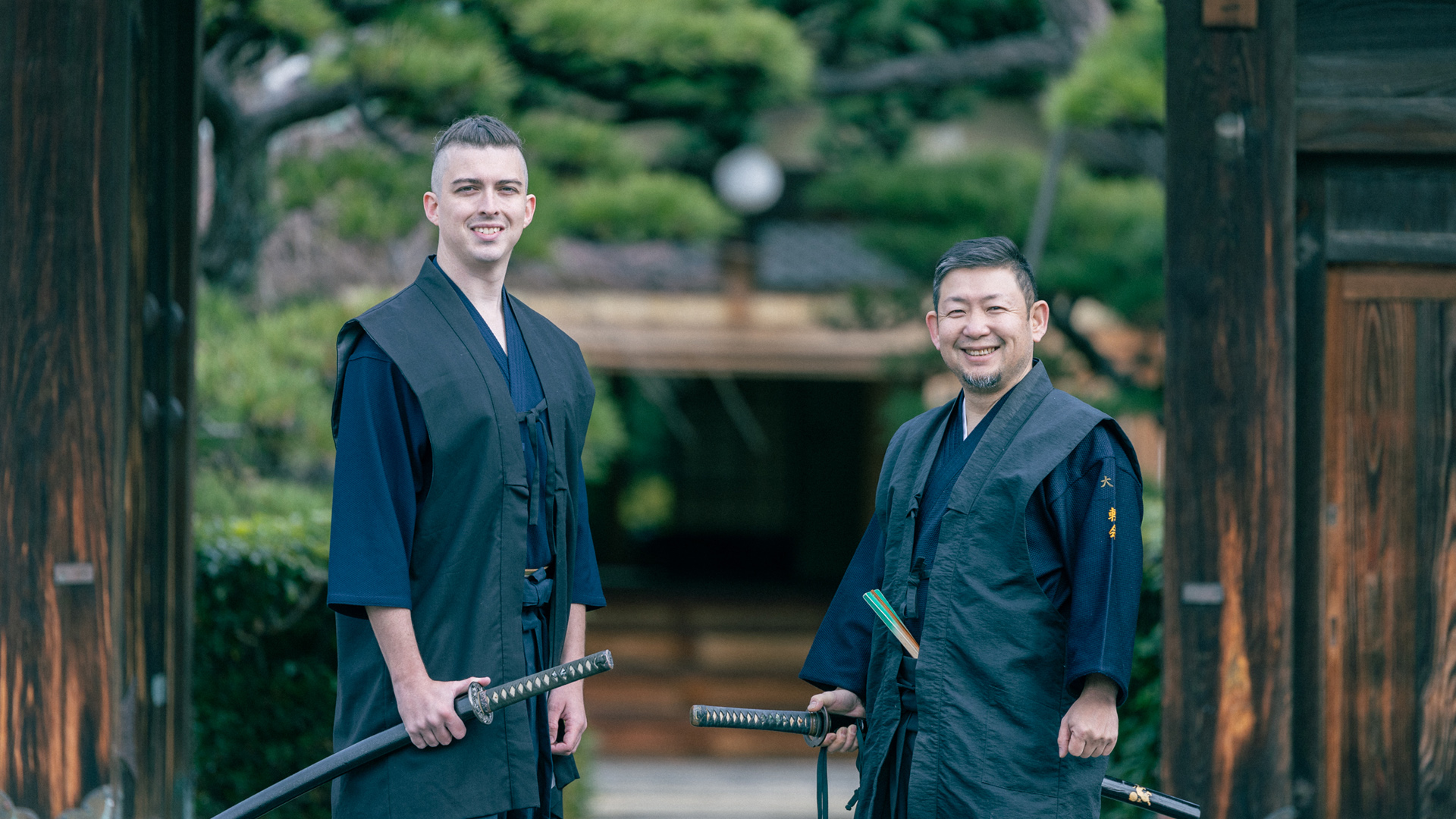
Explore the hidden charms of Izumisano City, the gateway to Kansai International Airport, with our "1-Day Local Tour." This vibrant Osaka town offers unique opportunities to immerse yourself in authentic Japanese culture. Join James, a British YouTuber, as he uncovers the rich history, samurai experiences, and sumo wrestling excitement in this culturally vibrant city.

Izumisano City lies just across the bay from Kansai International Airport, serving as the gateway to Osaka and the broader Kansai region. While many travellers pass through daily, few realise the city’s historical significance. From its origins as a medieval manor to becoming the economic hub of southern Osaka during Japan's Edo period (1603-1868), Izumisano’s maritime advantages and highways made it a key centre of commerce.
Today, the city boasts cultural landmarks such as the historic "Iroha Warehouses" and the maze-like old town of "Sano Machiba," along with the tranquil "Inunakisan Onsen" , a stunning hot spring nestled in the mountains. It is also the birthplace of Senshu Towel, a premium brand first produced in the late 19th century. These features, combined with its proximity to the airport, make Izumisano an ideal place to experience the essence of Japan.
This time, we follow James Hills, the creator of the YouTube channel Samurai Chronicles, as he dives into the cultural treasures of Izumisano, from samurai training to sumo wrestling shows.
Guide
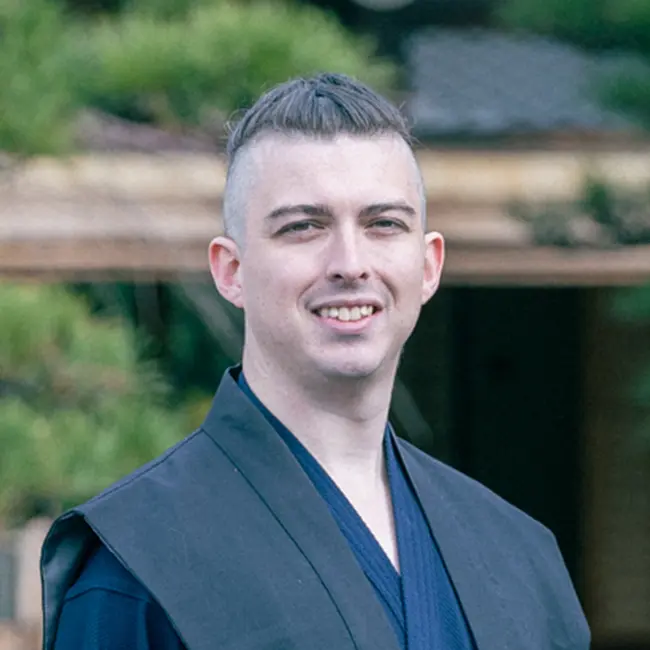
James, originally from the United Kingdom, moved to Japan in 2017 to work as an assistant language instructor and association football coach in Wakayama Prefecture. Now based in Osaka, he aims to share the beauty of Japanese culture with the world through his YouTube channel, Samurai Chronicles.
Step Back in Time at the Arai Family Residence
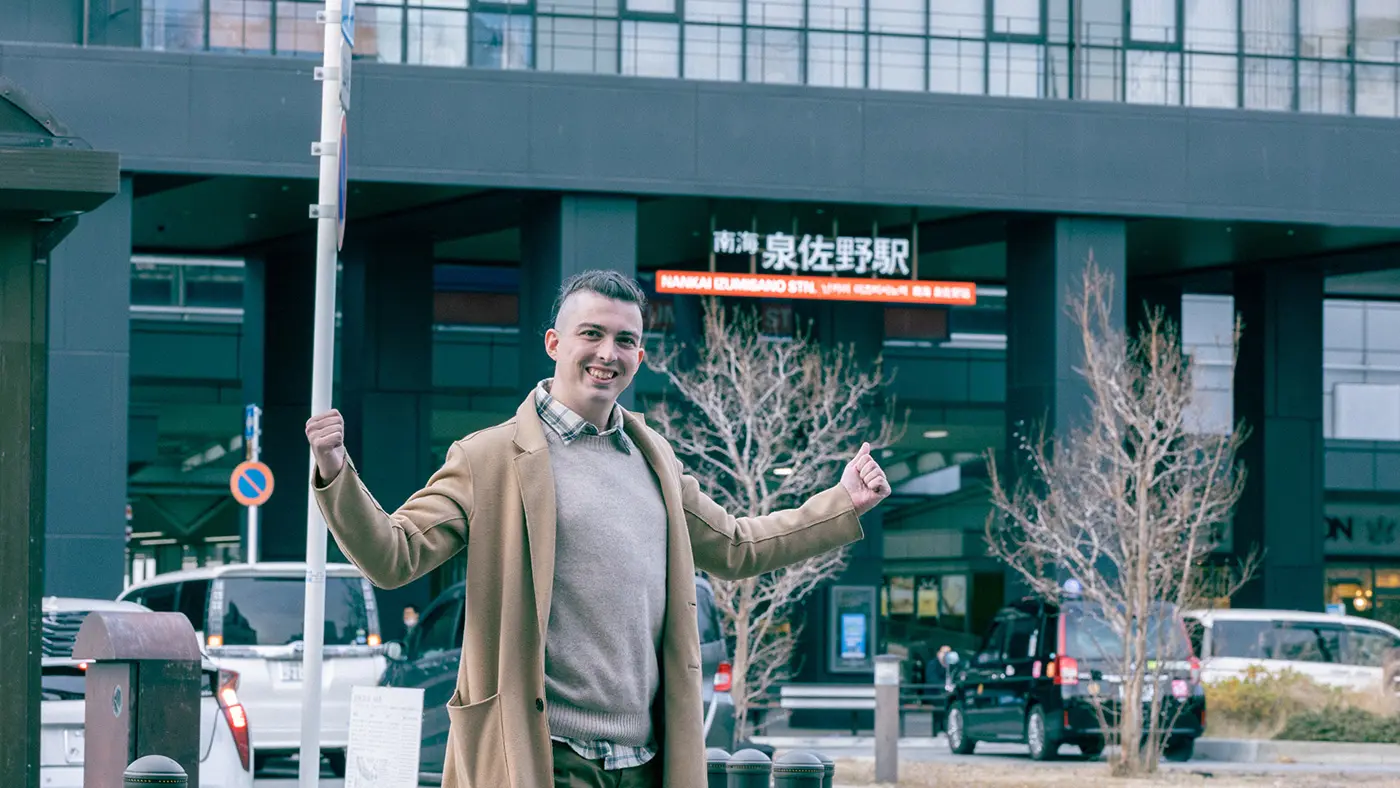
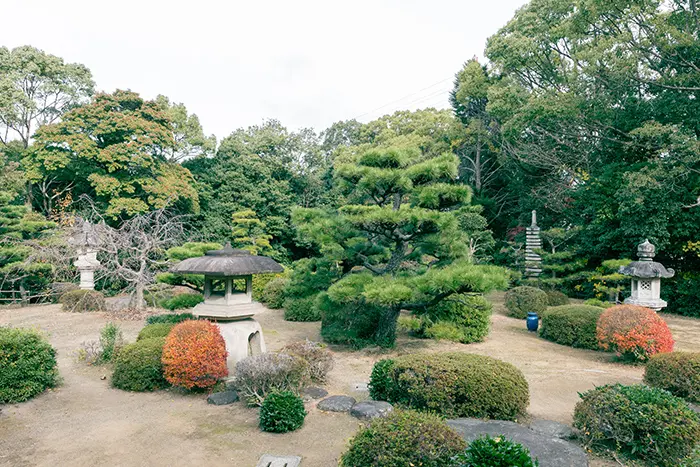
James began his journey at Izumisano Station, just 30 minutes by train from Nankai Namba Station. From there, a short taxi ride brought him to the Arai Family Residence, a mansion built in 1932 and registered as a Tangible Cultural Property of Japan.
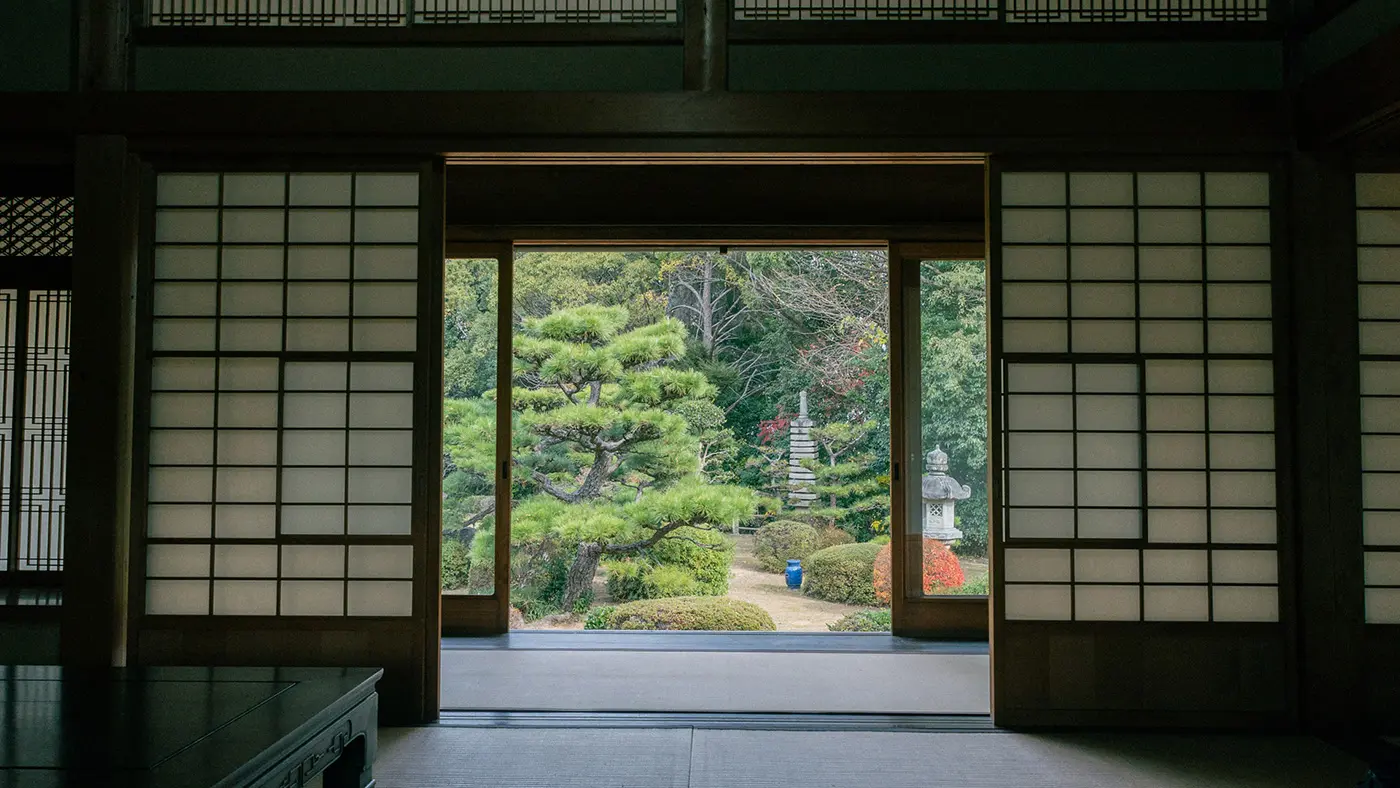
Perched on a small hill, this traditional house was originally constructed as both a family home and a guesthouse for a wealthy businessman.
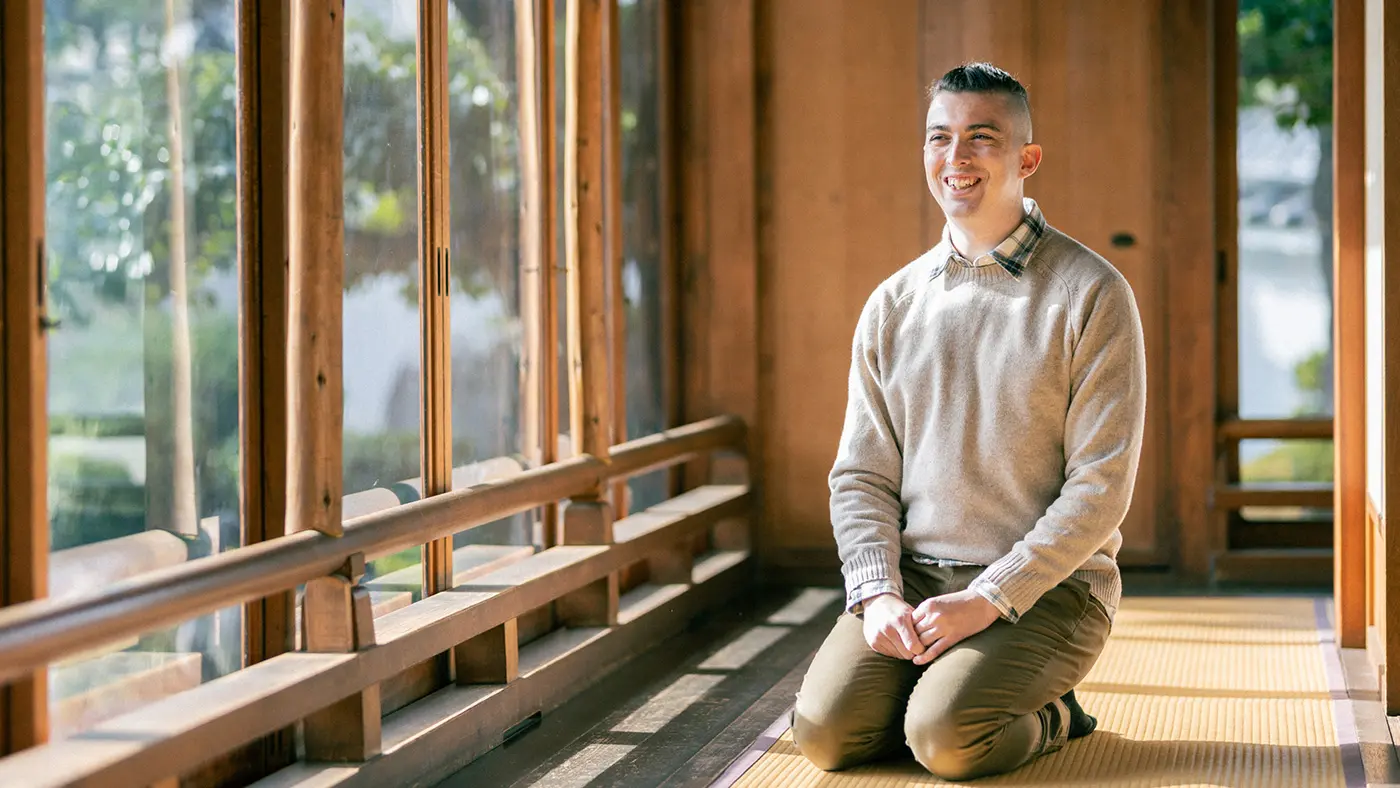
The mansion’s intricate design and preserved features, such as shimmering glass windows from its original construction, captivated James. However, the real adventure was about to begin—a hands-on experience of Japanese samurai culture.
Feel Like a Samurai: From Zen Meditation to Katana Wielding - The Iaido Experience
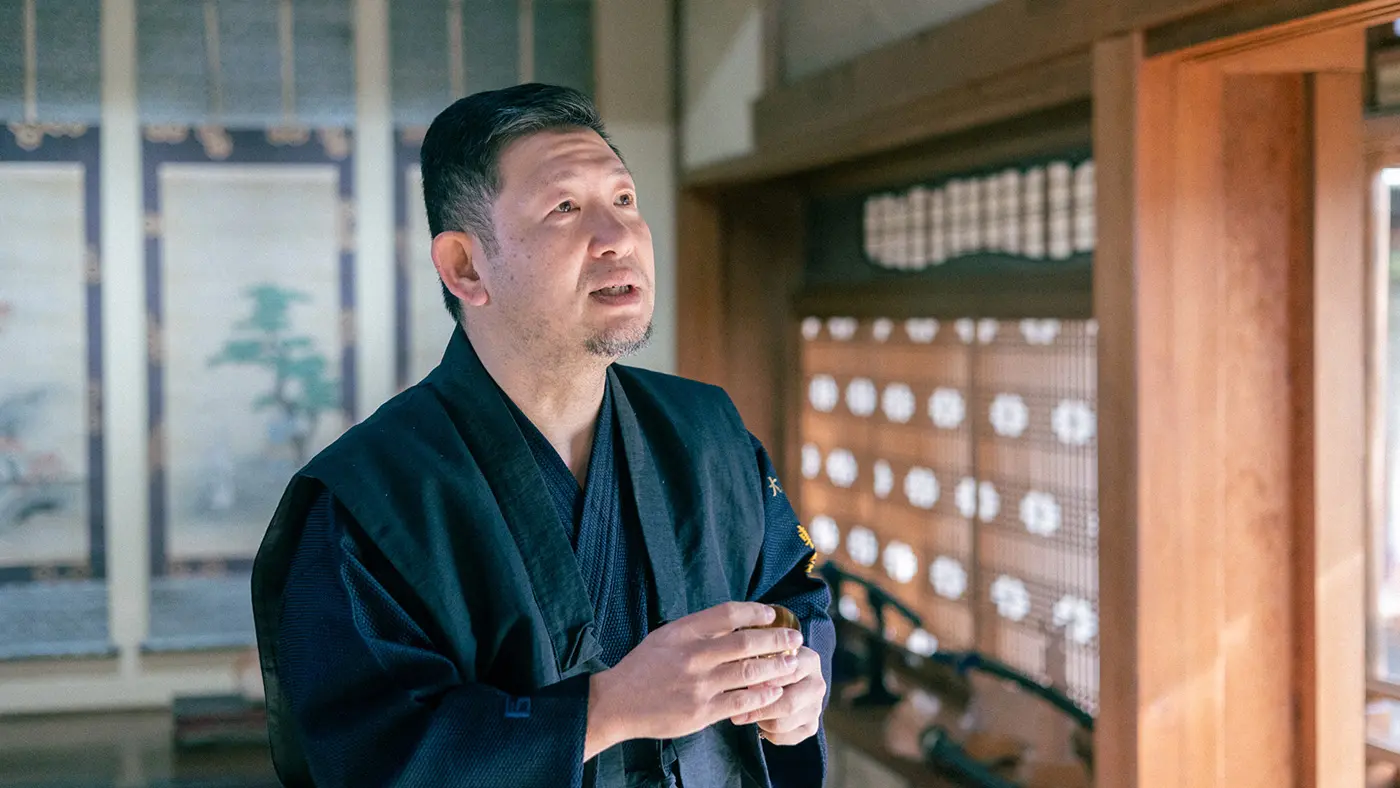
At the Arai Family Residence, James was greeted by Mr. Yoshitoshi Yoshizuka, a master instructor of the Muge Toyama School of Iaido. Rooted in the ancient art of swordsmanship, Iaido is a modern martial art focused on precise movements, civility, and spirituality.
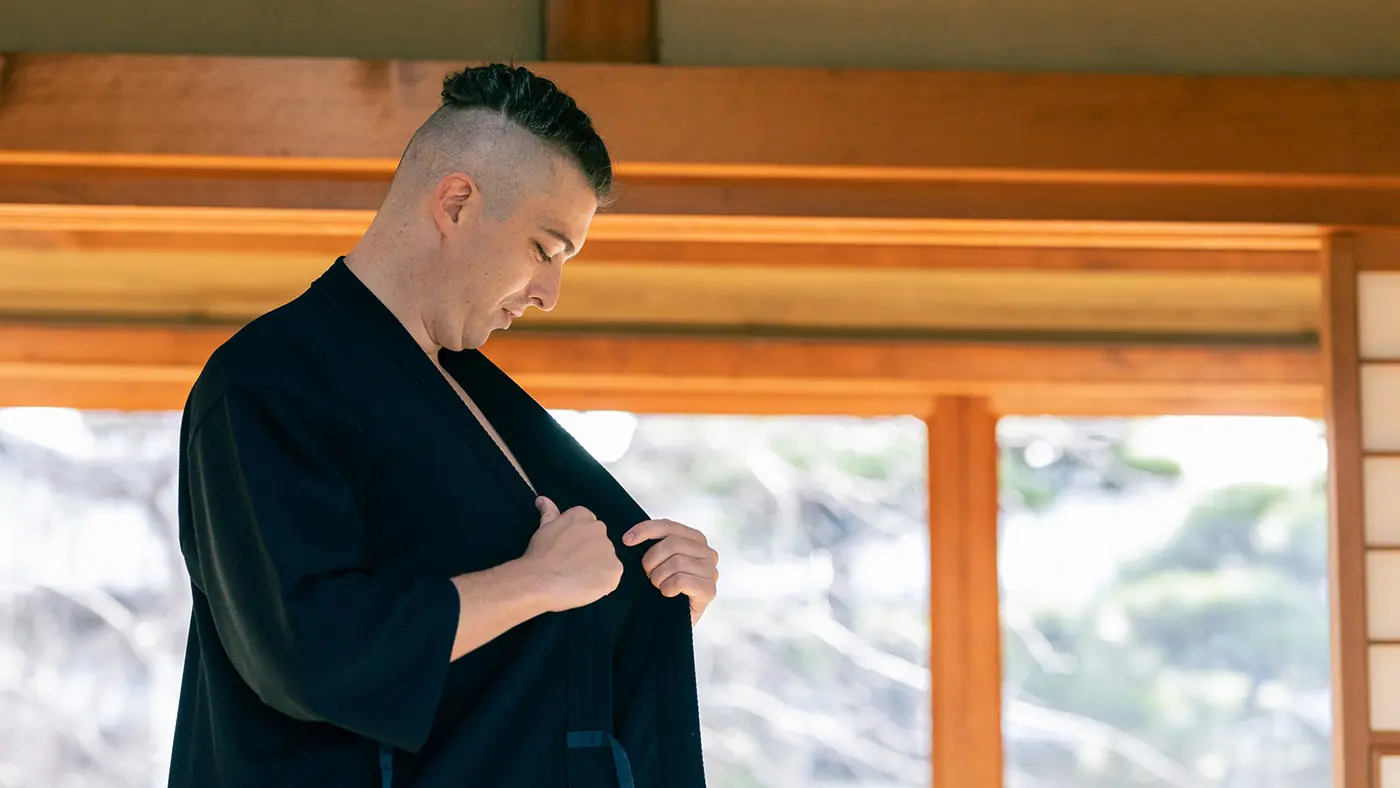
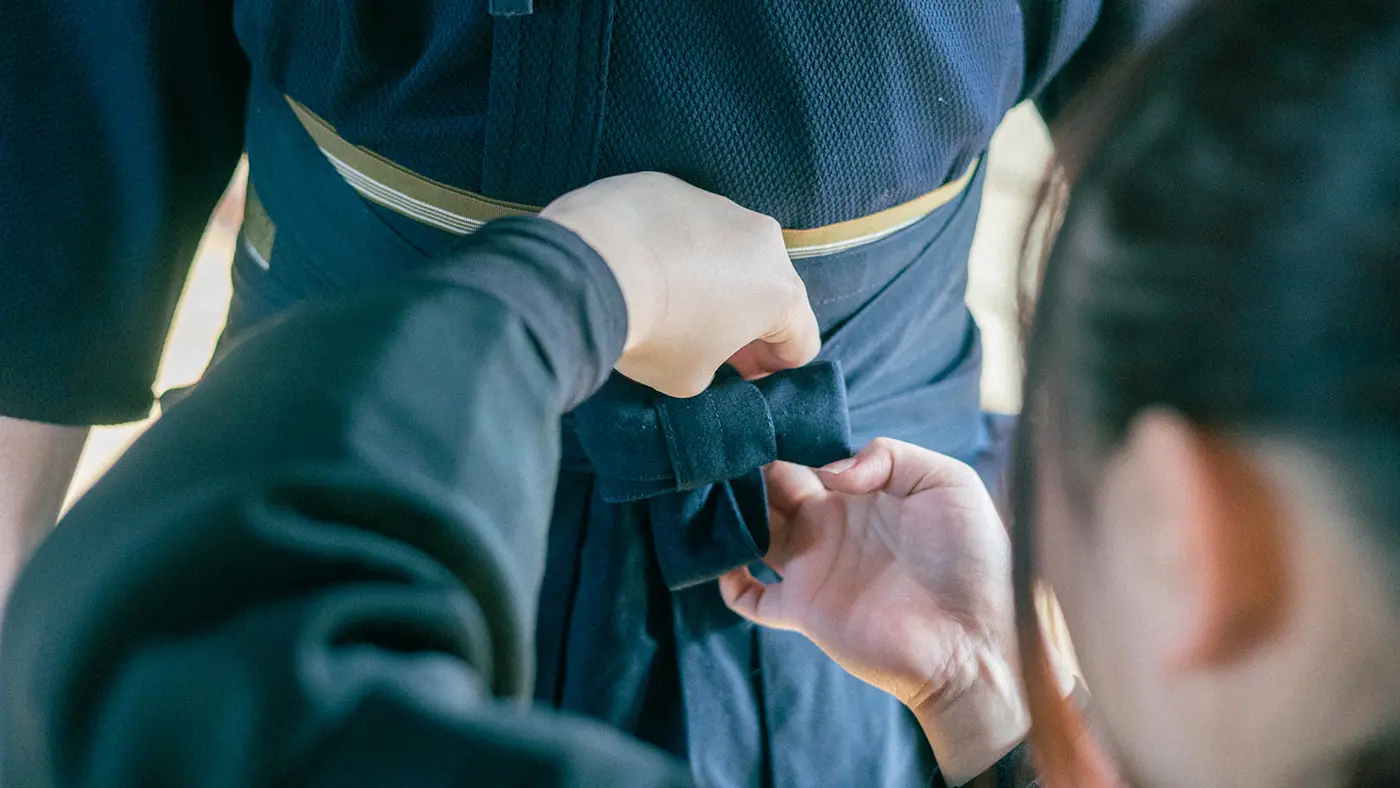
Fruquently appearing in kimono on his YouTube channel, James instinctively adjusts his posture with a sense of respect as he faces a real swordsman.
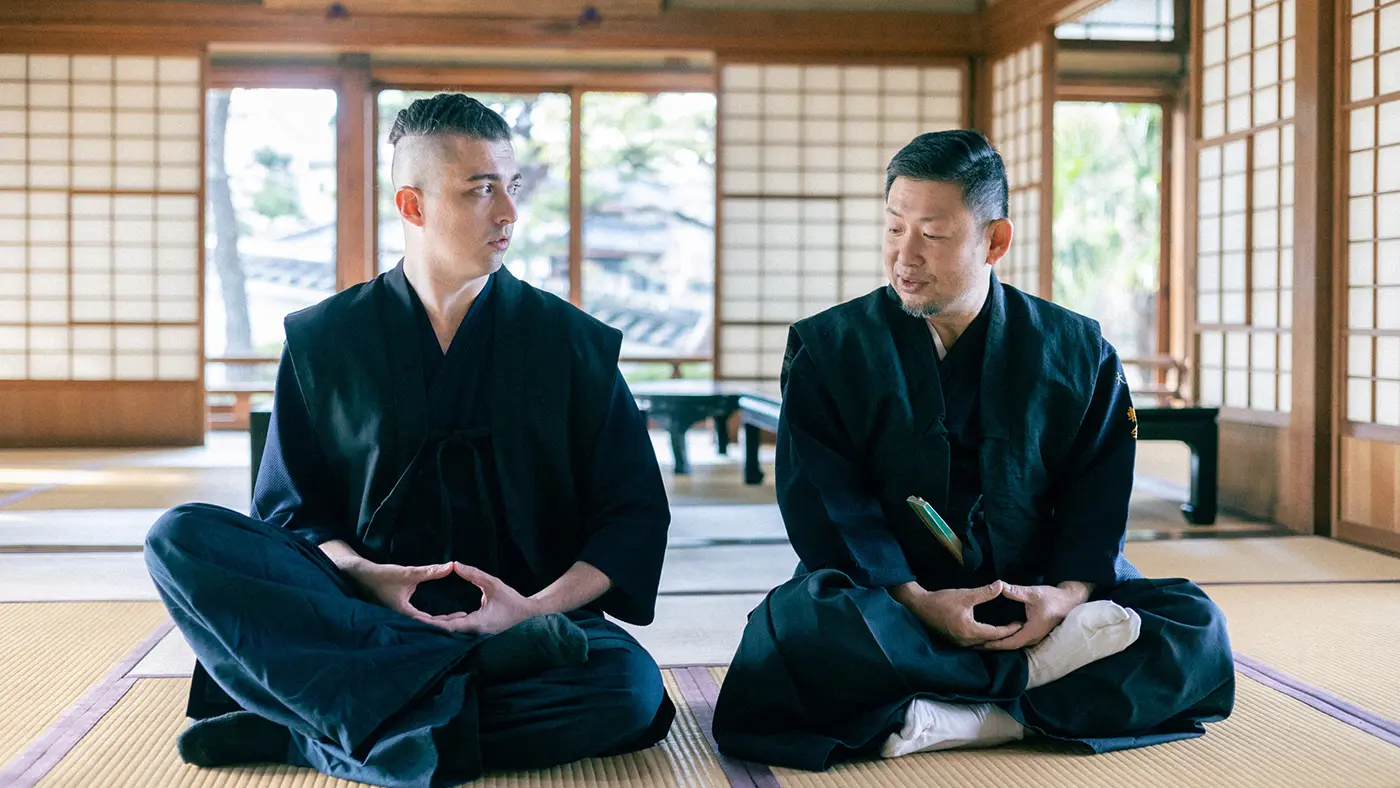
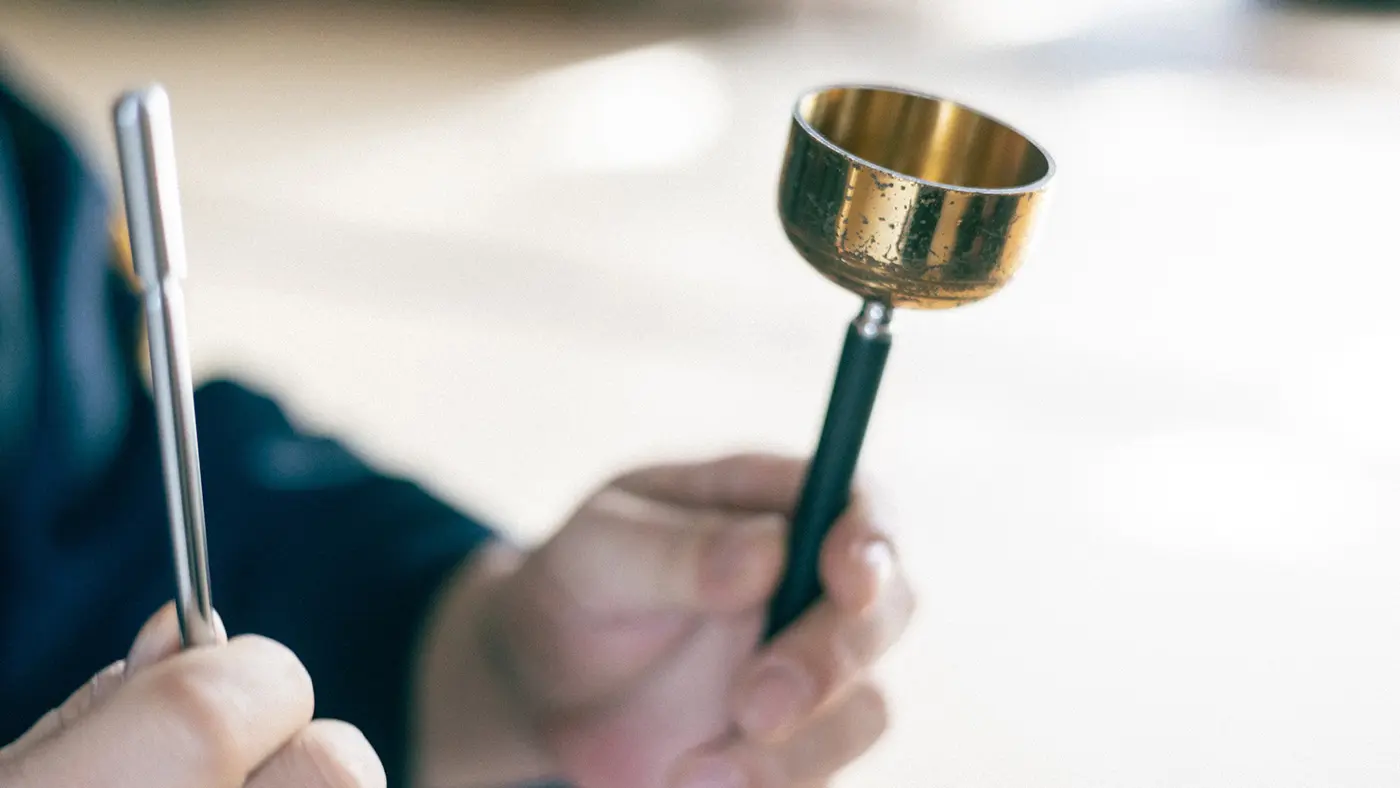
Dressed in traditional hakama, James began with seated meditation (zazen) to centre his mind. Guided by Mr. Yoshizuka, he practiced regulating his spirit, reflecting on compassion, and appreciating the interconnectedness of life. As Mr. Yoshizuka's Buddhist chants echoed through the serene atmosphere, James felt a profound connection to samurai discipline.
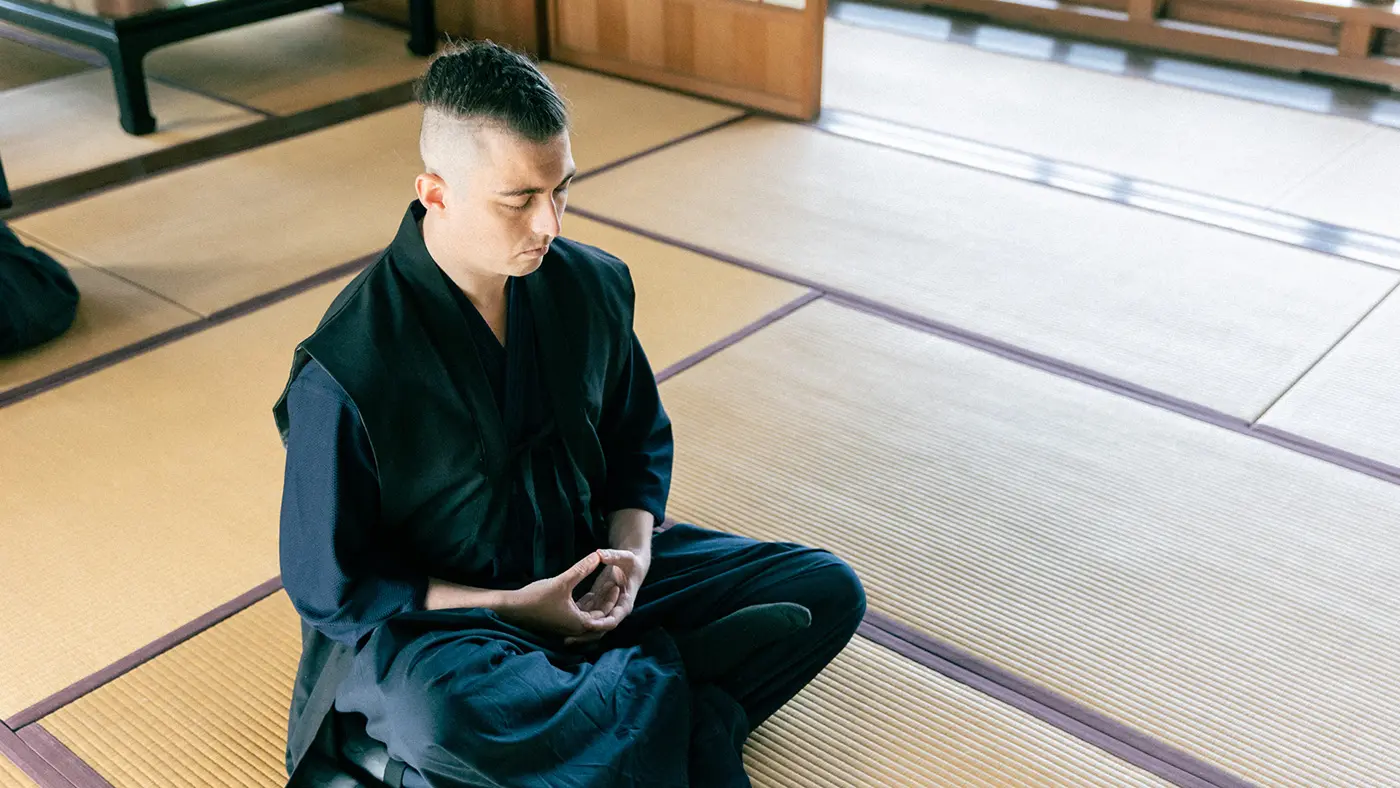
The Mukai Battoujutsu was originally developed as a form of swordsmanship for combat, but it emphasises that even in taking a life, one must act with pity and compassion. 'It is a vital discipline to close your eyes, attune yourself to the flow of the air, the chirping of birds, and reflect on the shared existence of yourself and others in this world,' explained Yoshizuka. As the sound of the orin resonates and chants fill the air, James turns inward, confronting his own thoughts.
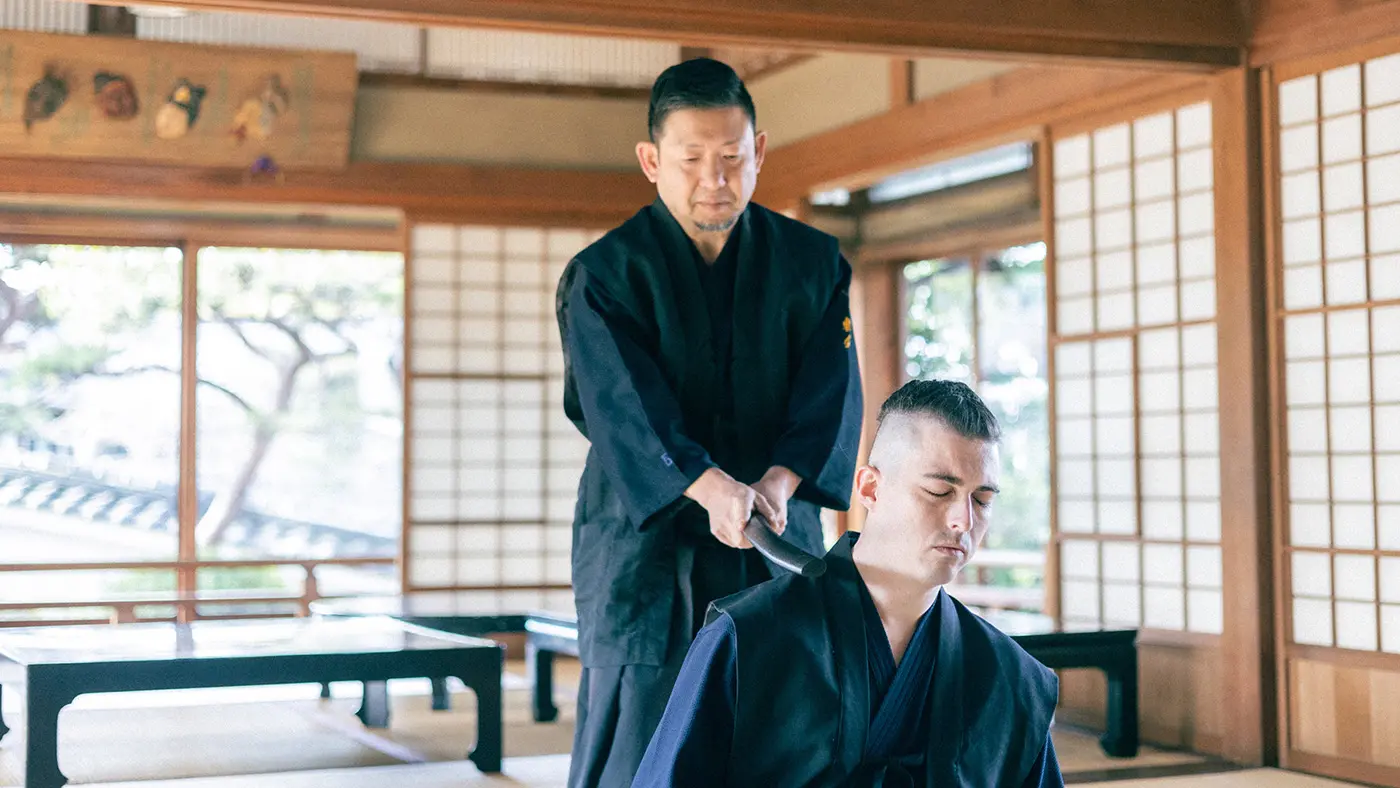
During the eight minutes of zazen, the keisaku—a flat wooden stick used in Zen practice to gently correct posture or reawaken focus—was used only once. James’s intense concentration and composure made him seem like a true samurai.
"This experience completely changed my perspective. The zazen practice left me feeling both courageous and mentally stronger!"
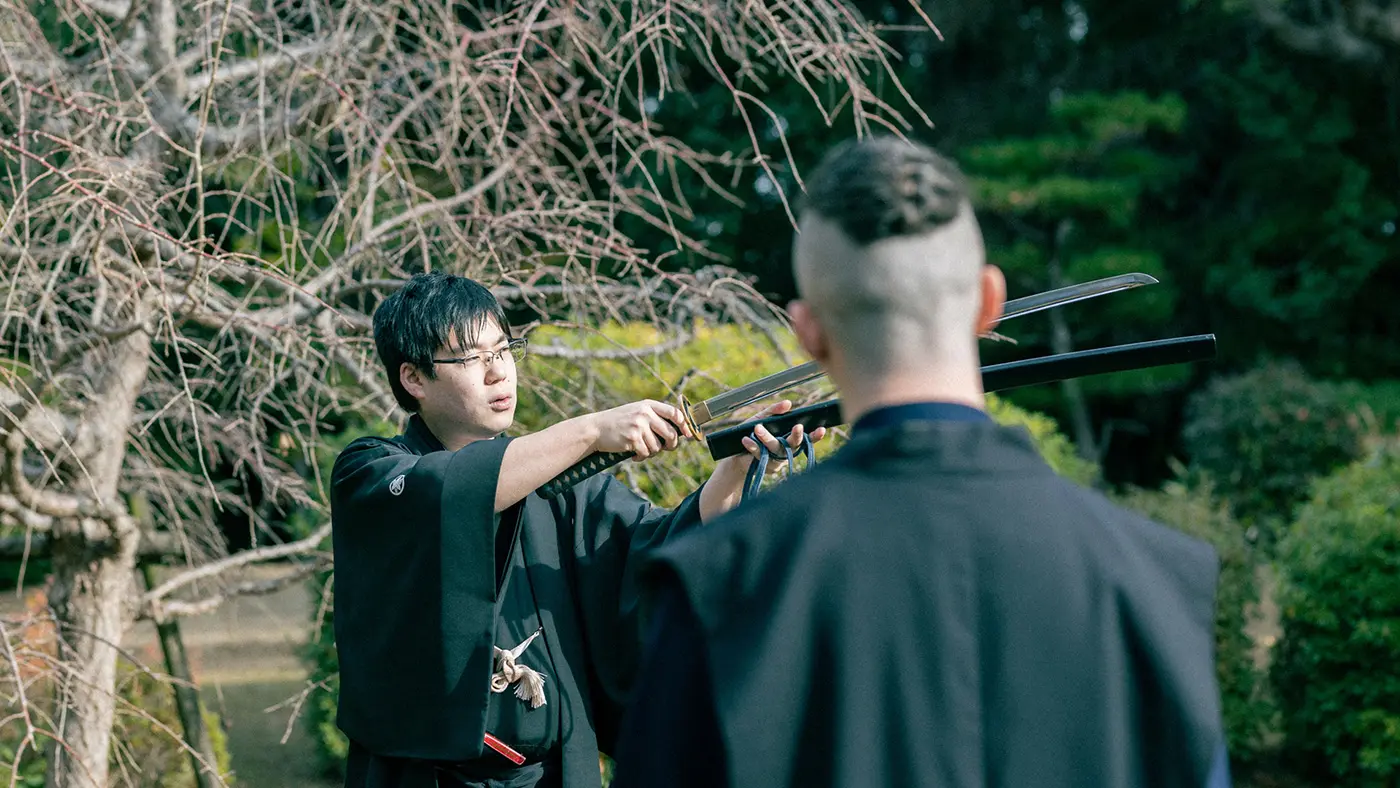
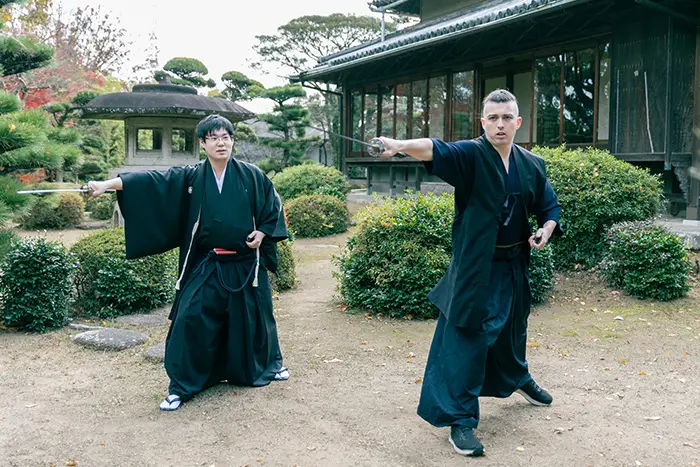
Next, we moved to the garden for a demonstration led by Mr. Yoshizuka's son, Hideyuki. With over a decade of experience, Hideyuki has even achieved victory in a national tournament.
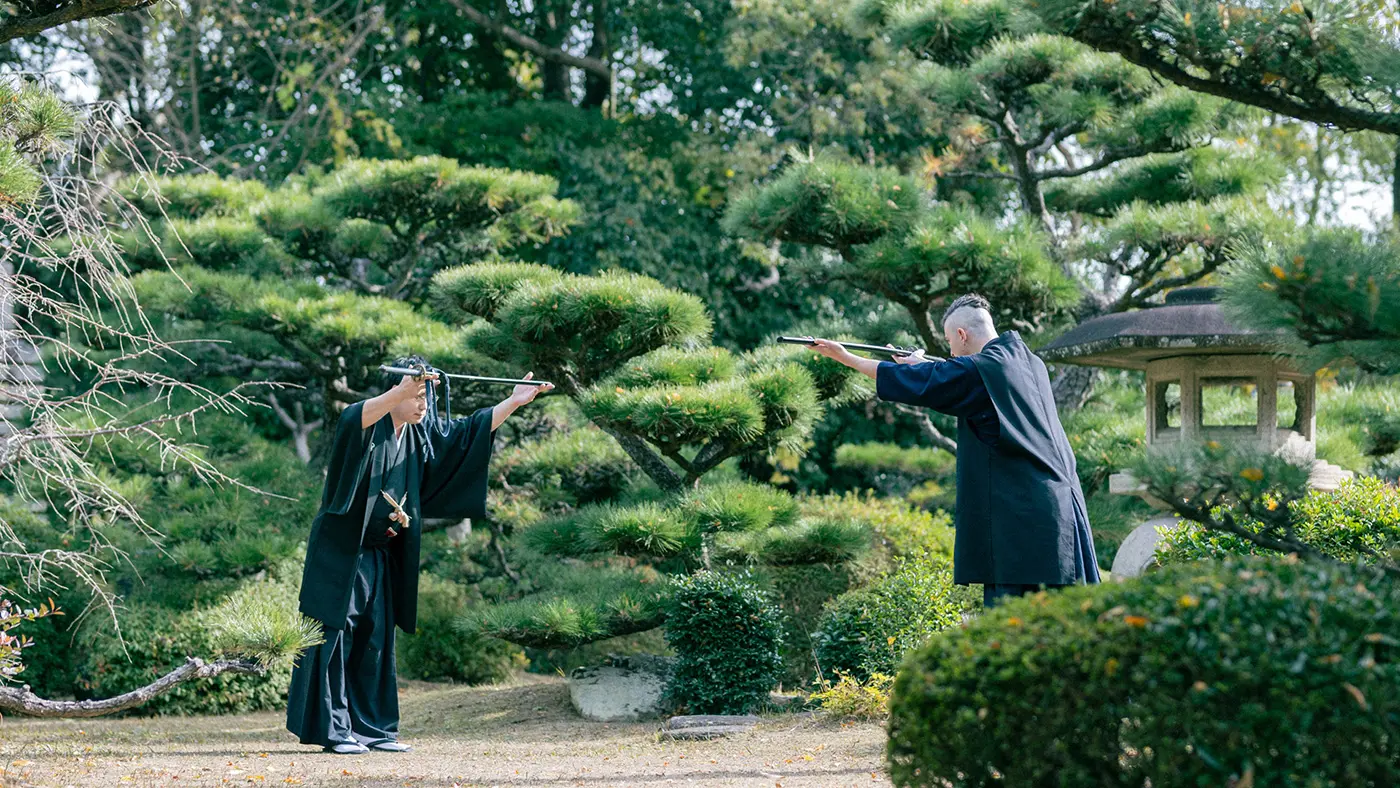
Once again, etiquette plays a crucial role. We begin by bowing, showing respect for the place, the sword, and for each other. The air is thick with a palpable sense of tension.
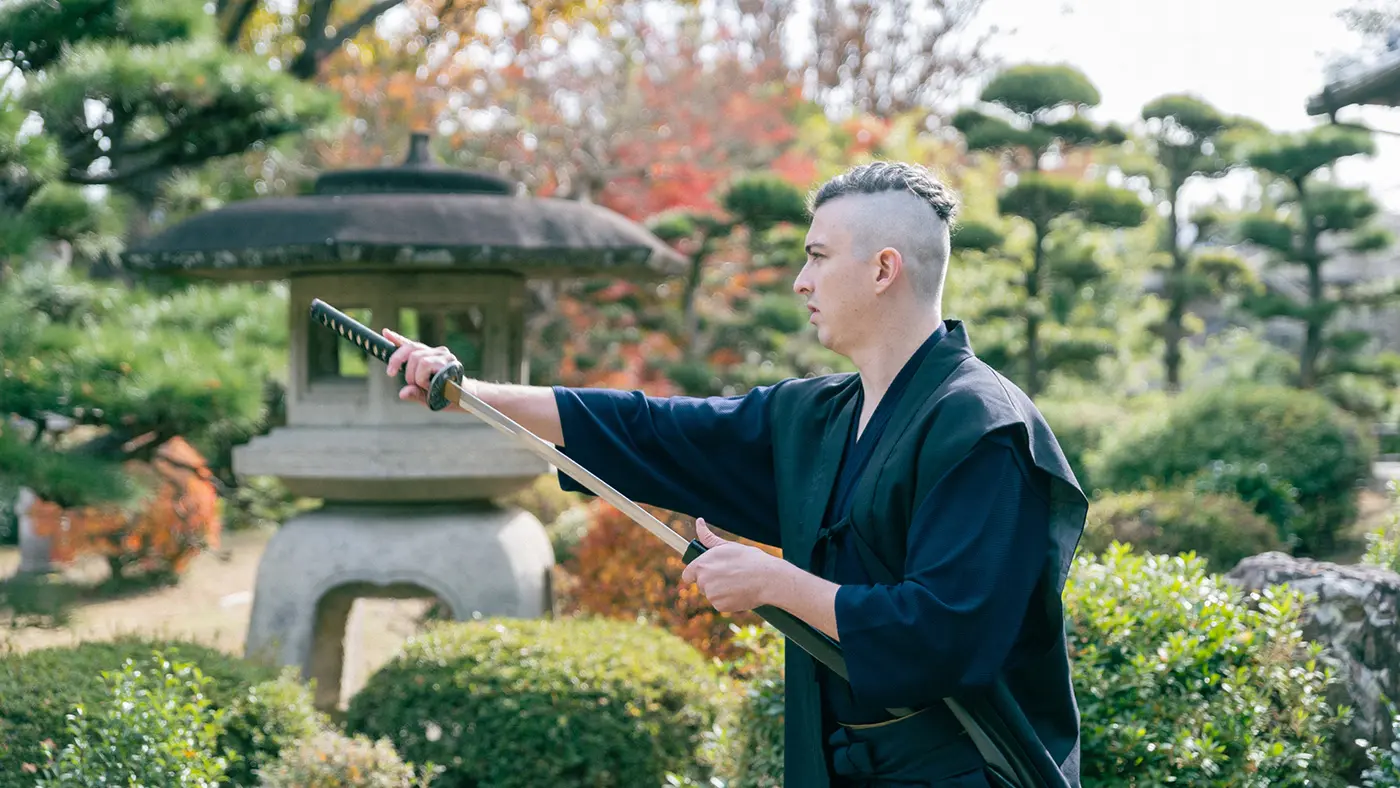
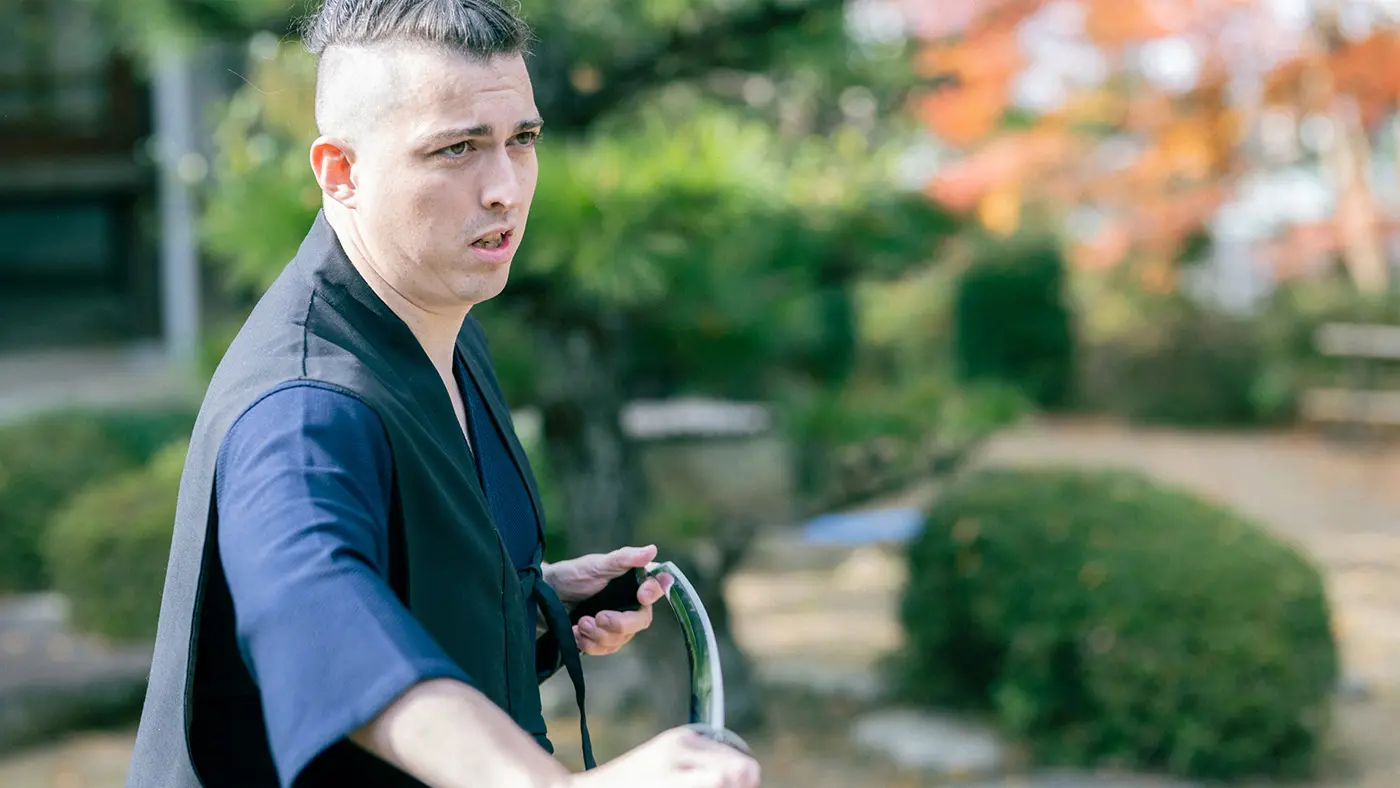
Hideyuki instructed, "I won’t go into details—just draw your sword and put it away!" While many struggle with smoothly pulling their swords from the scabbard, James managed it effortlessly. Impressed, Hideyuki remarked, "That was great." However, it was no surprise, given James's experience showcasing his sword-fighting skills on his YouTube channel—he seemed like a natural.
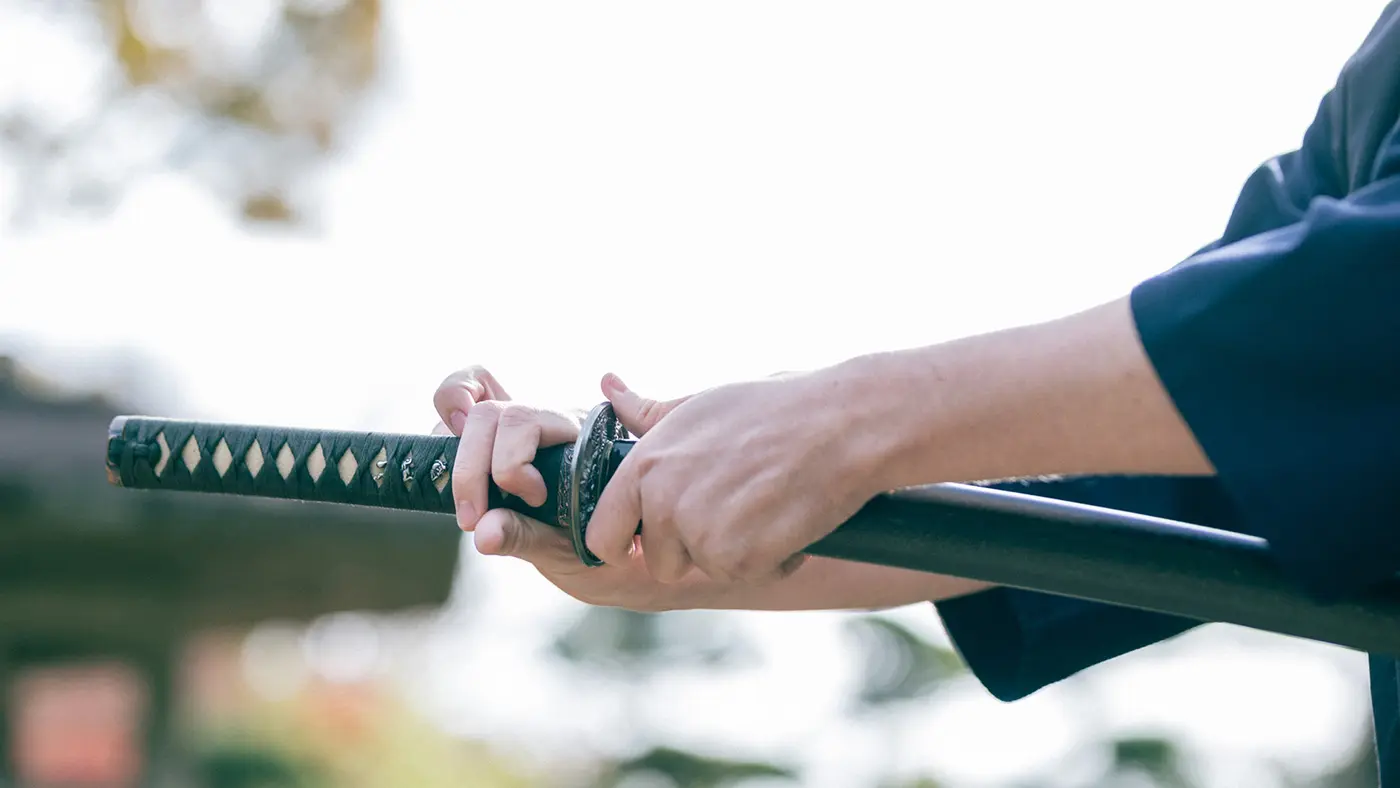
Seeing that James was far more skilled than expected, Hideyuki grew excited and began offering more detailed instruction. He delved into advanced techniques, such as drawing the sword with precision, shaking off blood from the blade, and other actions used in real combat. James, equally engaged, asked thoughtful questions about a variety of challenging techniques, creating a lively and dynamic exchange.
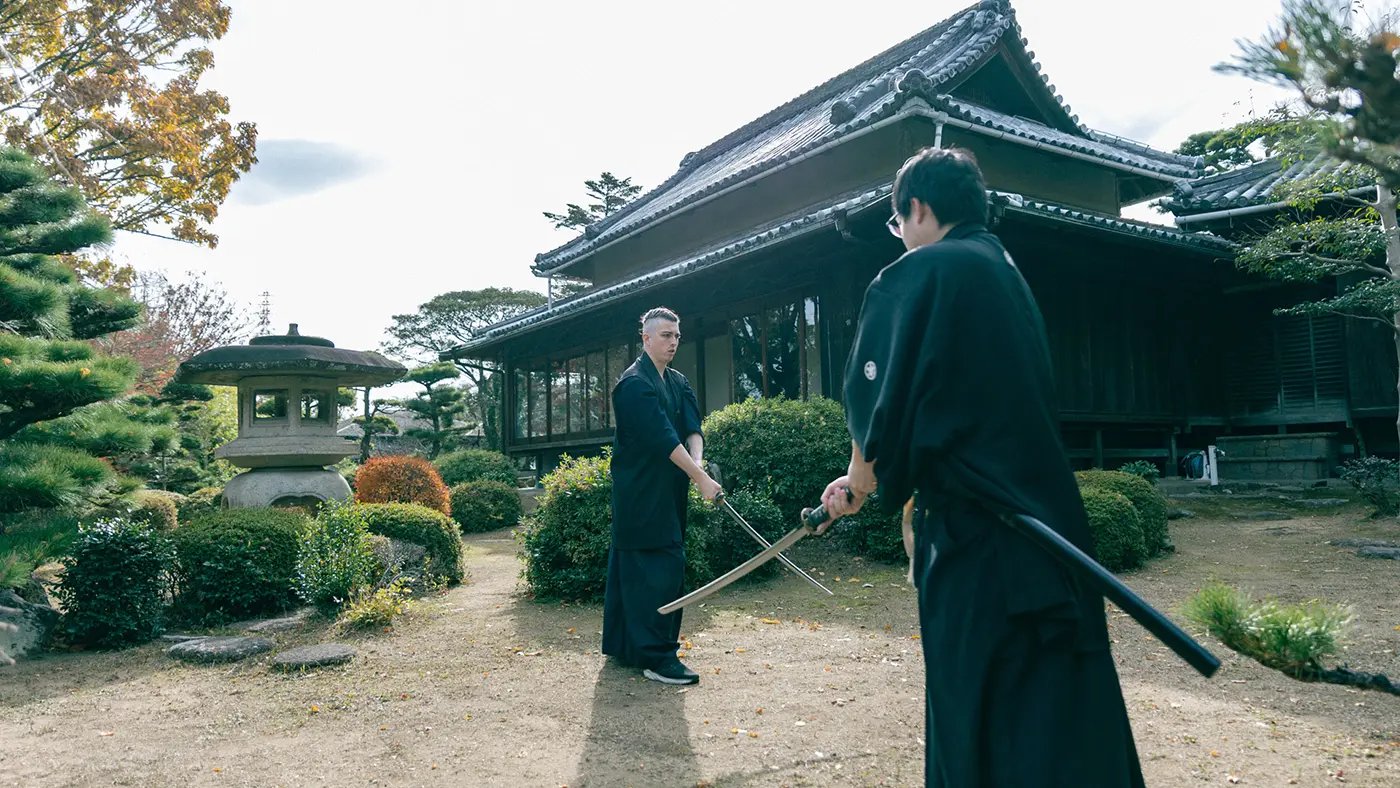
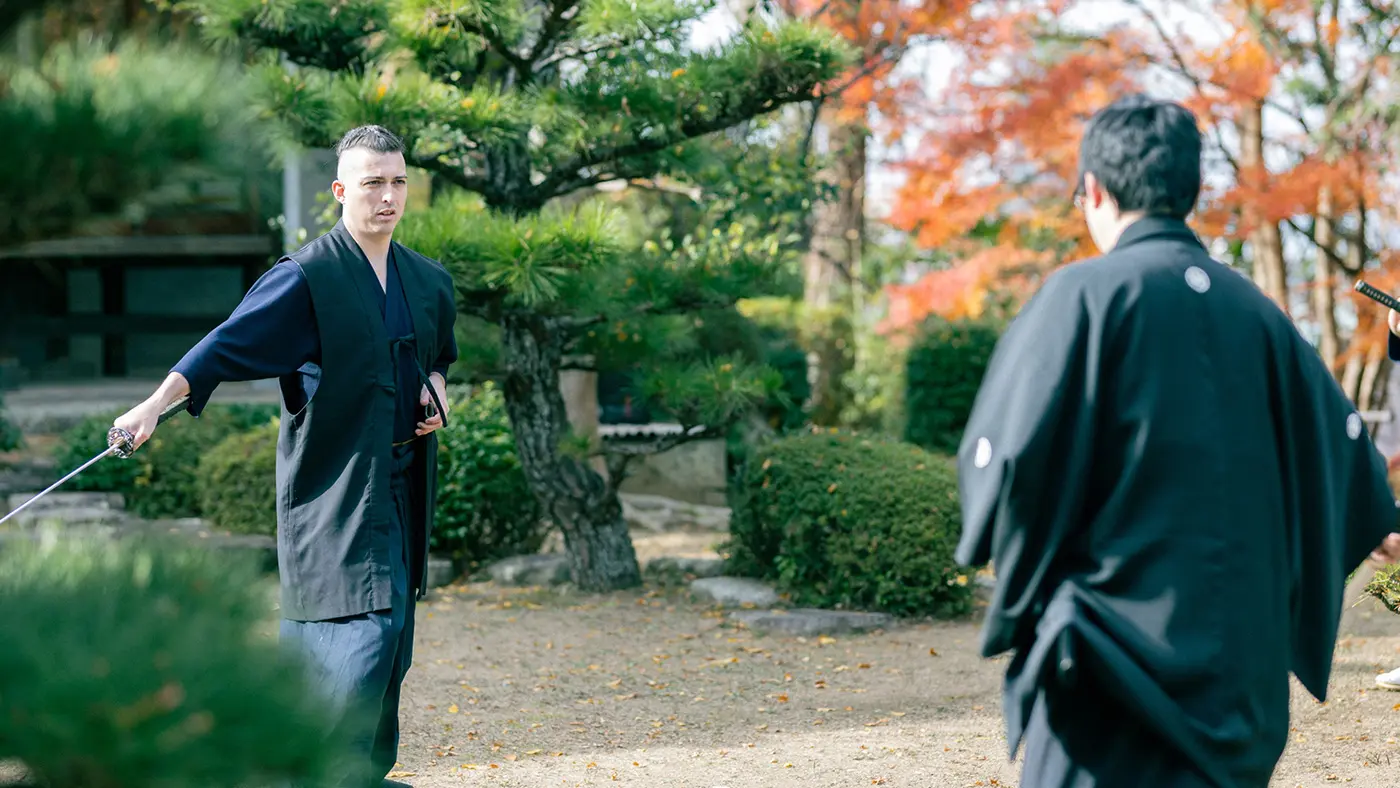
James was taught the basic techniques of Iaido, such as drawing and sheathing the sword, different stances, and precise cutting motions. He listened with interest as Hideyuki explained the history of Toyama-ryu, a style of swordsmanship developed for the Japanese Army, and its ties to Izumisano, where an Osaka branch was established.
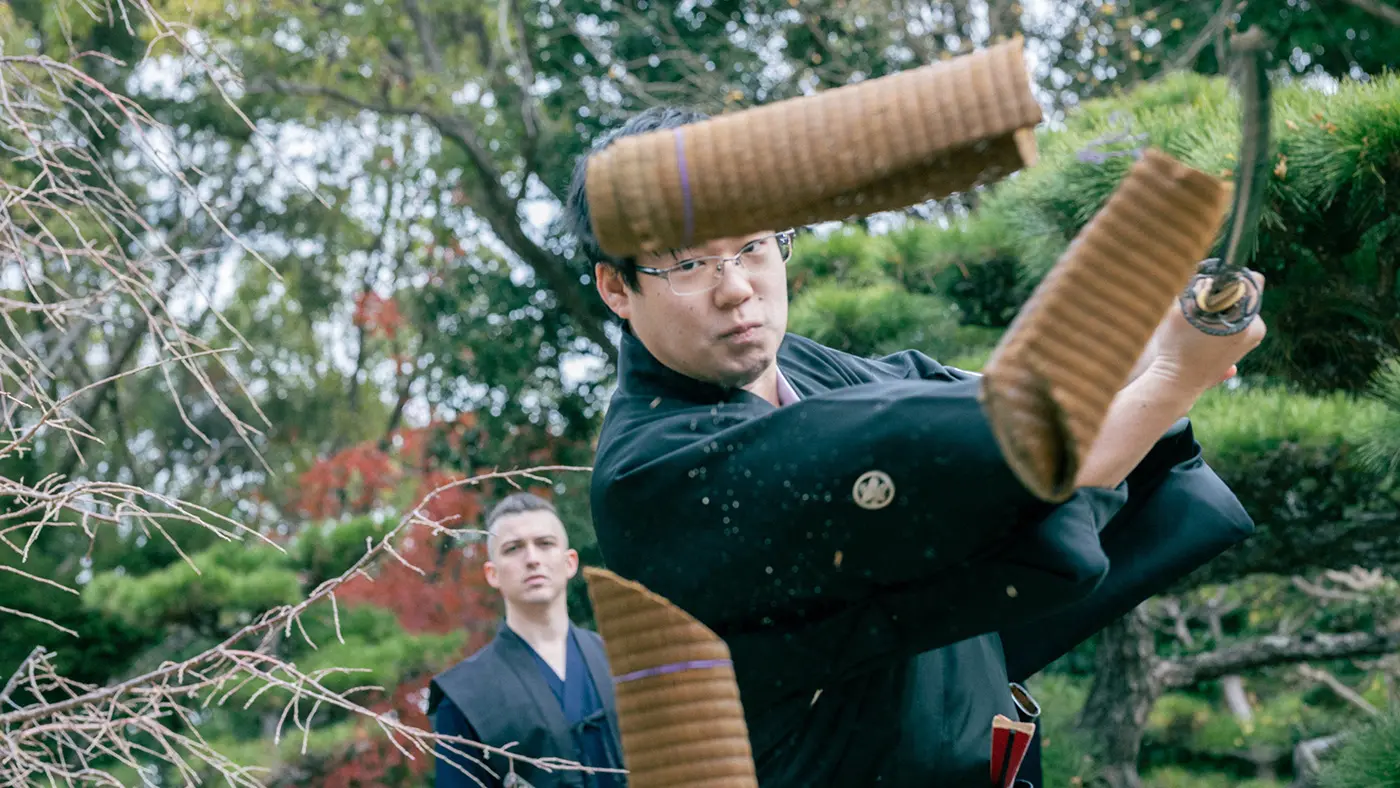
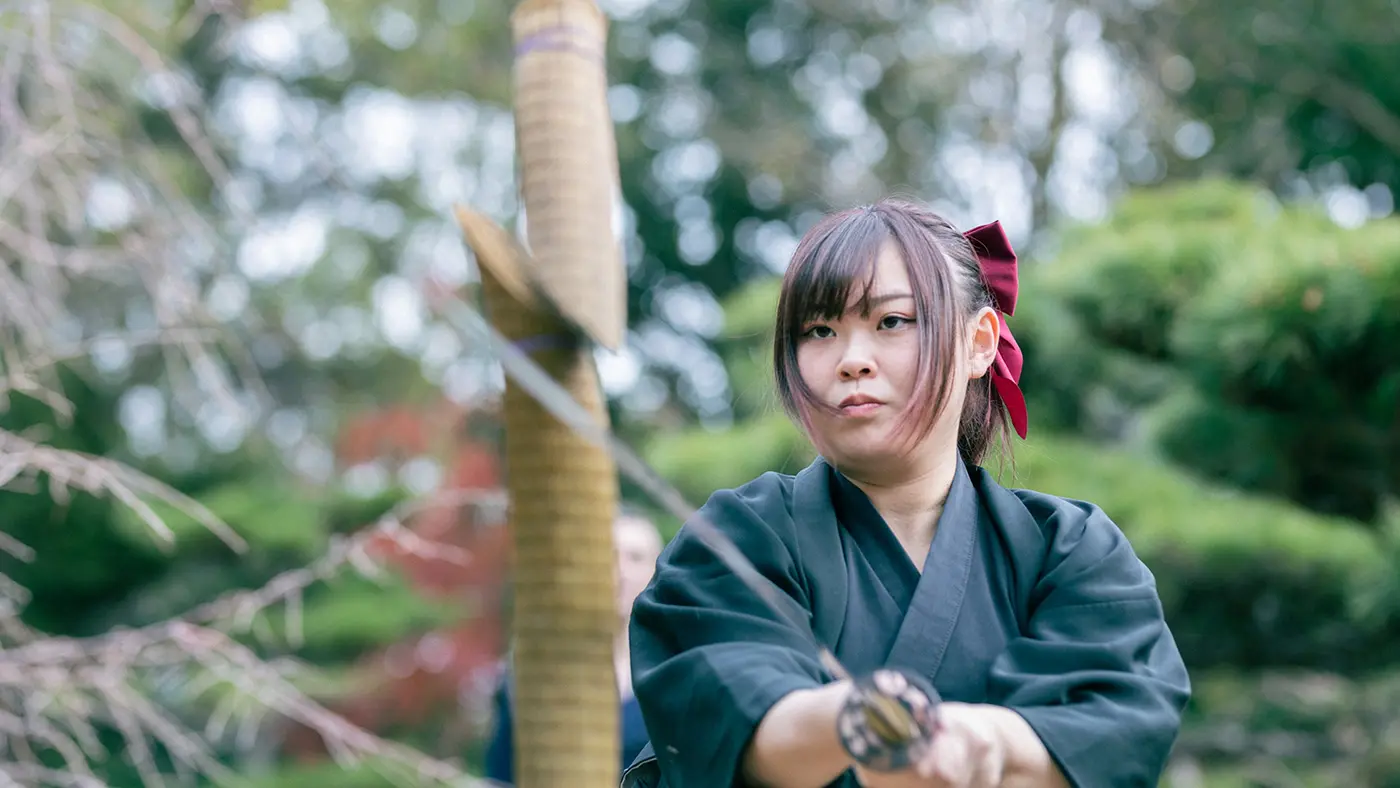
The instructors also gave a demonstration with a real sword, showcasing techniques that were both impressive and powerful, a true testament to their expertise.
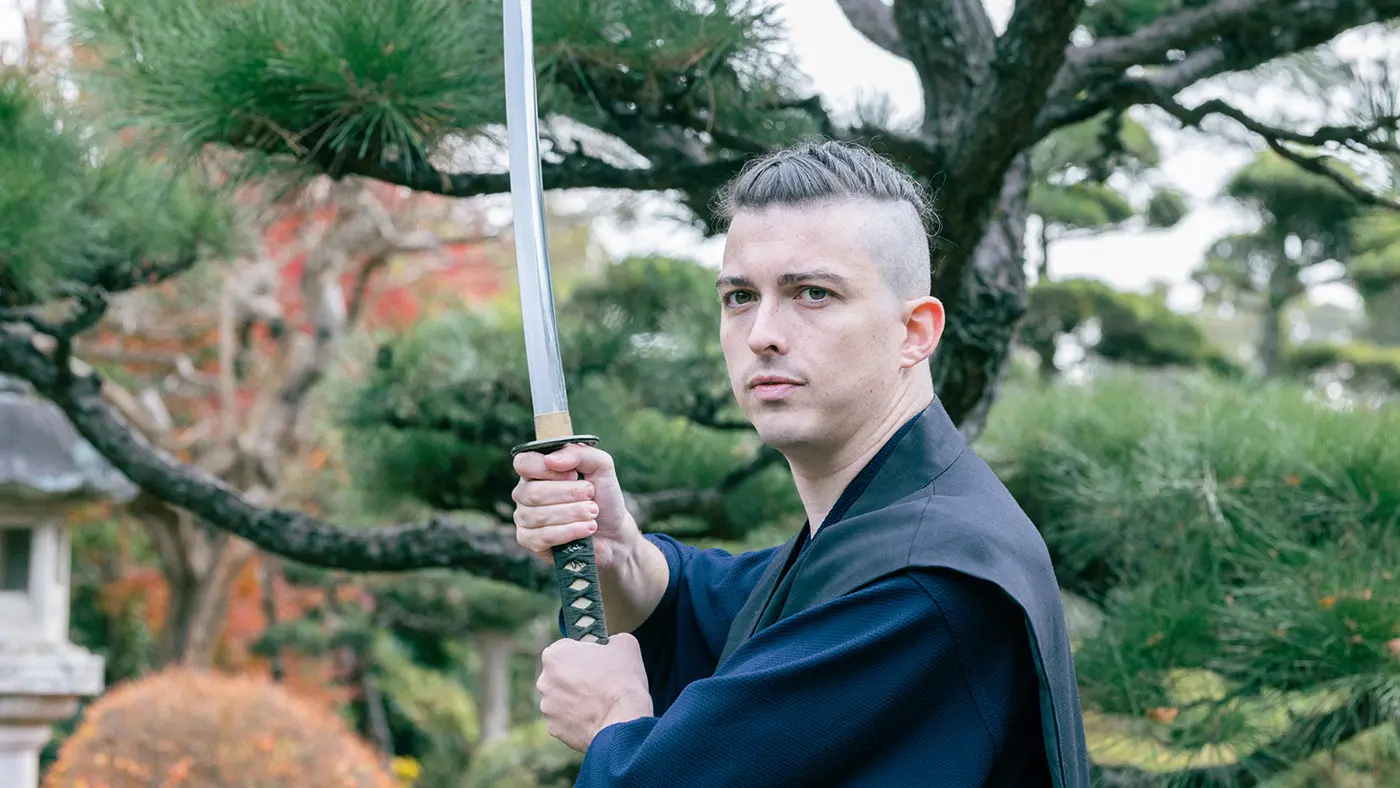
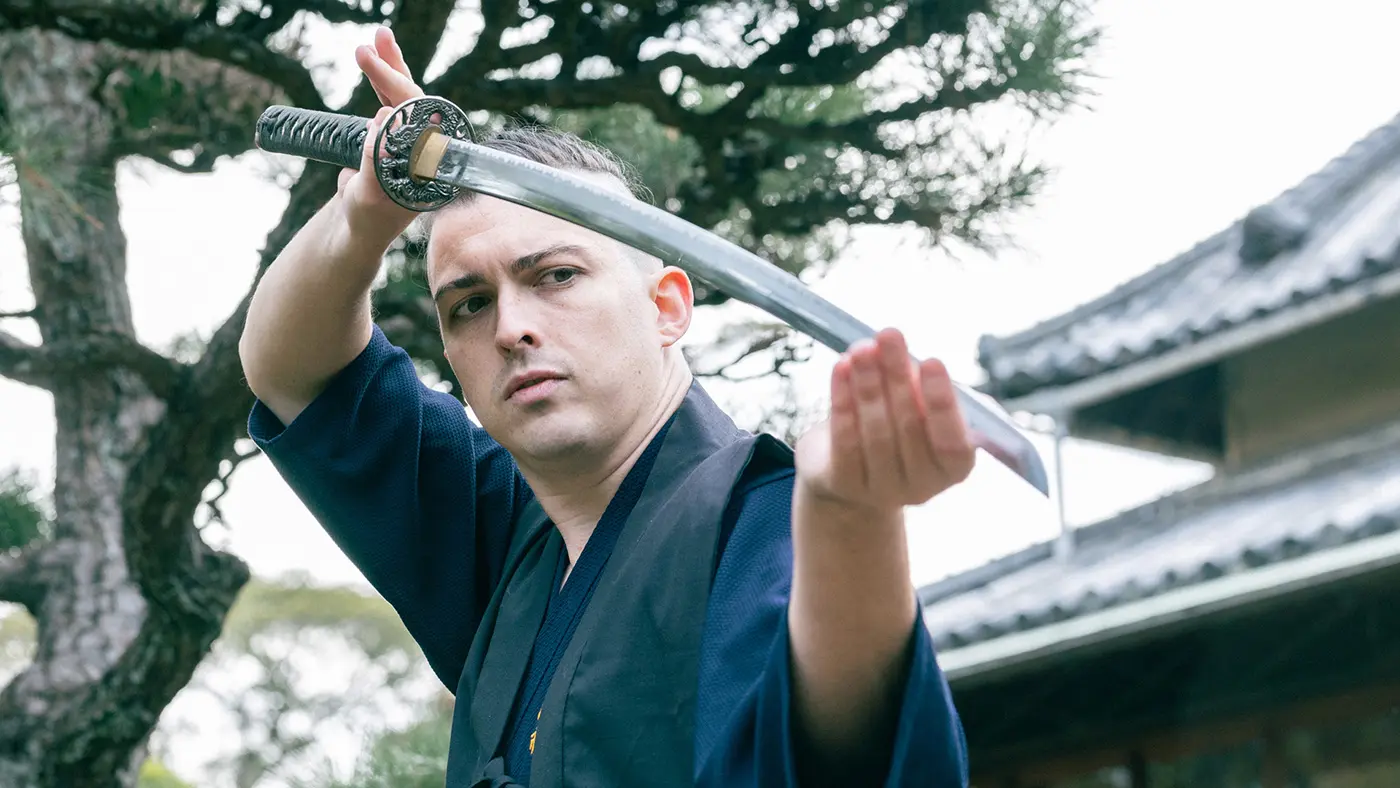
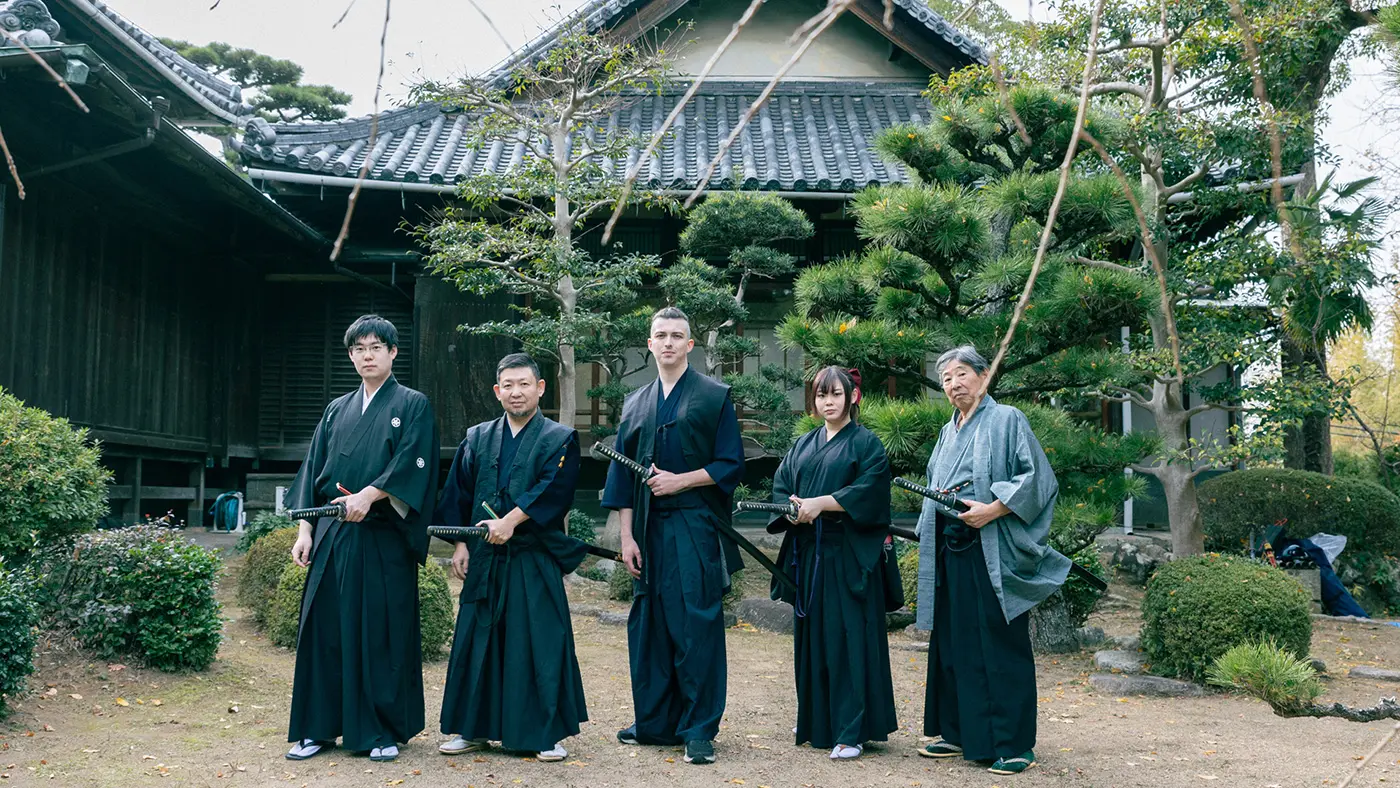
At the end of the session, a commemorative photo was taken with swords in hand. After an hour and a half of practice, James's posture and demeanour had transformed, exuding a dignified presence reminiscent of a samurai. He truly looked the part!
This experience was not only thrilling but deeply enriching, allowing me to explore both the art of swordsmanship and the profound cultural heritage of the samurai as well as its underlining spiritual belief system. Learning directly from the masters about the significance behind each gesture offered a glimpse into their intricate world, igniting a genuine desire within me to delve deeper and learn even more.
A Hidden Gem of Izumisano: Indulge in Fresh Watari-Gani (Blue Crab)!
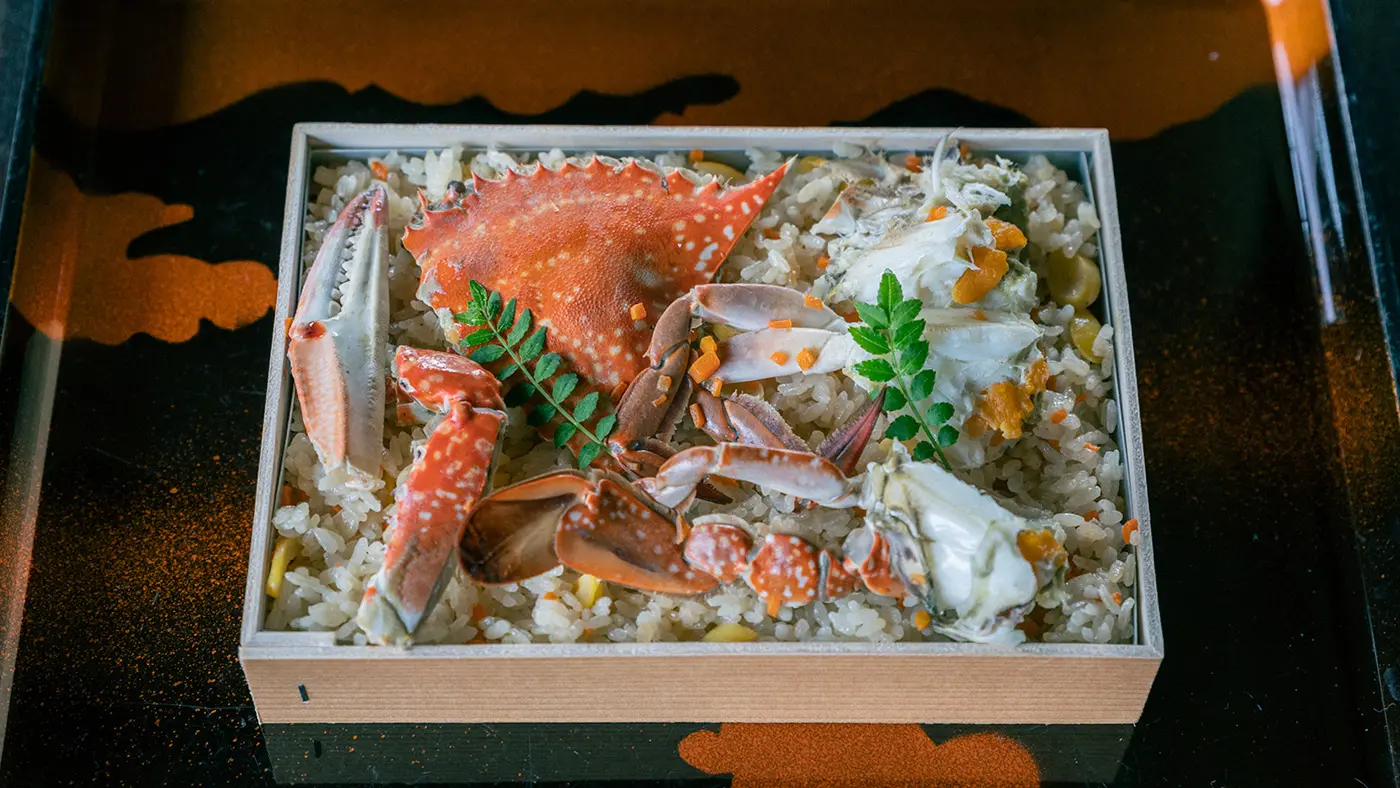
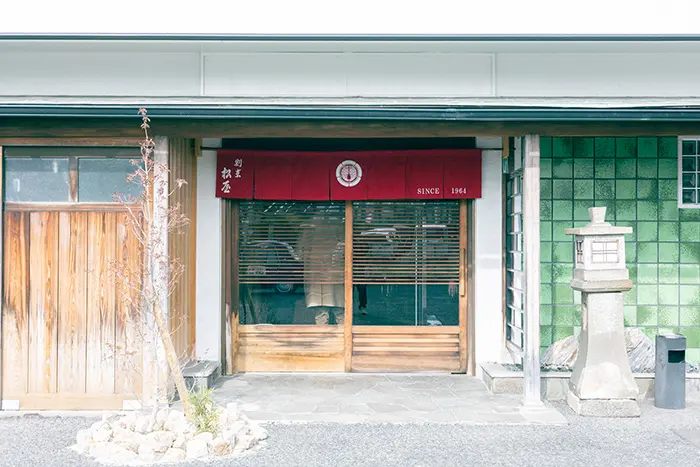
After an invigorating Iaido session, James took a moment to recharge with a locally beloved bento lunch he had prepared in advance. His meal featured crab rice from Kappo Matsuya, a renowned restaurant with a 60-year legacy of culinary excellence.
Blue crab has long been a prized specialty of the waters off Senshu, the coastal region encompassing southern Osaka, including Izumisano. Interestingly, it was once commonly enjoyed as a simple snack. Today, however, only Kappo Matsuya specialises in blue crab dishes, and with just 4 or 5 crabs caught during a 12-hour fishing trip, they have become a rare and highly sought-after delicacy.
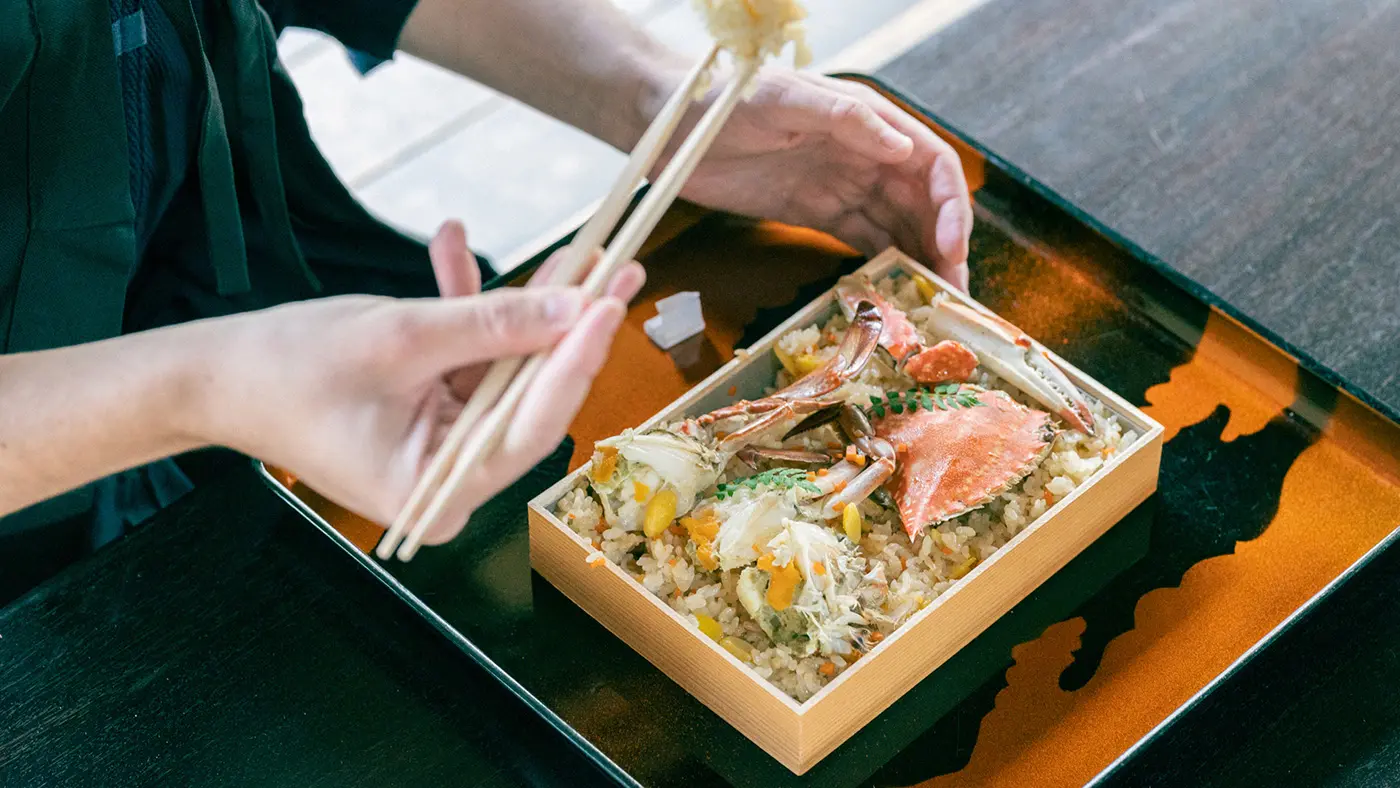
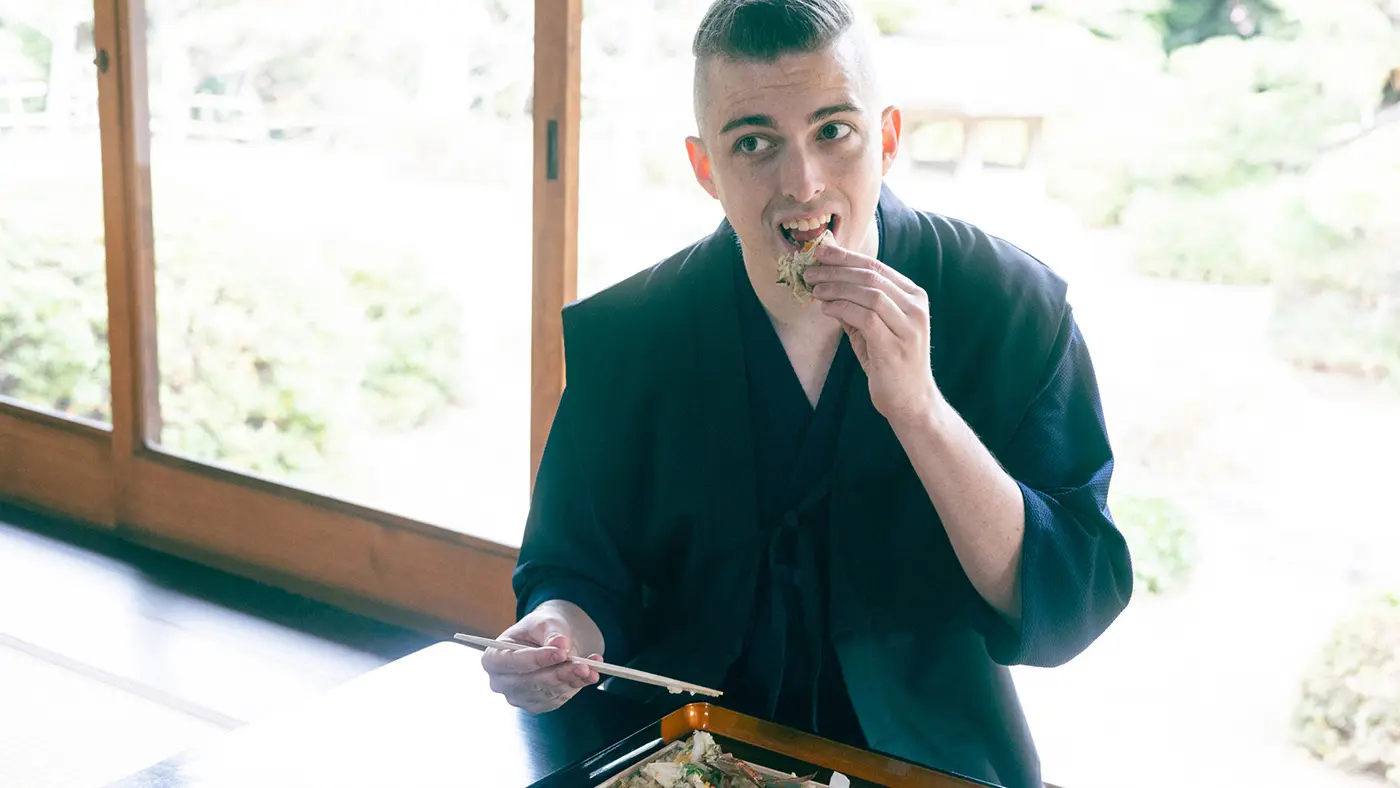
The silky, delicate meat of the blue crab is defined by its rich and distinctive flavour. Paired with Koshihikari rice from Fukushima Prefecture, which absorbs the flavourful broth beautifully, it creates a dish you’ll never tire of. James savoured each bite, completely absorbed in the experience. For those seeking even more indulgence, the restaurant also offers a blue crab course and a crab hot pot. Why not explore these hidden culinary treasures of Senshu for yourself?
It tastes even better than lobster, with a richer and more nuanced flavour! It has a refined sweetness that carries a touch of elegance.
Experience a Sumo Show Presented by a Renowned Ozeki-Ranked Wrestler!
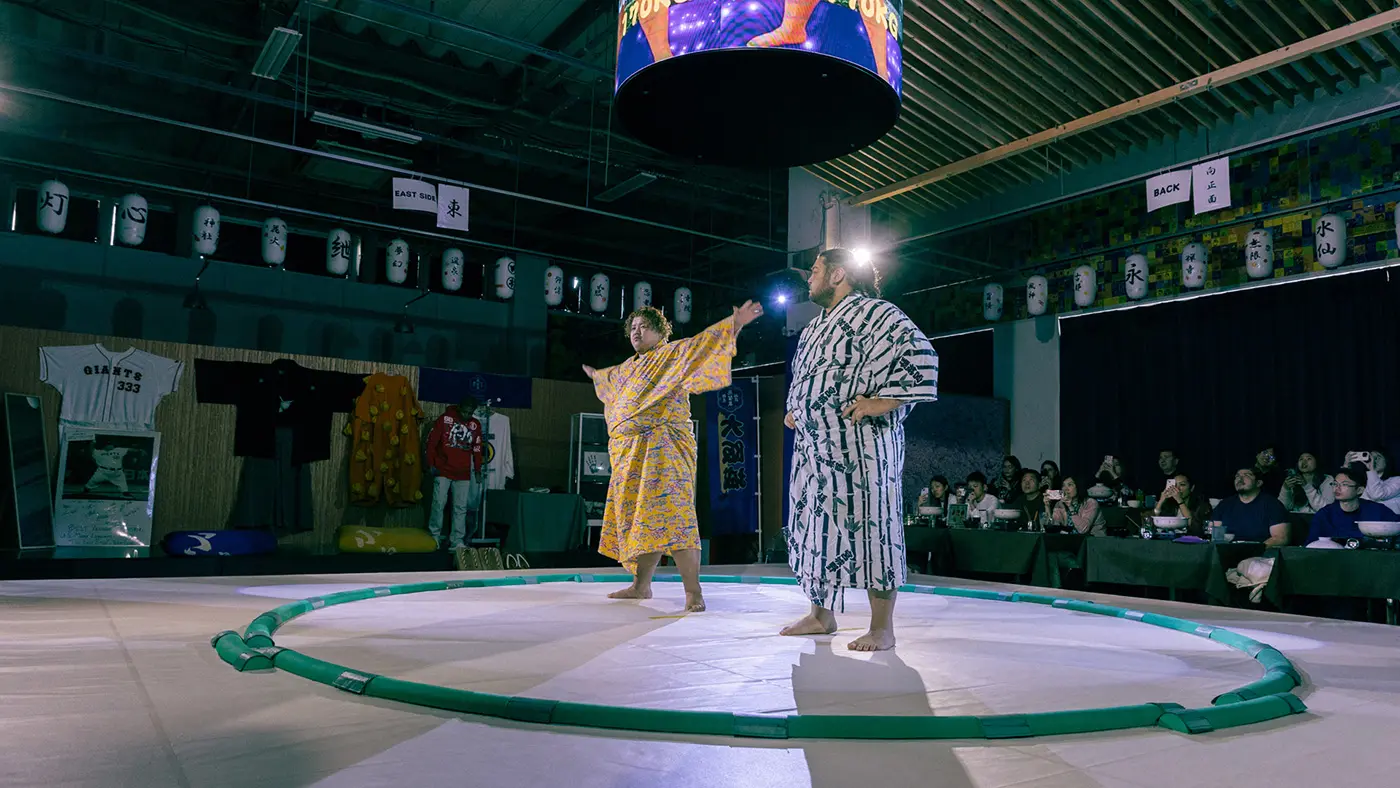

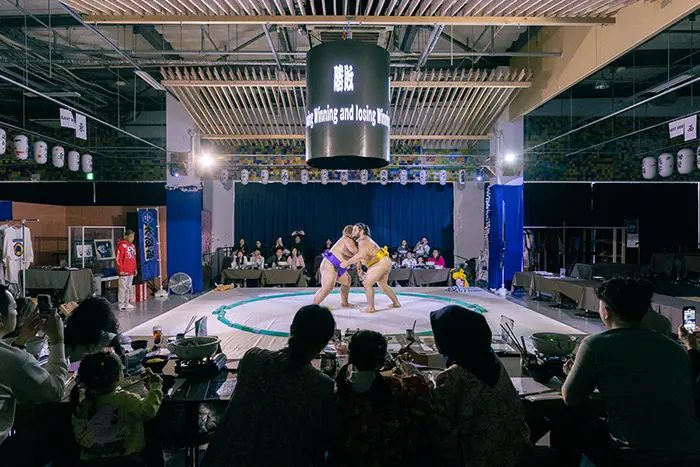
A 15-minute cab ride brought James to his next destination: the Sumo Restaurant Ochiizumibeya, located in the Rinku Pleasure Town Seacle. Owned and operated by Konishiki, a renowned former Ozeki (sumo champion), the restaurant offers more than just a meal. While enjoying chanko-nabe, the traditional stew of sumo stables, guests can also experience an authentic sumo show and gain insights into the fascinating world of sumo wrestling.
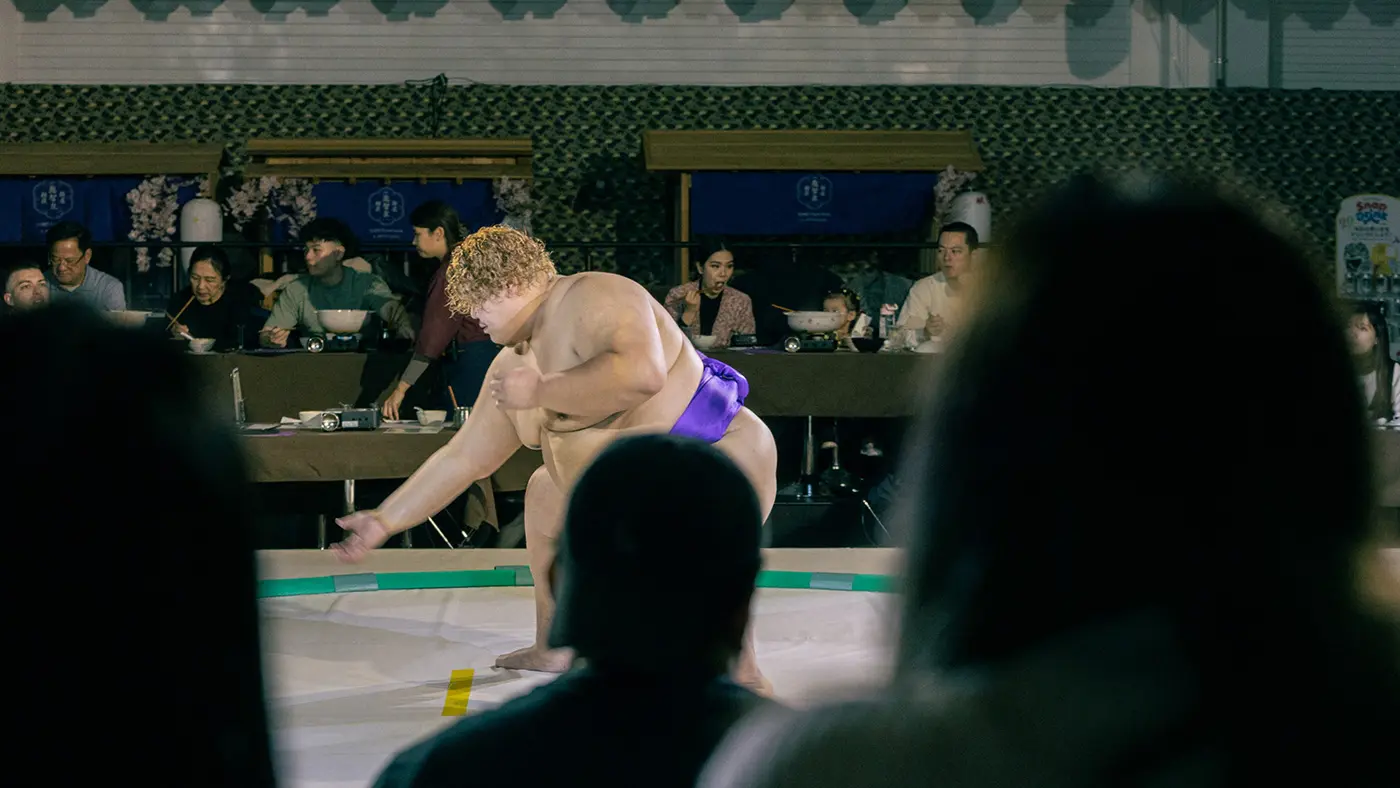
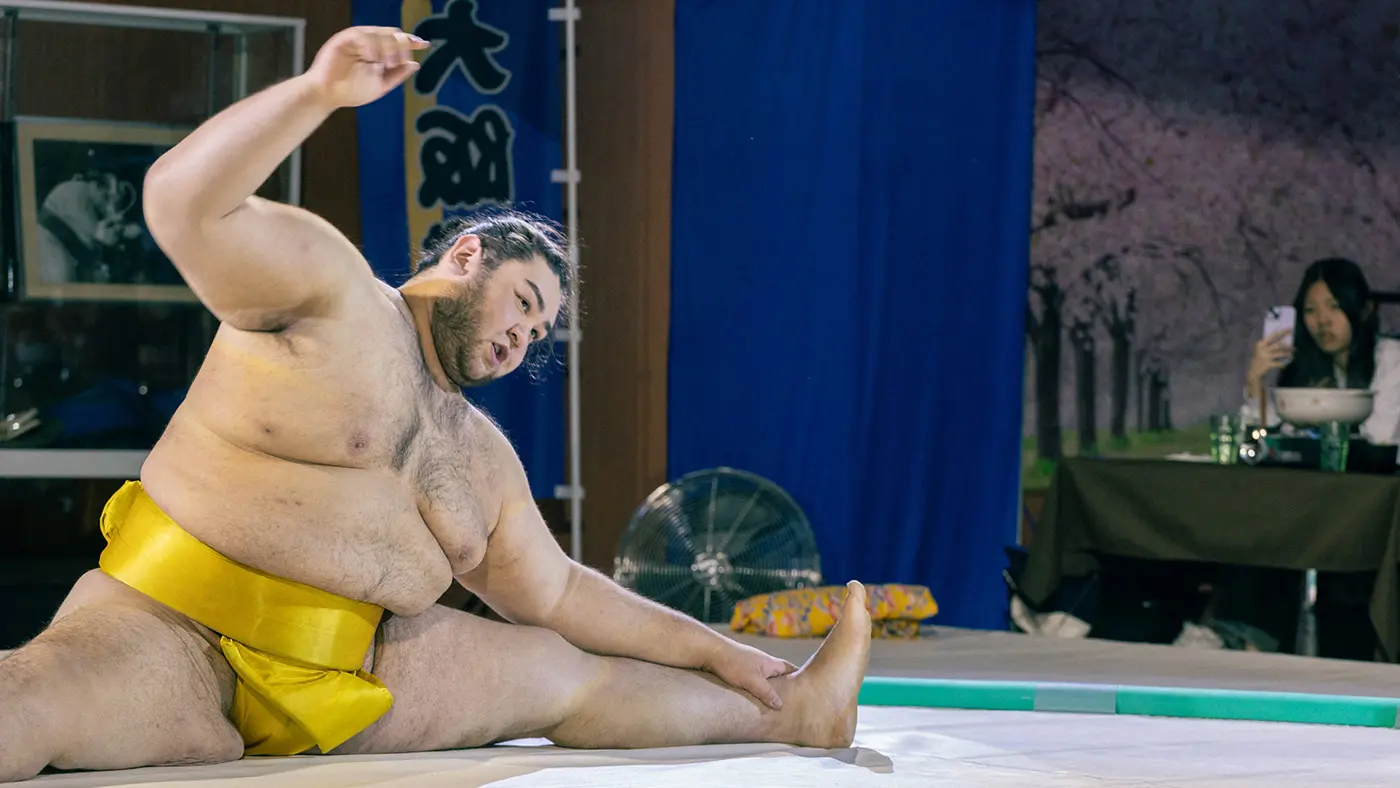
James opted for the 'Ume Course' for 13,000 yen, which offers the chance to enjoy the show without a meal. For those looking to indulge further, the 'Bamboo Course,' including all-you-can-eat chanko-nabe, is available for 17,000 yen.
As the host called them into the ring, two sumo wrestlers, 'Osaka Joe' and 'Otani,' made their entrance. They demonstrated fundamental sumo movements, including the shiko, where wrestlers raise one leg high in the air before stomping it down to symbolically drive away evil spirits. They also showcased an array of impressive clincher techniques.

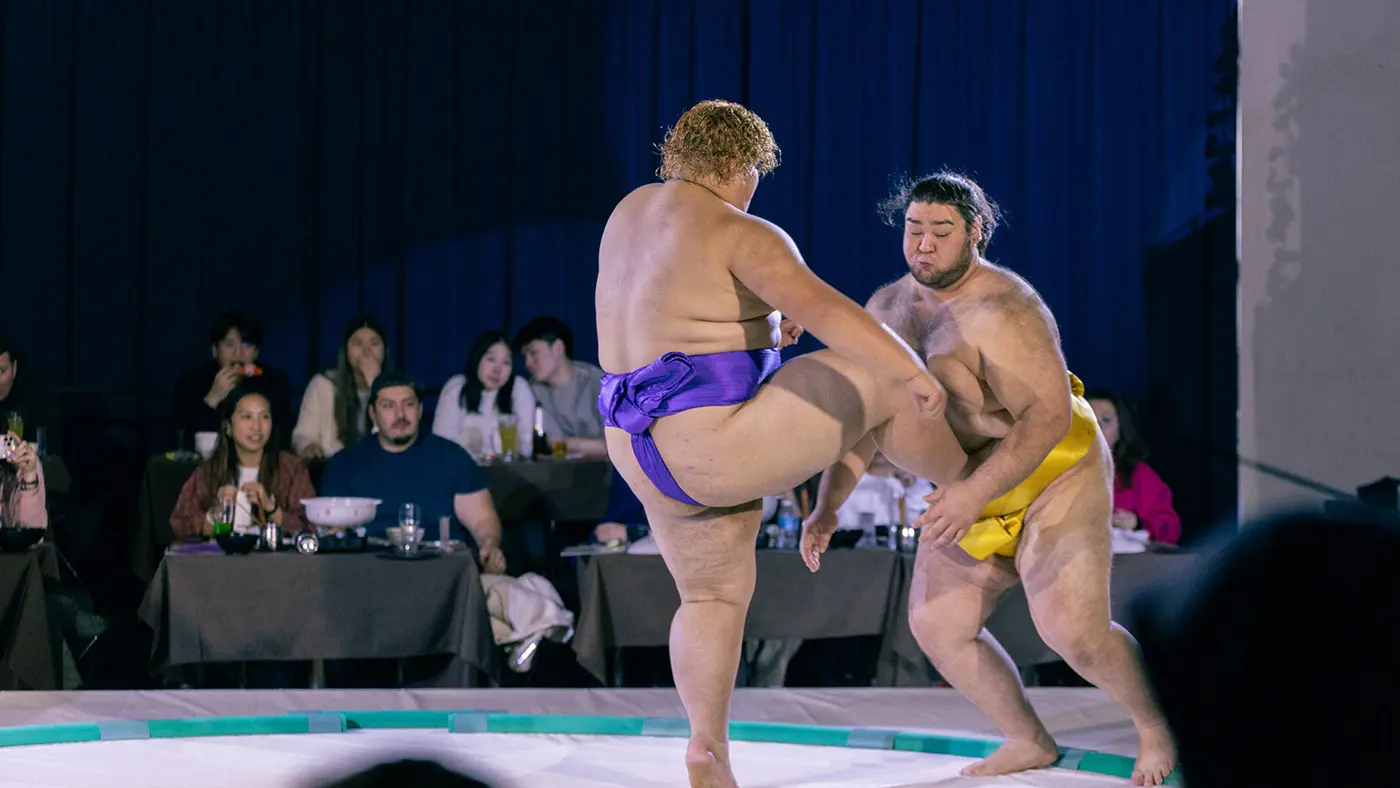

Between performances, the show includes an introduction to forbidden moves and a fun quiz where guests guess the wrestlers' weights. Humorous elements are woven into the presentation, adding a lighthearted twist to Japan's national sport and elevating it into an engaging and memorable experience.
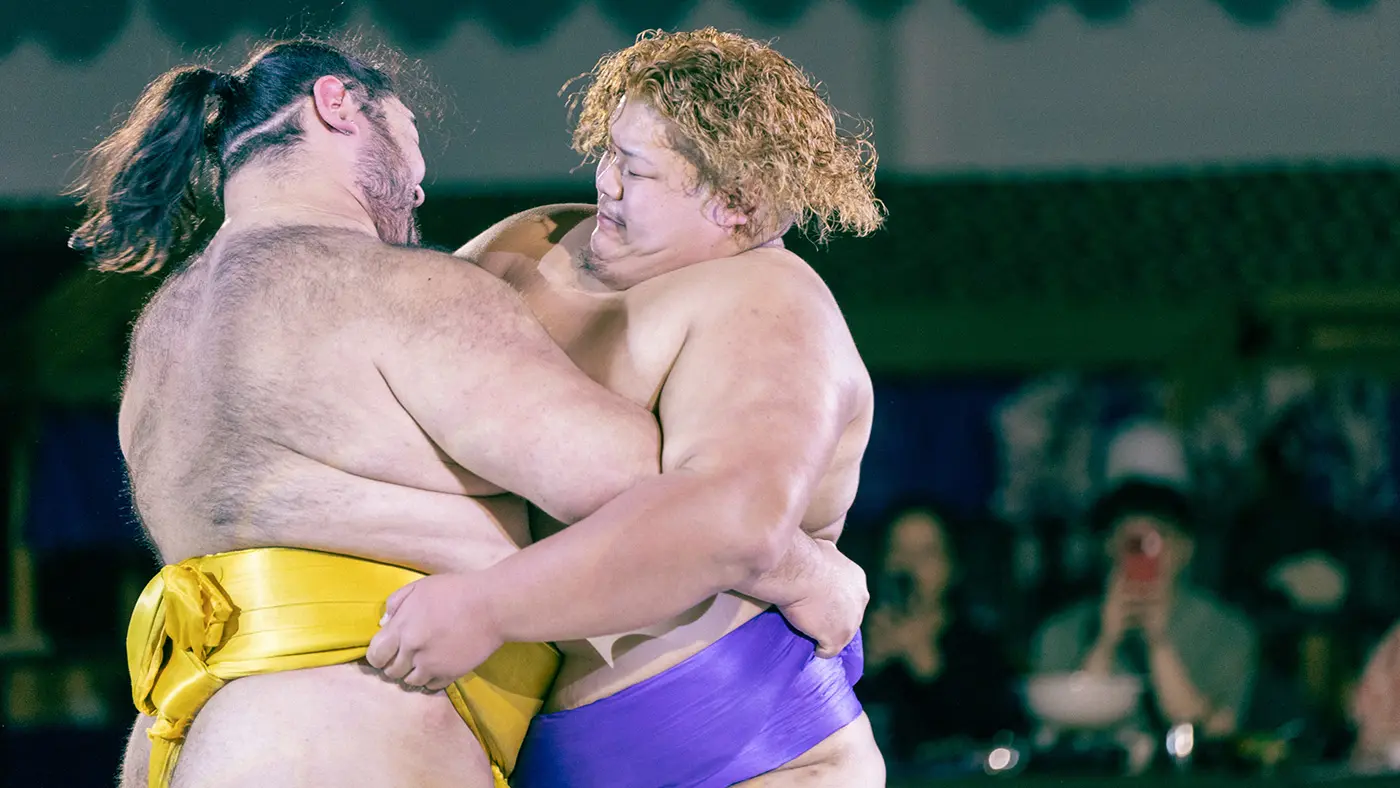
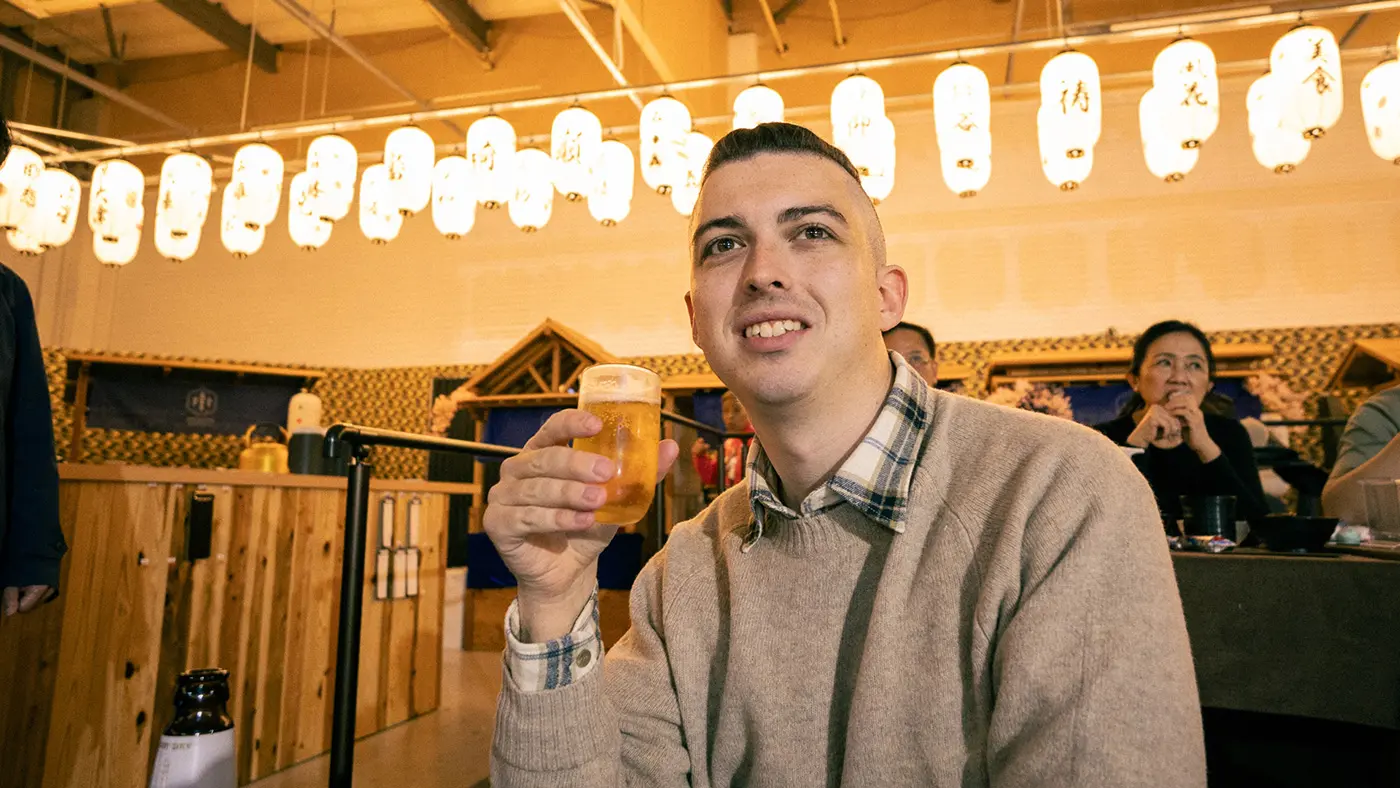
After a brief commentary, it was time for a best-of-three match. James watched eagerly as the two rikishi engaged in a spirited and competitive contest.

The show wasn't over yet—the final highlight was the ever-popular Sumo Experience Corner. Dressed in a sumo suit, James stepped confidently into the ring and managed to secure a big gold star victory against Osaka Joe!
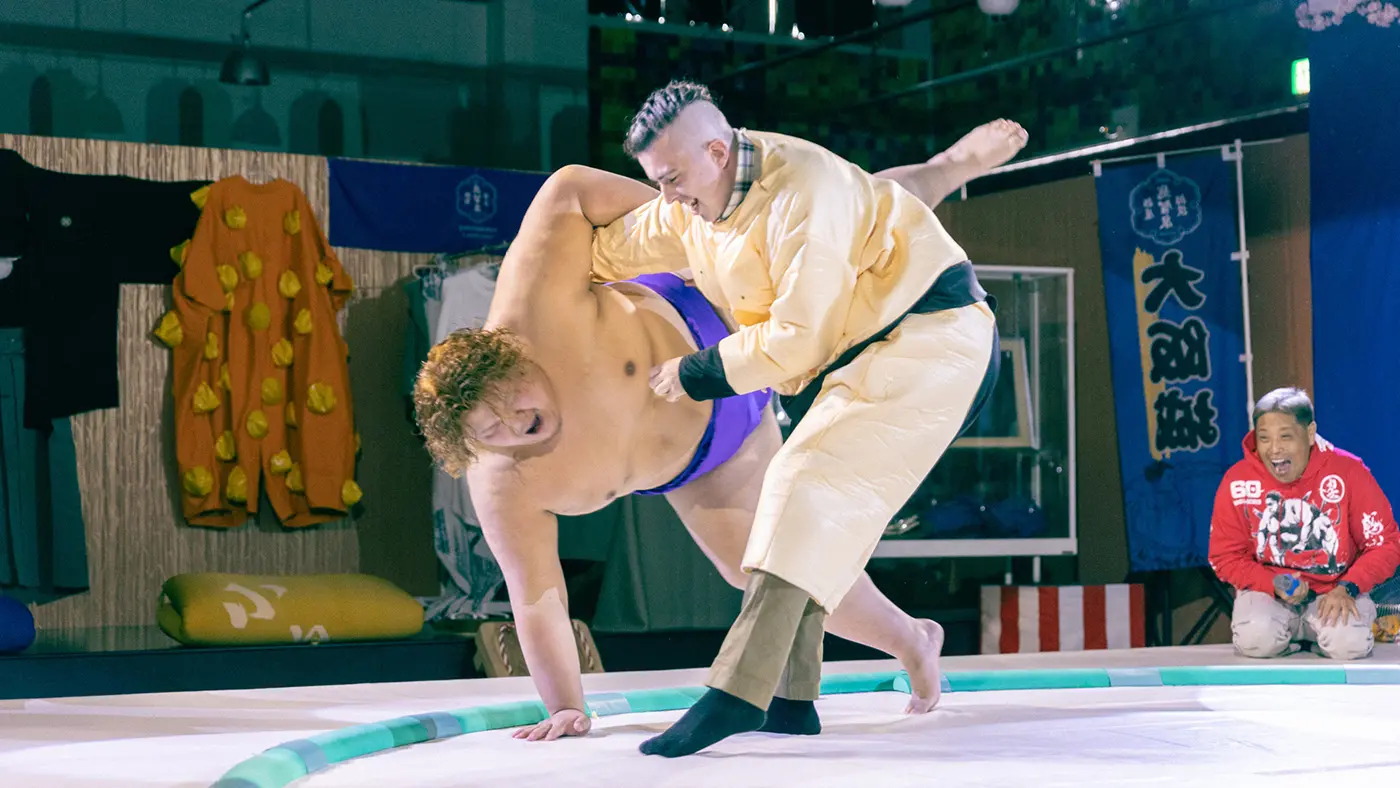

It's incredible to think that they practise each movement over 1,000 times a day just to maximise their chances of winning a bout that could be over in an instant. I'm truly in awe of the dedication and precision that goes into their training.
Finish your tour with “the Nippon” kaiseki!
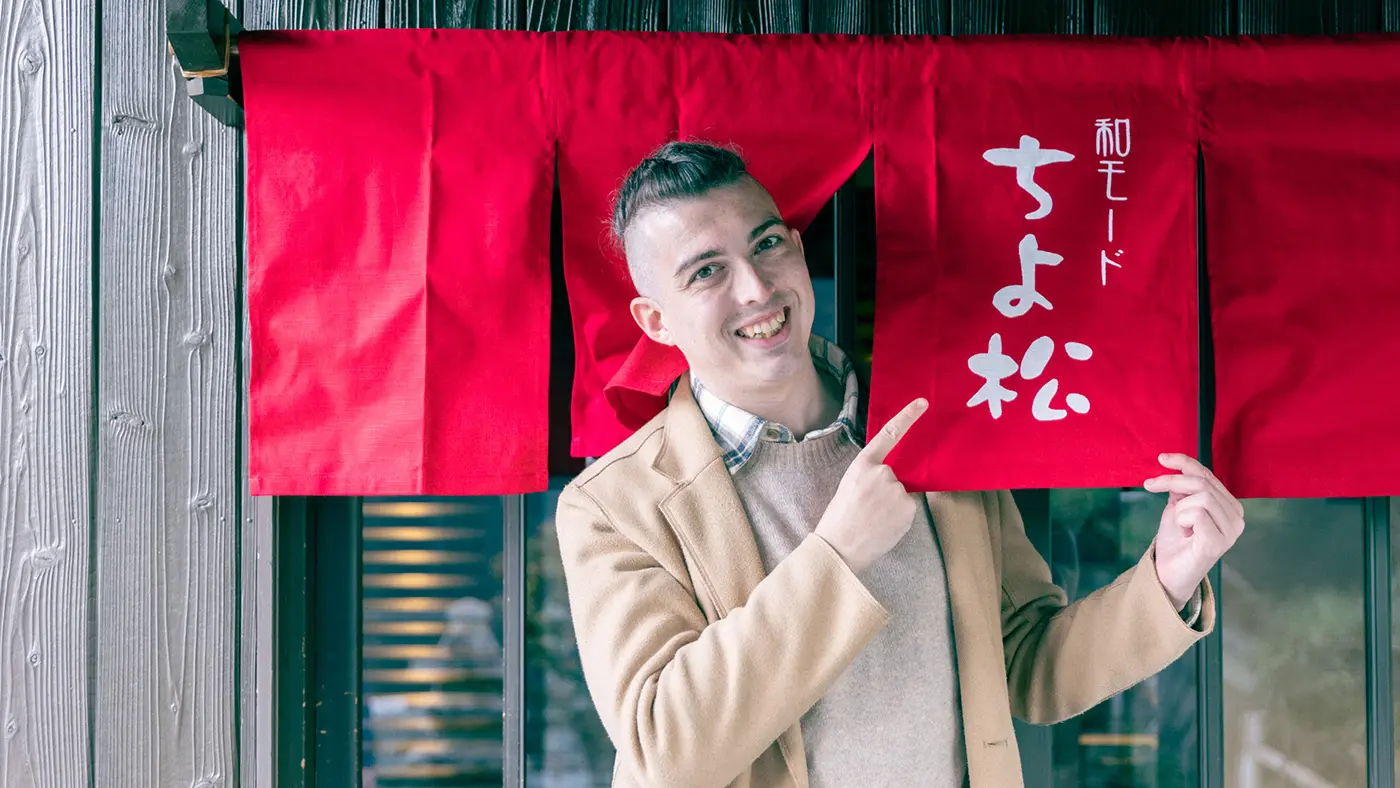
James' final stop was the Japanese restaurant Wa-mode Chiyomatsu, tucked away in a serene and secluded location. There, he enjoyed a meticulously prepared kaiseki meal, showcasing a variety of fresh, locally sourced ingredients.
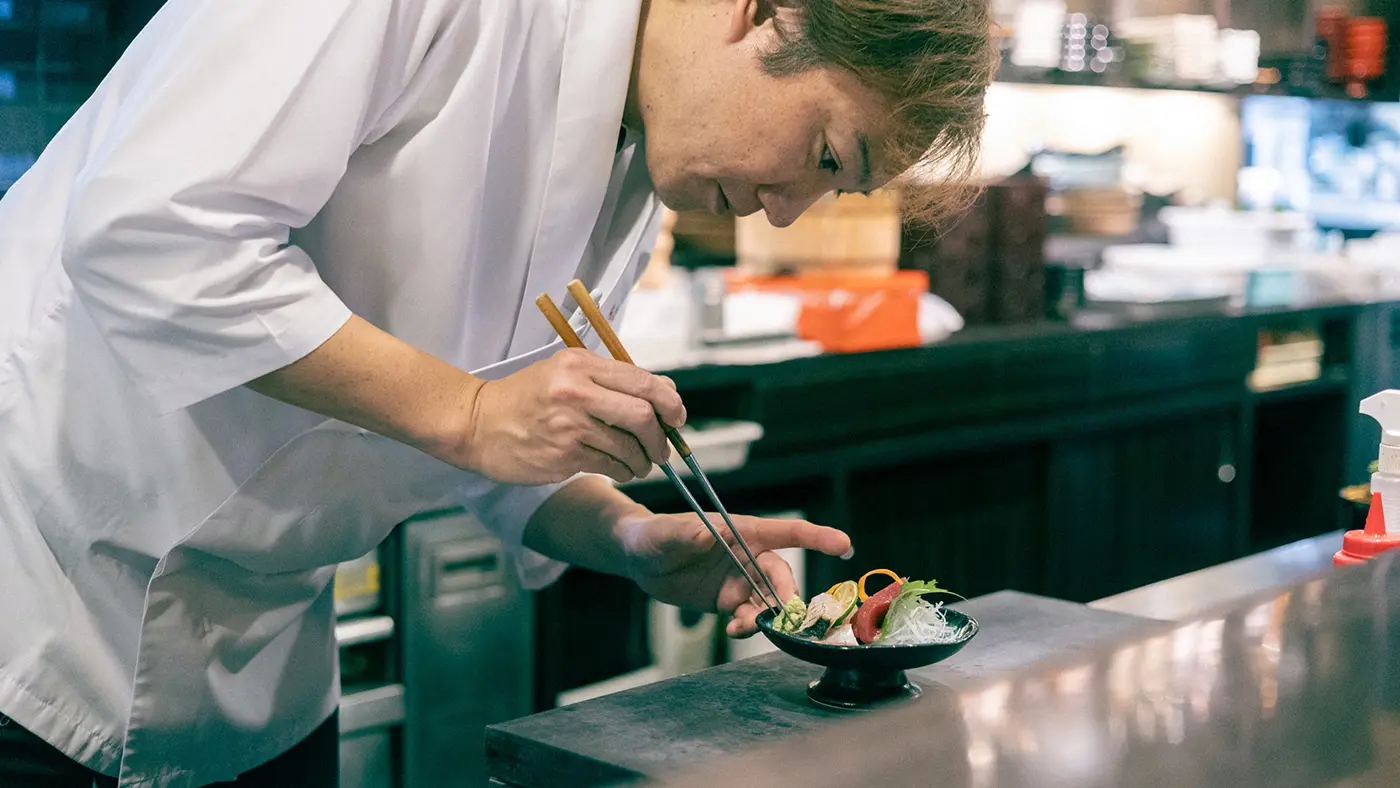
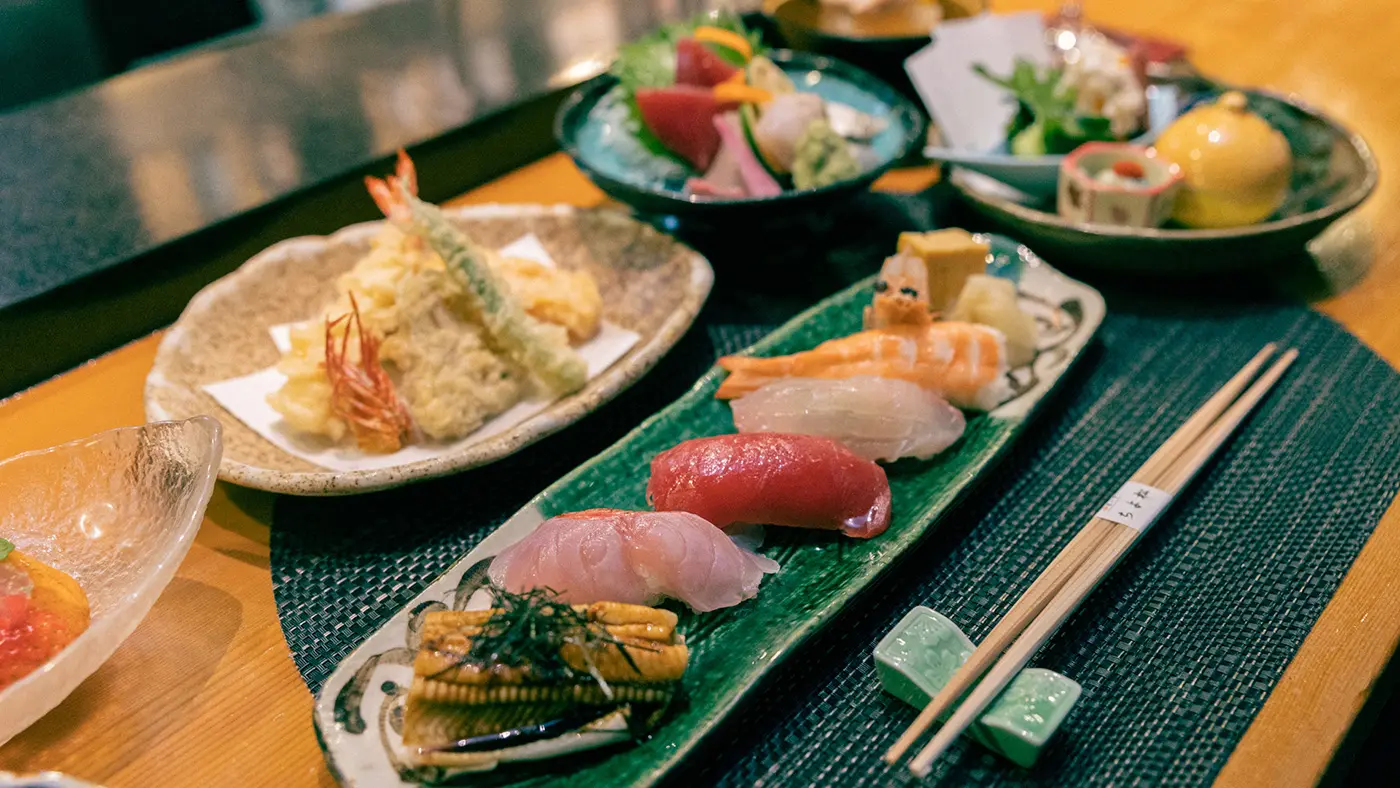
James opted for the 'Yamato' course, a seven-dish culinary journey featuring an appetiser, seasonal soup, sashimi, a special selection of fresh fish, tempura, nigiri, and a dessert. The menu boasts an impressive variety of seafood, including crabs, shrimp, and tai noko (red sea bream roe). Shinya Chiyomatsu, the restaurant's proprietor, explained that the sea of Senshu, part of Osaka Bay, provides a year-round bounty of fresh seafood. Through his carefully crafted cuisine, he hopes to leave guests with a lasting appreciation of this natural abundance when they return home.
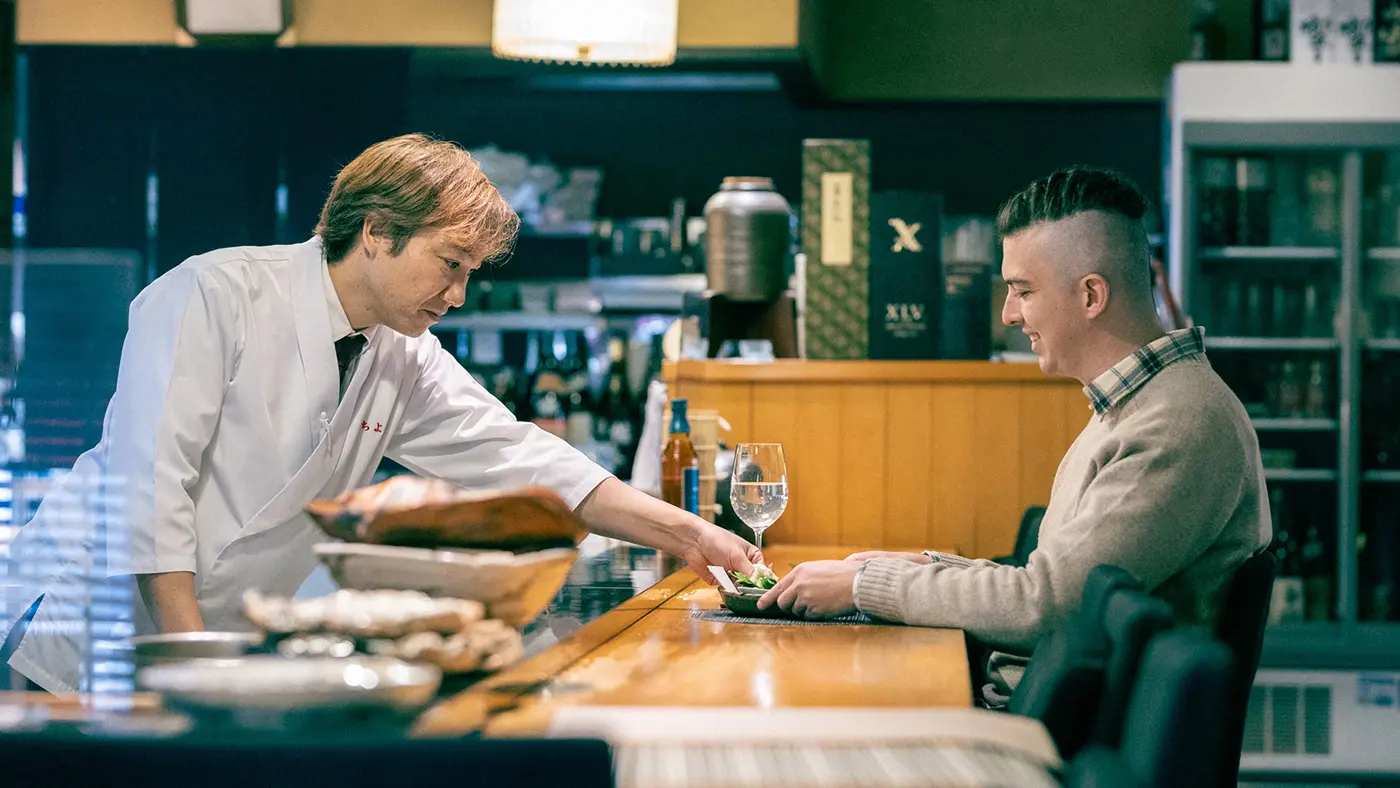
As each delicacy was served, James's curiosity was piqued. He inquired about the culture behind 'wan-sashi,' a dish combining soup and sashimi that showcases the restaurant's flavours, as well as the Sakai kitchen knives used by the chefs. This close interaction with the staff allowed him to delve deeper into the restaurant's traditions and techniques. The staff, all with backgrounds in the hospitality industry, brought their expertise and attention to detail, ensuring every aspect of the dining experience was exceptional.
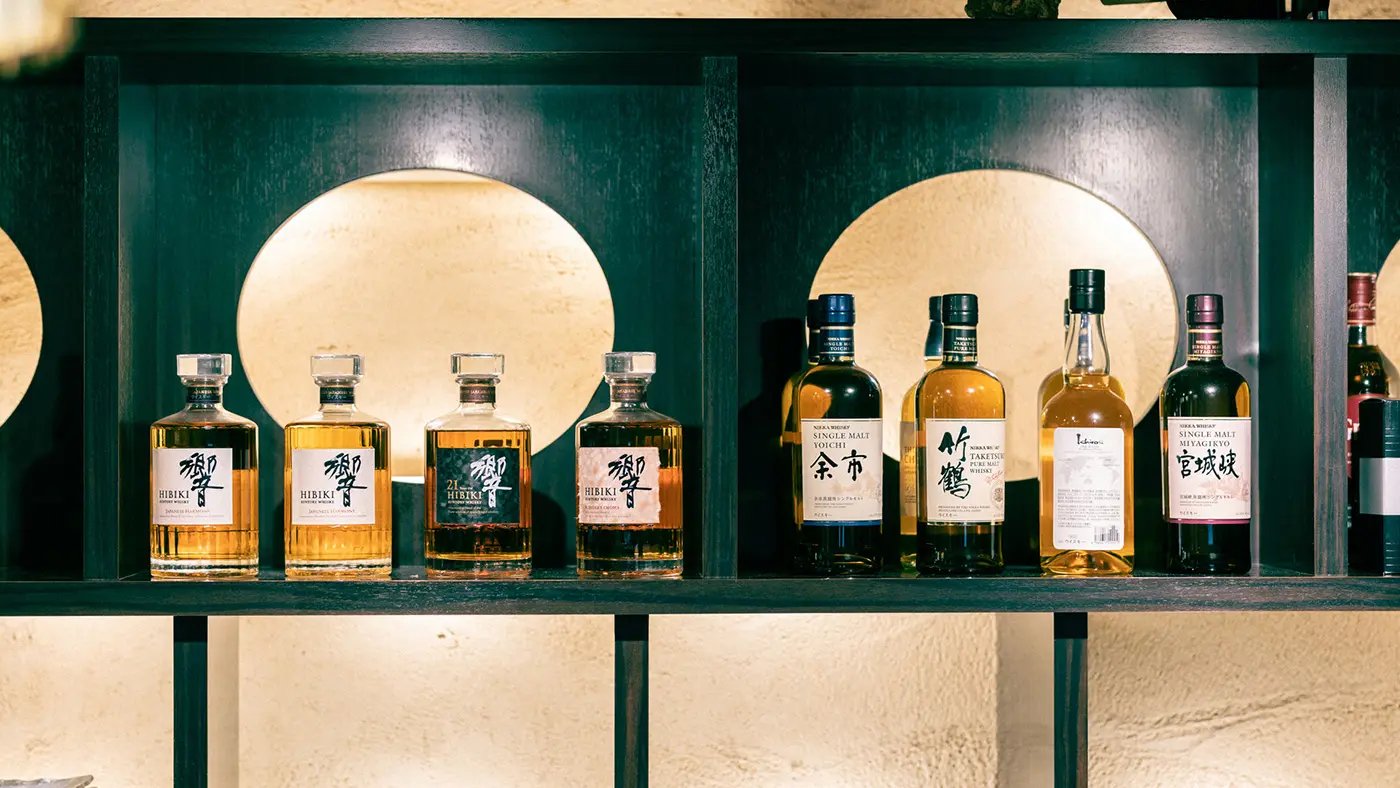
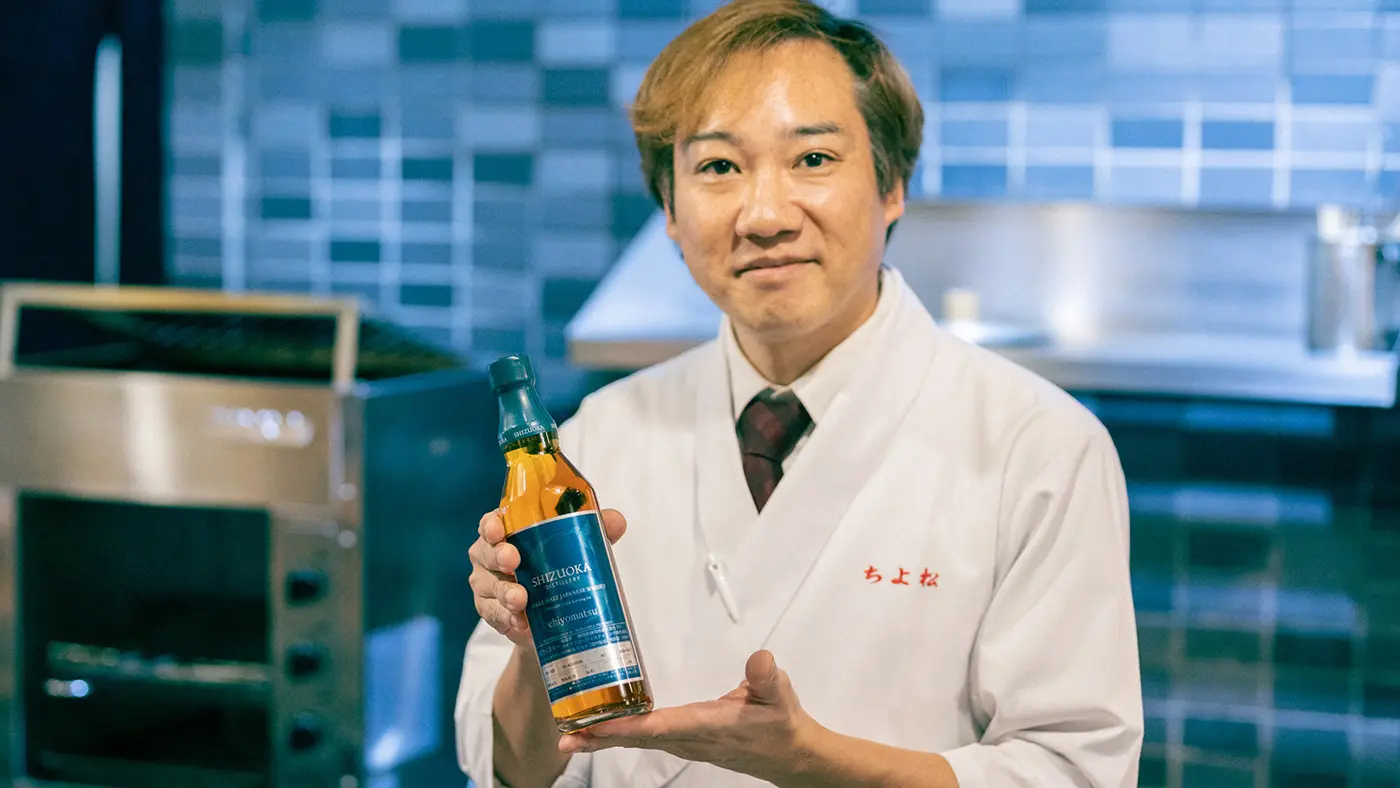
Another highlight of the restaurant is its extensive selection of domestic whiskies. These are thoughtfully paired with Japanese cuisine, creating a surprising yet delightful contrast. Chiyomatsu’s mission is to deliver 'memorable flavours,' and in this context, whisky plays an essential role in enhancing the dining experience.
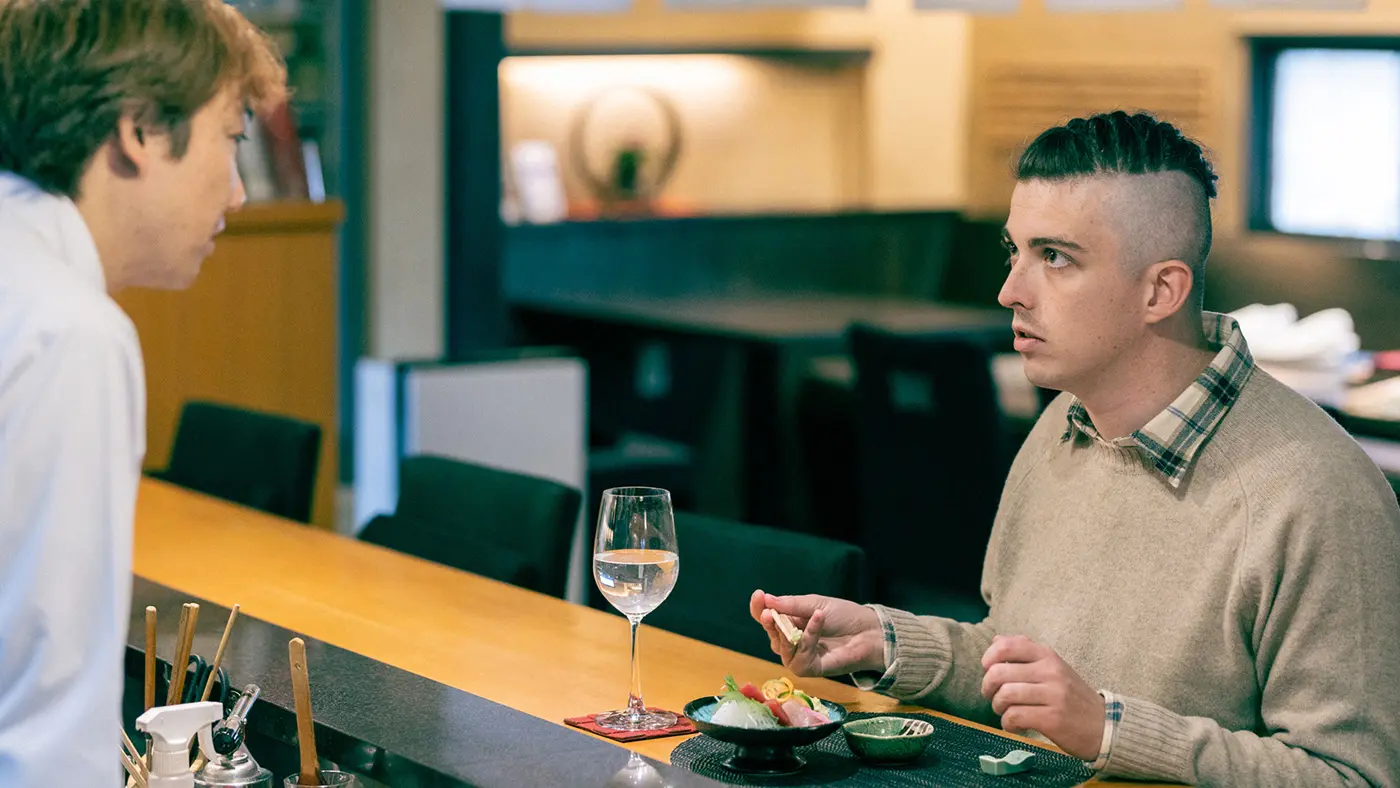
Through cooking with local ingredients, I had the chance to discuss all sorts of fascinating differences in the world of cuisine. It was incredible to hear from someone so knowledgeable and to learn directly about the nuances of Japanese dining and etiquette. This was a great opportunity to learn through meeting with the local people in such an intimate setting.
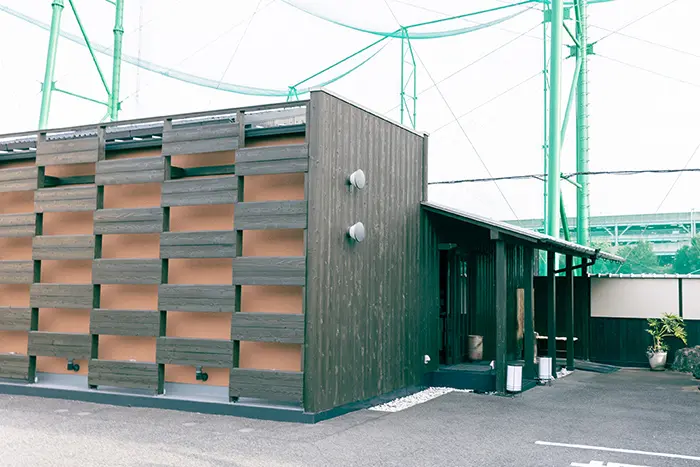
Discover Japan in a City Connected to the World!
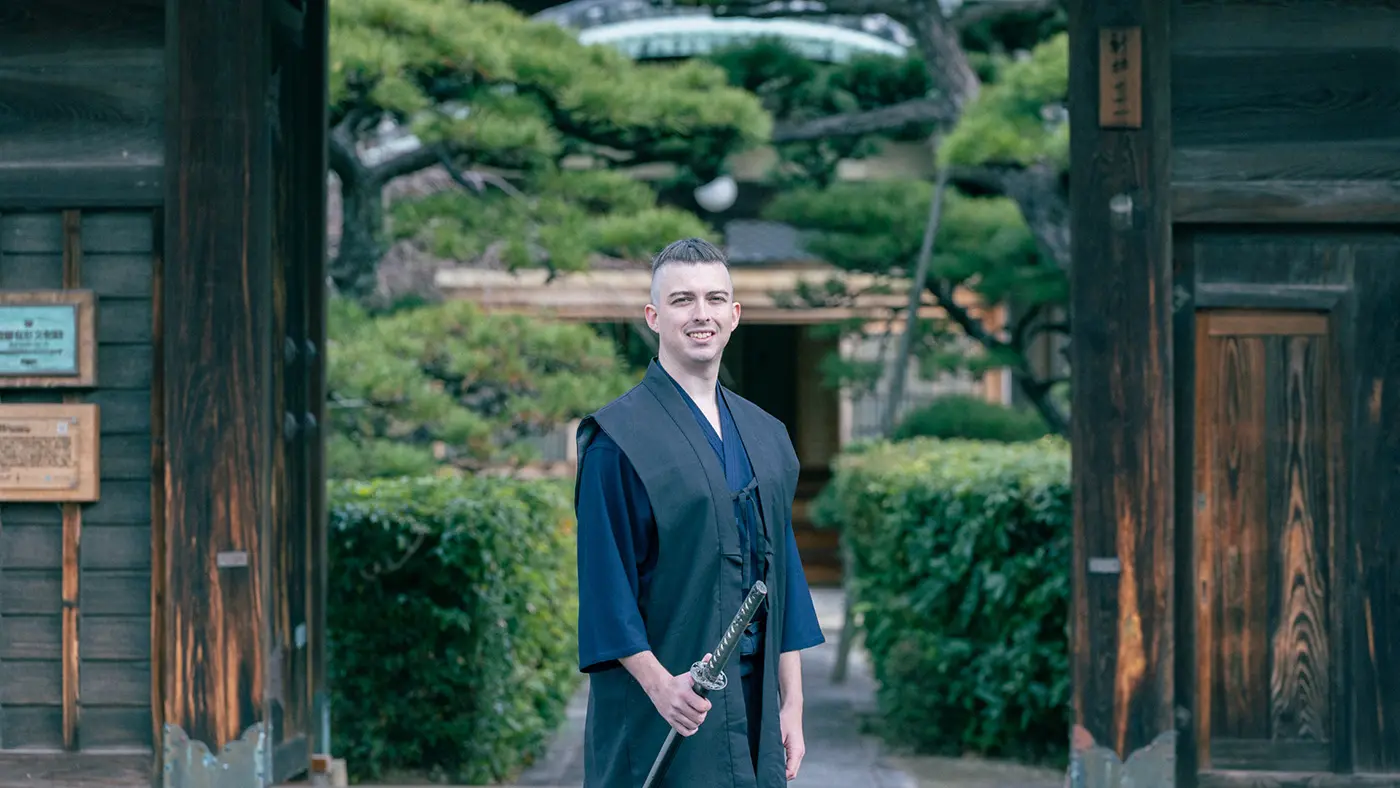
This tour provided an incredible opportunity to explore the multifaceted culture of Japan, from its stunning architecture and martial arts to its exceptional gastronomy. Reflecting on the experience, James remarked, 'I was truly stimulated by the chance to engage with such diverse aspects of Japan. This city offers so much more than meets the eye. I really recommend that people take the time to discover its unique charm instead of simply passing through.
*This article was migrated from “Shittonka Osaka.” The information provided is current as of January 2025 and may differ from current conditions. Please check the official websites of each store or facility for the latest operating hours and details.
Photo:Yuji Takatsu
Edit:Yuji Takatsu
Direction:NINGEN Editorial Department(NINGEN Inc.)
Recommended guided tours
Osaka Sumo Show and Kimono Haori Experience (Meal Included)
*Supported languages: English (US and UK), Korean, Chinese
Make a reservation hereRecommended guided tours
A unique samurai experience at a cultural asset in Osaka
*Supported languages: English (US and UK), Korean, Chinese
Make a reservation here