 Copy Link
 X
X
 Facebook
 LINE
LINE
 LinkedIn
 Pinterest
 WhatsApp
 KakaoTalk
 NAVER
NAVER
 Weibo
Weibo
 WeChat
 Mail
Mail
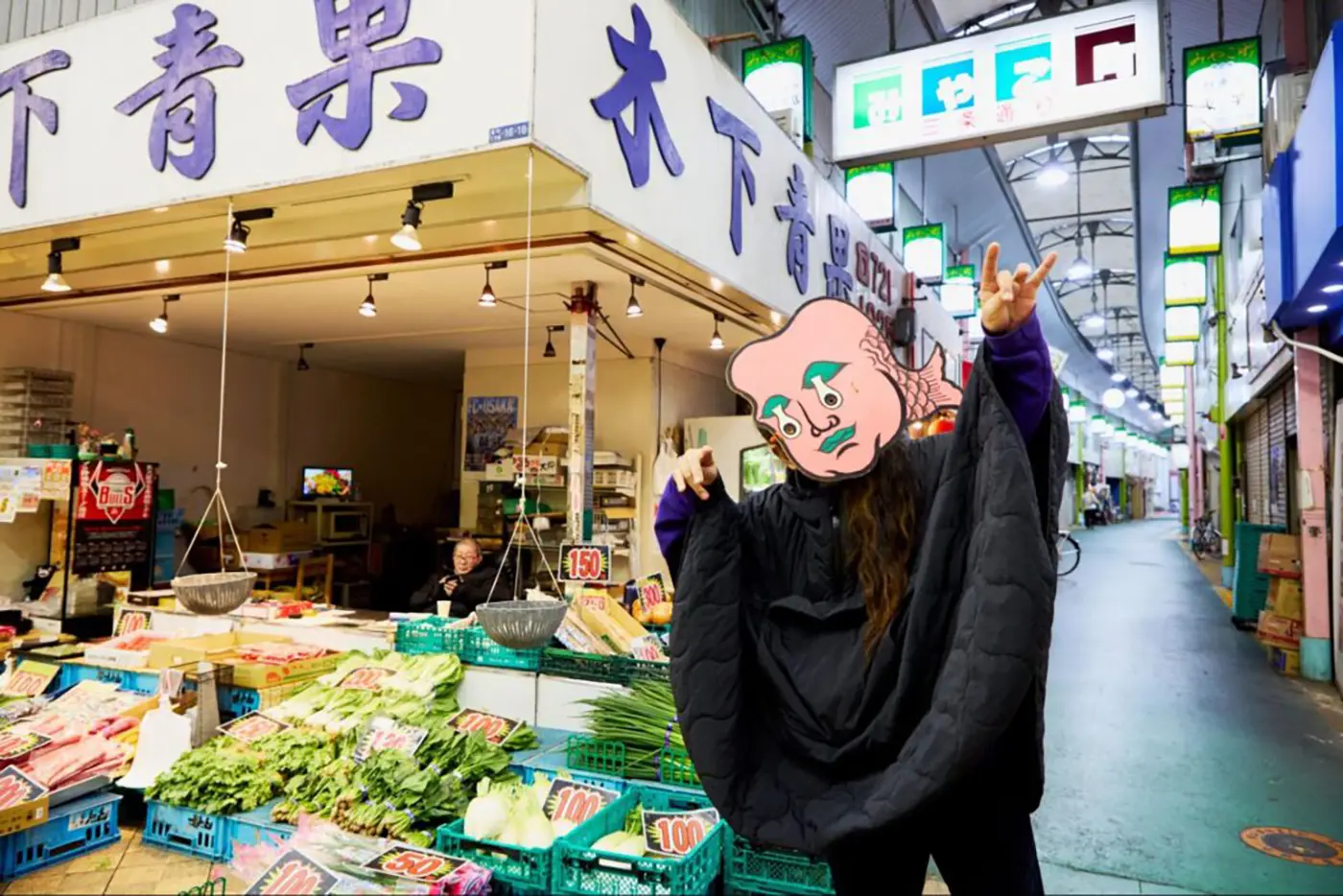
The shopping district of Fuse, a downtown district that has flourished since the Taisho era, is full of yokai…? Here is a model sightseeing course, the “1 DAY Local Tour”, recommended by Gin-san, a Fuse guide, that leads you through a secret Osaka only known to insiders.
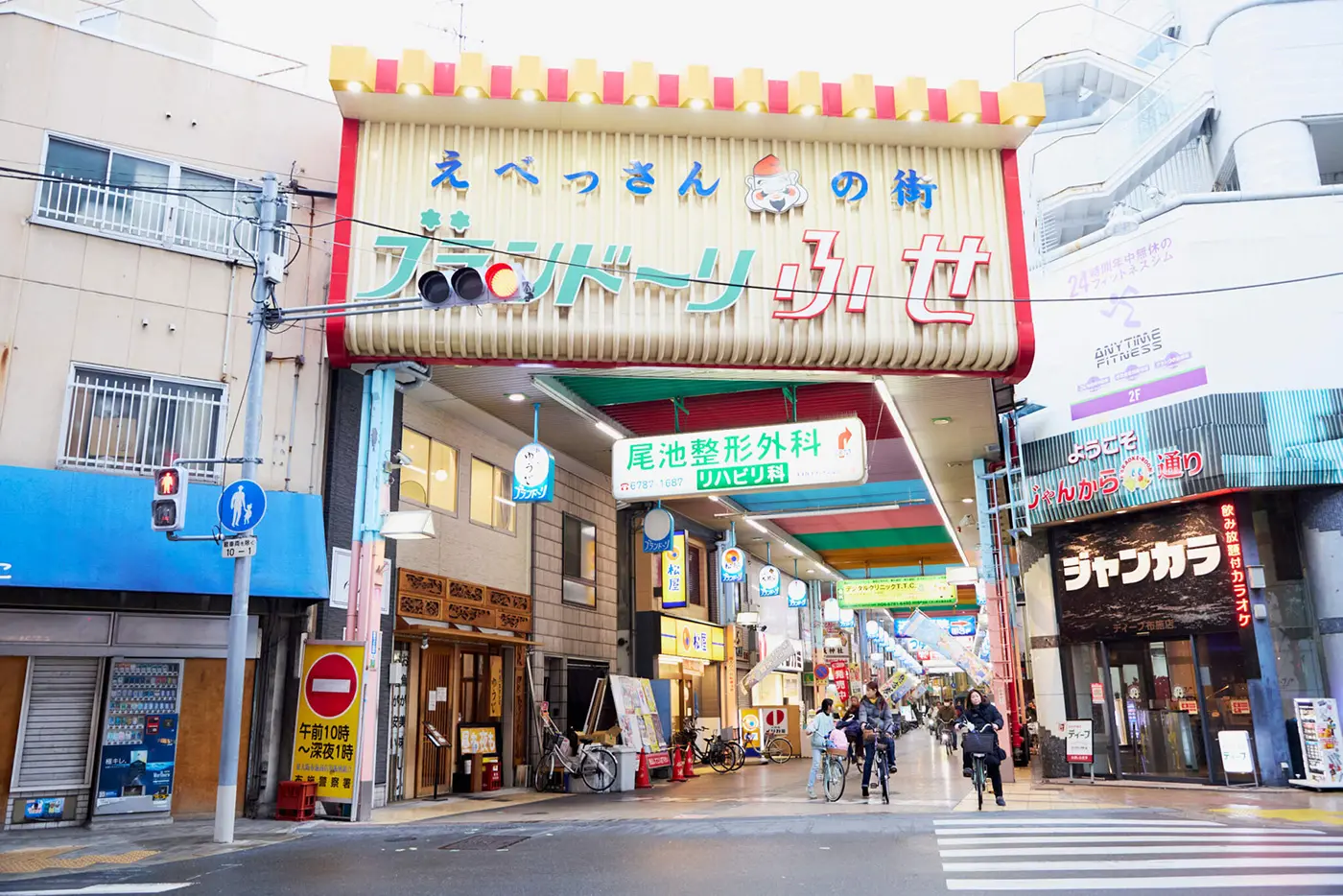
The Fuse area* is located on the western edge of Higashi-Osaka city. Since the station opened in 1914 (Taisho 3), this town has flourished as a key transportation hub connecting Osaka and Nara. It is the leading commercial district in Higashi-Osaka, a city at the forefront of manufacturing, and is also known as the town of Ebessan, as it is home to Fuse Ebisu Shrine, which enshrines the god of prosperous business.
*Fuse, Kawachi, and Hiraoka were merged to form Higashiosaka in 1967, so there is no administrative municipality known as Fuse today.
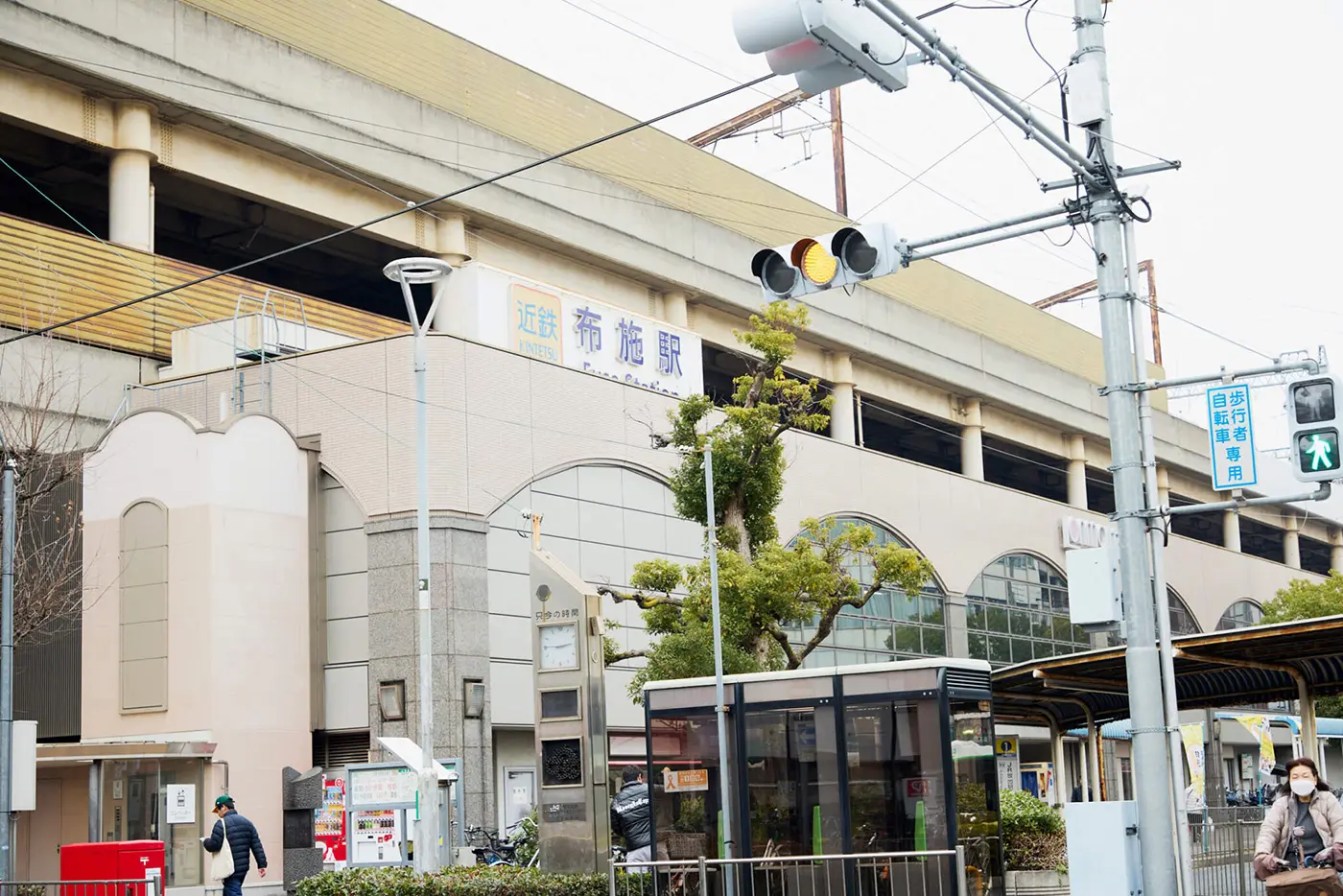
The area around Fuse Station is just a 10-minute train ride from Kintetsu Osaka Namba Station Here, you’ll find the Kintetsu Department Store directly connected to the station, as well as many stores and facilities, including a shopping mall and a home improvement center. The shopping district, which traces its history to before the beginning of World War II, is lined with a variety of stores that play their part in supporting the lives of the city’s residents.
One event that has been livening up the Fuse shopping district in recent years is Yokai Atsume (Yokai Collecting), which began in 2017. Yokai are monsters and spirits from Japanese folklore. Participants in the event can find and take photos of yokai hiding in the shopping district; if they do, they can enter a raffle to win prizes. Yokai Atsume has become an autumn tradition that attracts more than 3,000 people, children and adults alike.
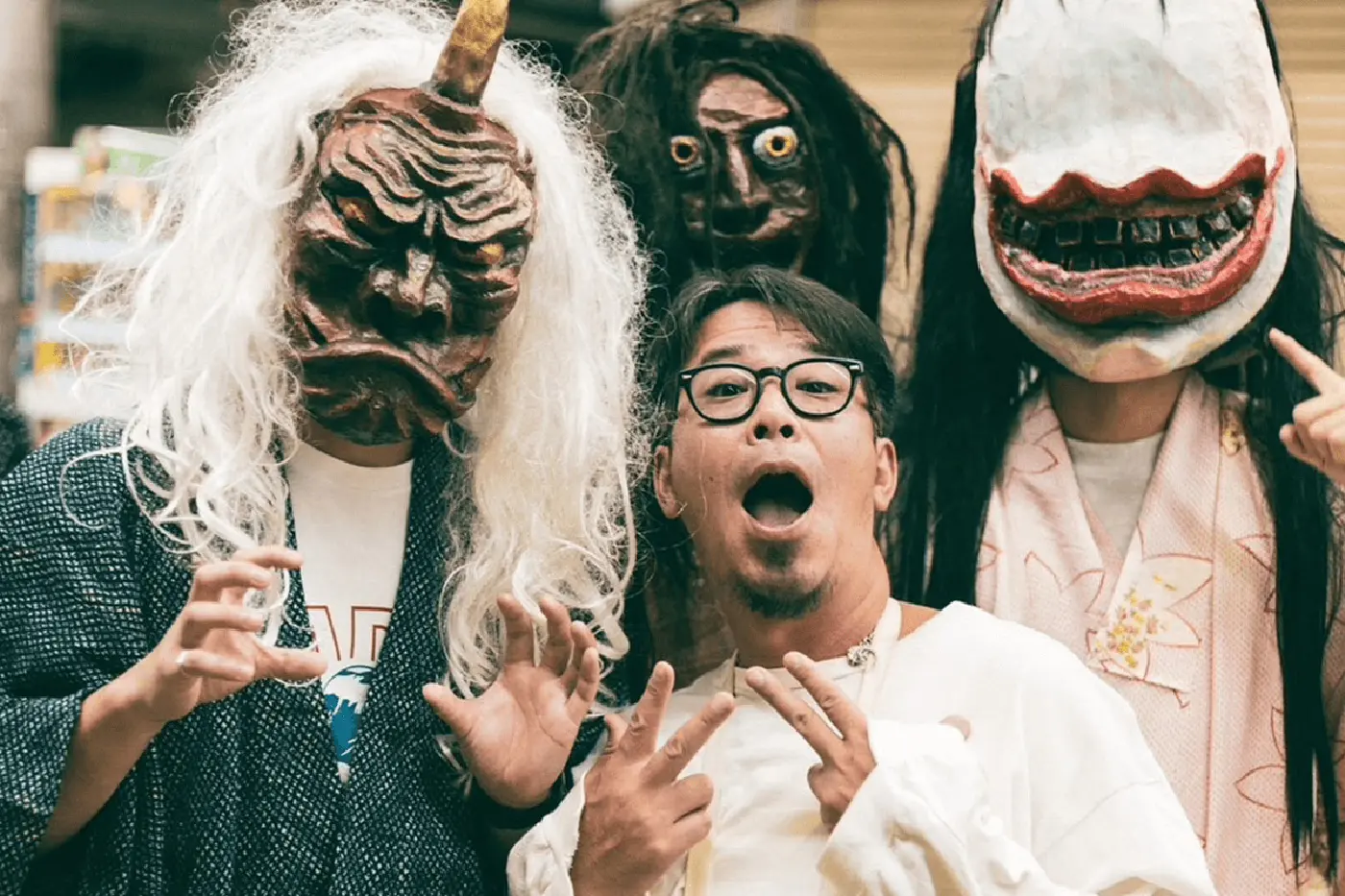
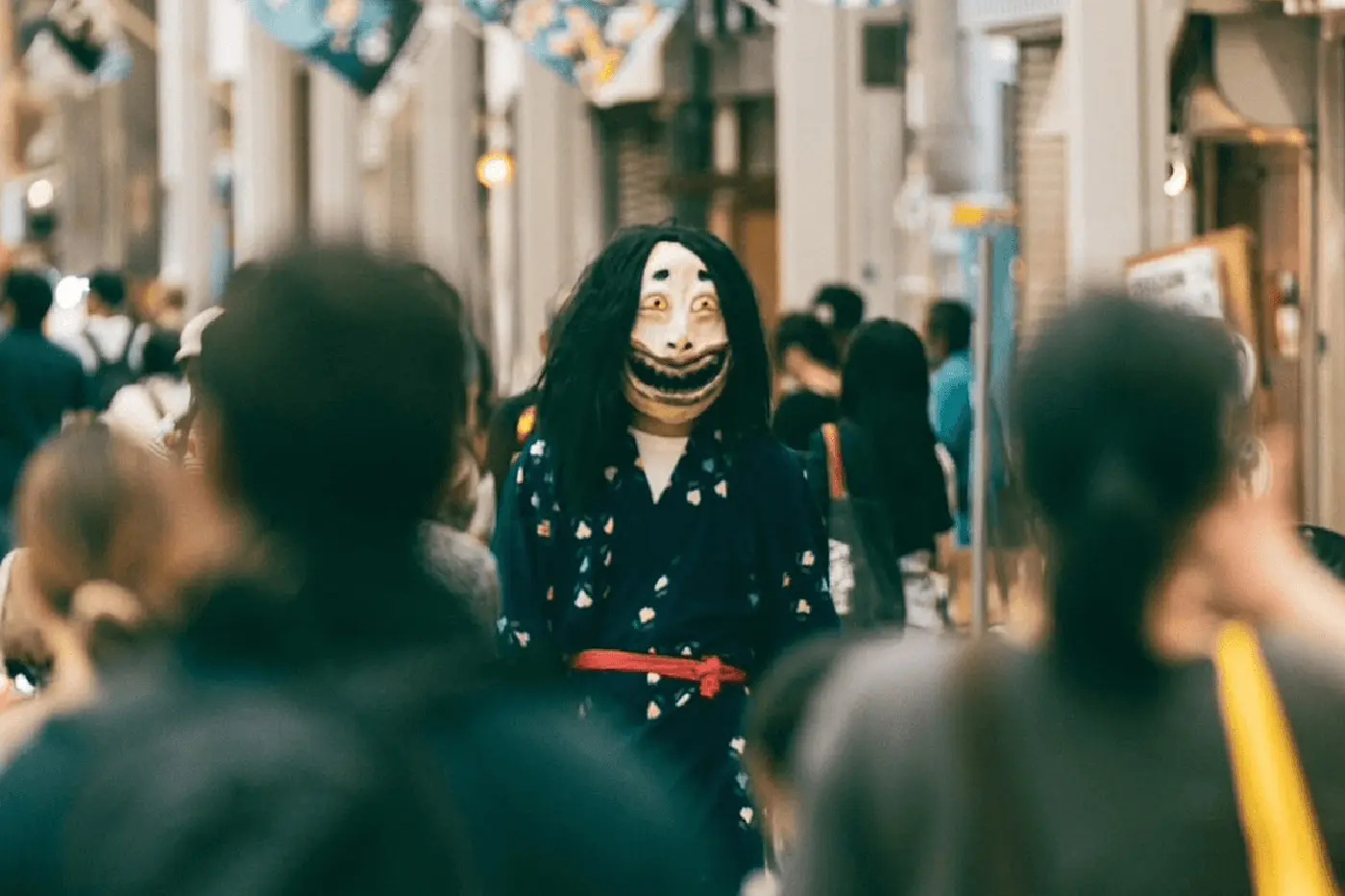
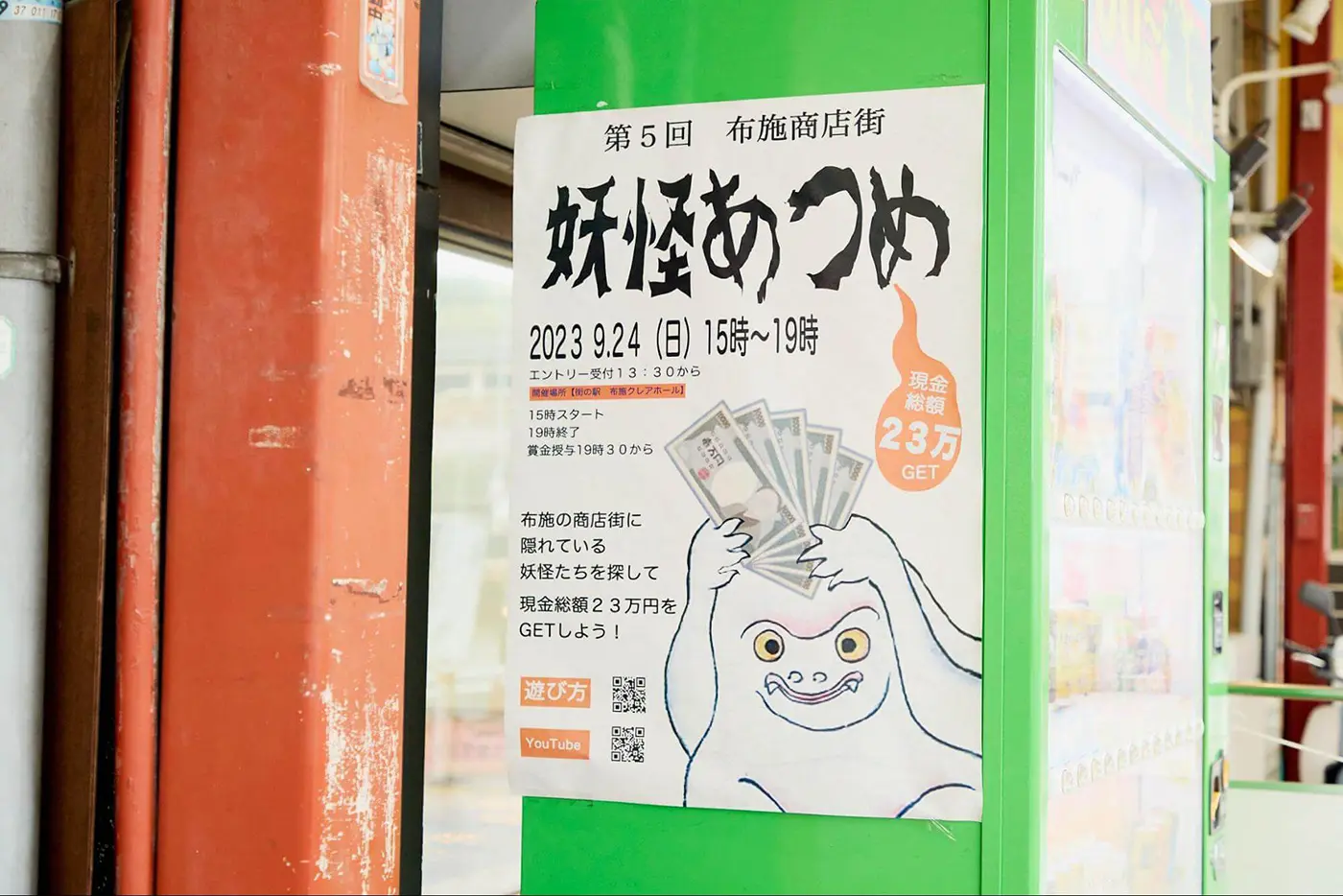
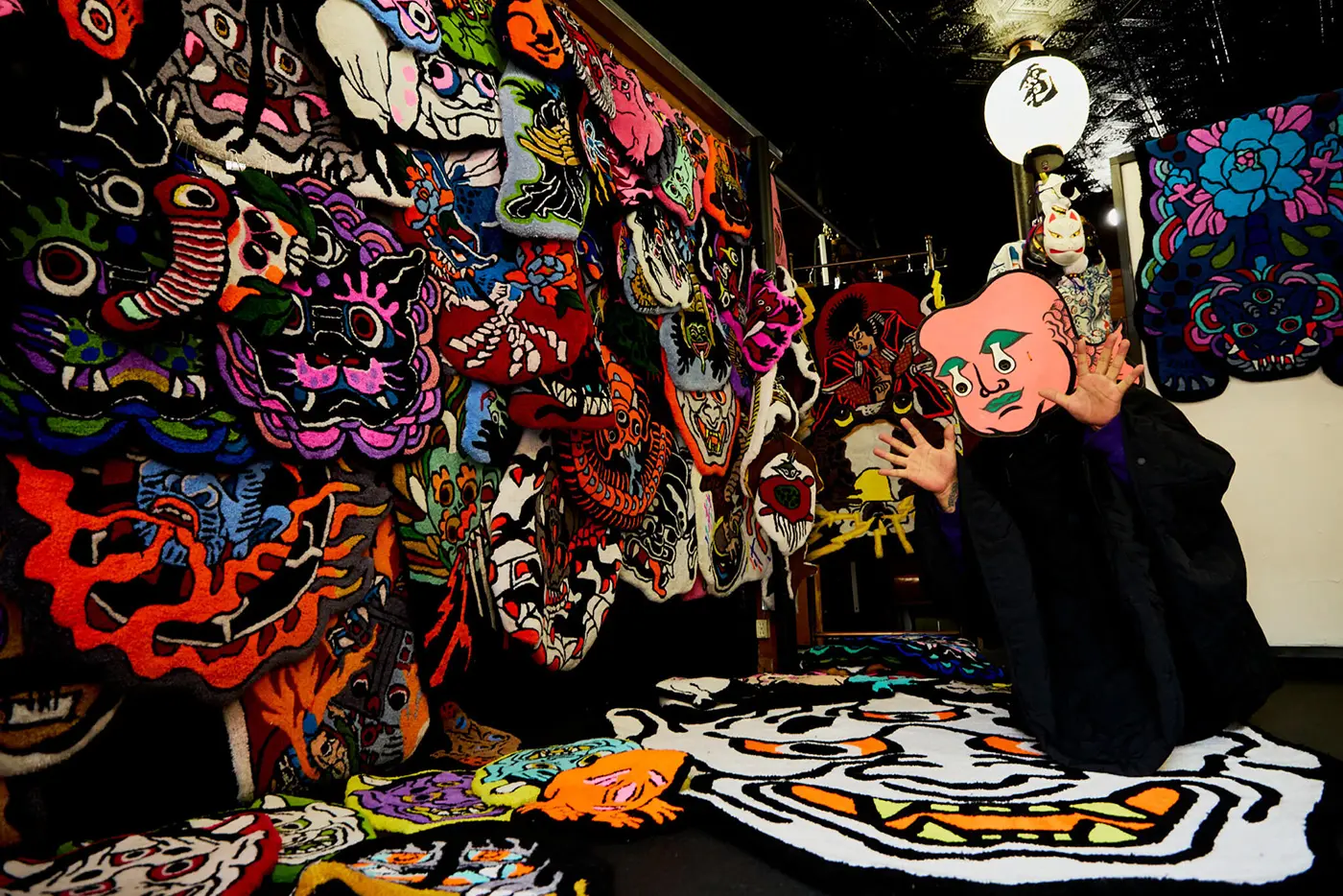
The man behind this event is Gin-san, a sculptor from Hiroshima Prefecture. When he was 21 years old, he happened to stop by this place and ended up settling here. We had him guide us through Fuse, the city of yokai.
Guide
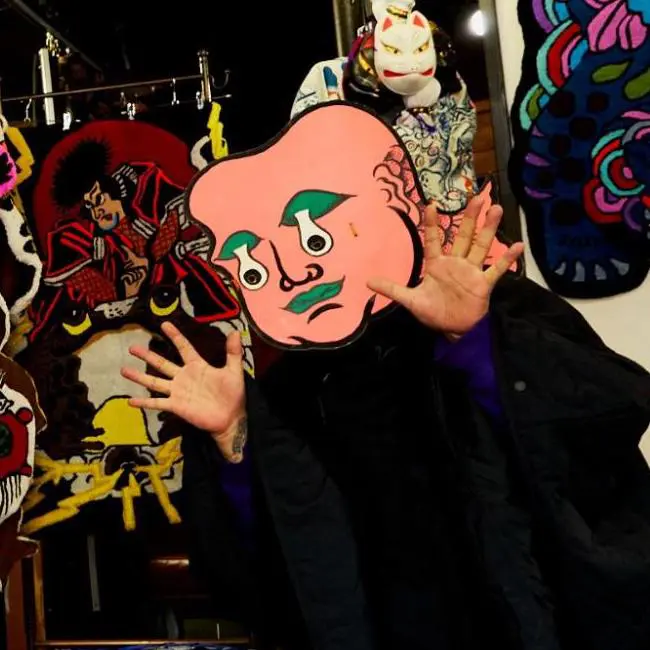
Born in Hiroshima Prefecture. After running a business from a mobile kitchen car in his hometown, he moved to Osaka at the age of 21. In 2017, he started the Yokai Atsume event to revitalize the shopping district, and in July 2023, he opened Biribiri Monster, a store specializing in yokai.
The Fuse shopping district spreads out like strands of a web
The Fuse shopping district consists of many shopping arcades spreading out like strands of a web, including Petit Road Hirokoji, which stretches southward from the traffic circle in front of the station; Flower Road Honmachi, which runs southward from under the elevated railroad tracks on the west side of the station; and “Brandori Fuse,” which runs northward.
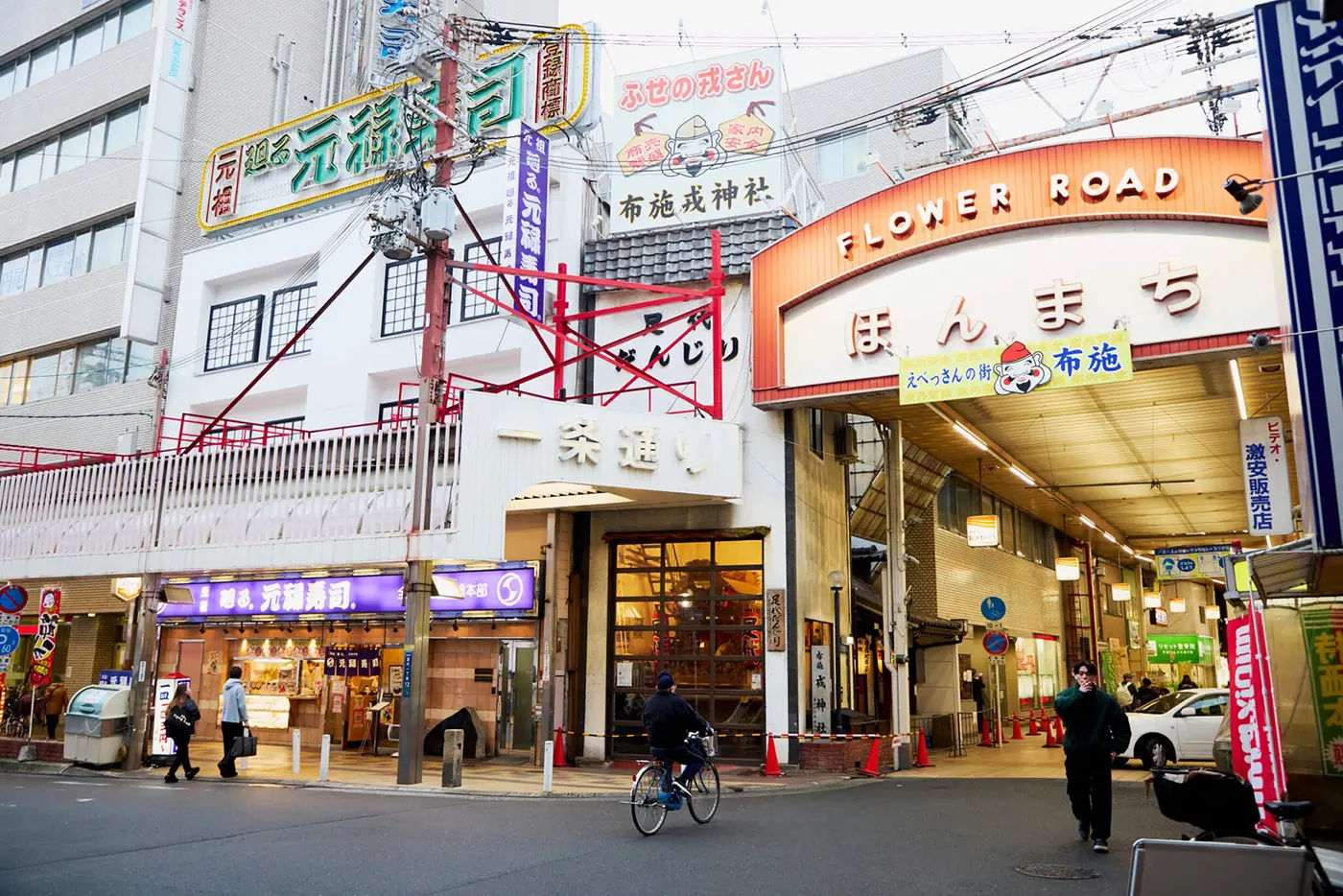
This neighborhood is also the setting for Journey Under the Midnight Sun, the popular novel written by Keigo Higashino.
First, let’s take a stroll through the shopping district.
Flower Road Honmachi, a road overflowing with warmth where you can eat while you walk
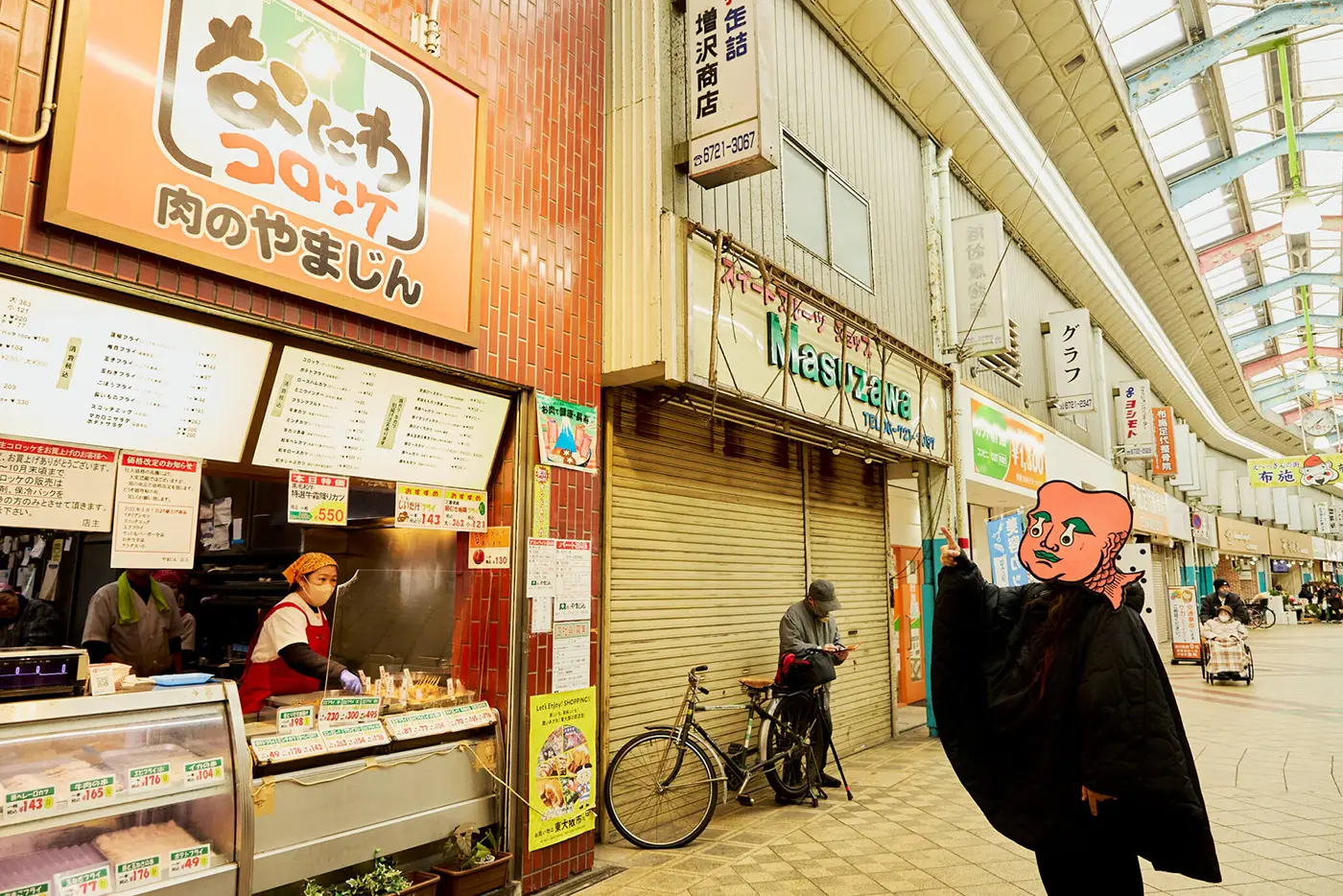
Flower Honmachi, which leads up to Fuse Ebisu Shrine, is a downtown shopping arcade dotted with old-fashioned stores. It is characterized by the many restaurants and eateries that offer light meals that you can eat while walking, such as okonomiyaki (cabbage pancake) and kamaboko (fishcake) stores that specialize in takeouts.
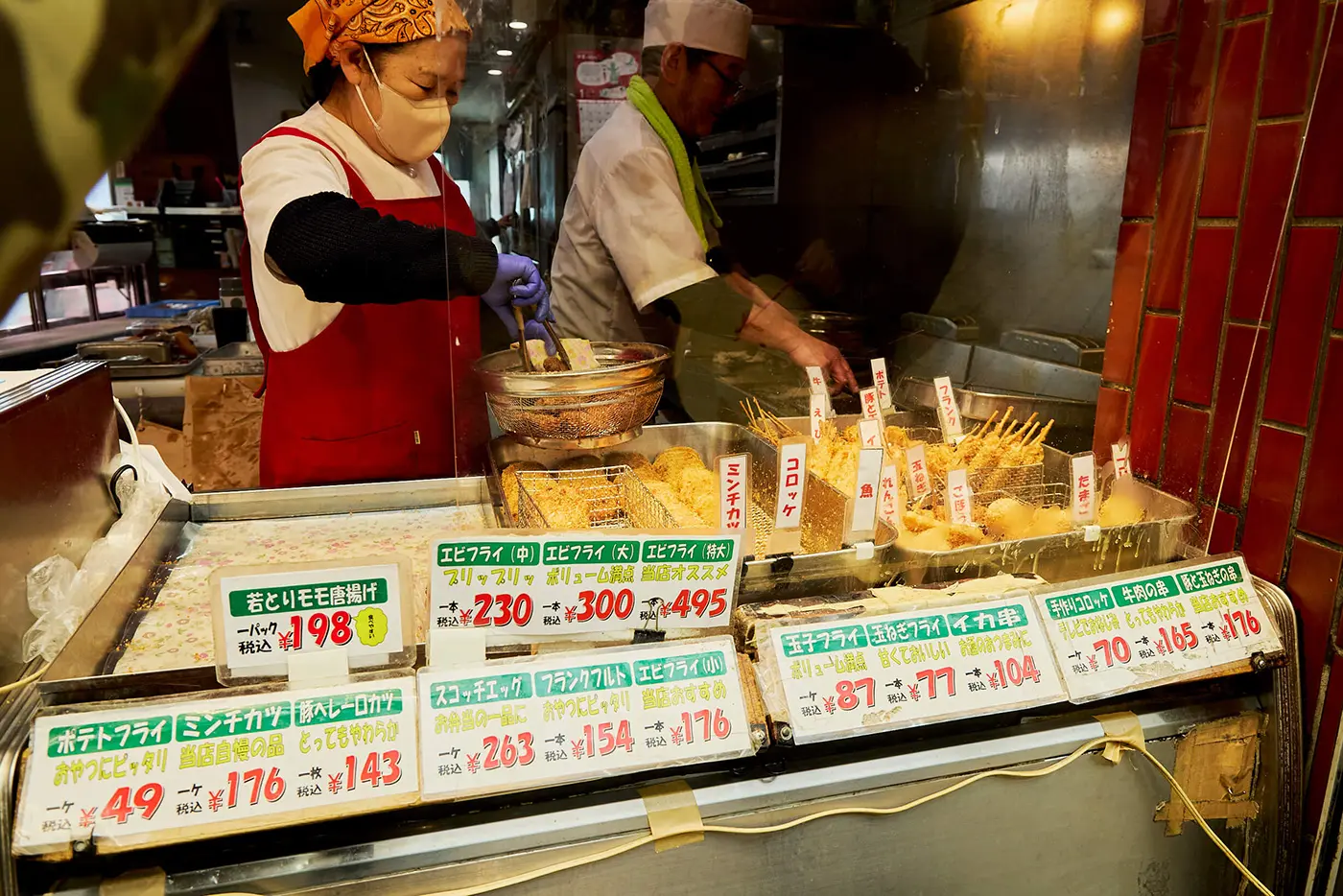
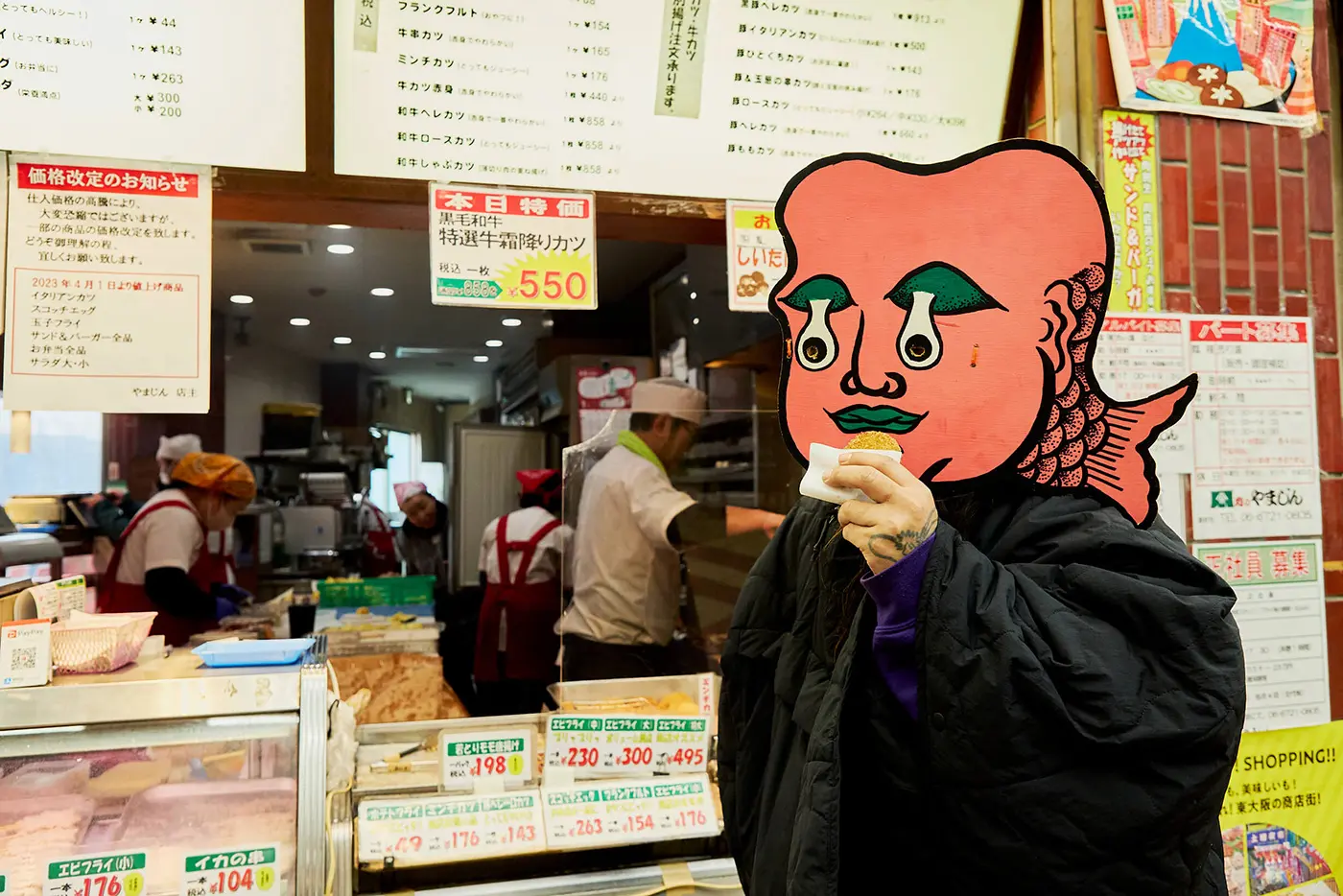
Founded over 70 years ago, Niku no Yamajin is popular not only for its meat, but for the more than 30 varieties of fried food it offers, including croquettes, minced pork cutlets, and fried shrimp. The hamburgers and bento boxes made with freshly fried ingredients are also delectable.
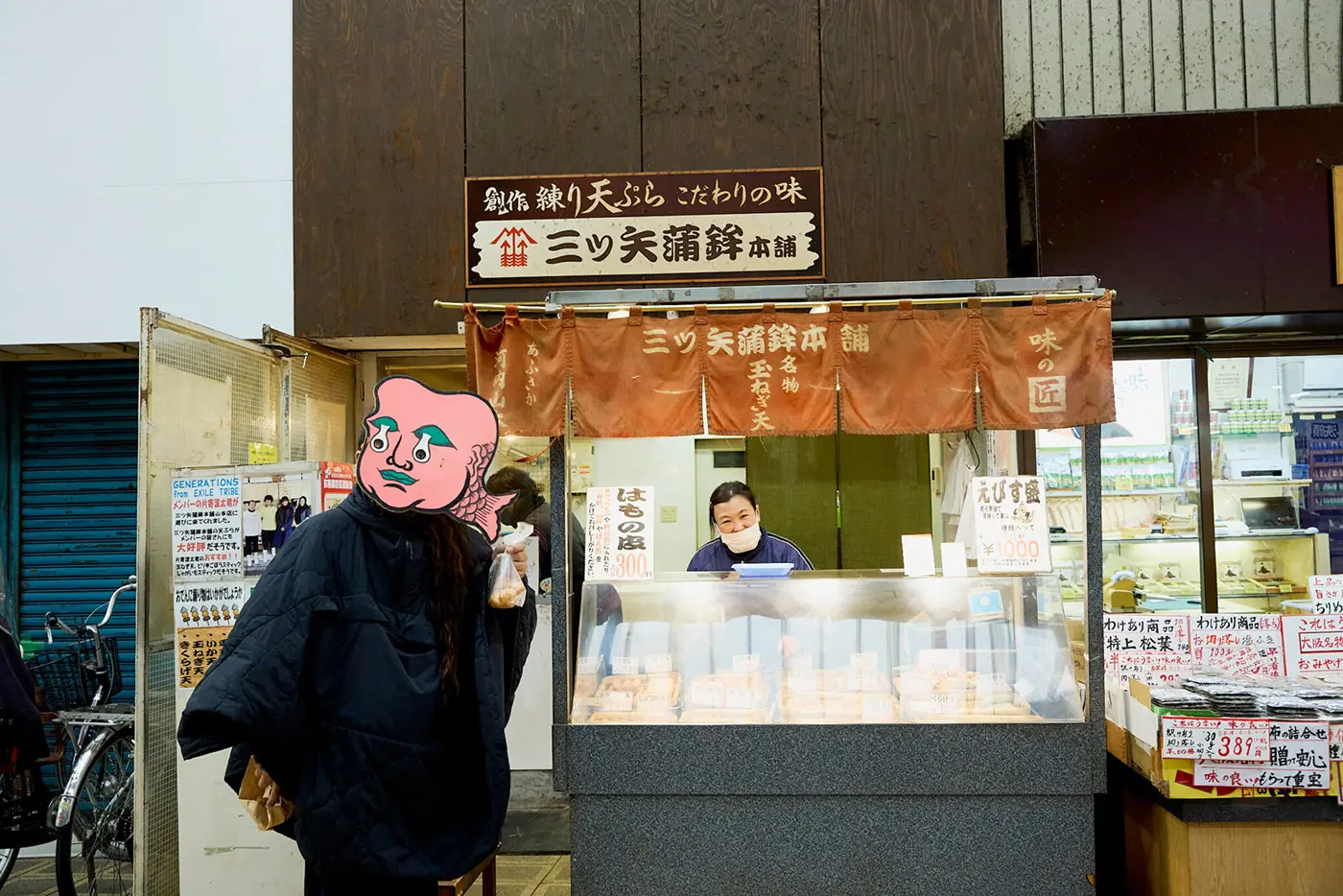
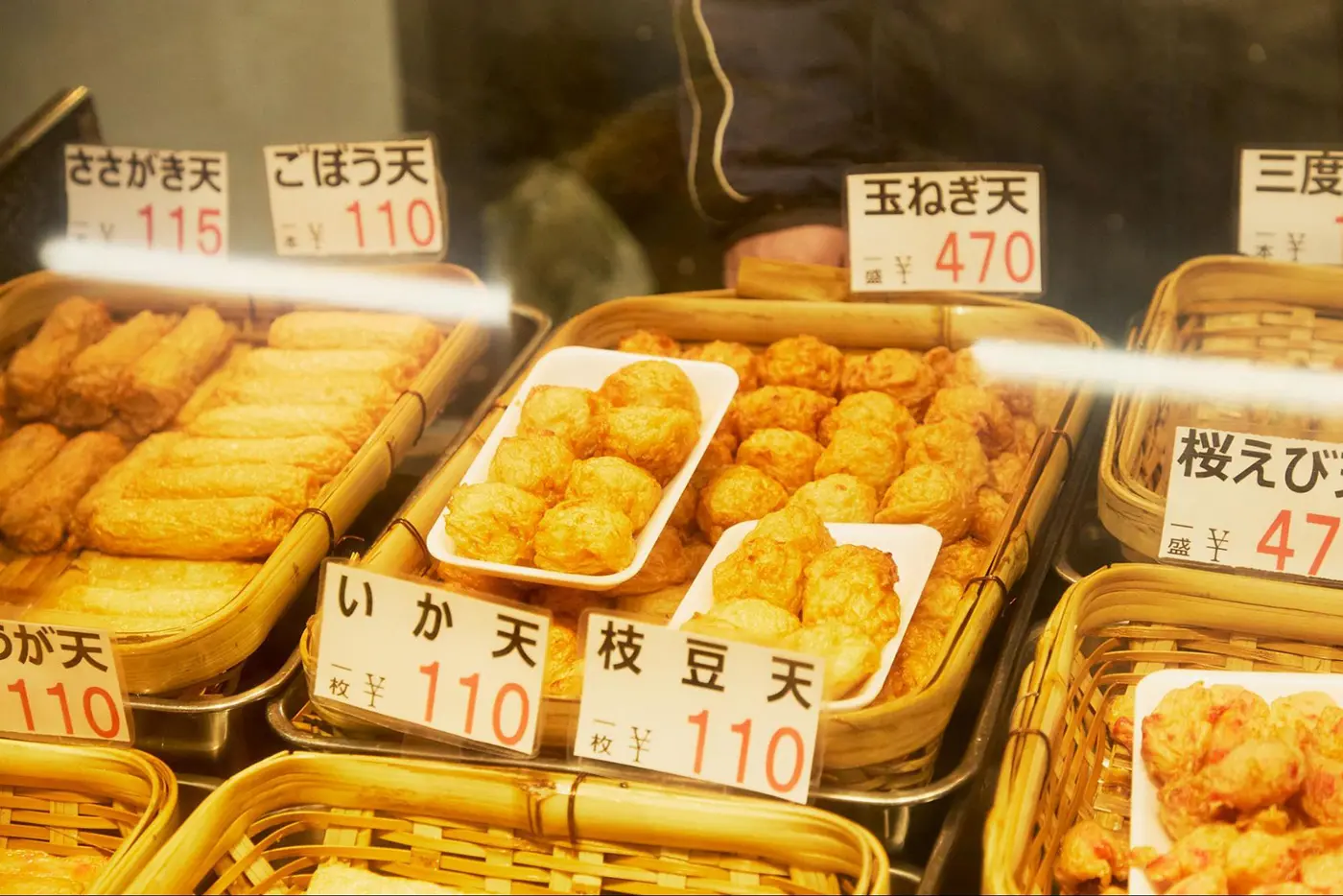
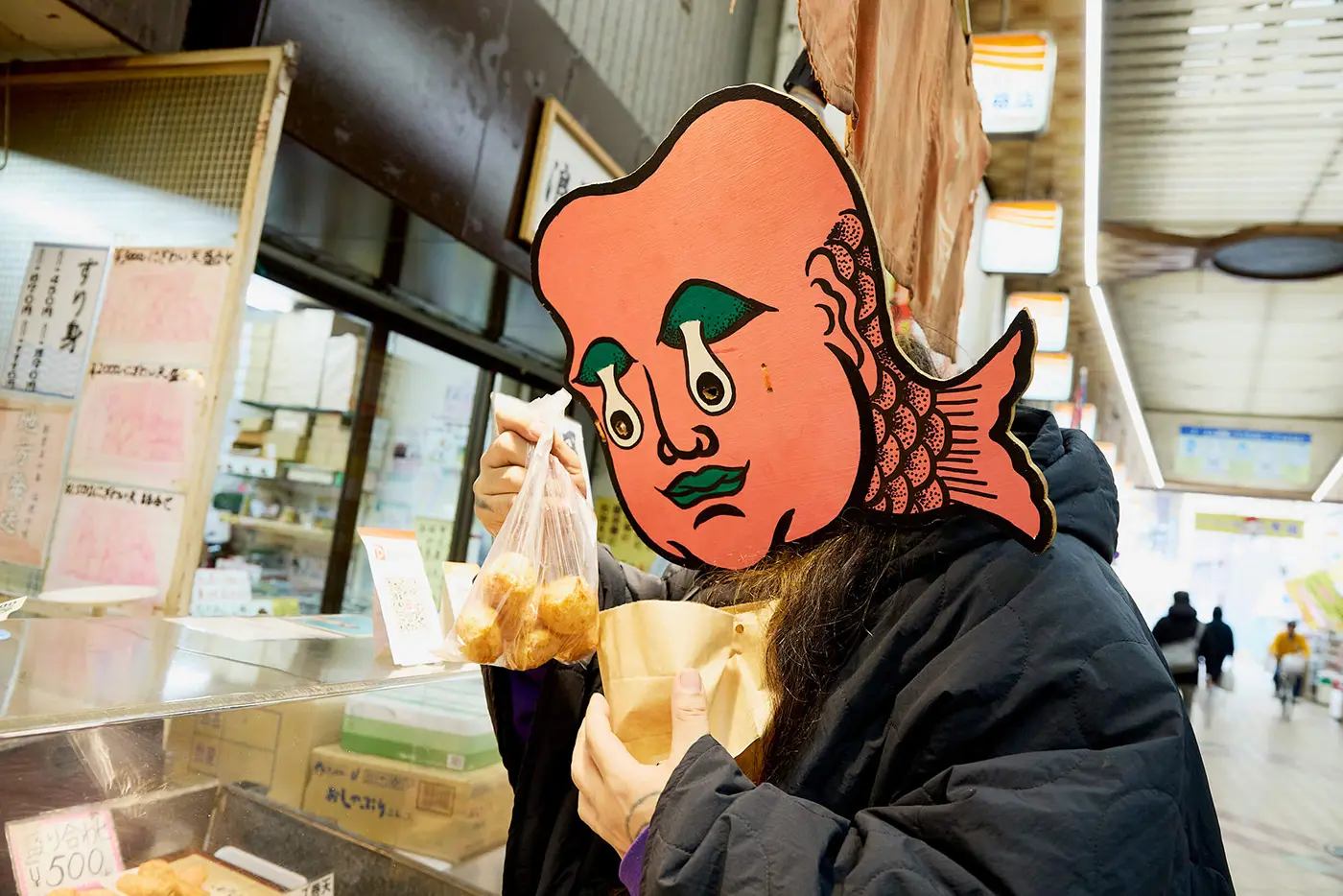
This is Mitsuya Kamaboko Honpo, a store selling unique fried fish cakes. There are always about 15 kinds of fried fish cakes on the shelves, ranging from standard items to rotating exclusives made using seasonal vegetables. The store is run by three people: a couple and their daughter, an elementary school student who is the store mascot. Many regular customers have fun chatting with them whenever they visit the store.
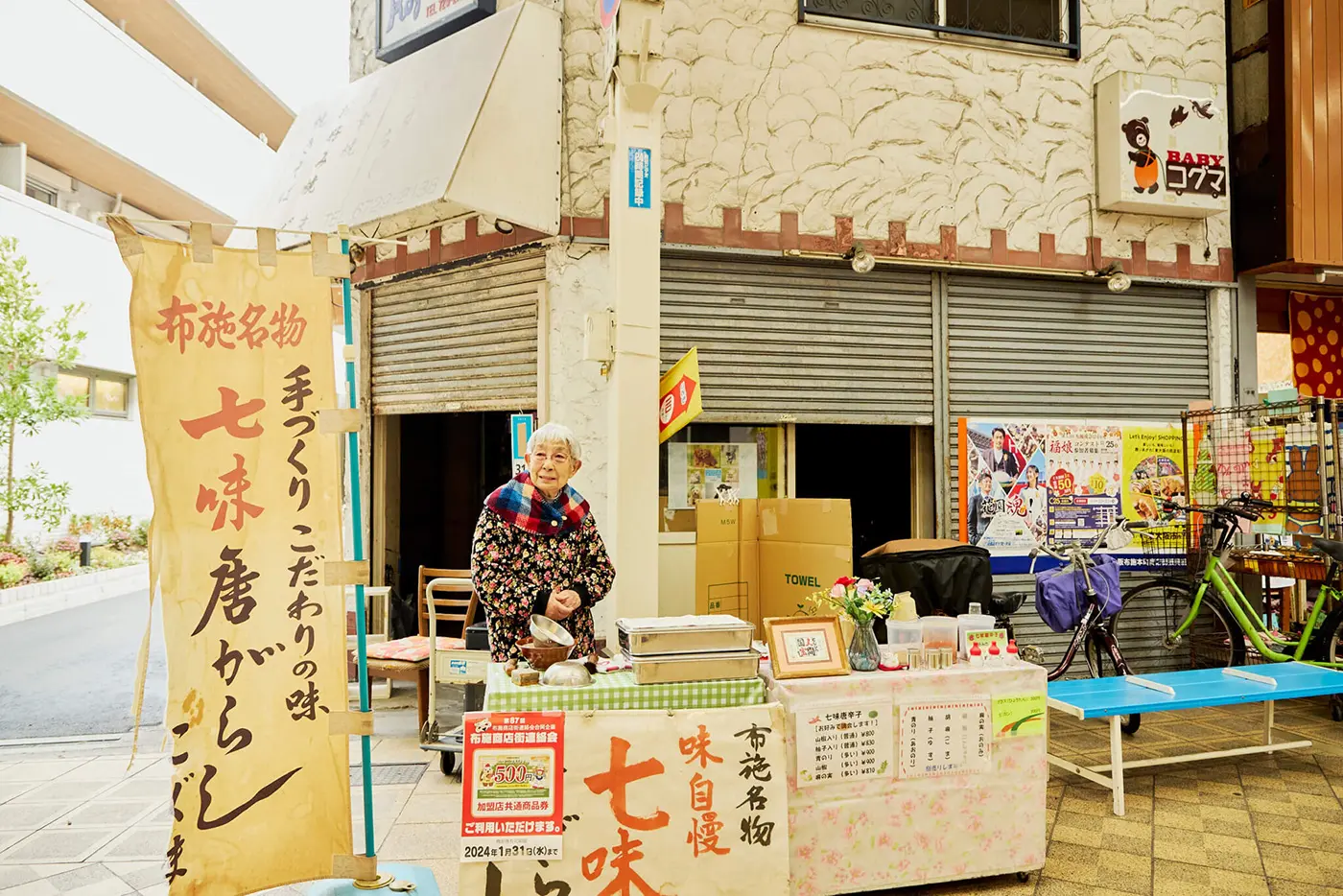
Shichimi-ya Koguma’s owner, an old woman, makes shichimi (a traditional seven-spice blend) to her own liking on the spot. This store originally sold children’s clothing, but due to the declining birth rate, it changed to selling okonomiyaki instead. The owner is currently continuing her business by only selling shichimi, which she started selling at the same time as her other offerings.
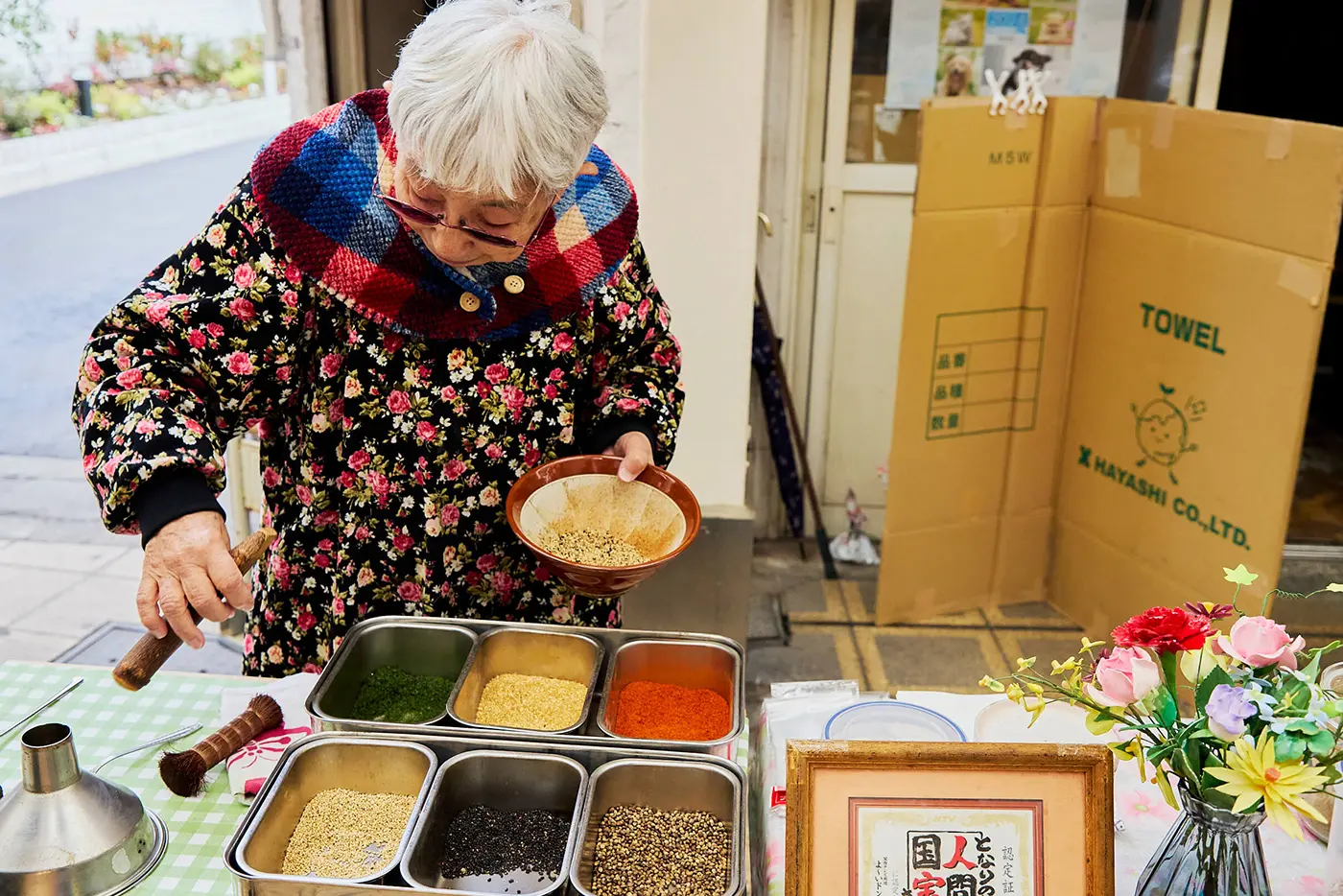
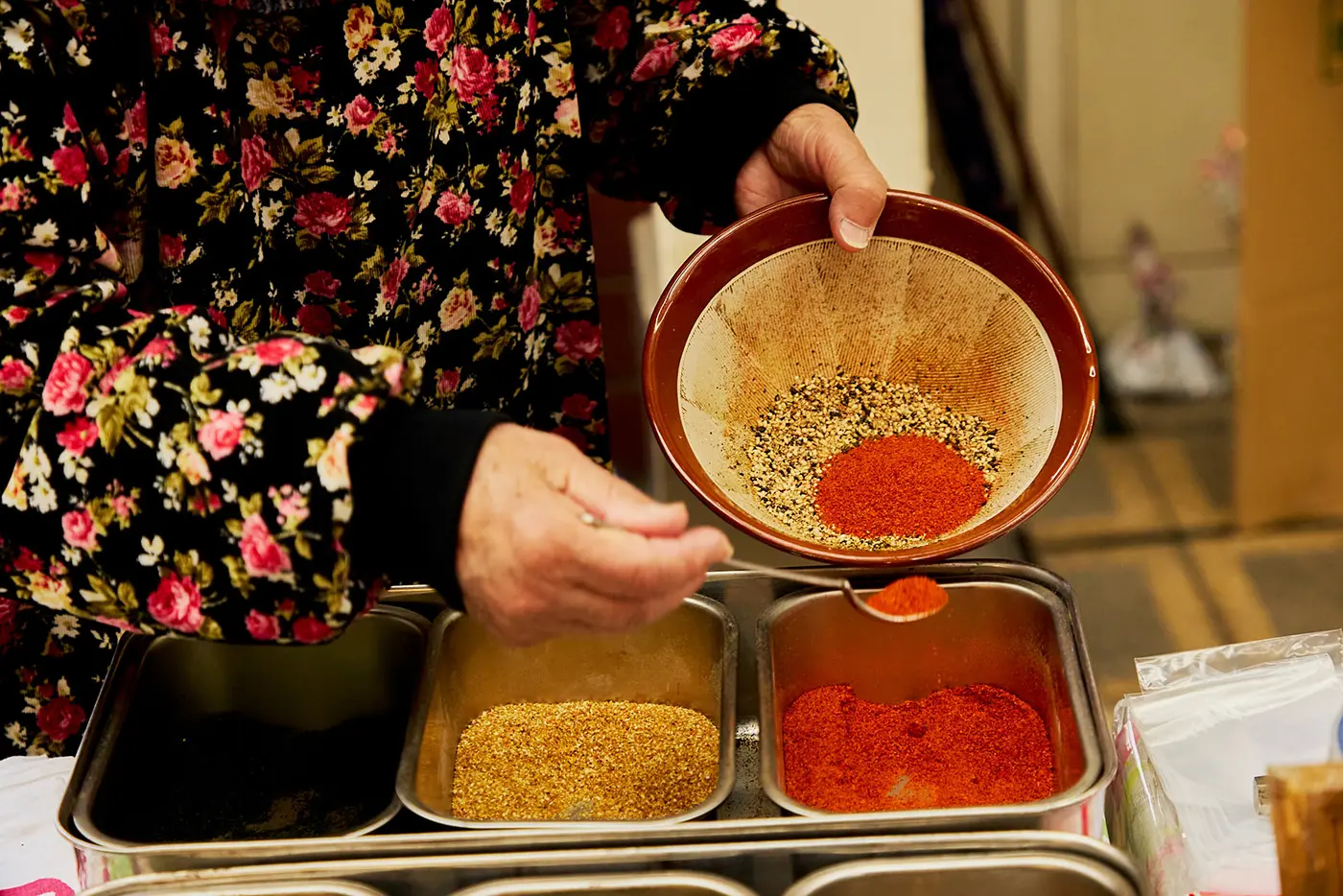
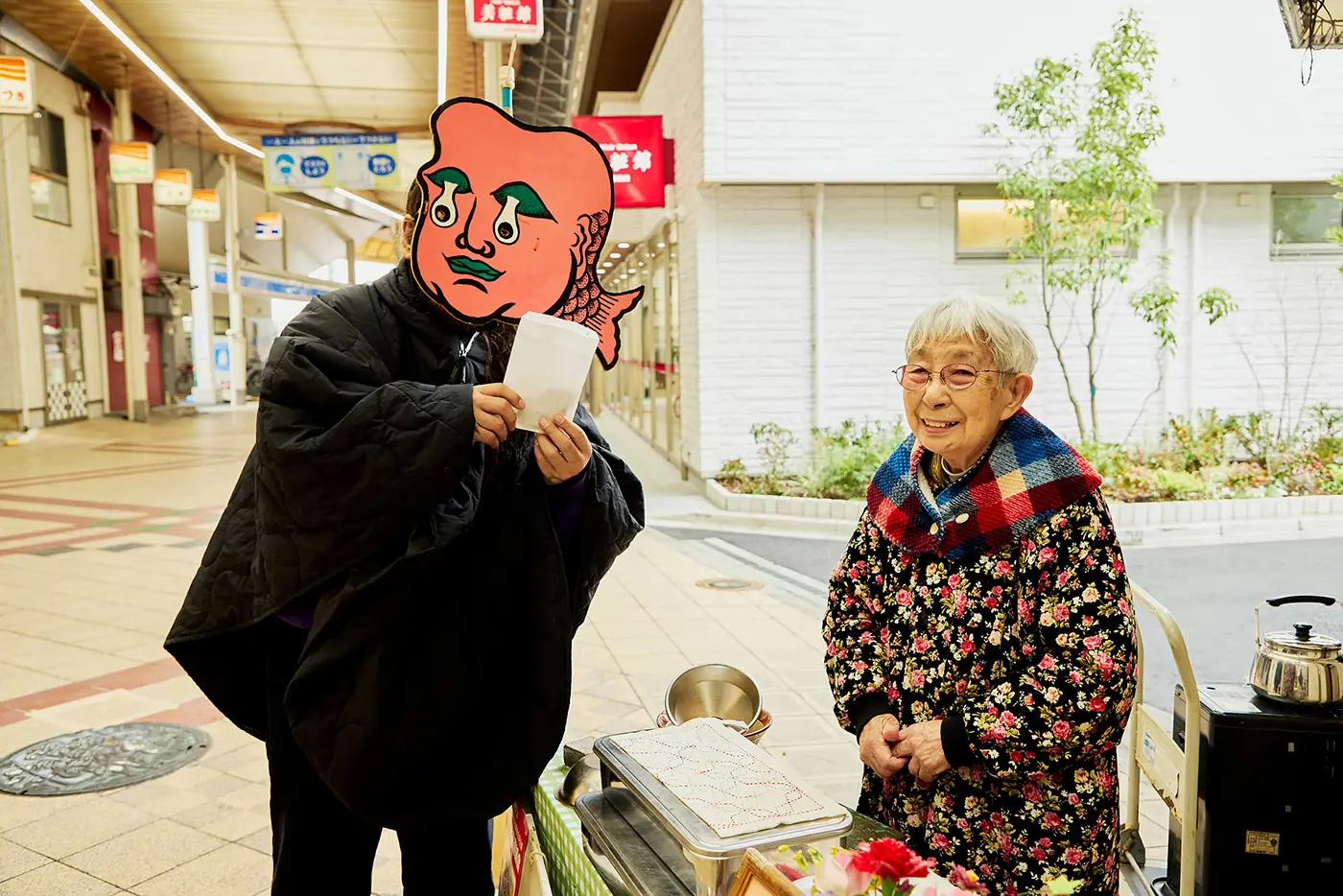
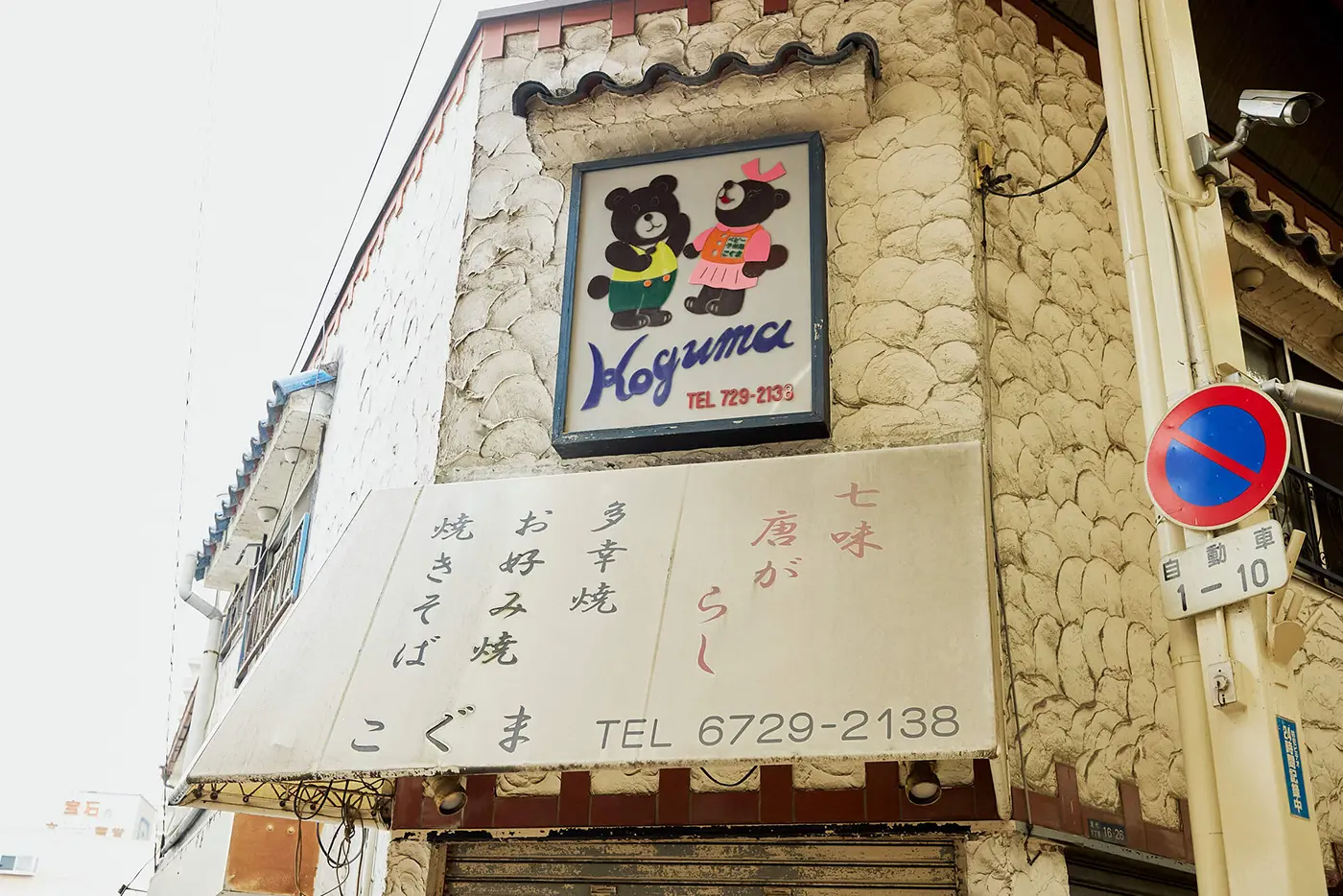
Many of the stores in this shopping arcade are run by families, making you feel as though you’re a guest in their living rooms.
Petit Road Hirokoji, a street cut in half by the widening highway
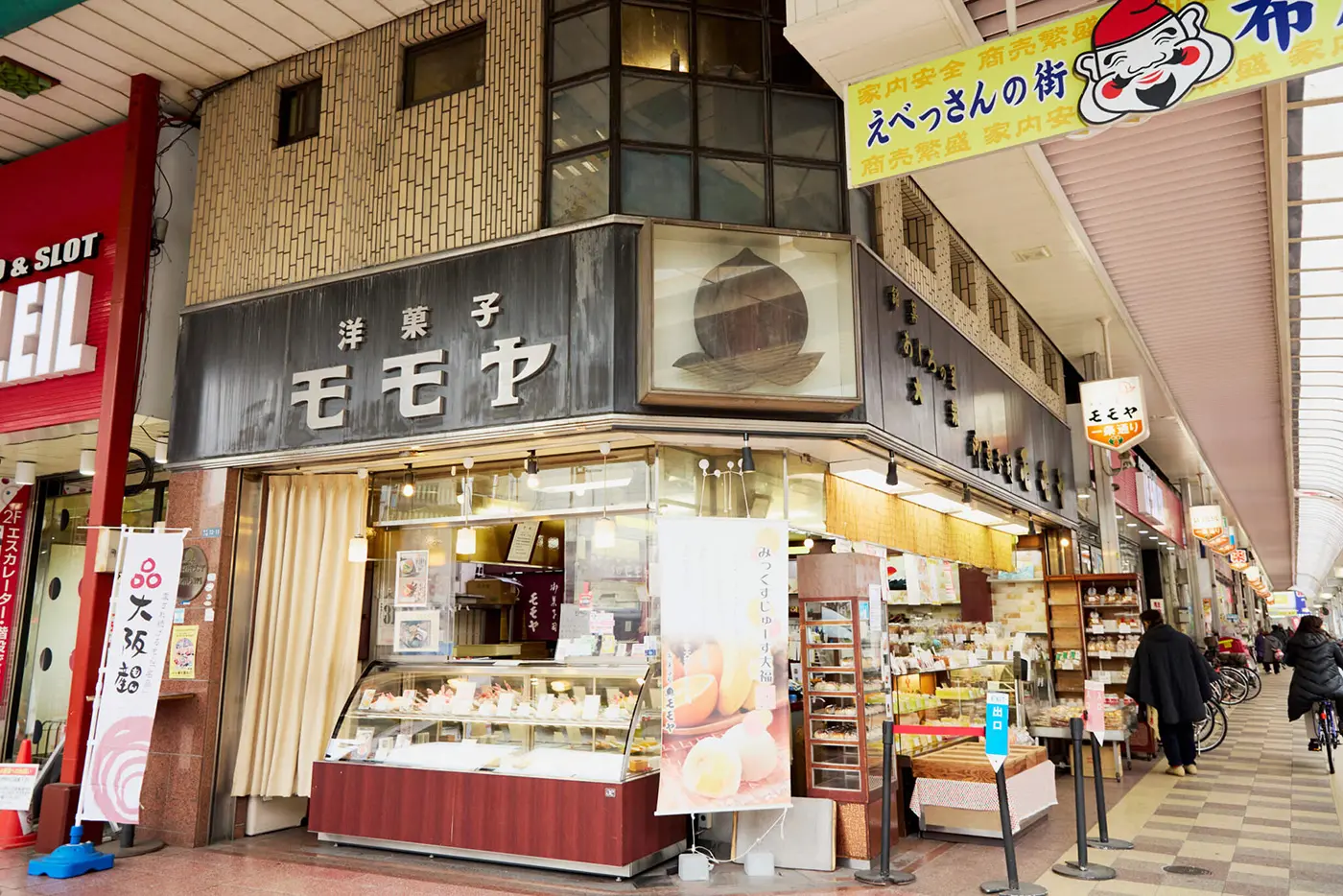
Visible from the central south exit, Petit Road Hirokoji (on the west side of the former Hirokoji shopping arcade) is a shopping arcade. Due to the opening of the Osaka Electric Railway between Uehonmachi and Fuse in 1914, this area underwent significant expansion until the post-war economic boom. Due to road widening carried out in 1977, the eastern half of the shopping arcade became a road (now Prefectural Route 172), leaving only the western half.
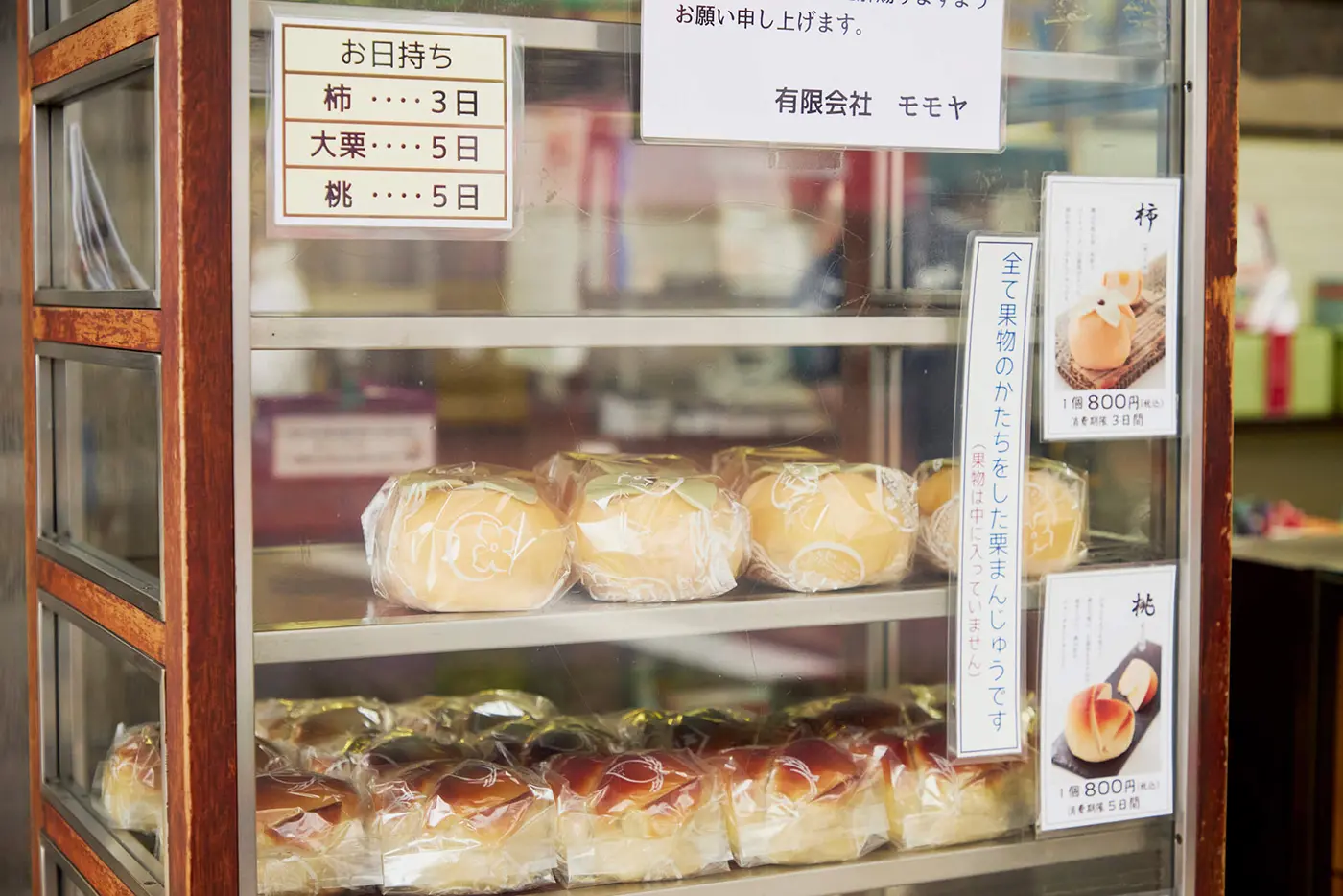
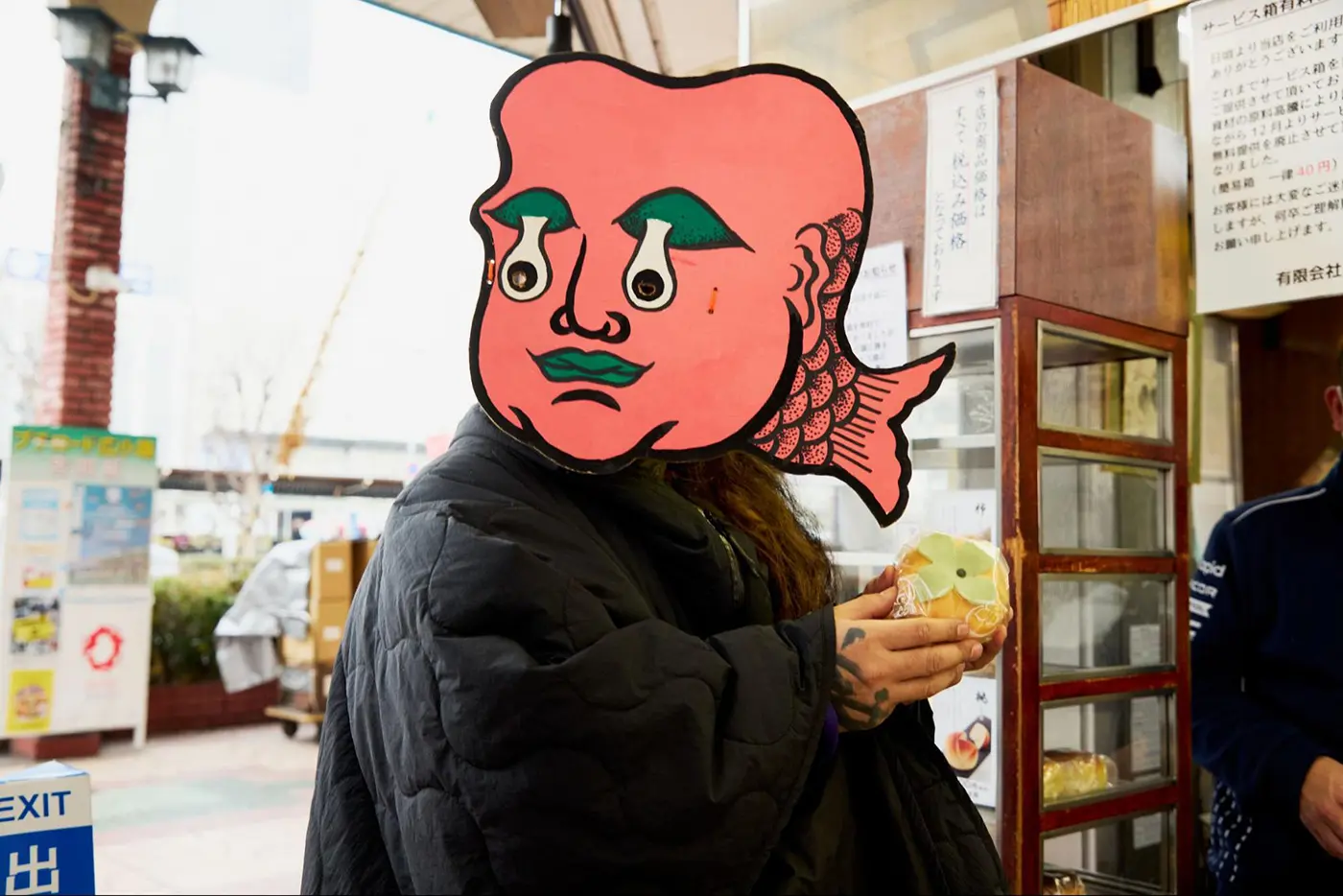
Wayogashi Momoya, which is adorned with a large peach symbol, is a Japanese and Western confectionery store offering a variety of confections including daifuku, manju, and okaki, which are perfect for enjoying at home as well as for souvenirs. The popular mixed juice daifuku, a daifuku filled with Osaka’s famous mixed juice, sometimes sells out by noon.
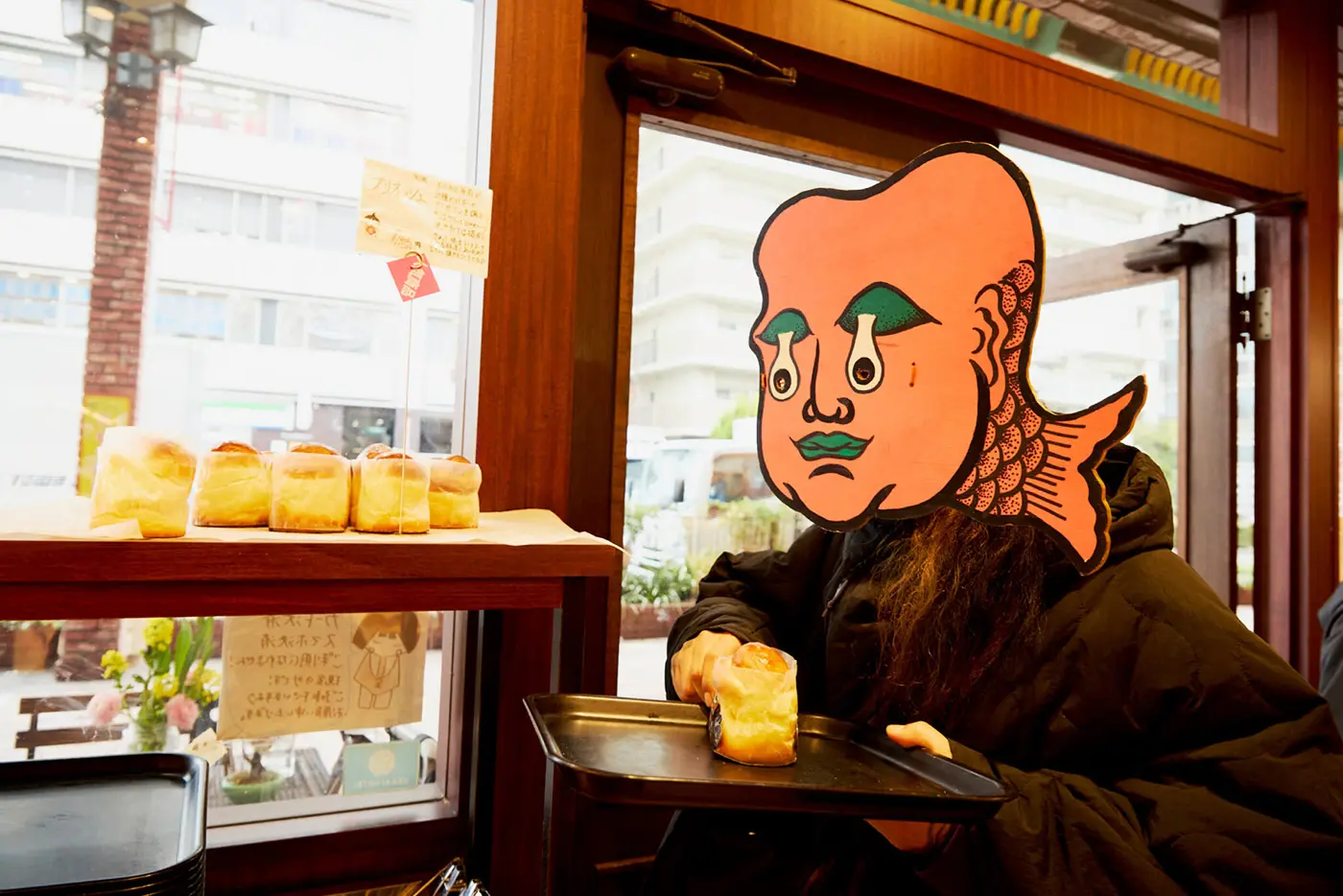
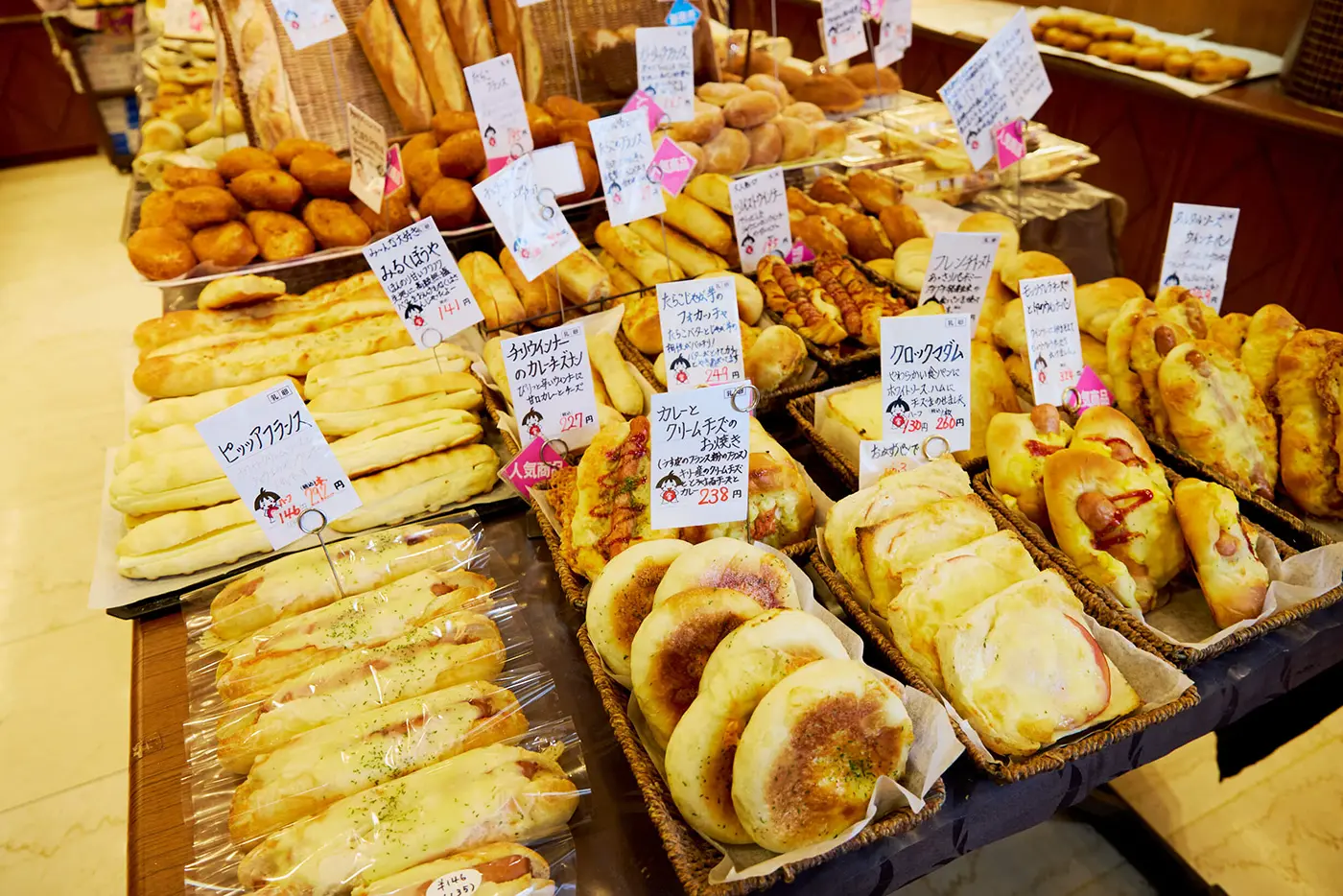
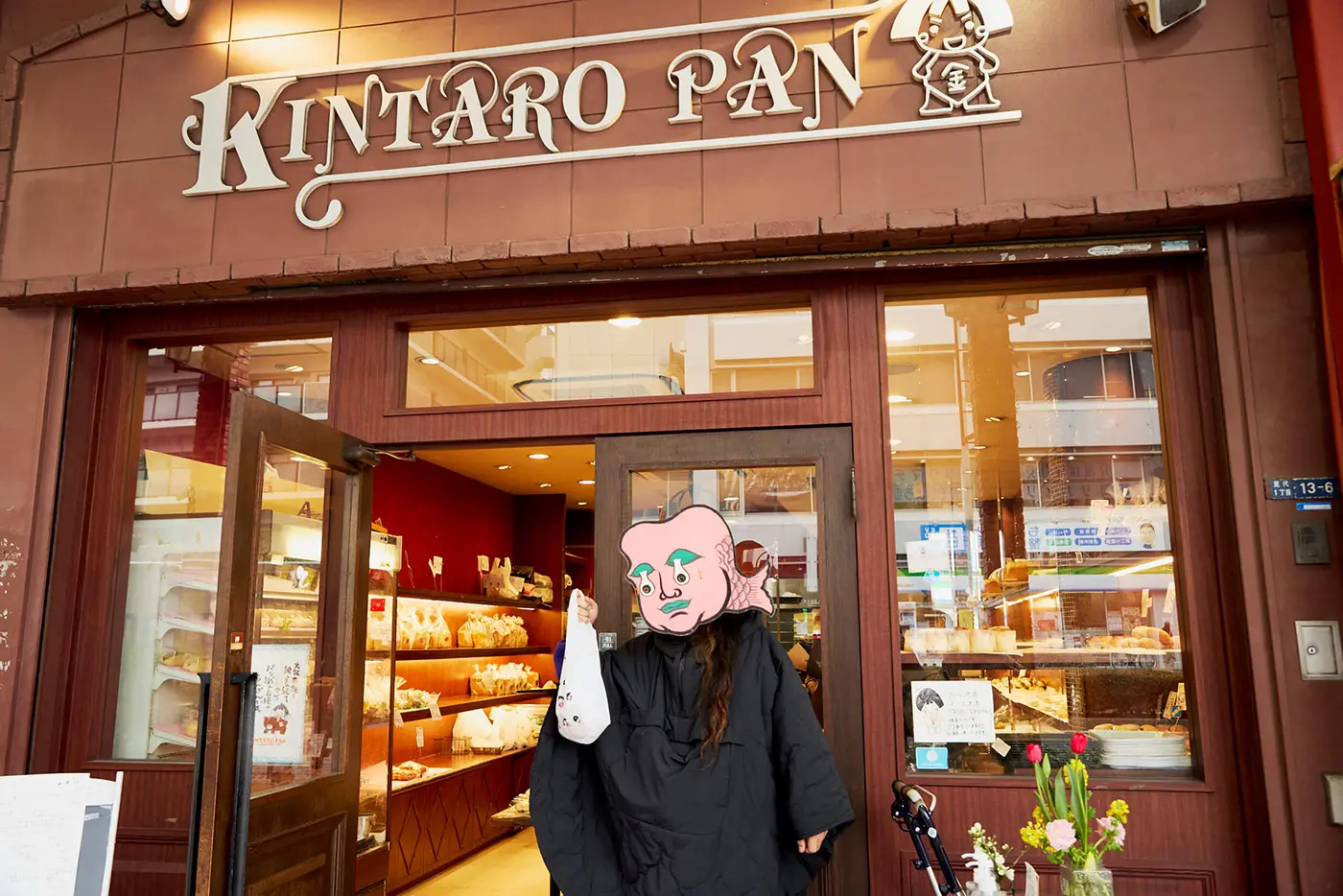
Located south of Petit Road Hirokoji is the famous local bakery Kintaro Pan, which has been in business for nearly 100 years. The store was so named in the hope that the children of Fuse will grow up healthy and with vitality, just like Kintaro, a hero from Japanese legends. This store, which has been passed down through generations, always has more than 30 types of unique breads on its shelves.
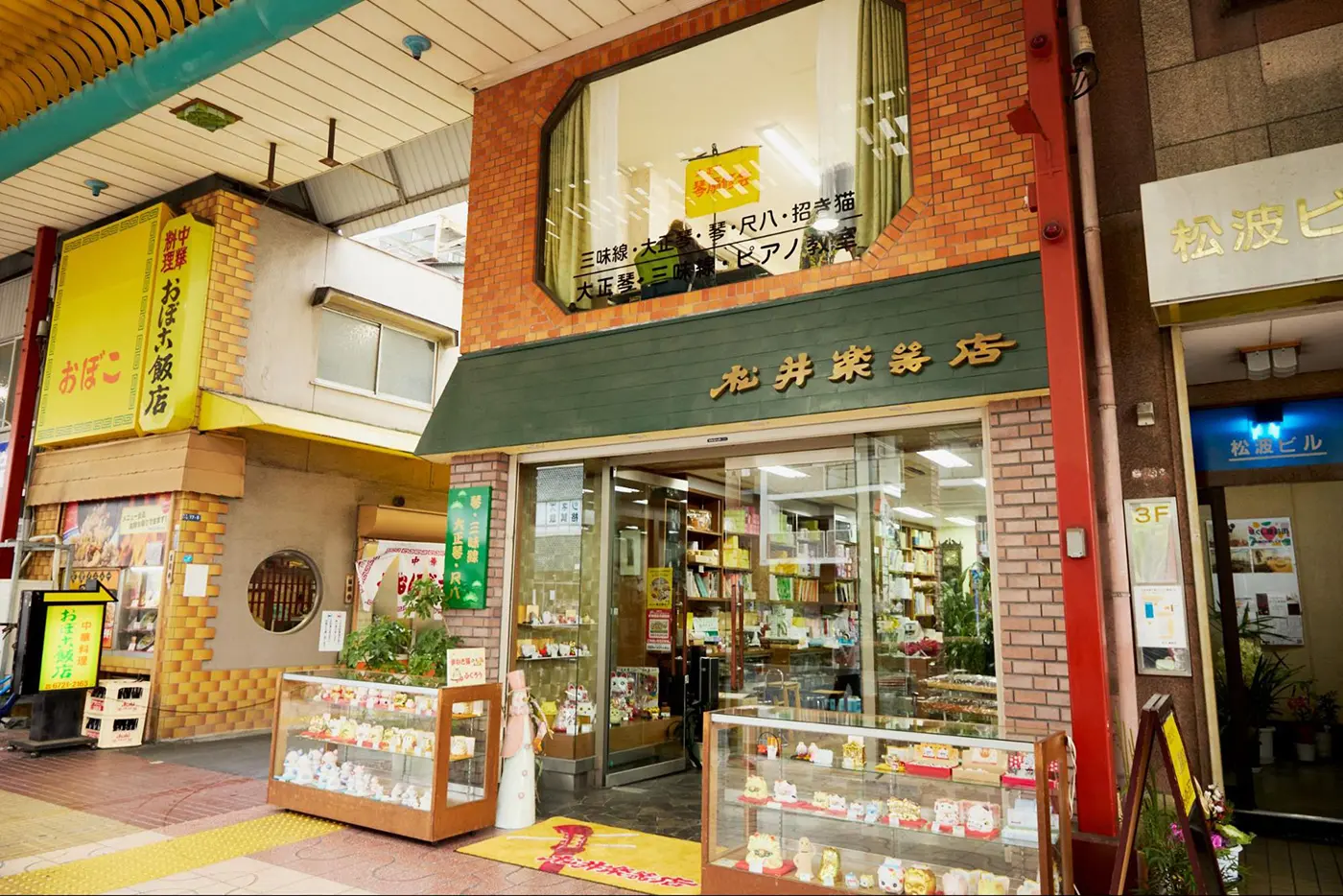
Many other well-known and locally loved stores remain, including Matsui Instruments Store, which sells Japanese musical instruments such as shamisen, koto, and shakuhachi, as well as maneki-neko statues; and Oboko Hanten, a Chinese restaurant with an eye-catching yellow sign.
This is a street where you can have fun just by looking at these long-established stores. Japanese musical instruments are popular with foreigners, so I highly recommend coming here!
A Mecca for Kaku-uchi Bars — “Brandori Fuse” is packed with bars and pubs
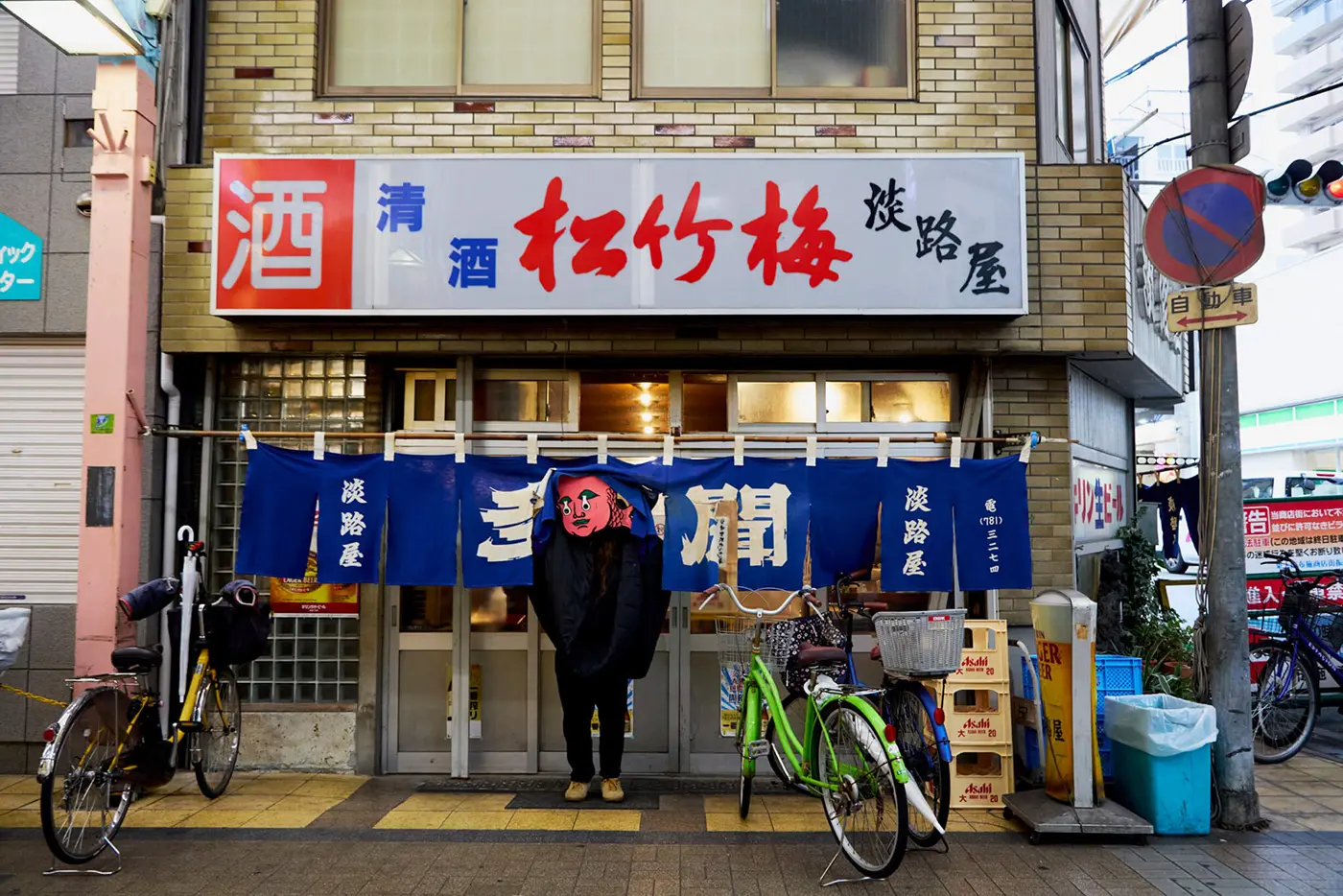
Brandori Fuse is a shopping arcade located to the north, across the elevated railway tracks from Flower Road Honmachi, with a total distance of 600m across the first to the fourth streets. There are a variety of restaurants here, but it is famous for being a mecca for “kaku-uchi” bars, which are standing bars that double as liquor stores. You can drink at the many bars and pubs here even during the day.
Awaji-ya is a popular local izakaya (Japanese pub) whose distinguishing characteristic is its low-hanging curtain. It attracts a wide range of customers, from elderly local men to young people.
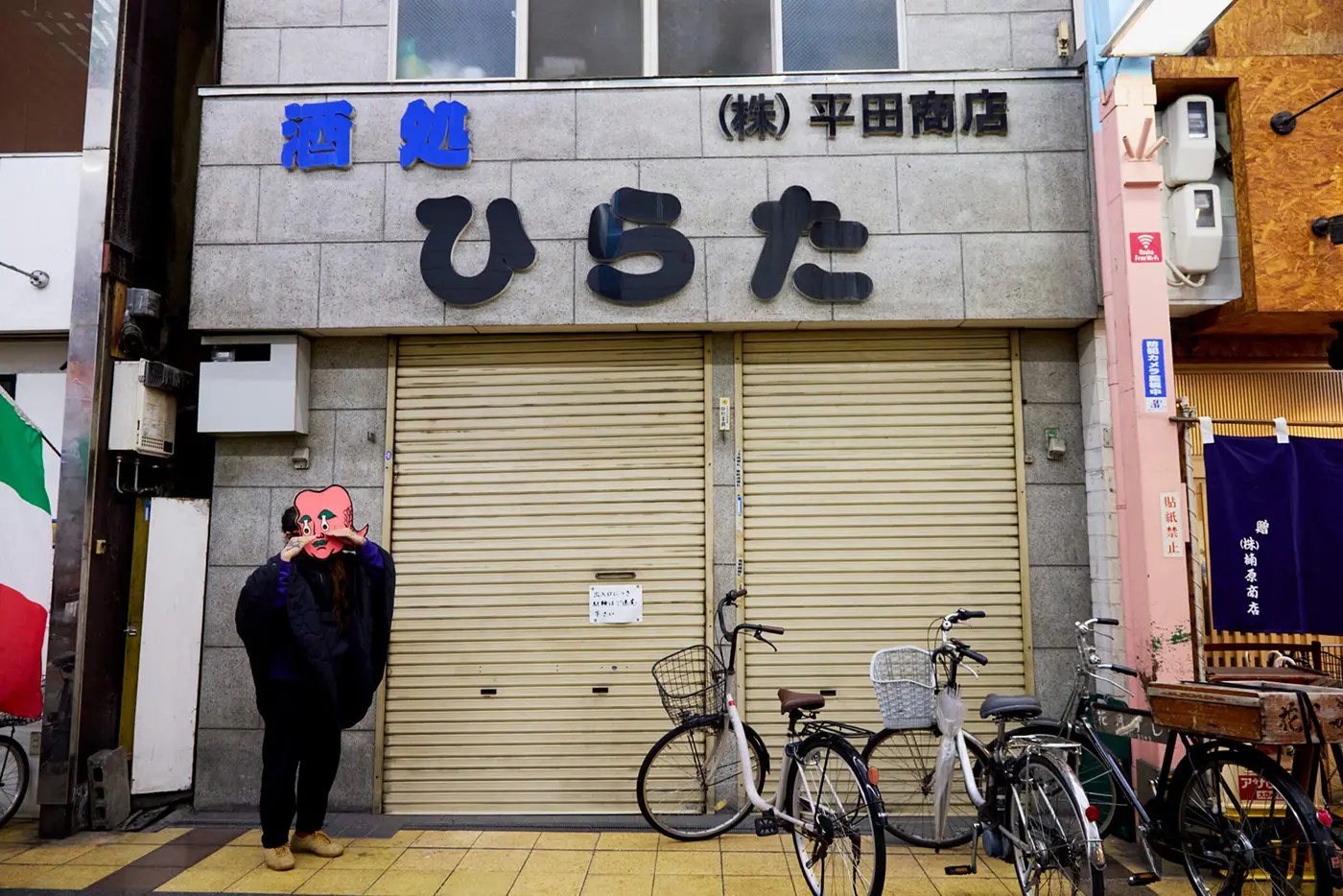
Sake-dokoro Hirata, which has unfortunately closed its doors, was a beloved kaku-uchi spot that served excellent oden.
I don’t drink, but I love bars. Hirata is the bar that I would like to see make a return the most. There are so many people that miss it…!
Biribiri Monster — the base for Fuse’s yokai city project
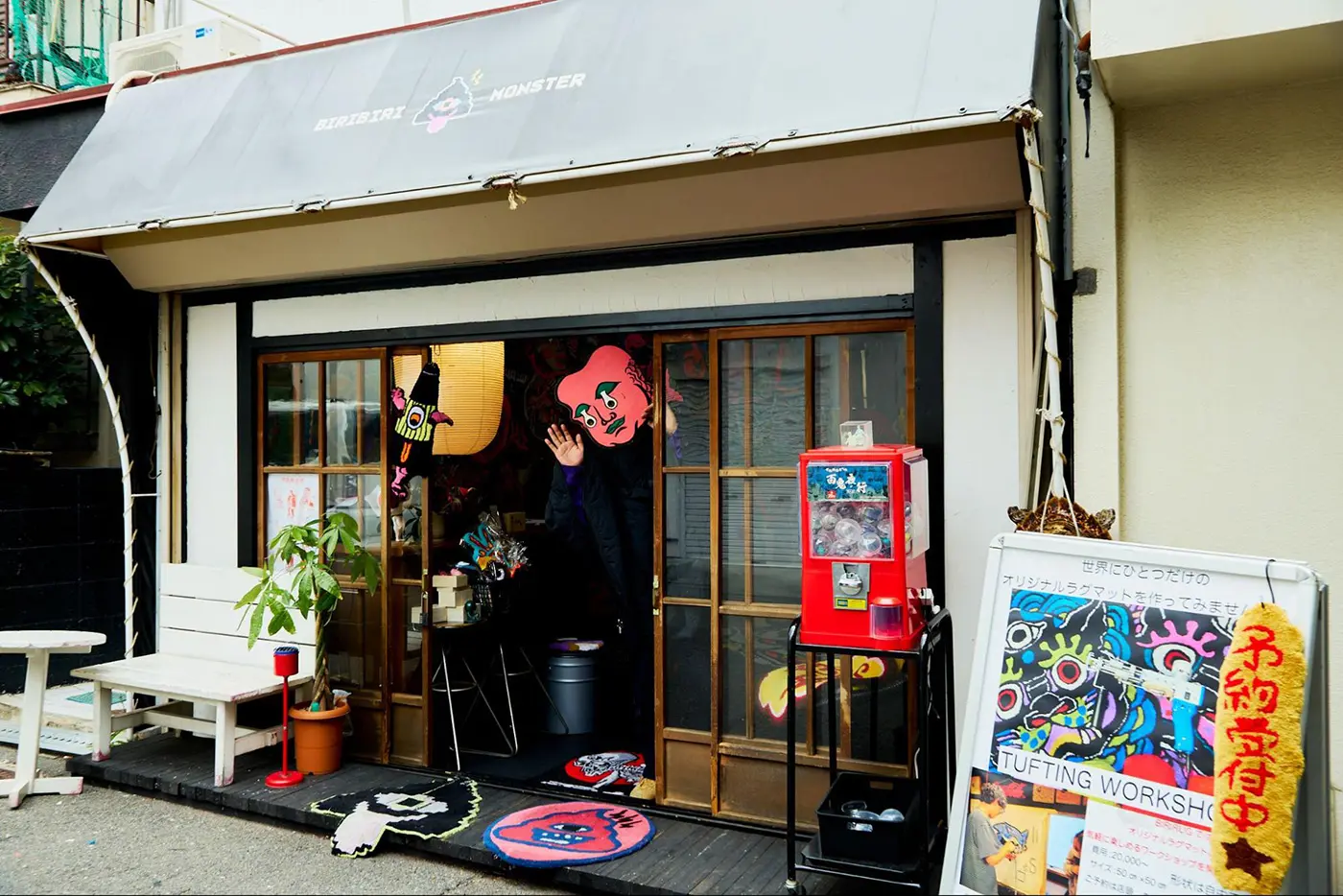
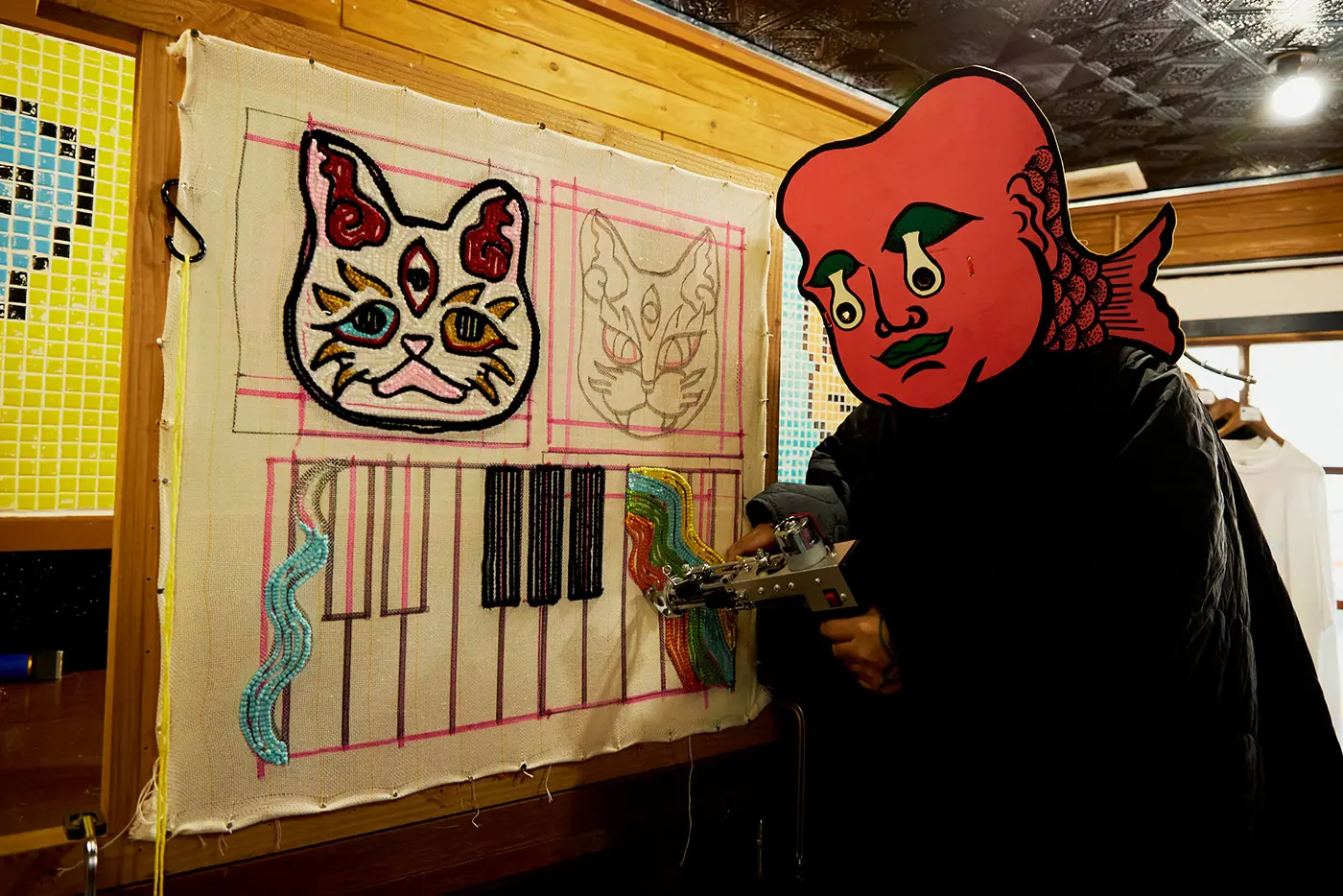
Biribiri Monster, which opened its doors in 2023, is located directly underneath the base that Gin-san used as his studio for many years. Specializing in yokai, it sells T-shirts and miscellaneous goods, on top of making original rugs.
Gin-san has always loved music. On his way to Saitama to obtain a license as a keyboard instructor, he happened to stop by the town of Fuse and fell in love with it. He settled here, and has been living here for almost 28 years.
“Starting when I was 18, I ran my own business in Hiroshima, running a mobile kitchen car for about 3 years. Once I had saved up enough money, I thought, ‘I’m going to do what I love.’ I was going to attend a specialist keyboard school in Saitama, but I ended up living in … Fuse,” he said with a laugh.
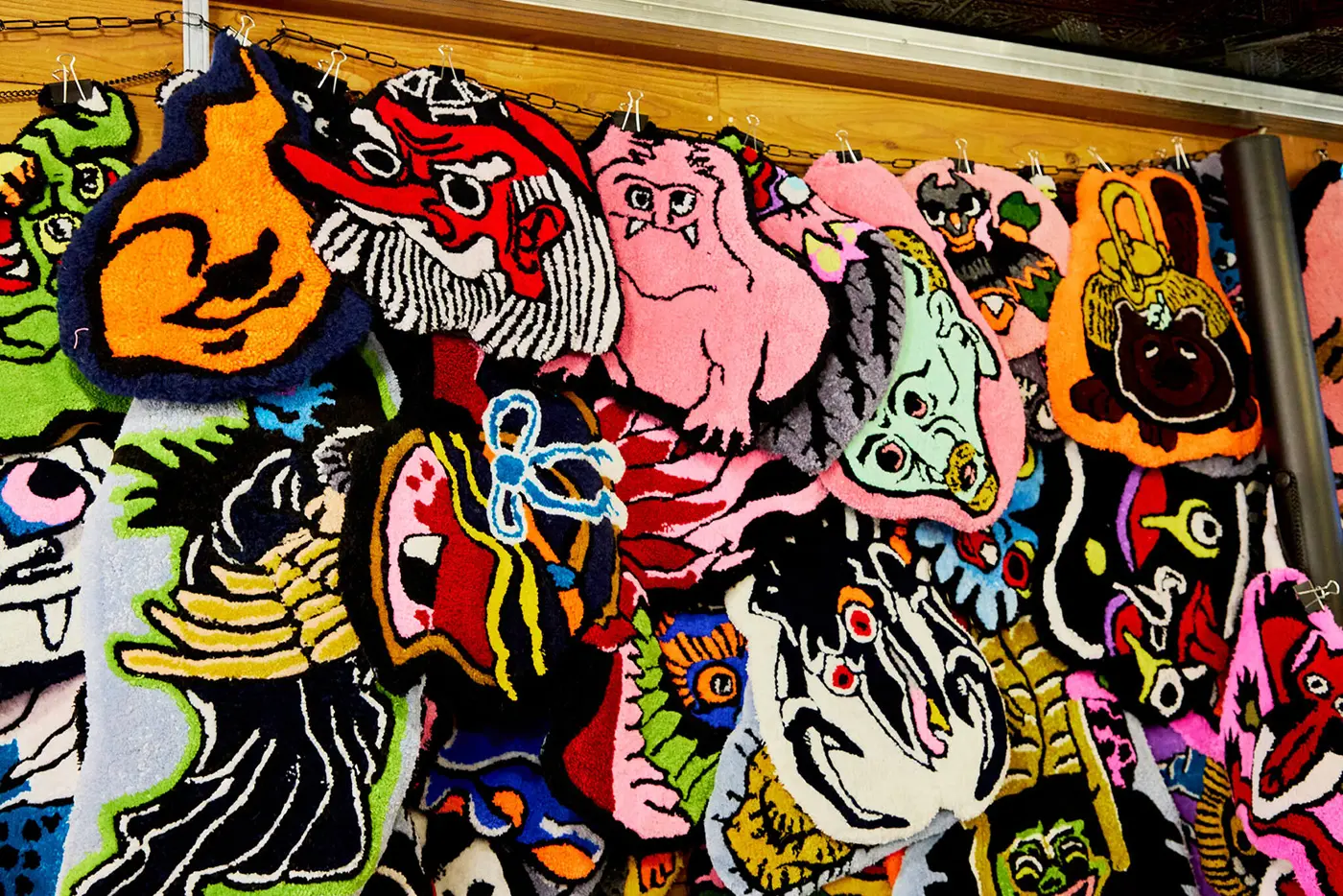
Later, he became a sculptor because he also liked to draw, and he found himself becoming popular in Fuse as a young person who was brightening up the shopping arcade. Local leaders asked Gin-san for advice as to how to rejuvenate the shopping arcade, where more and more stores were shuttered due to the aging of the population. After thinking about it, he came up with the idea of Yokai Atsume.
“At the time, most of the members of the shopping arcade association were over 60 years old, and I, as a younger person in my 40s, was asked to come up with ideas. I wasn’t the kind of person who could revitalize a community, but I thought that this was an opportunity to do something I liked, so I proposed that we turn Fuse into a town of yokai.”
There are many precedents of local revitalization based on yokai, such as Miyoshi City in Tokushima Prefecture, which is said to be the birthplace of the konaki-jiji, a yokai that looks like an old man; and Kyoto’s Taishogun shopping district, which is known as Yokai Street because of the legend of the Hyakki Yagyo yokai parade. The masks used in Yokai Atsume were created by Hyakuyobako, a team consisting of students and alumni of Saga University of Arts that is active as a yokai art group. Although the event only attracted 500 visitors initially, the number of participants has increased year on year through word of mouth, and reached 3,000 participants in 2022.
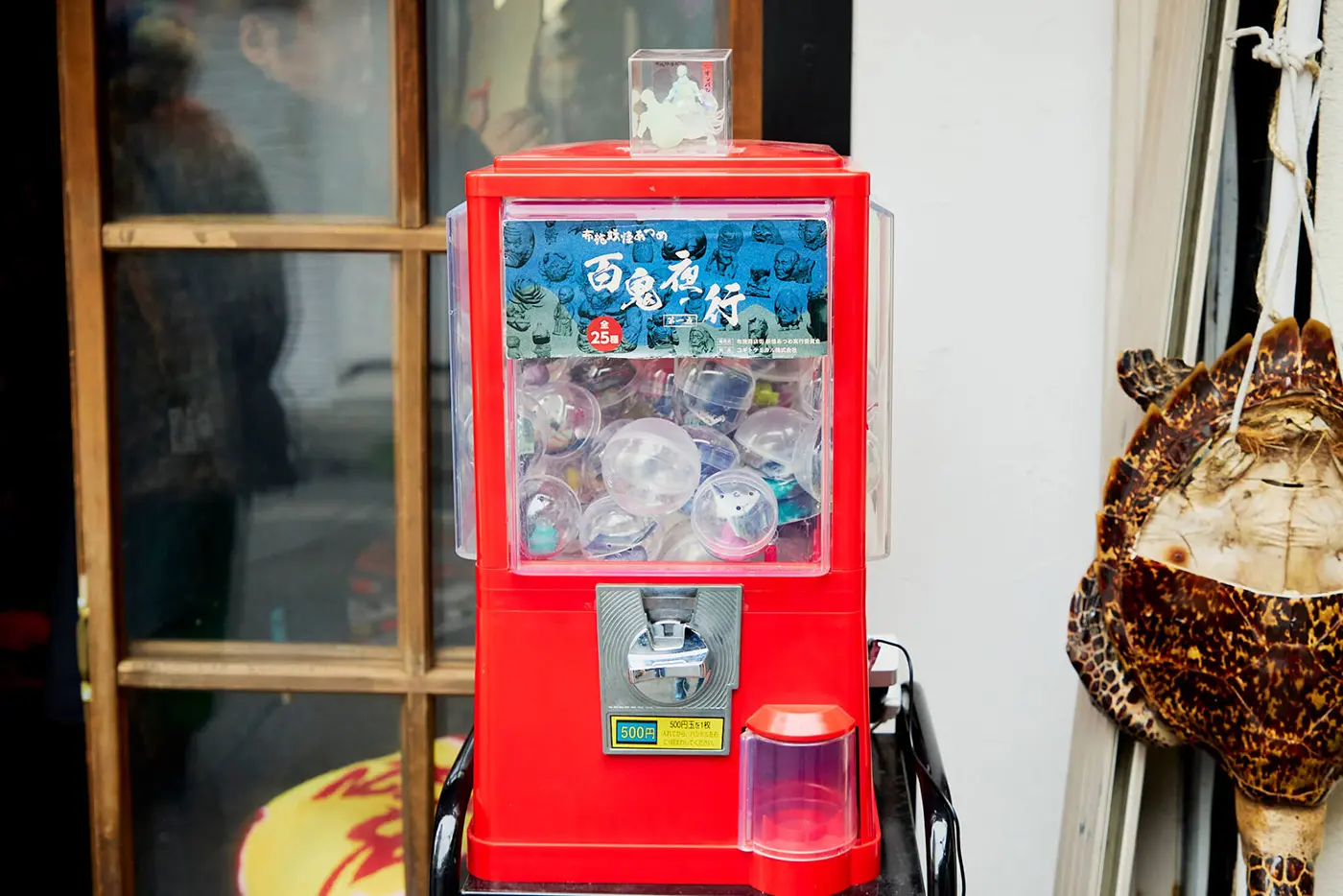
The symbol of Fuse, Ebessan, also known as Ebisu-Okami and Hiruko-no-Mikoto, is the basis for the yokai Hiruko. Gin-san also wondered if it would be possible to promote “something invisible” that has lived in the commercial district since the Taisho era, as well as the highly individual people that live in the shopping district as unique yokai.
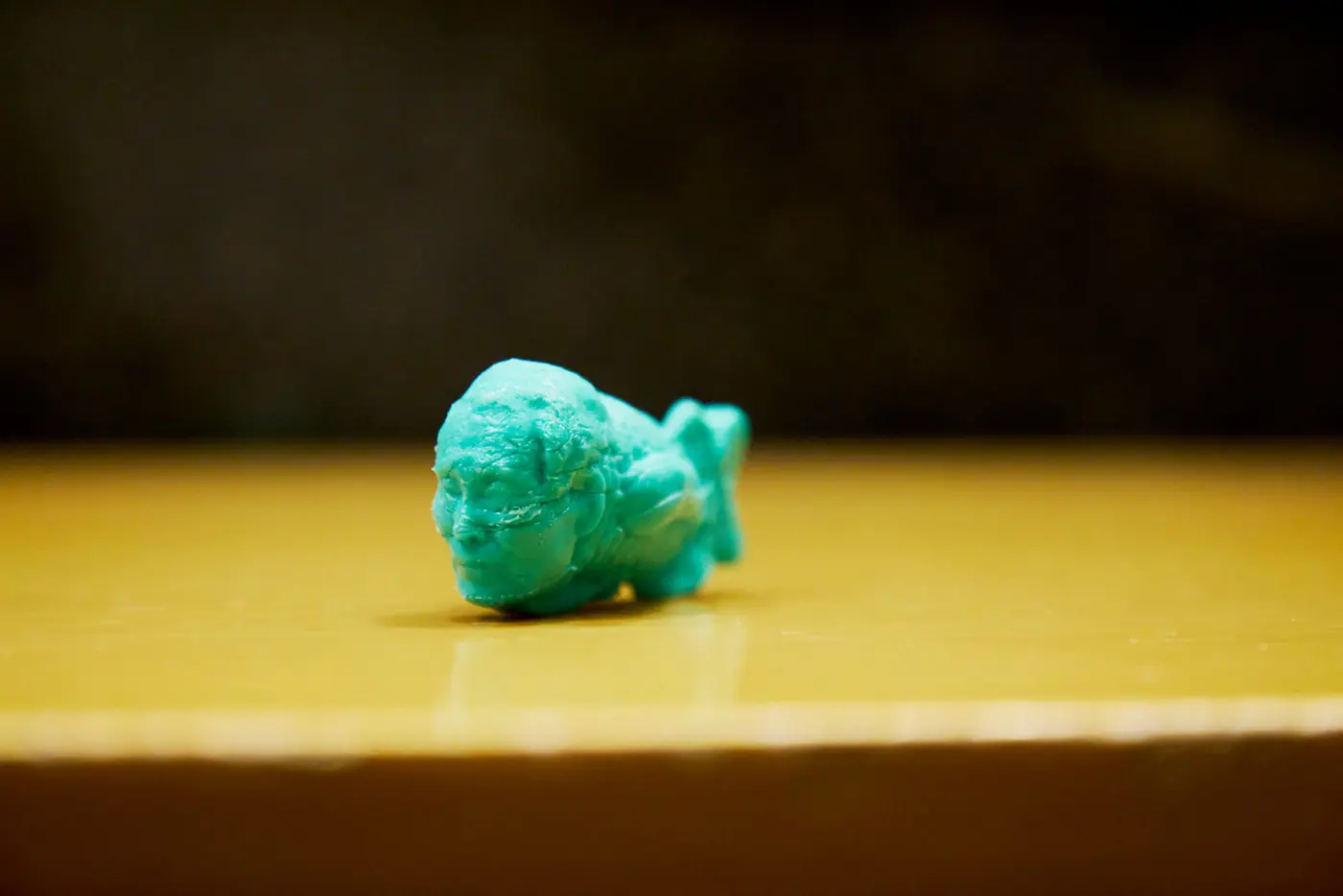
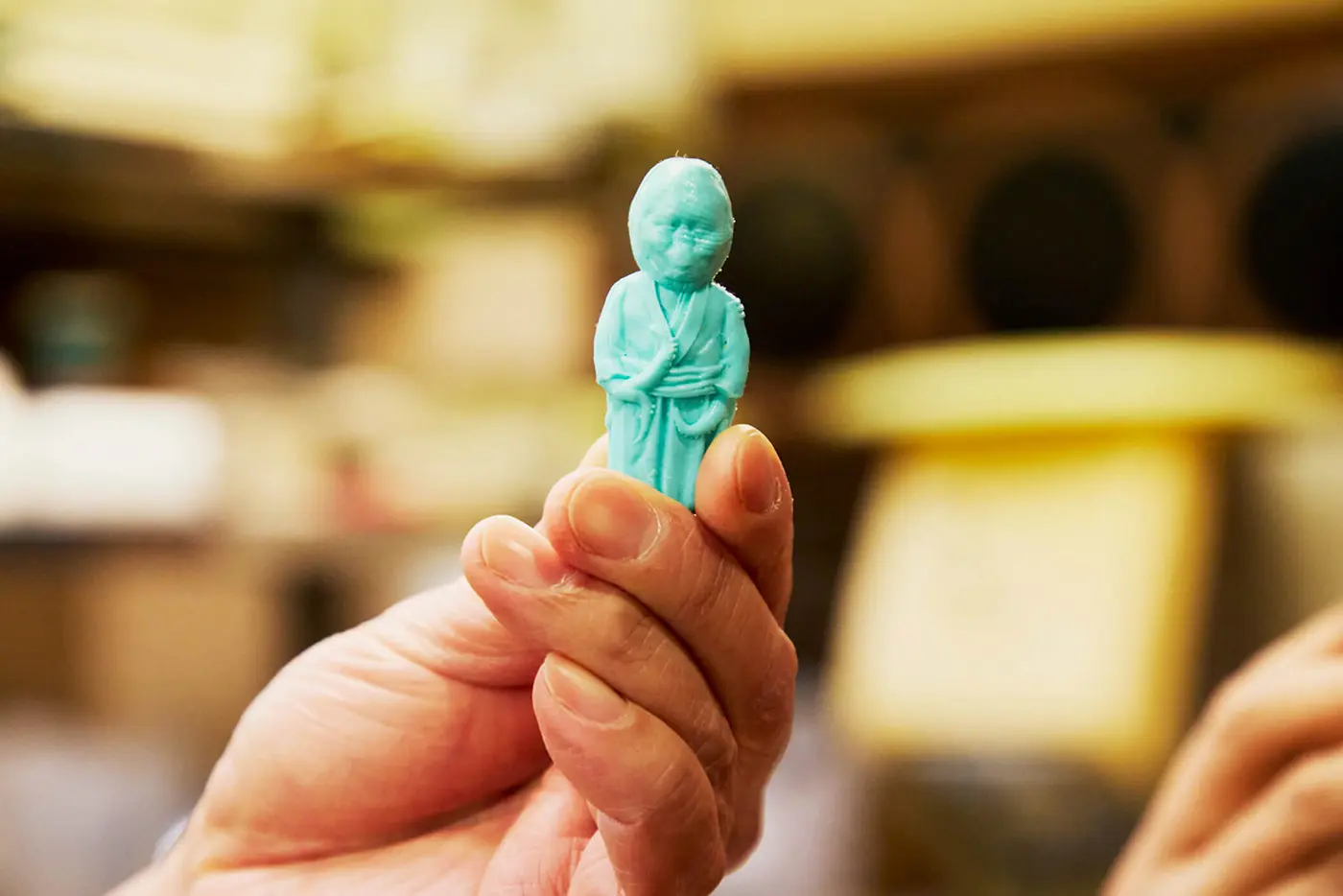
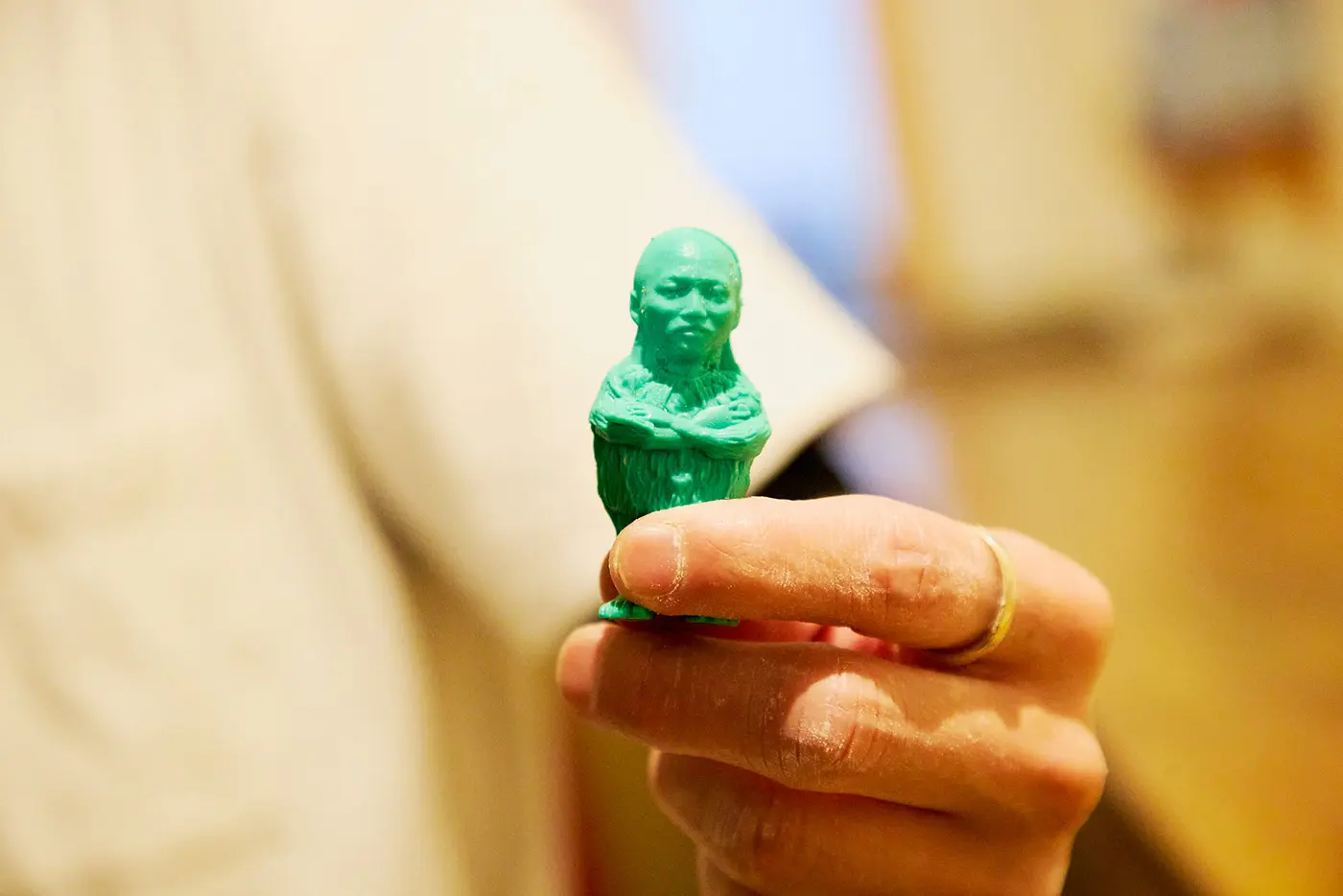
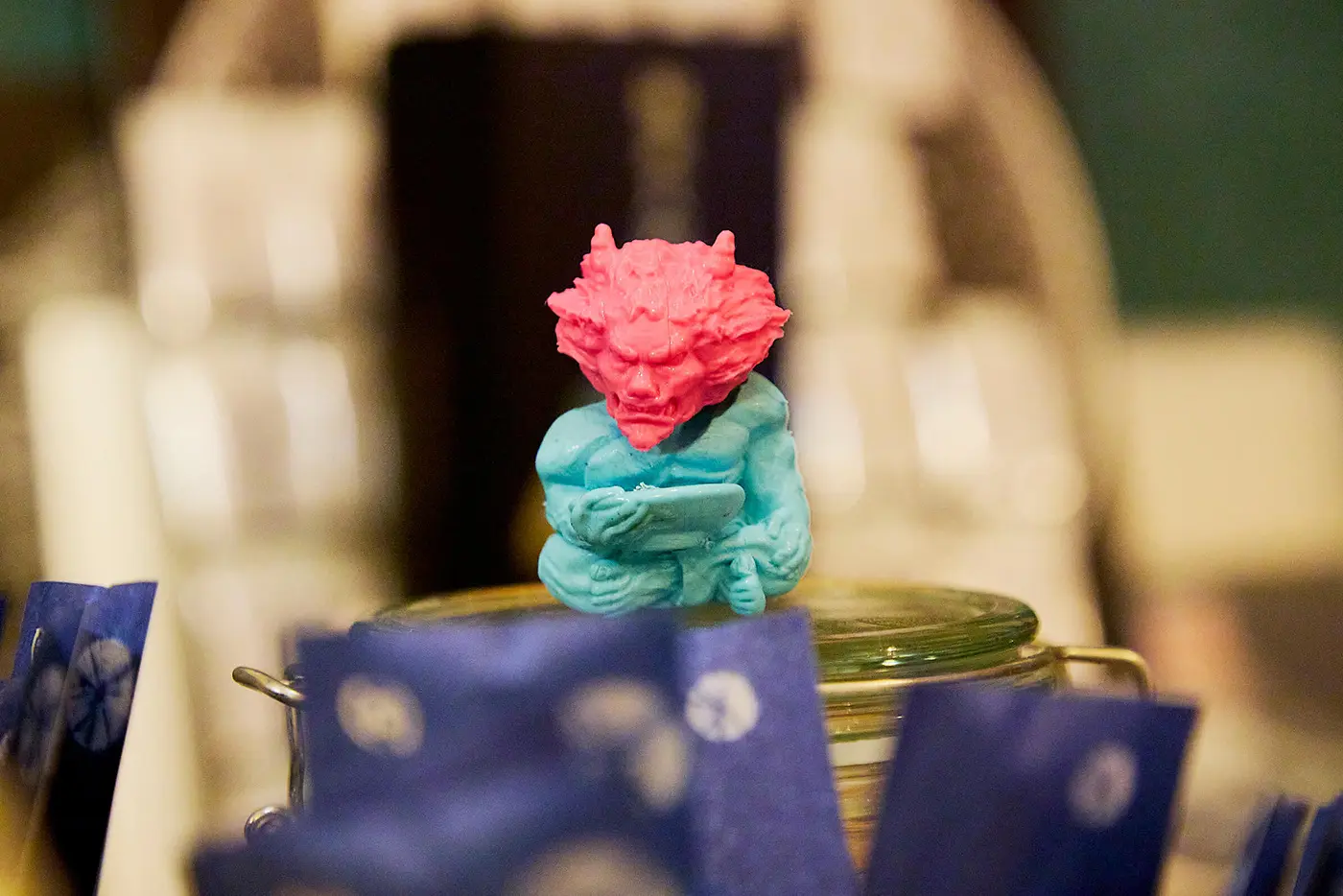
Through a new initiative that began in 2023, yokai figurines modeled after the people of Fuse were created and made into capsule toys. You can then go and meet these “living yokai” for yourself.
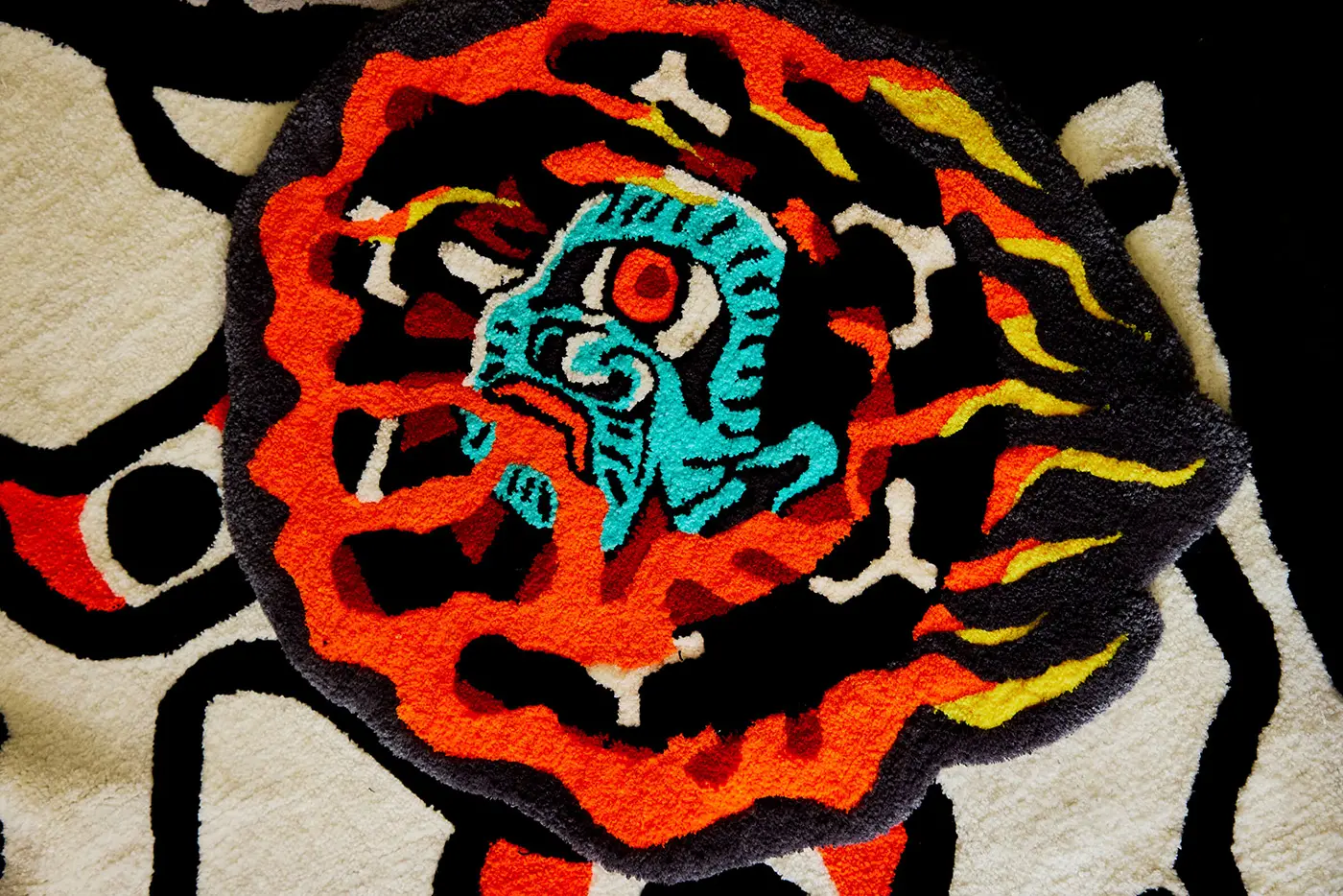
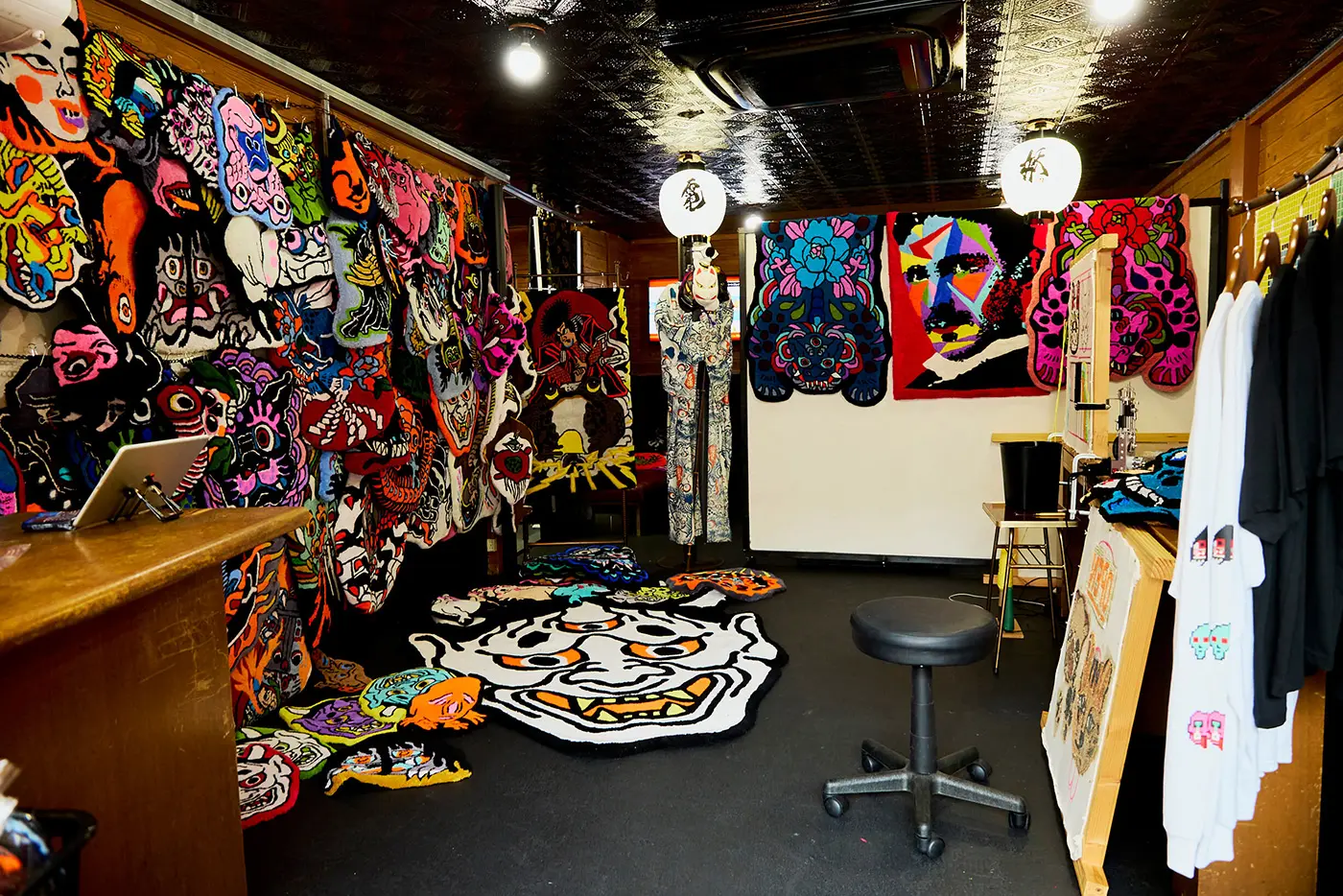
What will you get? Yokai that you can meet in capsule toy form
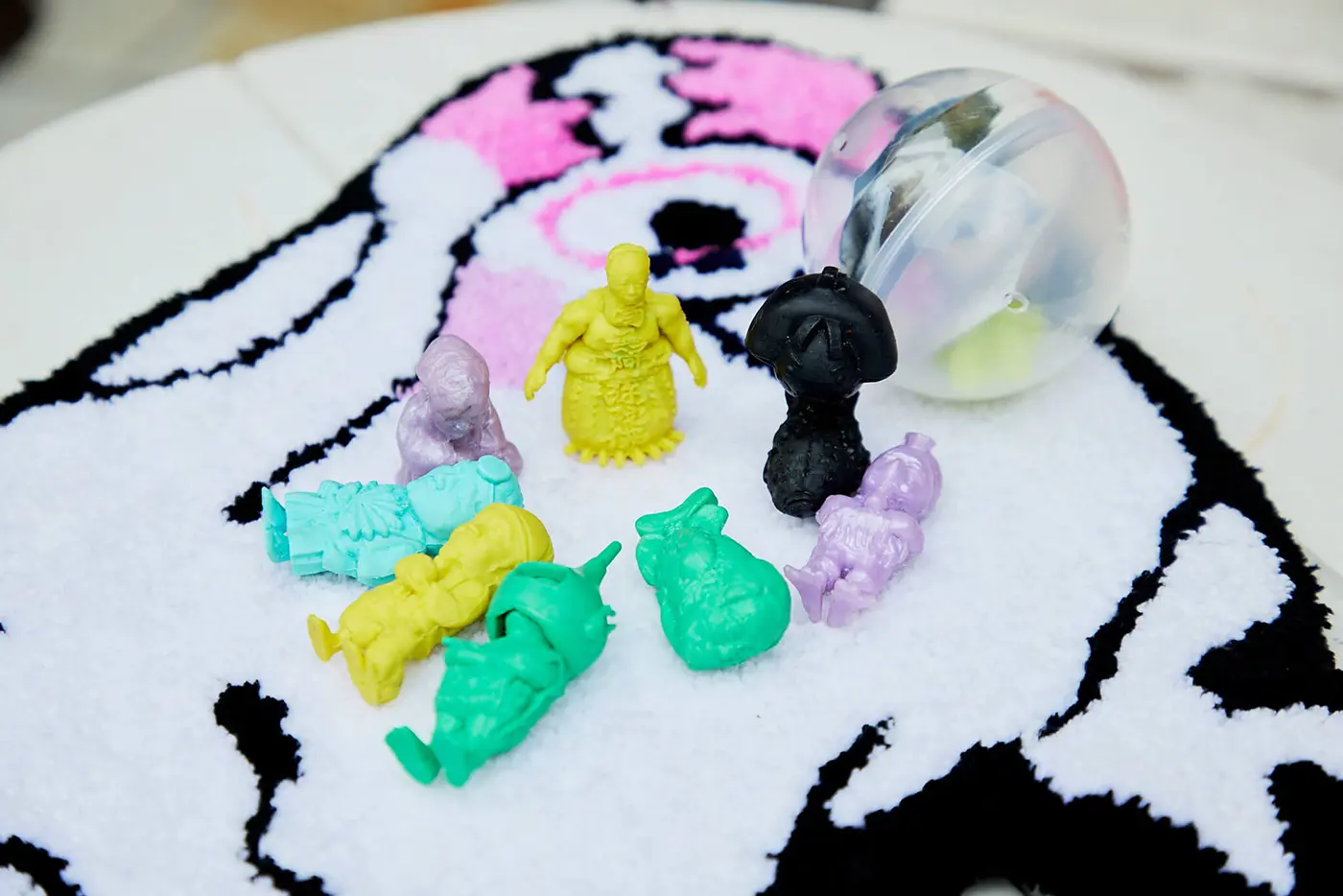
These are the yokai who live in Fuse, modeled after the people of the town. As Gin-san seeks out important and popular figures in the town, the number of figurines increases. Let’s go and meet the people who inspired these yokai figurines and see what kind of people they are.
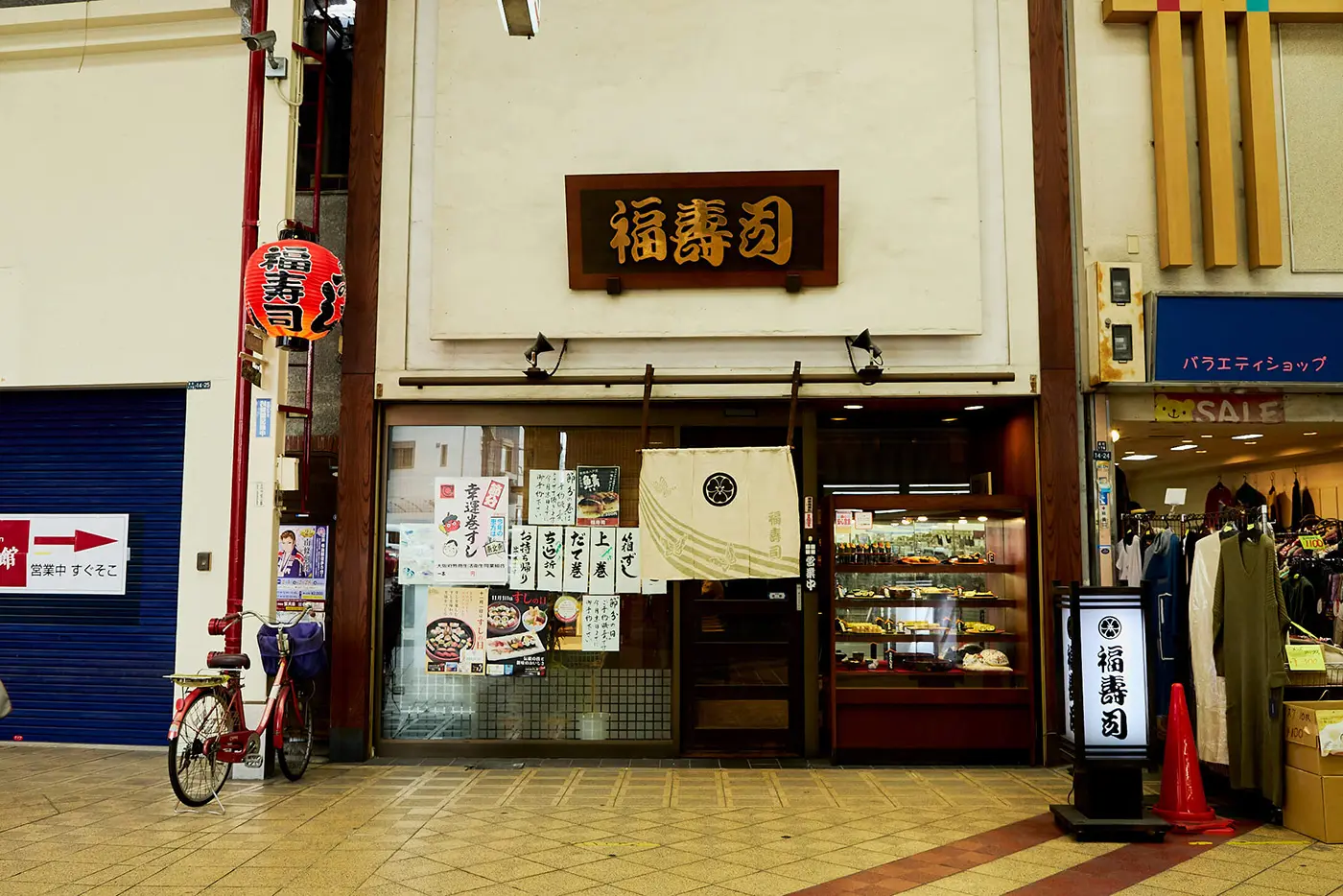
A fish with a human face that conveys Osaka’s traditions…? Fuku Sushi, a long-established restaurant with a 91-year history
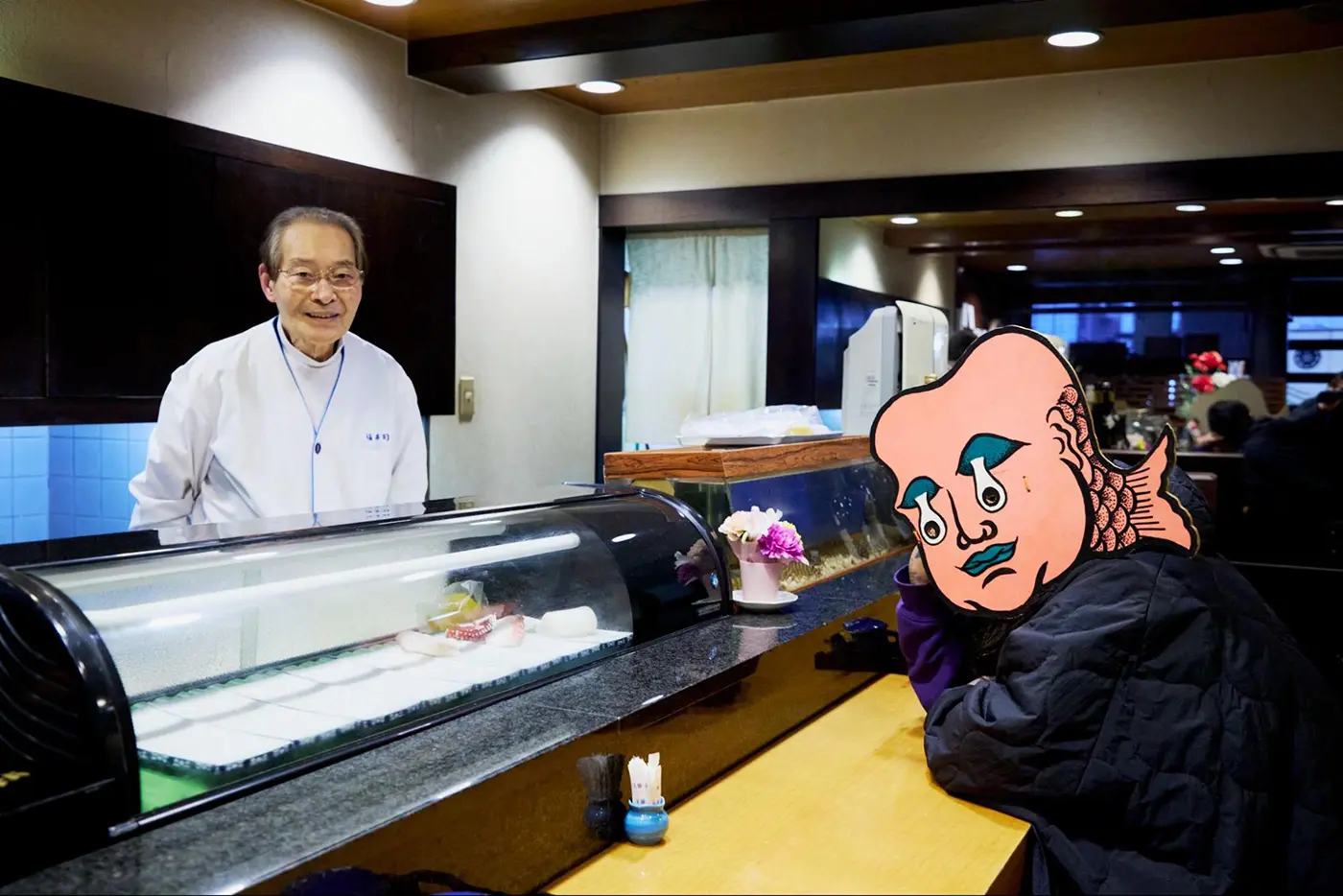
The first yokai you can meet is Wada-san, the owner of Fuku Sushi, which is located just around the corner from Biribiri Monster. Fuku Sushi is a long-established sushi restaurant that has been in business for 91 years, serving not only nigiri but also traditional Osaka sushi.
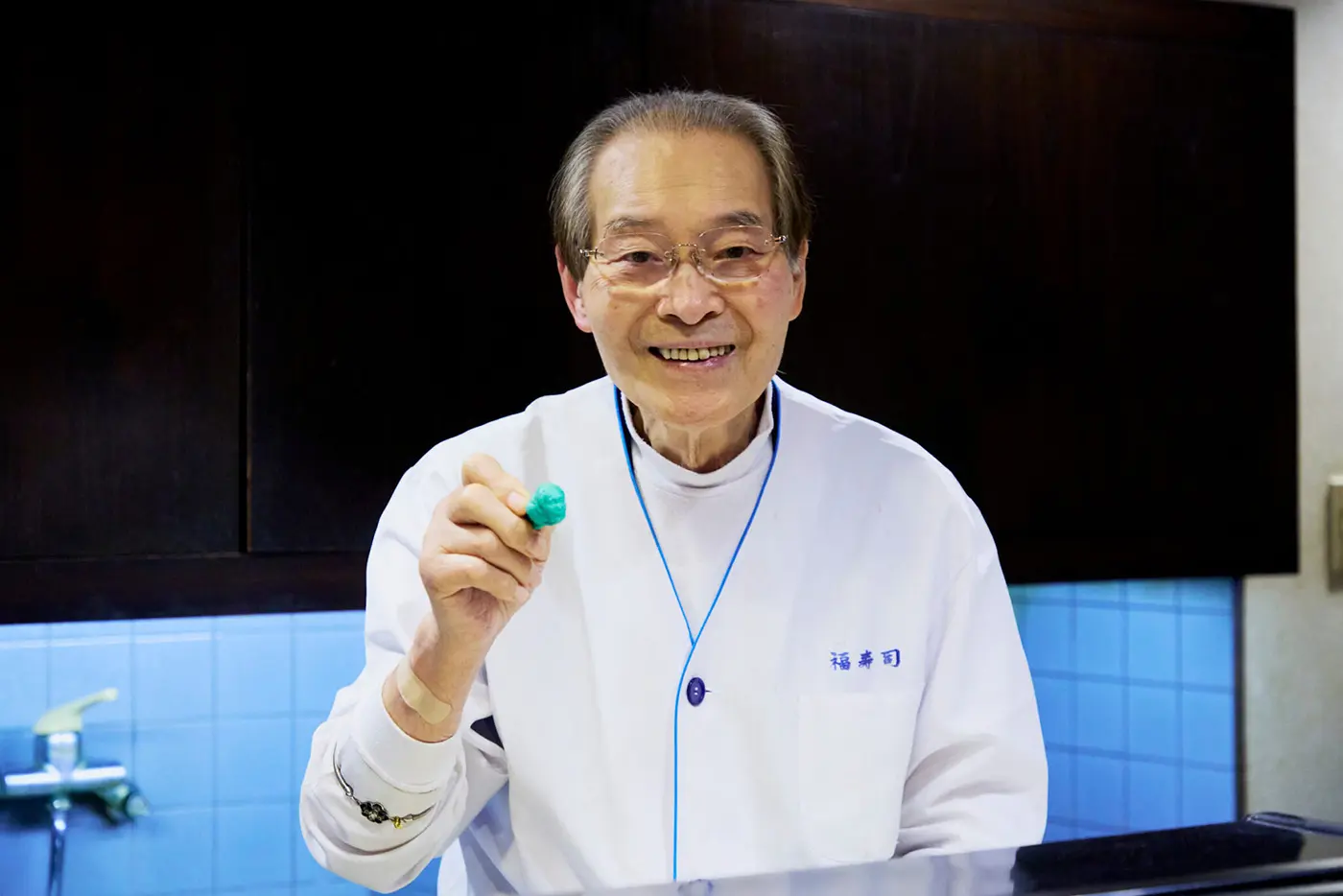
The recommended item here is Osaka sushi, which is a set including Osaka’s famous oshizushi (boxed sushi) and makizushi (rolled sushi). These are traditional dishes that were eaten mainly in the Kamigata region before nigiri was born in Edo.
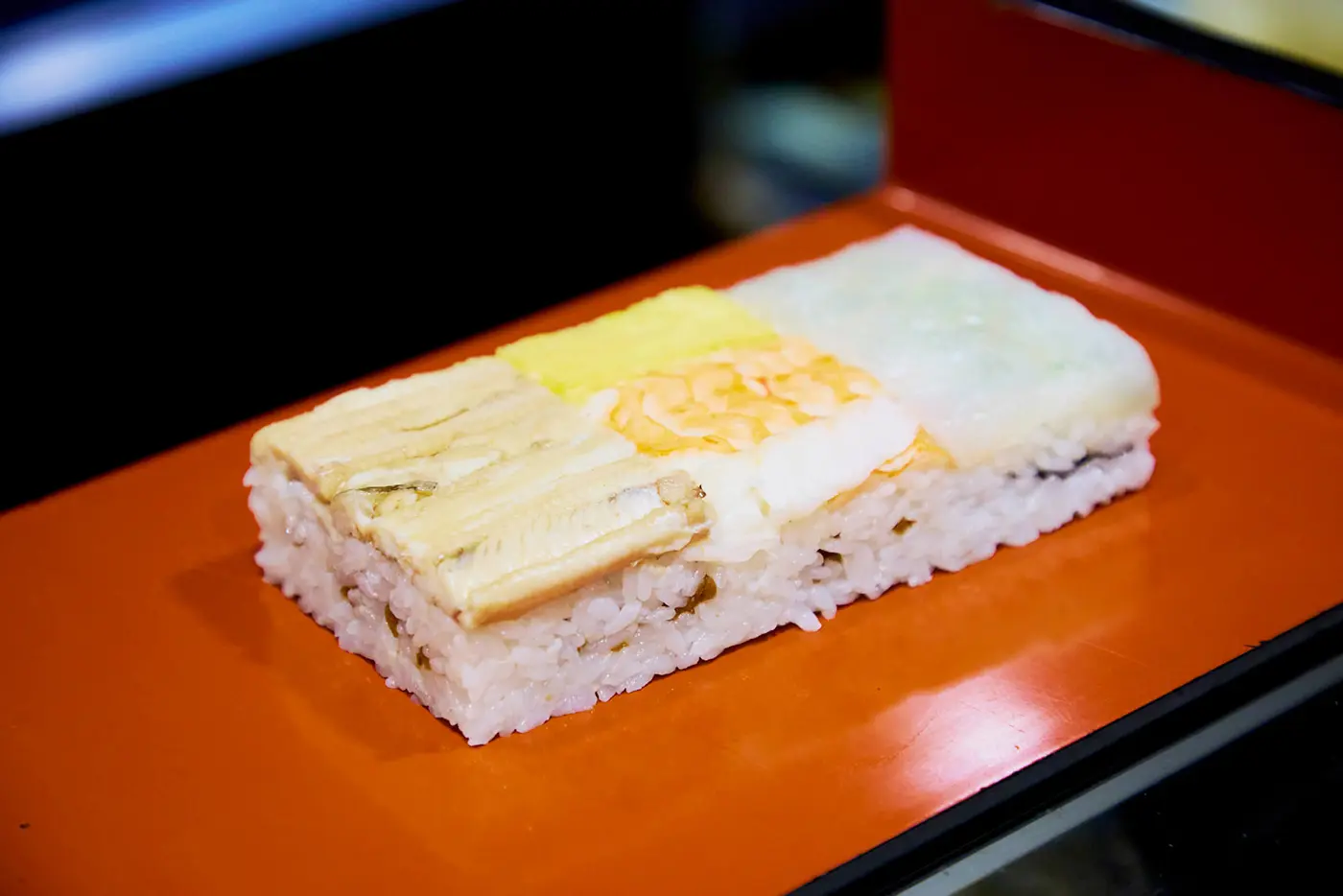
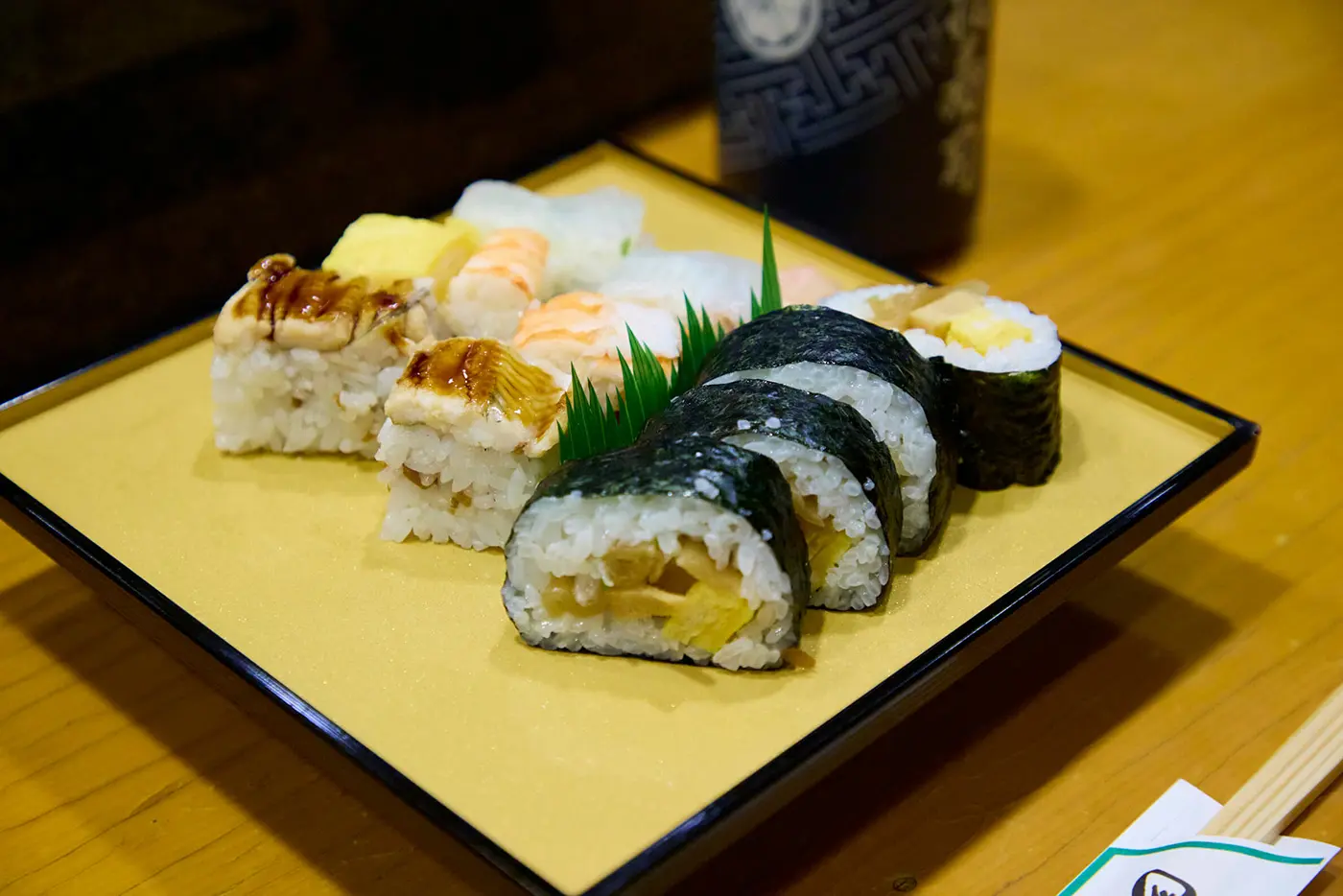
The oshizushi is popular, but the mackerel sushi, a winter exclusive, is also exquisite!
He’s obsessed with sneakers! Marukou Suisan, the takoyaki restaurant whose owner has his hobby on full display
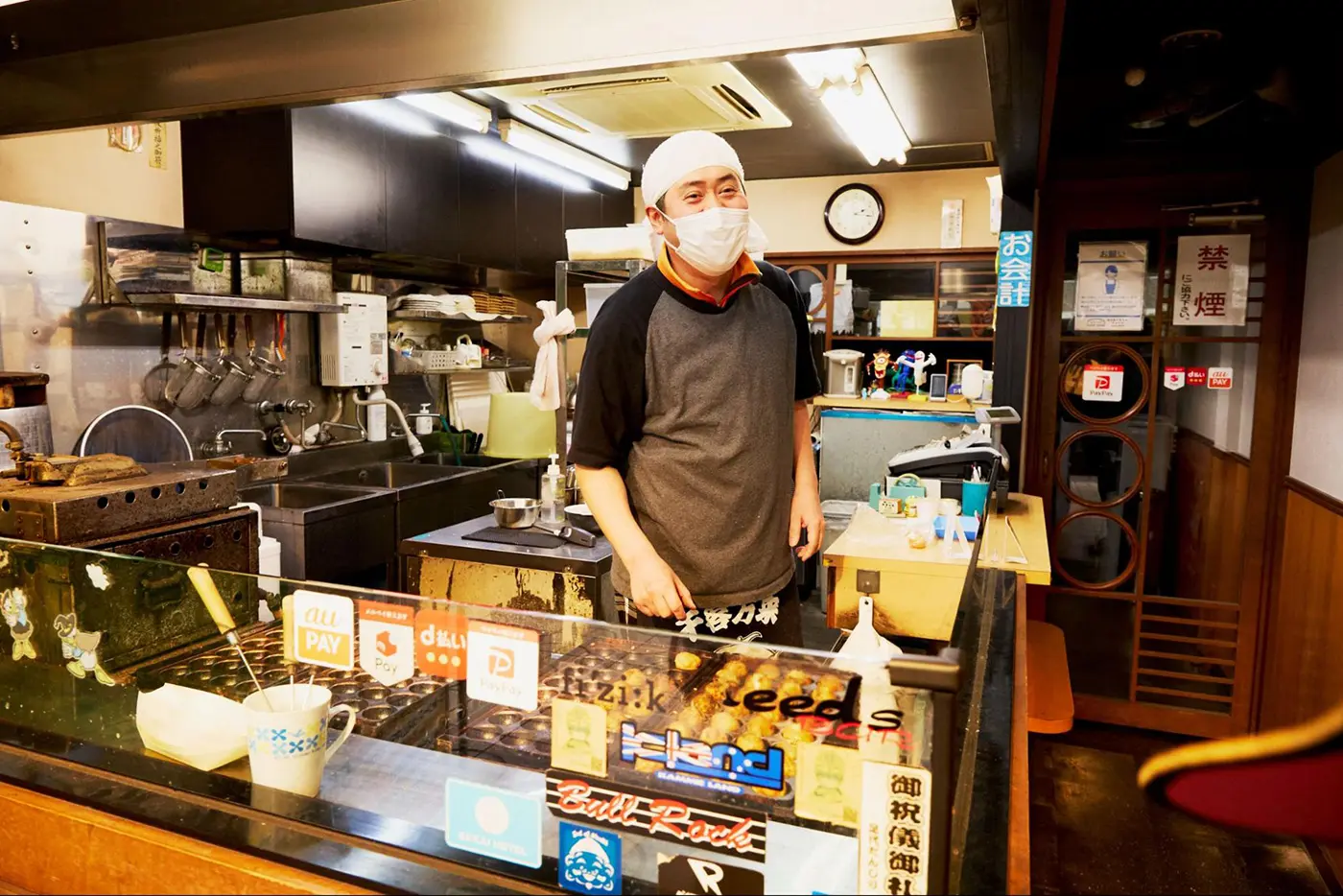
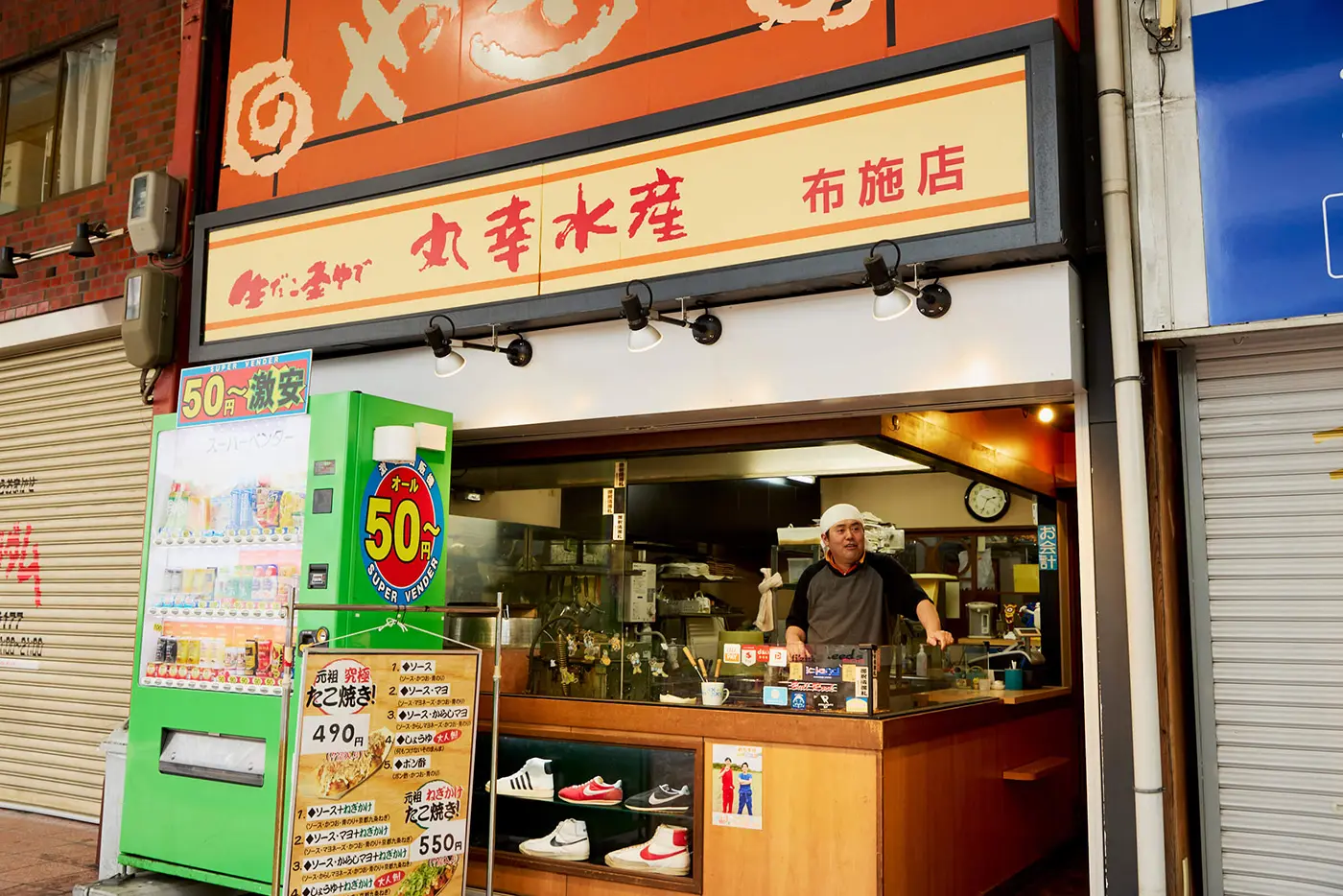
The next yokai is Terada-san, the owner of Marukou Suisan Fuse, who is one of the key figures in the revitalization of the Fuse shopping district together with Gin-san. Terada-san is a genuine Fuse native whose grandparents did business in the neighborhood. He U-turned on Tokyo and opened a restaurant in his hometown.
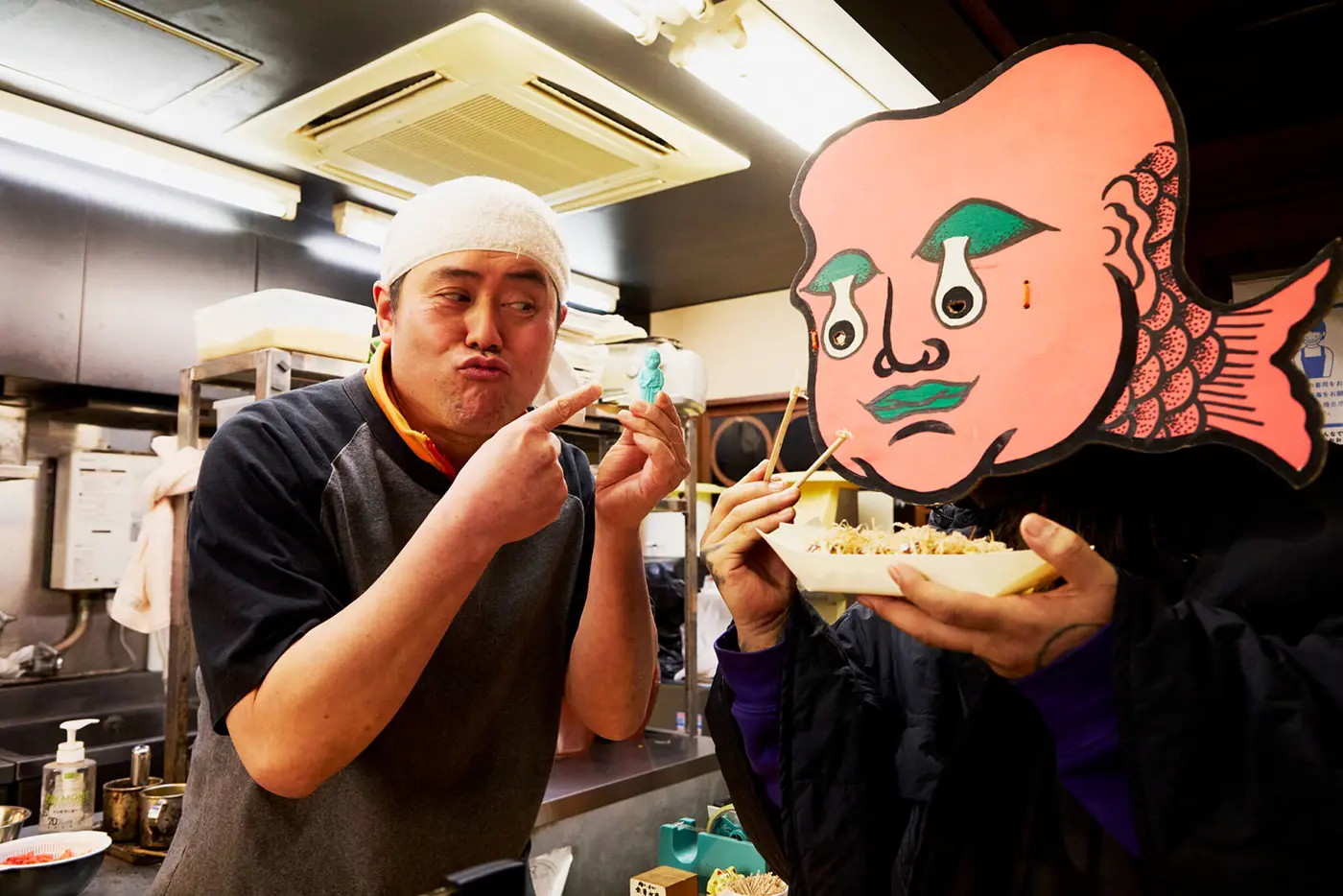
This restaurant sells its signature takoyaki, which is made by boiling fresh octopus in a pot in the restaurant. Beyond the door is an area that one would expect to be for eating and drinking, but it turns out to be a hobby room where sneakers are displayed.
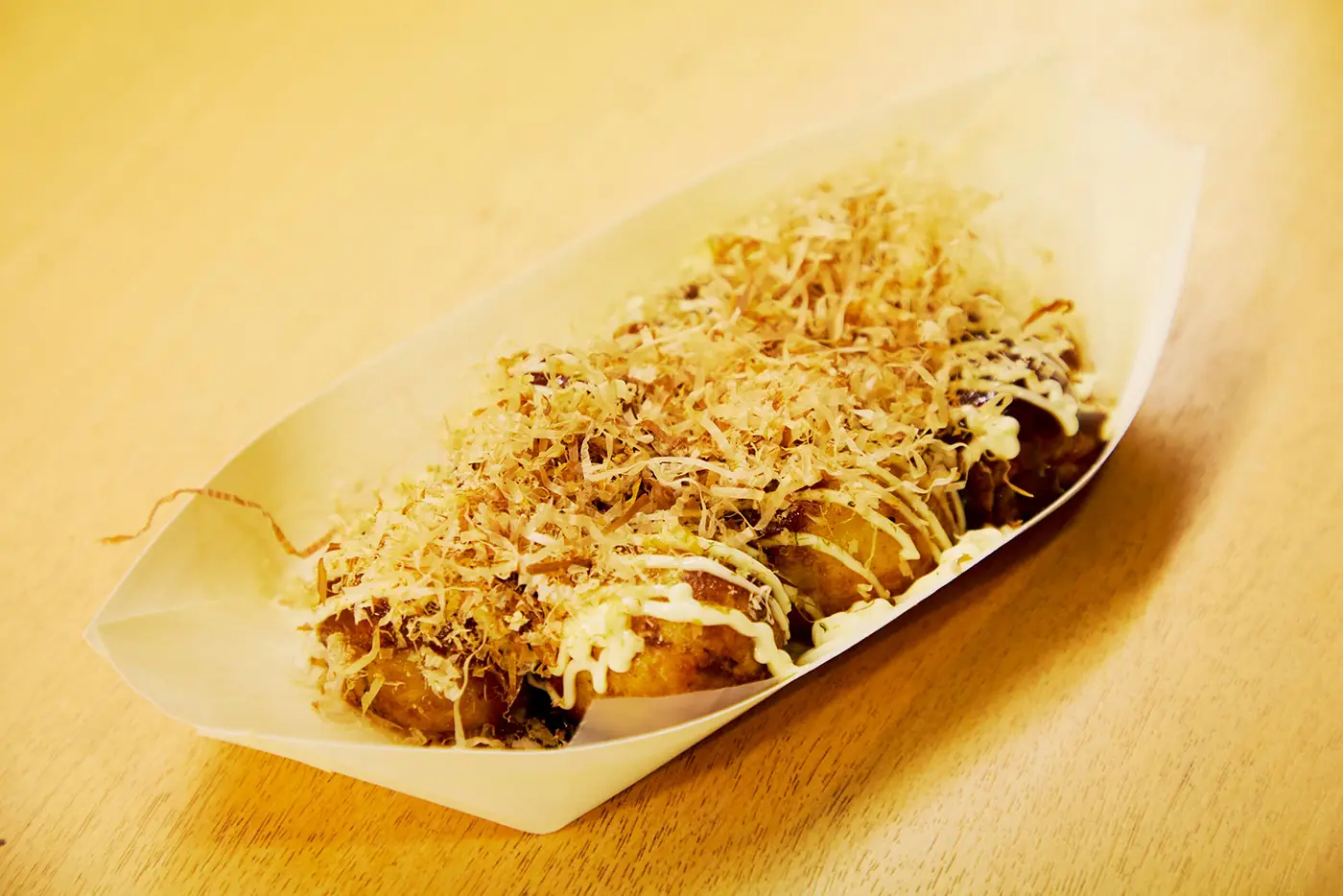
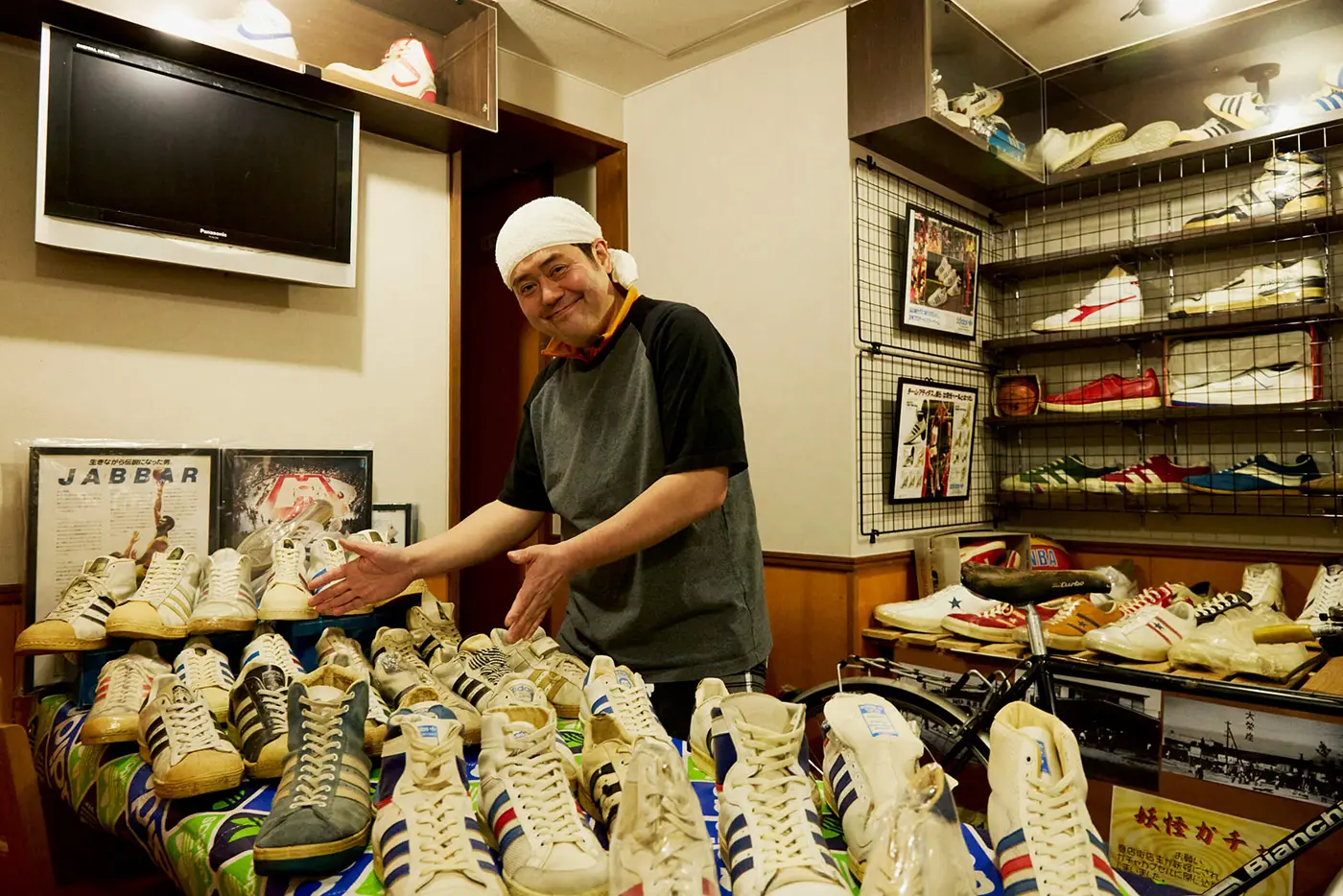
I always go for the secret menu item, which is super hot sauce + Kujo leeks. With sneakers displayed in the restaurant’s show window, this is a restaurant where the owner’s hobby is on full display. Our families are close, and my son, who loves yokai, often comes to visit.
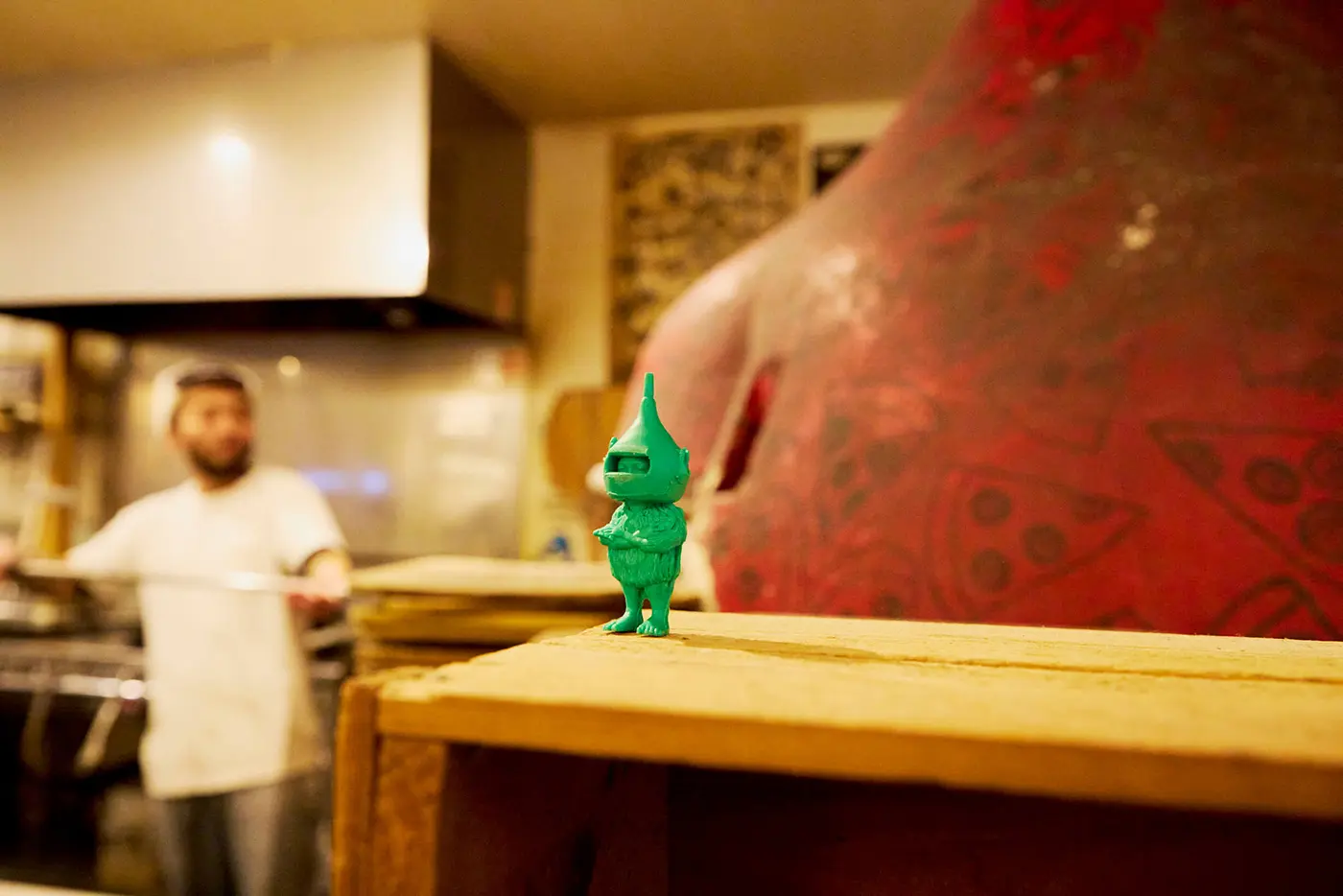
A yokai that wears an oven imported directly from Naples on its head? “That’s PIZZA”
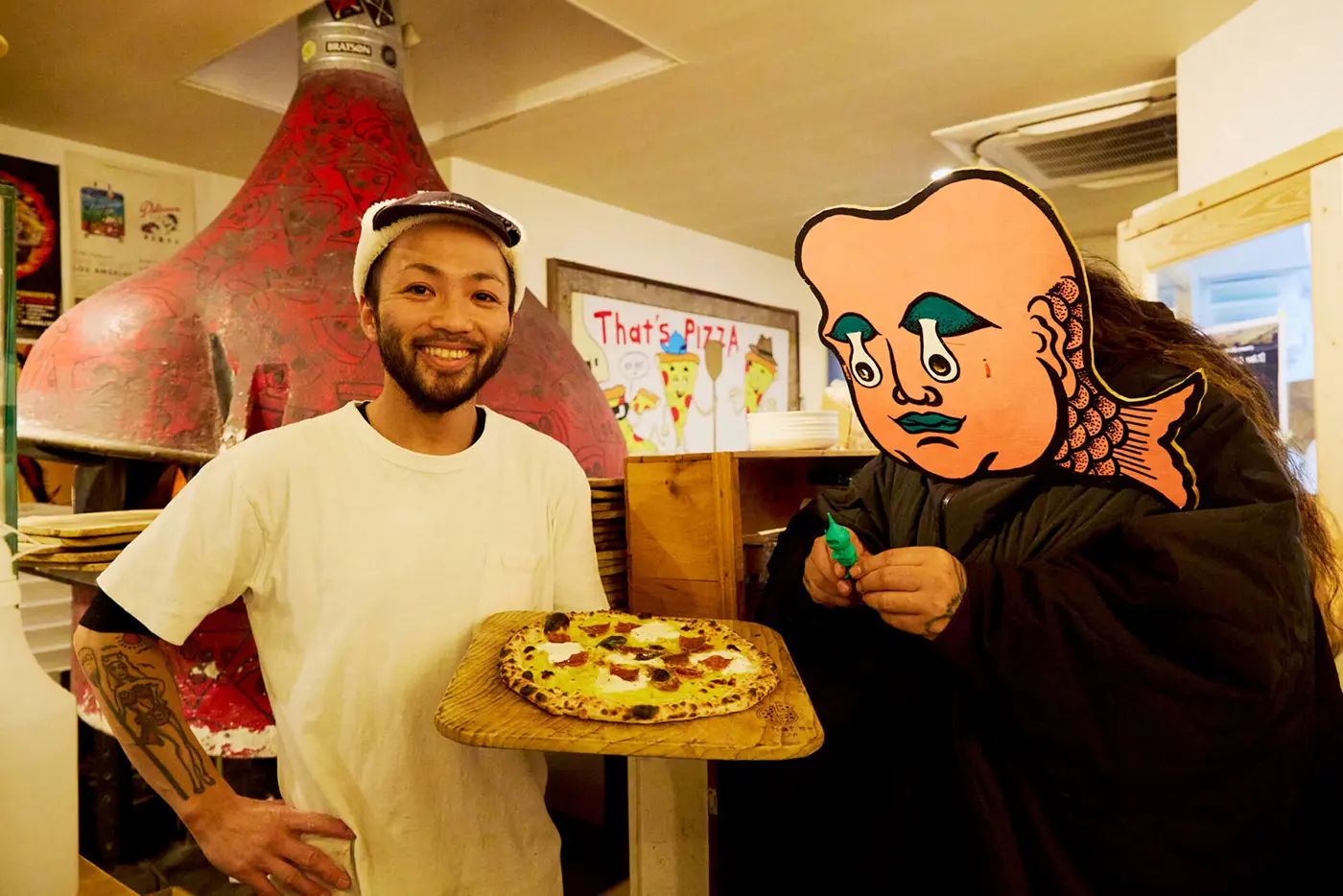
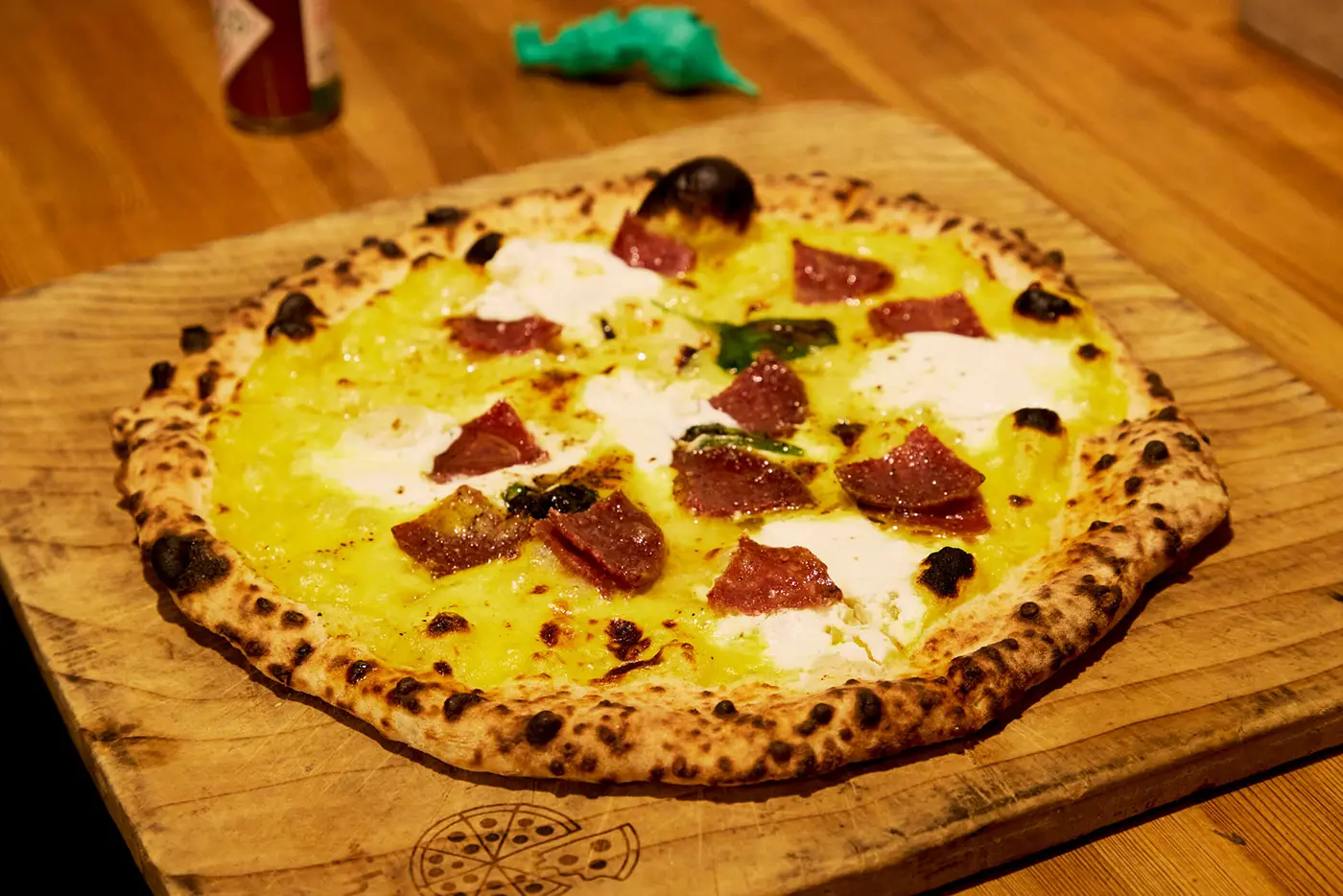
That’s PIZZA is a popular pizza shop run by its owner, Kajiwara-san, who honed his craft in Naples, the capital of pizza. This is the only place in Fuse where you can enjoy authentic pizza baked in an oven imported directly from Naples.
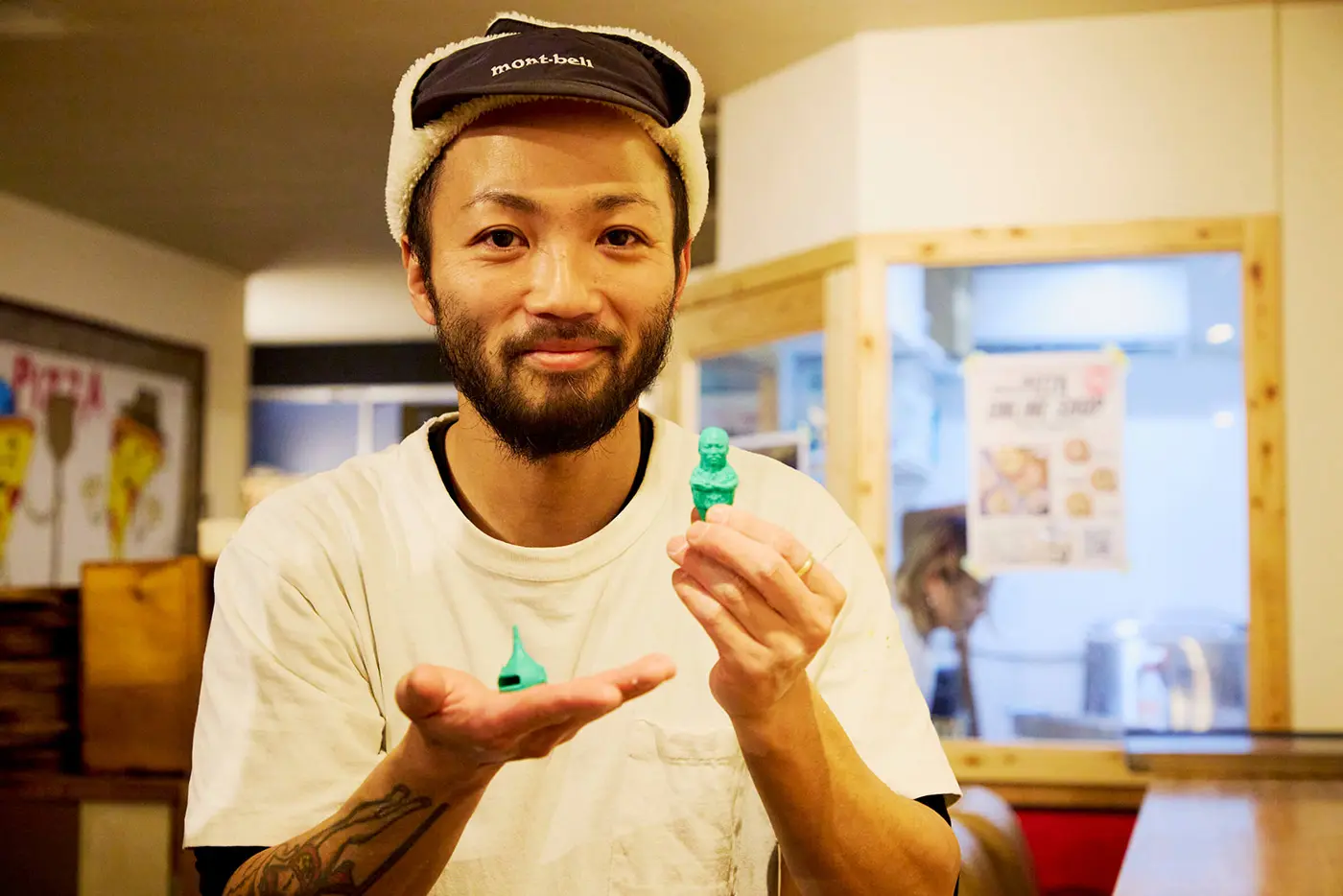
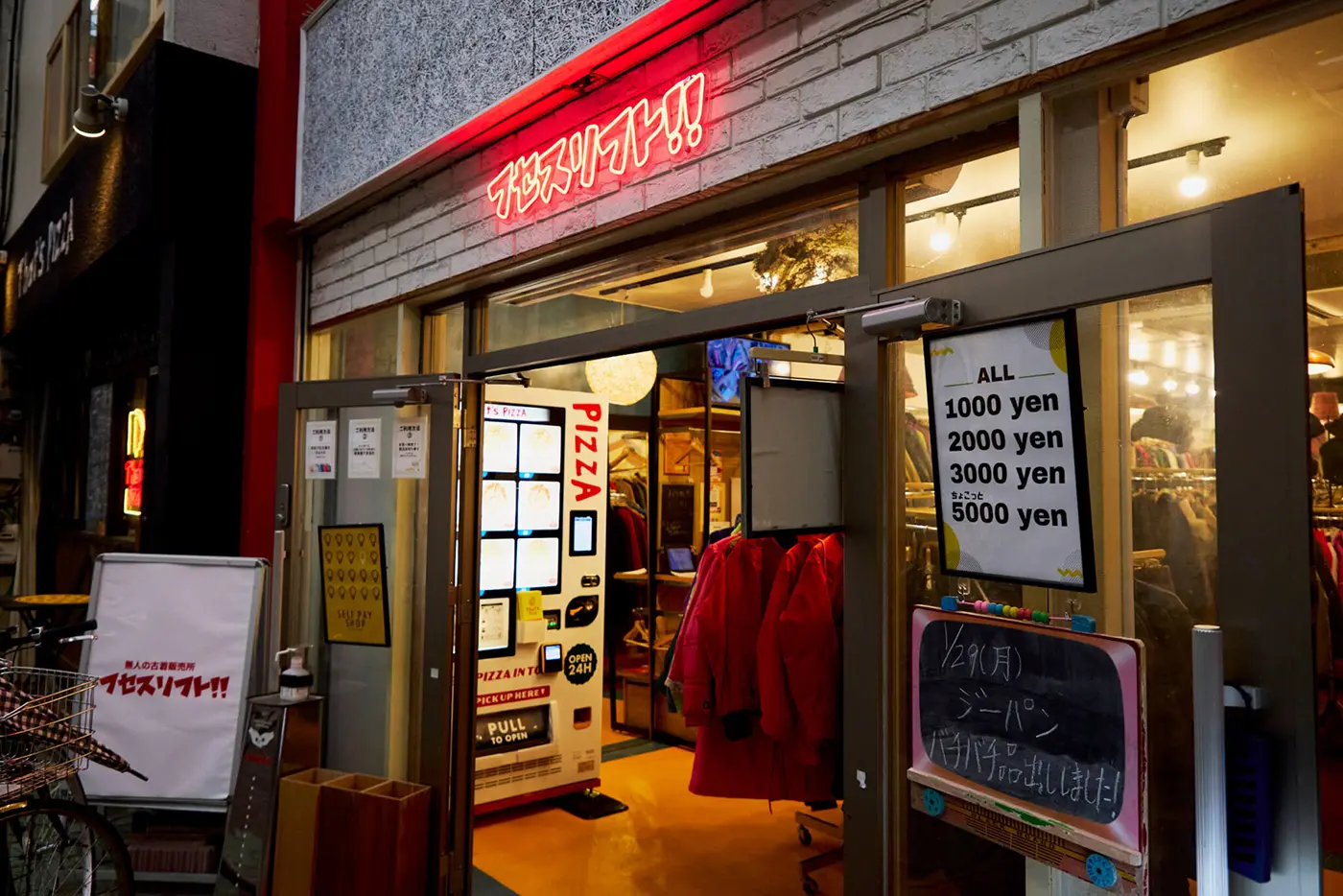
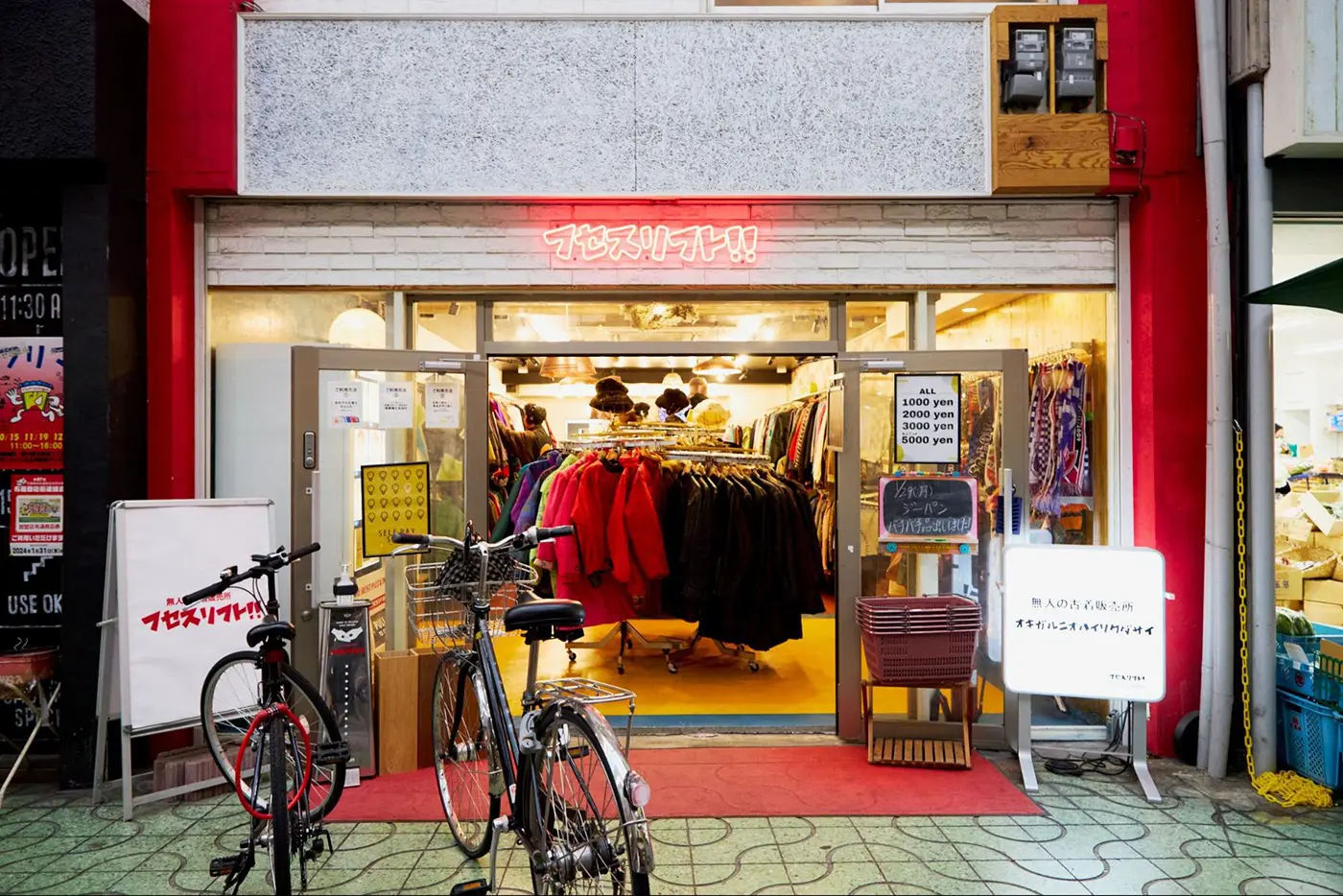
Next to the restaurant, a 24-hour unmanned second-hand clothing store called Fuse Thrift!! also has a That’s PIZZA frozen pizza vending machine. The novelty of this machine became a hot topic of discussion on social media platforms, and it became such a popular item that it was even introduced on television.
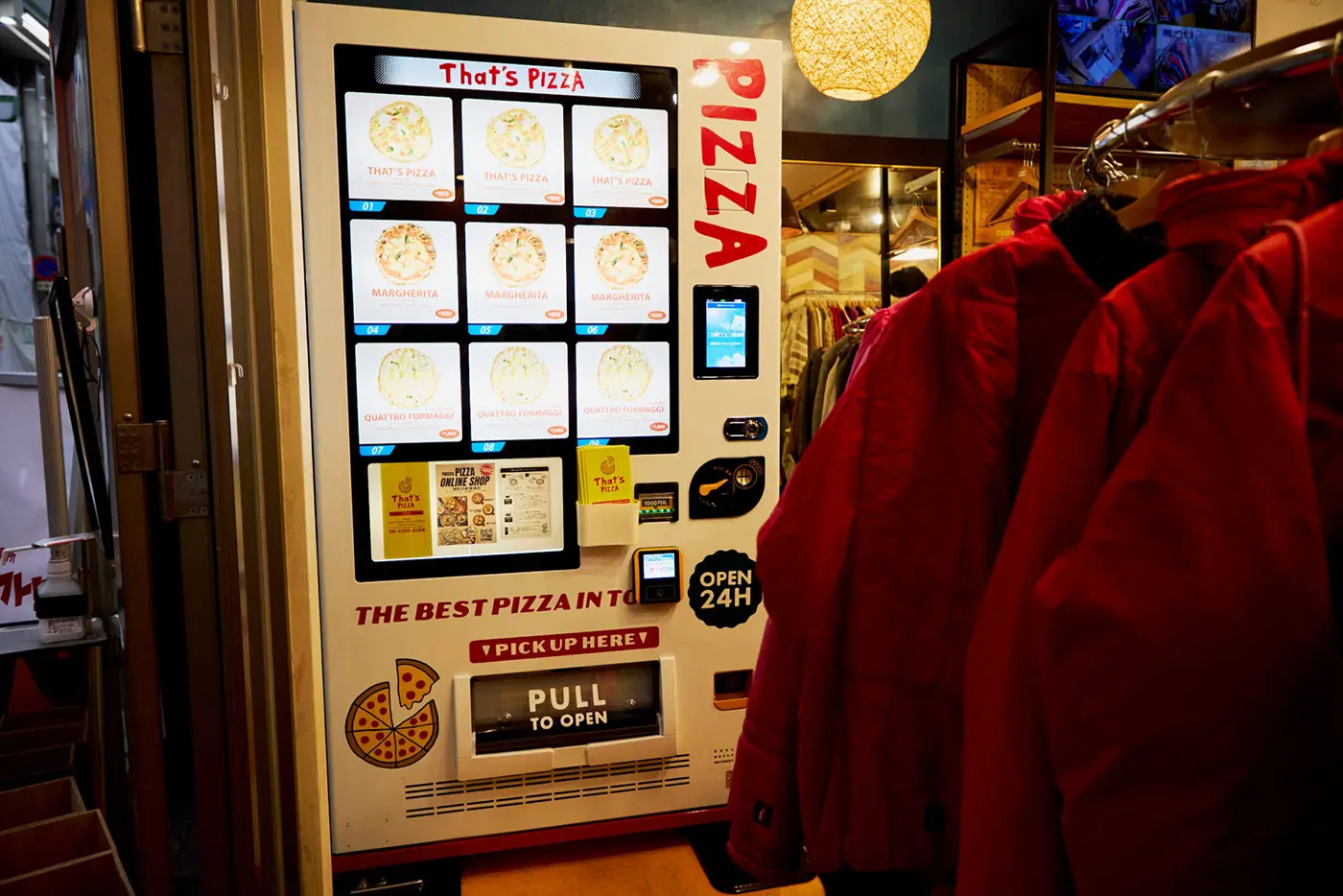
The corn paste That’s PIZZA is excellent! That’s PIZZA’s pizza dough tastes great even when cold. Through eating it, you can experience the owner Yohei’s commitment to preparing his pizzas in the Neapolitan style.
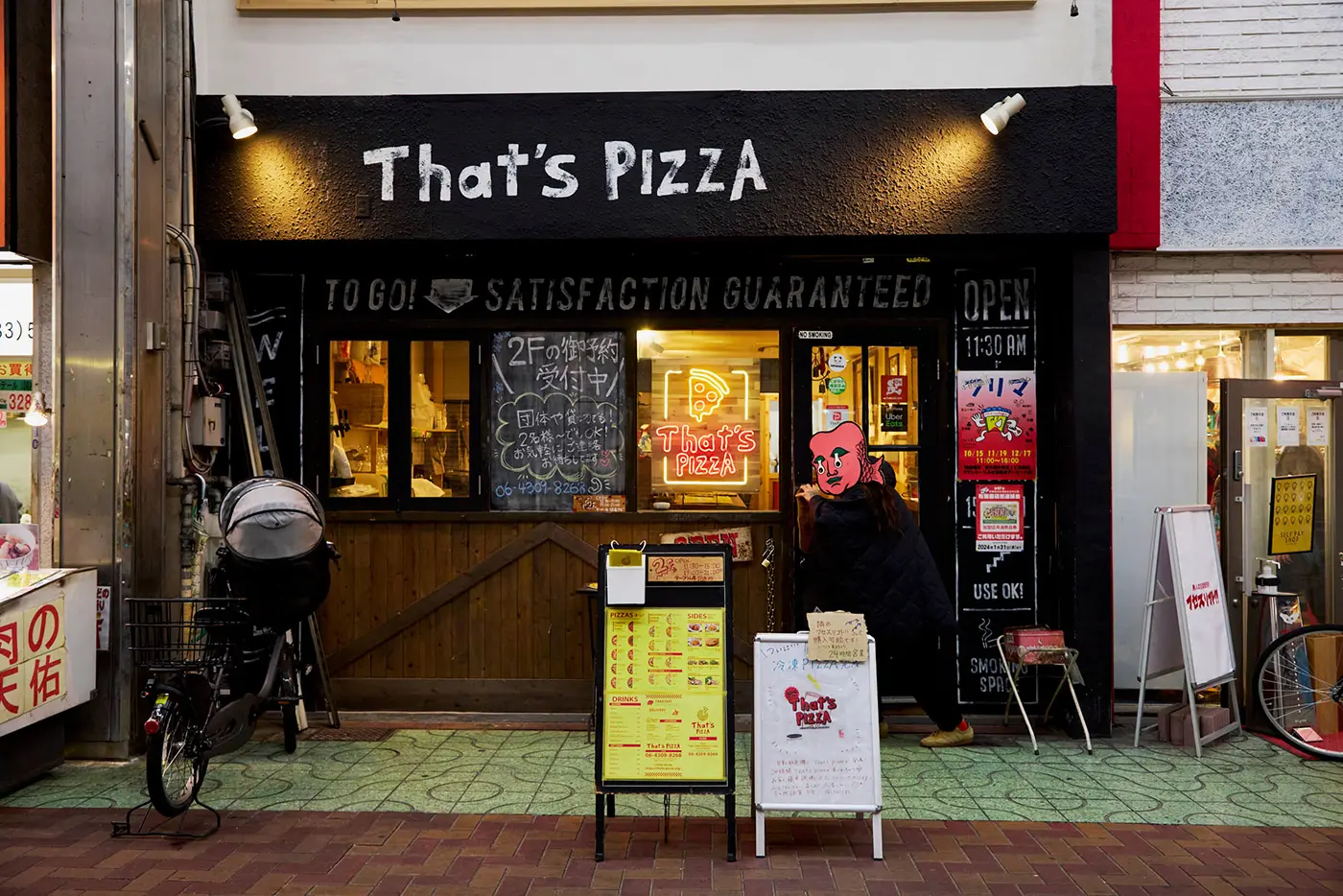
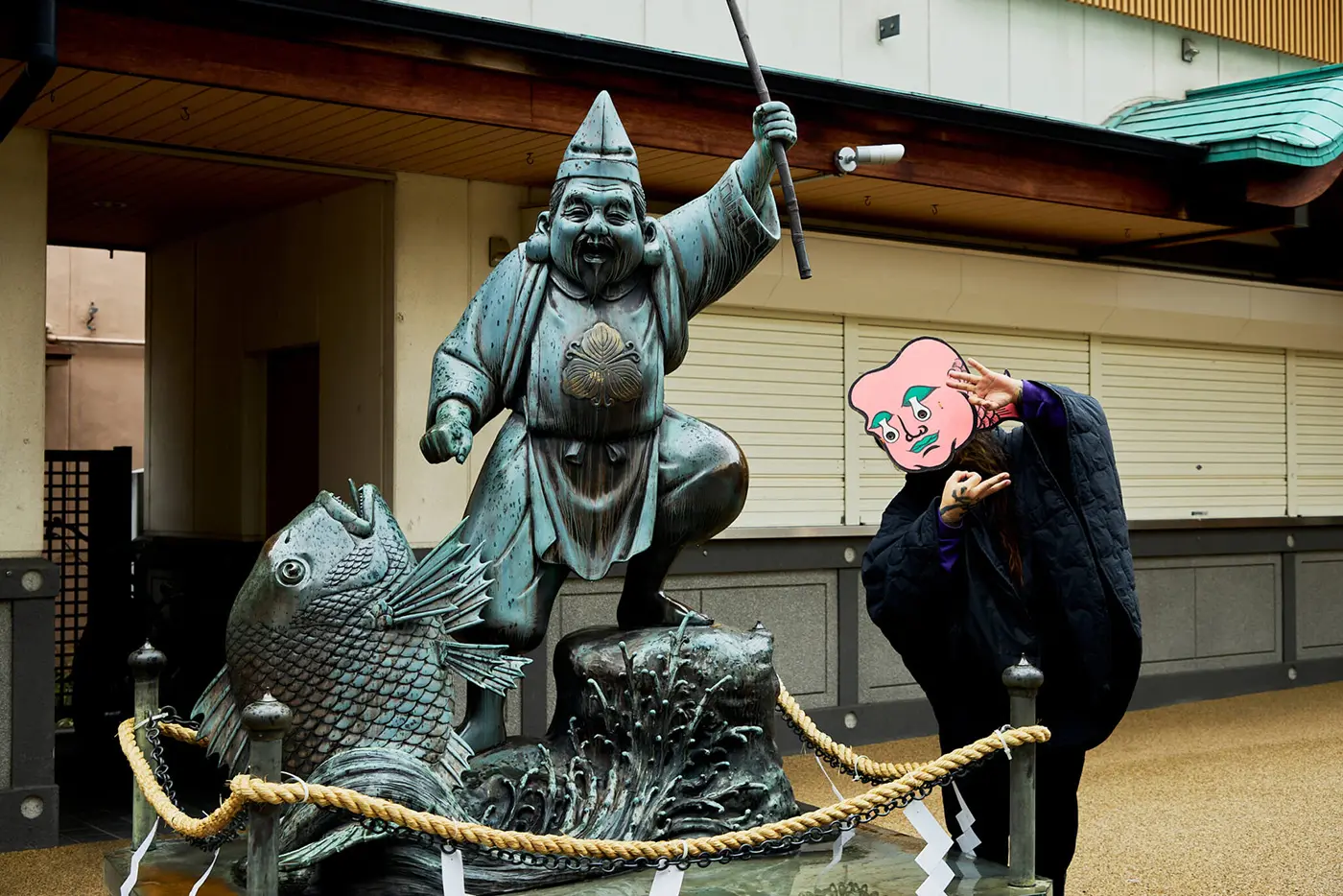
Ultra rare secret character? The biggest Ebessan in Japan
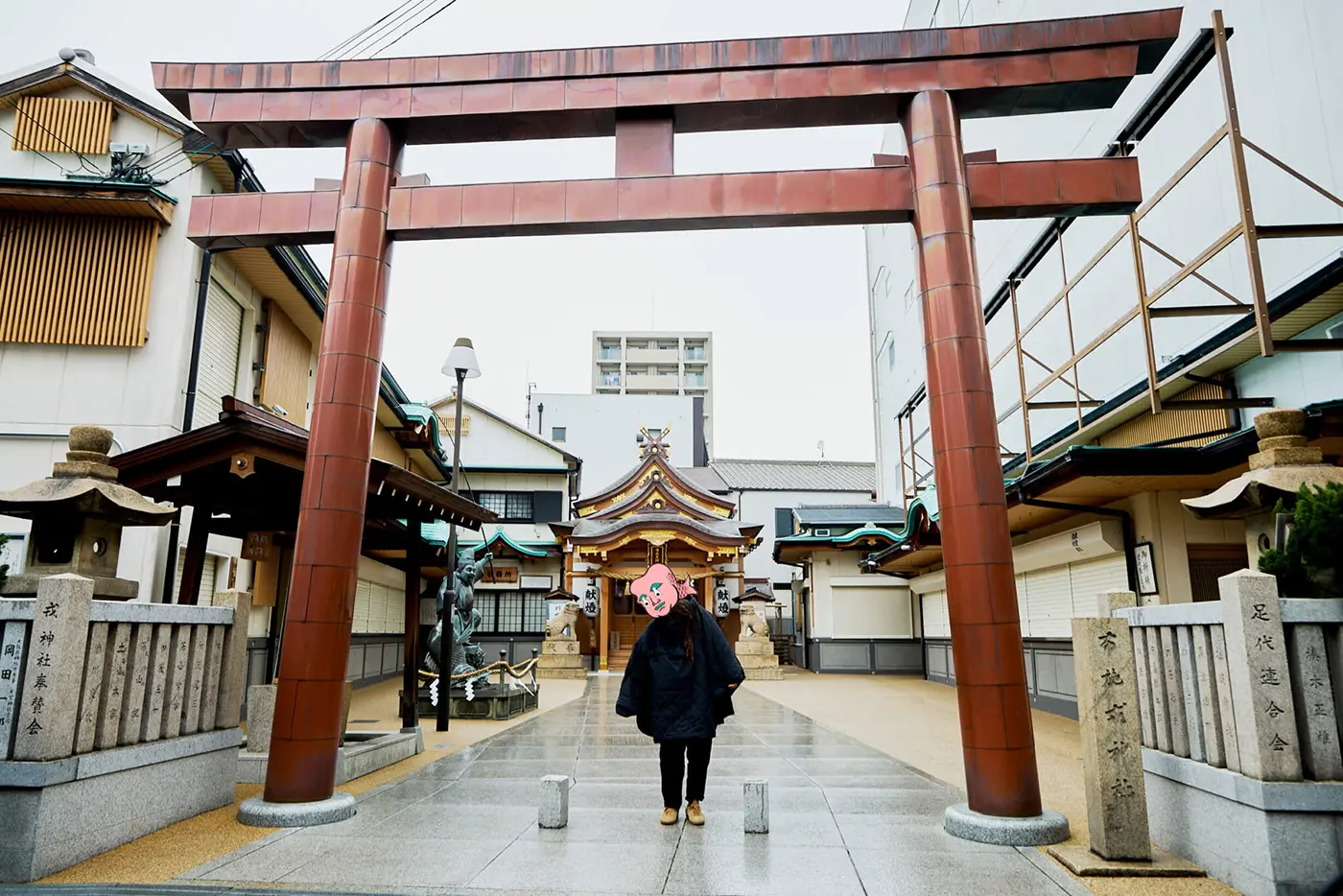
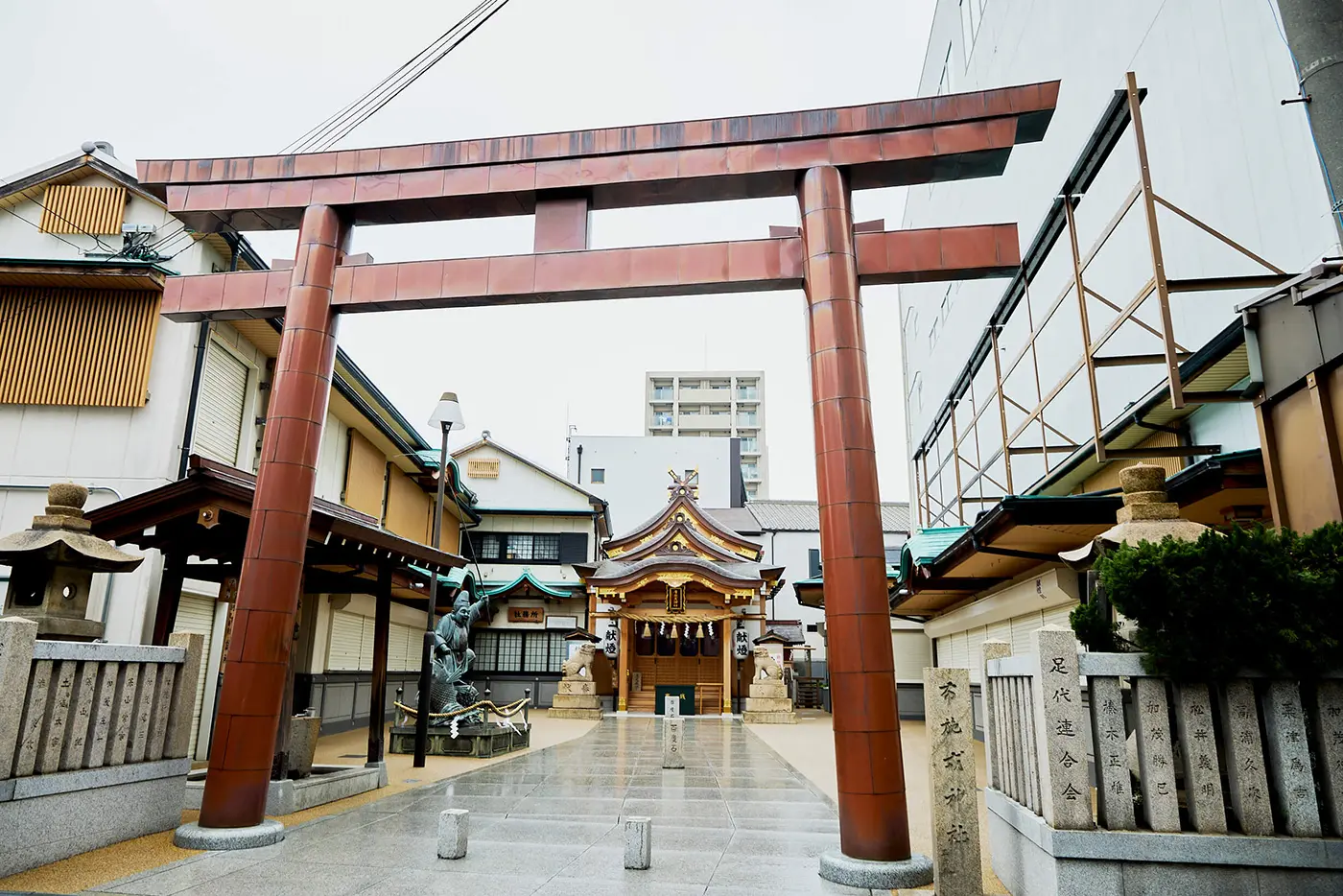
Ebisu Taishin, also known as Ebessan, is a super-premium “secret character” hidden in the yokai figurine capsule toys. Fuse Ebisu Shrine, affectionately known as Fuse’s Ebissan, is crowded with visitors during the Toka Ebisu festival held between January 9-11 every year, when visitors come to buy fukuzasa (lucky bamboo branches).
SEKAI HOTEL, a hotel with guest rooms converted from vacant houses in the shopping district
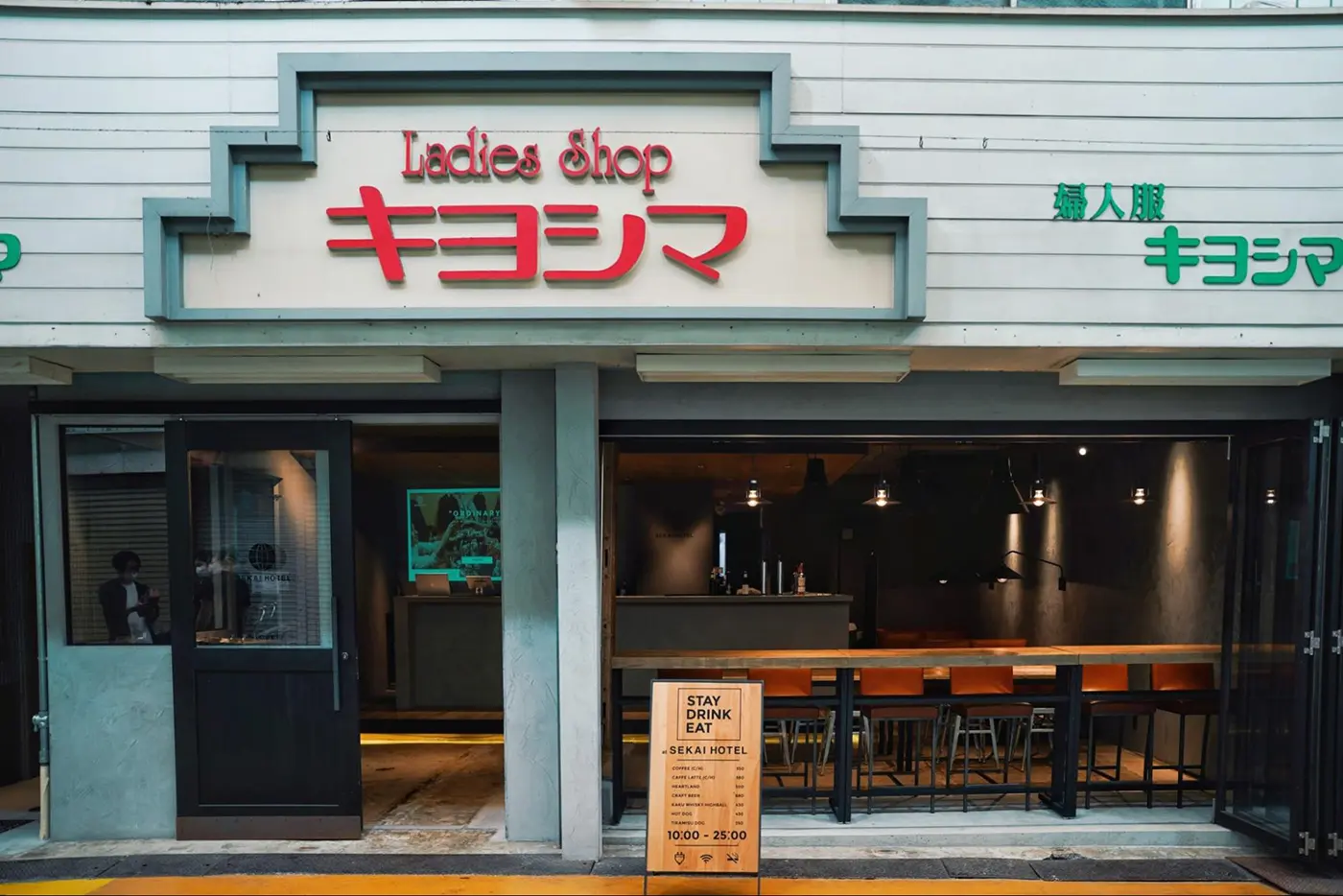
SEKAI HOTEL Fuse is a town-wide hotel that has renovated vacant houses scattered throughout the shopping district and turned them into guest rooms, with dining rooms and bathhouses scattered throughout the area. It makes the entire shopping district a fun and enjoyable place to be by partnering with stores in the neighborhood, and by doing so, enlivens the town of Fuse.
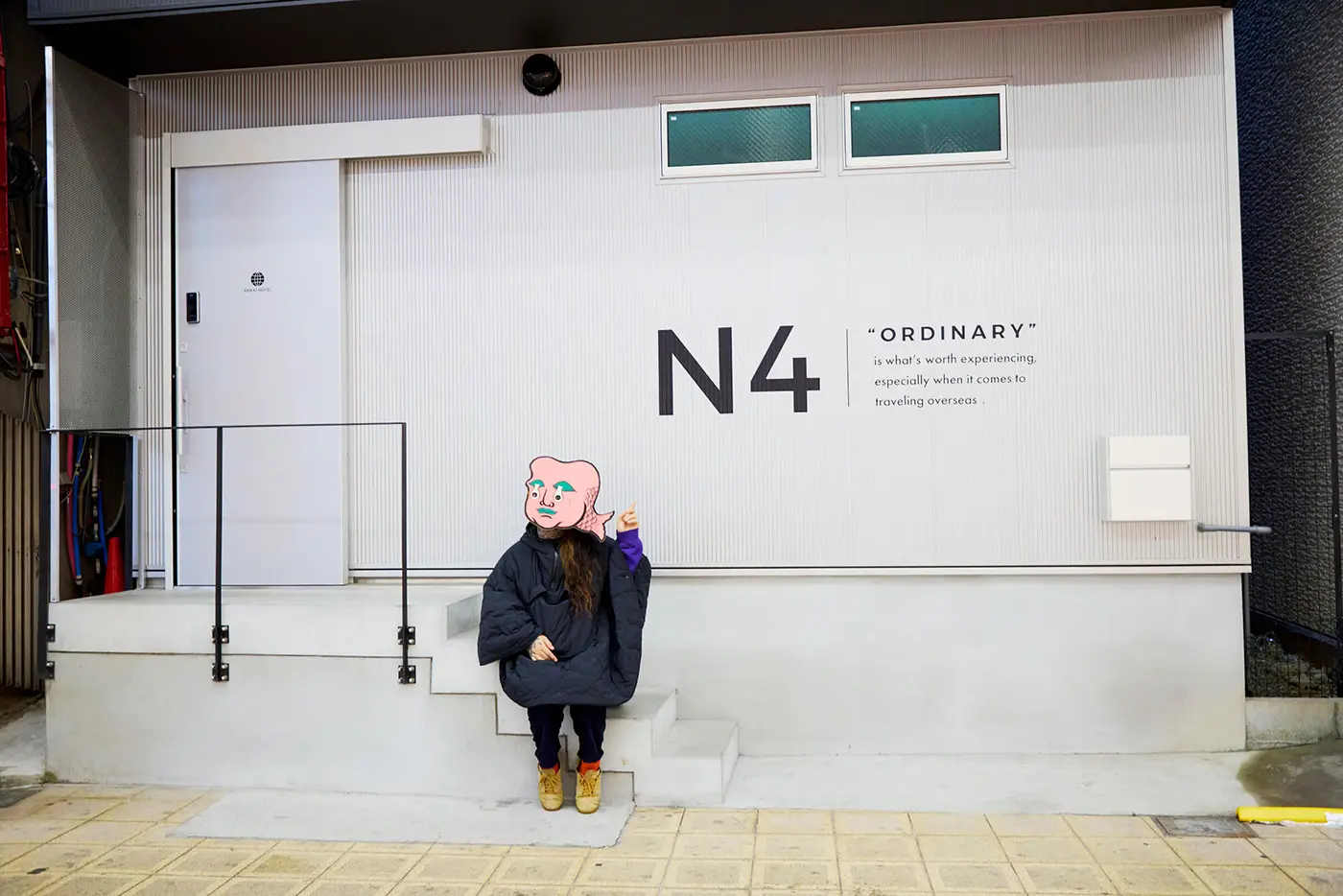
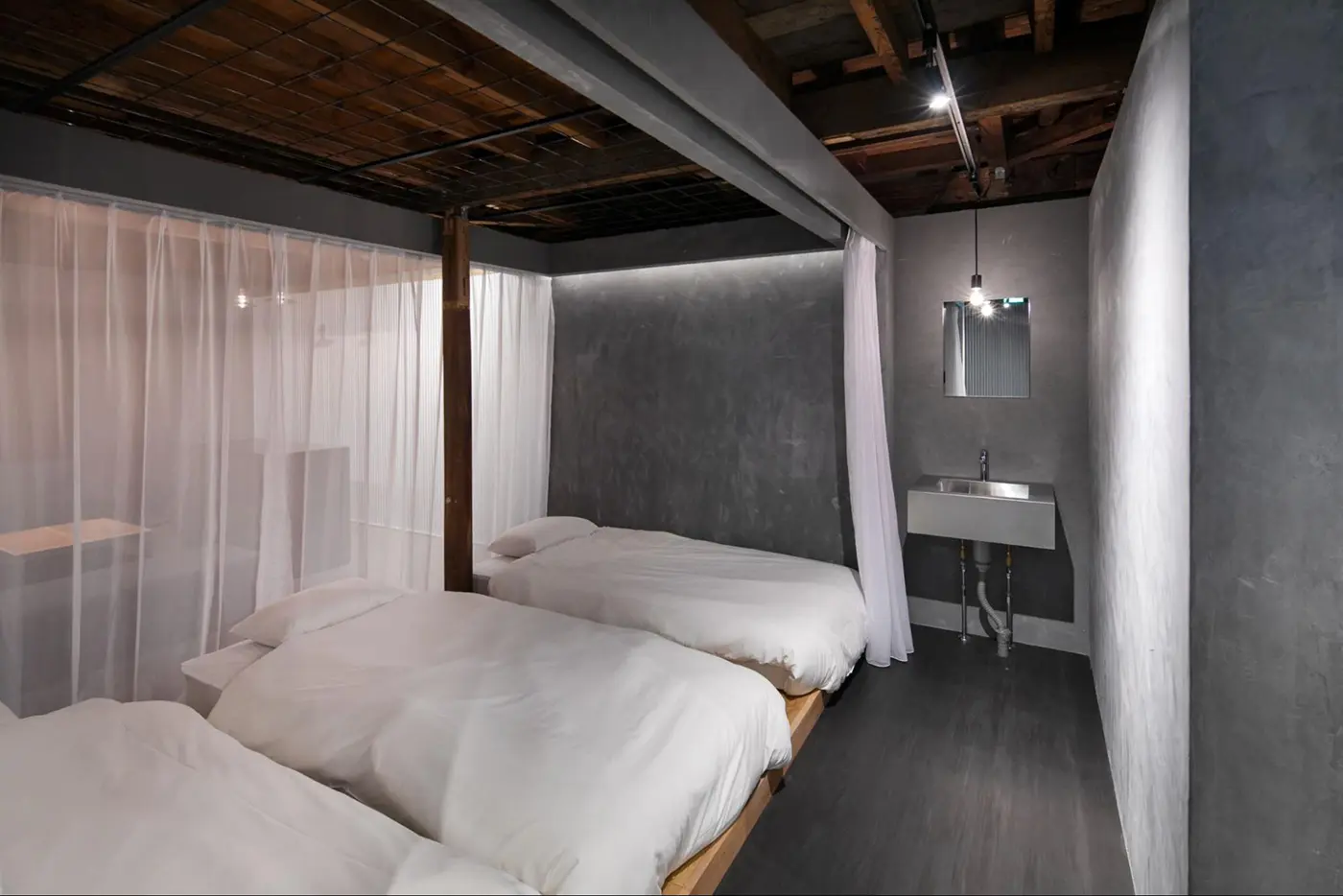
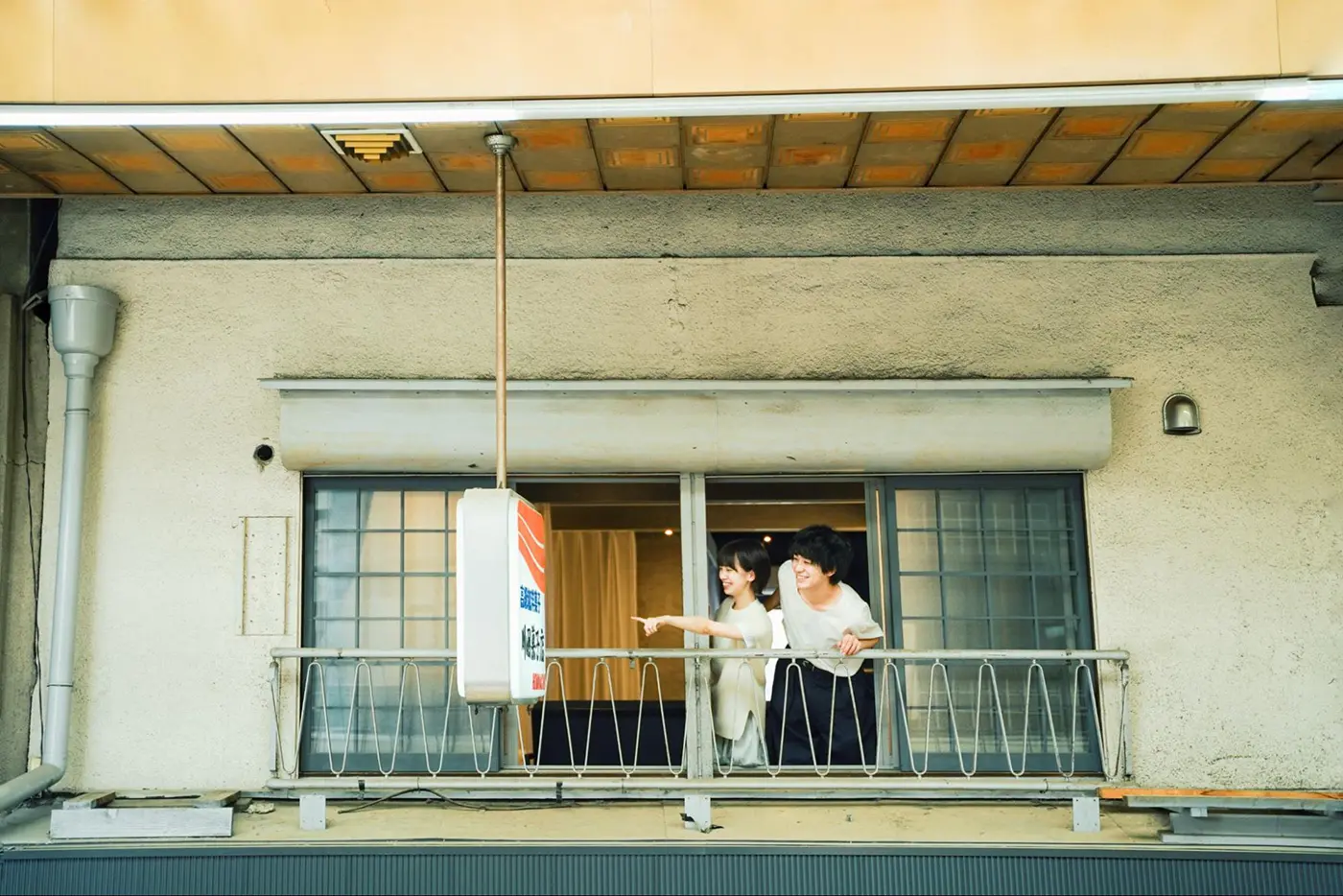
I highly recommend the public bath Ebisu-yu, which is partnered with the hotel. The hotel has recently become a topic of conversation as famous YouTubers have been coming to stay there, one after another. It deserves great credit for elevating the town’s shopping district into a tourist hotspot!
kezakeza, a nightspot where you can immerse yourself in drink and sound
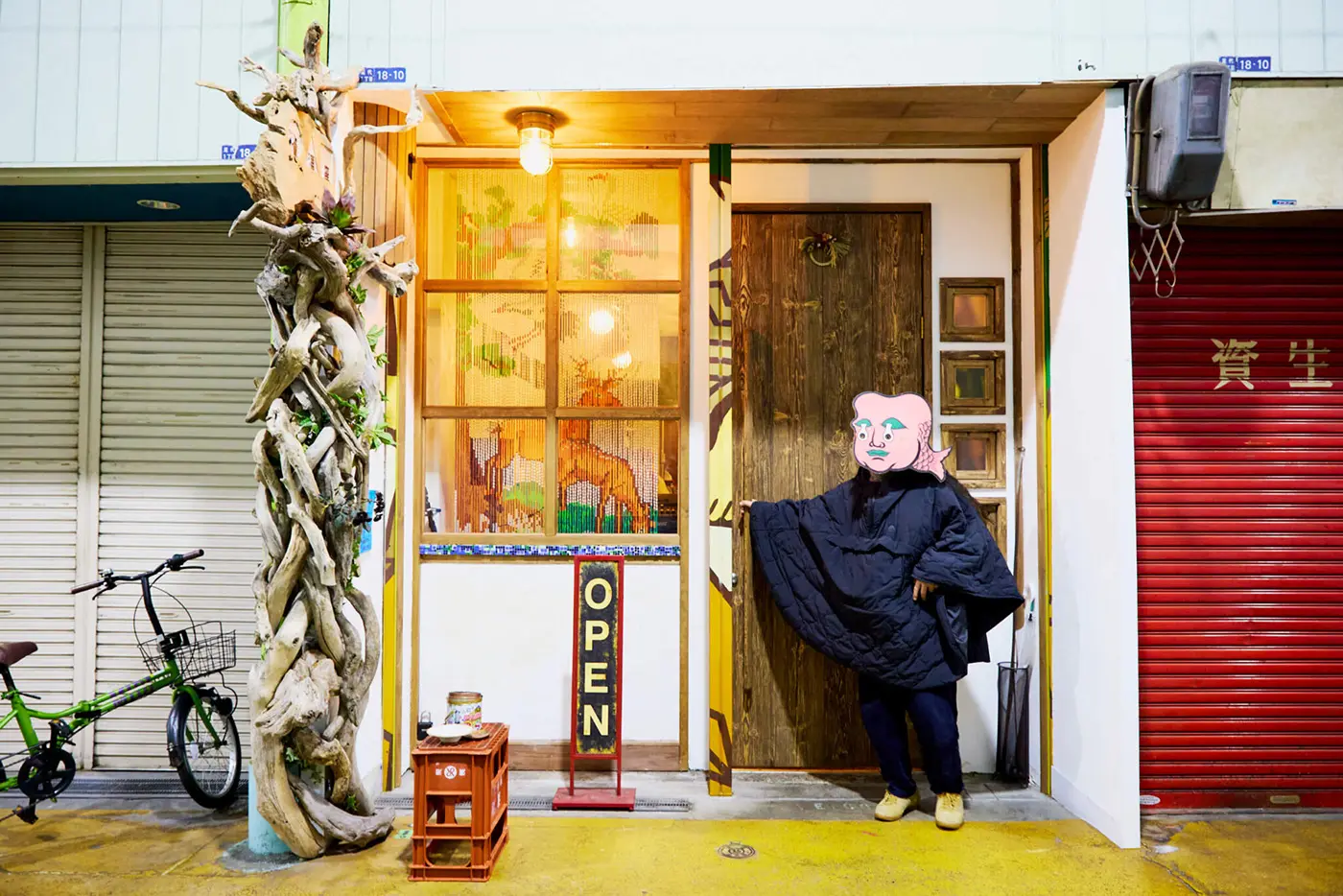
Lastly, a recommended night spot: kezakeza, which opened in January 2023 in the Miyakomachi Shopping Arcade, is a place where you can enjoy drinks and music. Sanappe-san, who has gained a reputation for her food stalls at concerts and nightclubs, runs kezakeza together with her musician/DJ husband, making it a place where music lovers can gather. Live events are also held on an irregular basis.
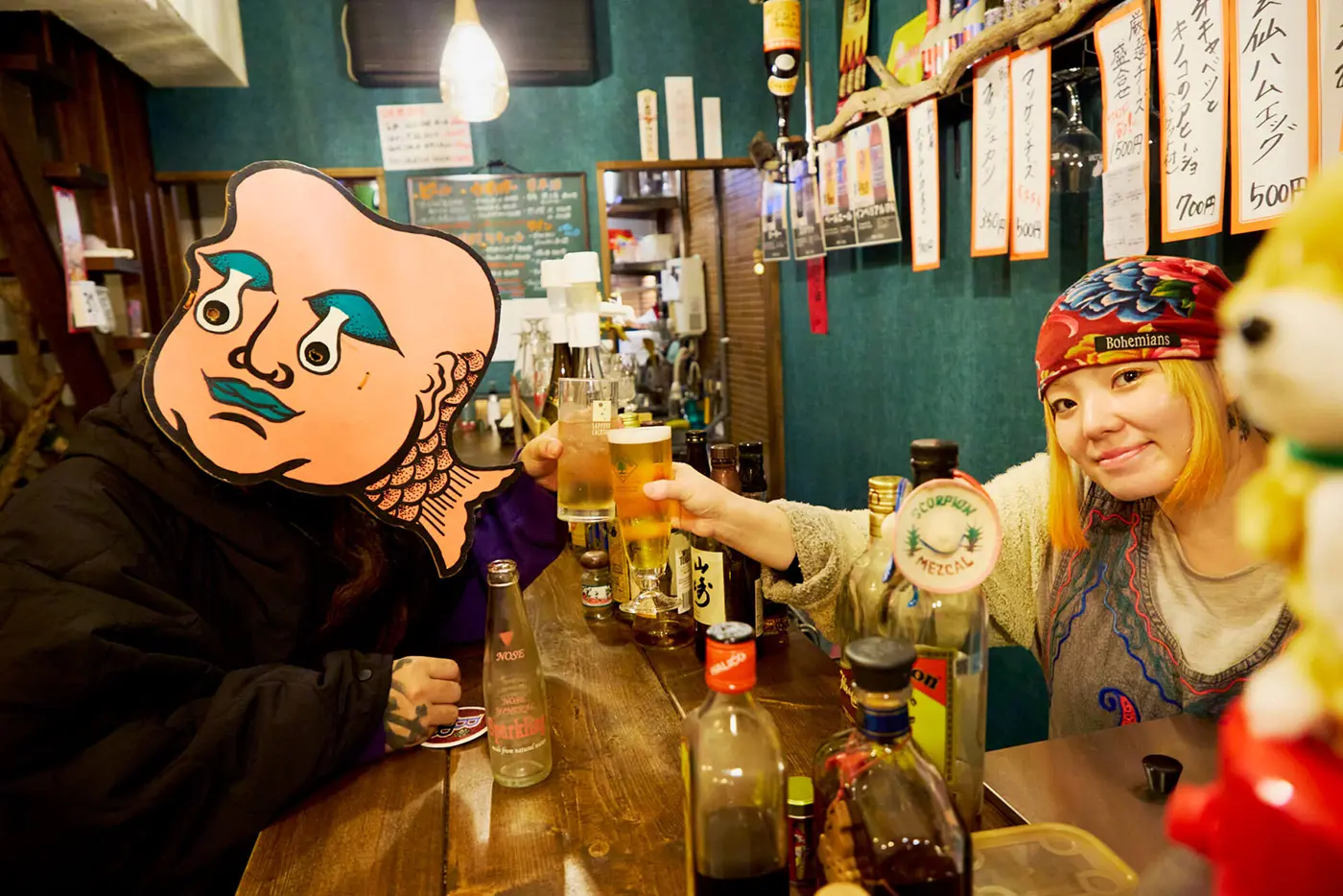
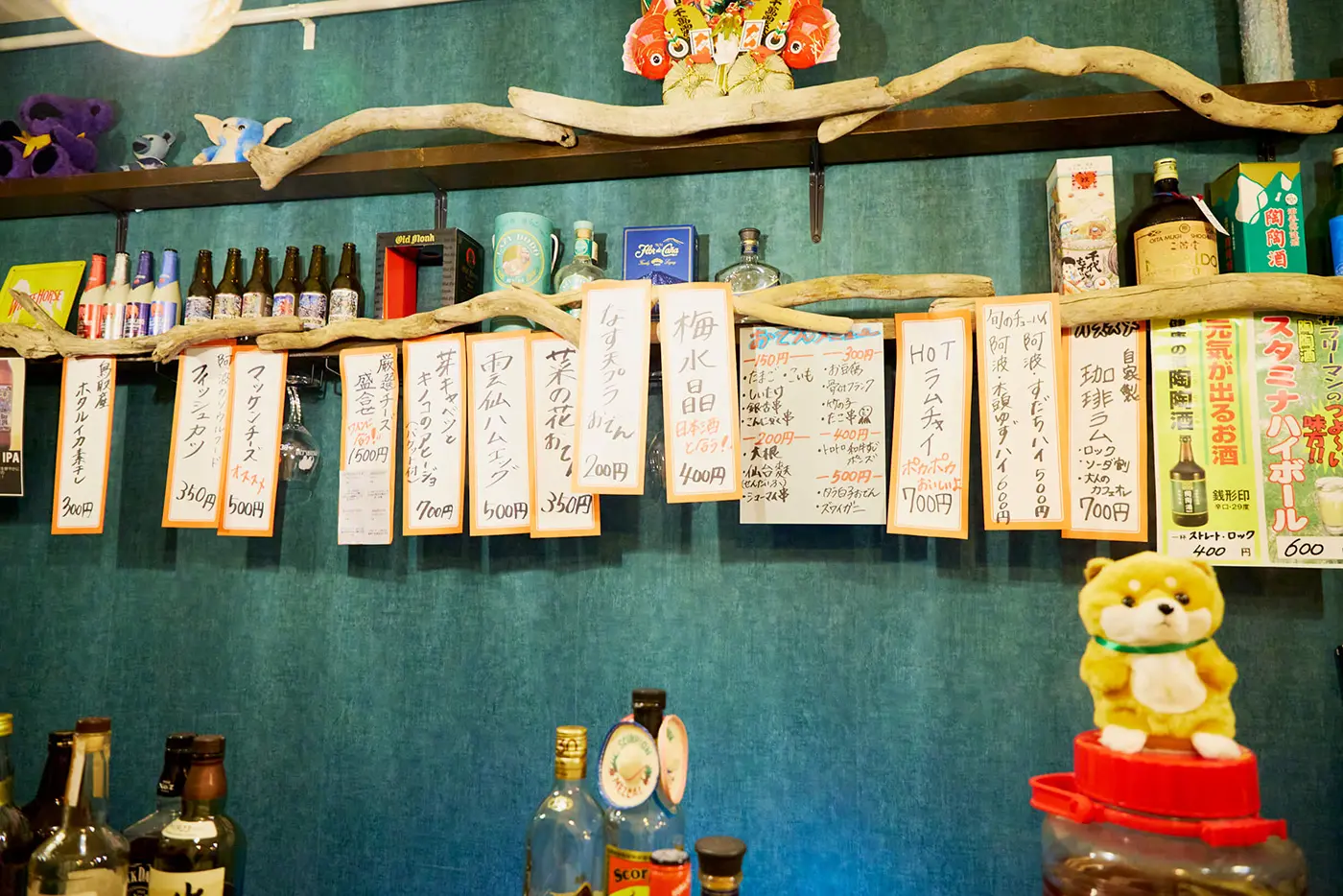
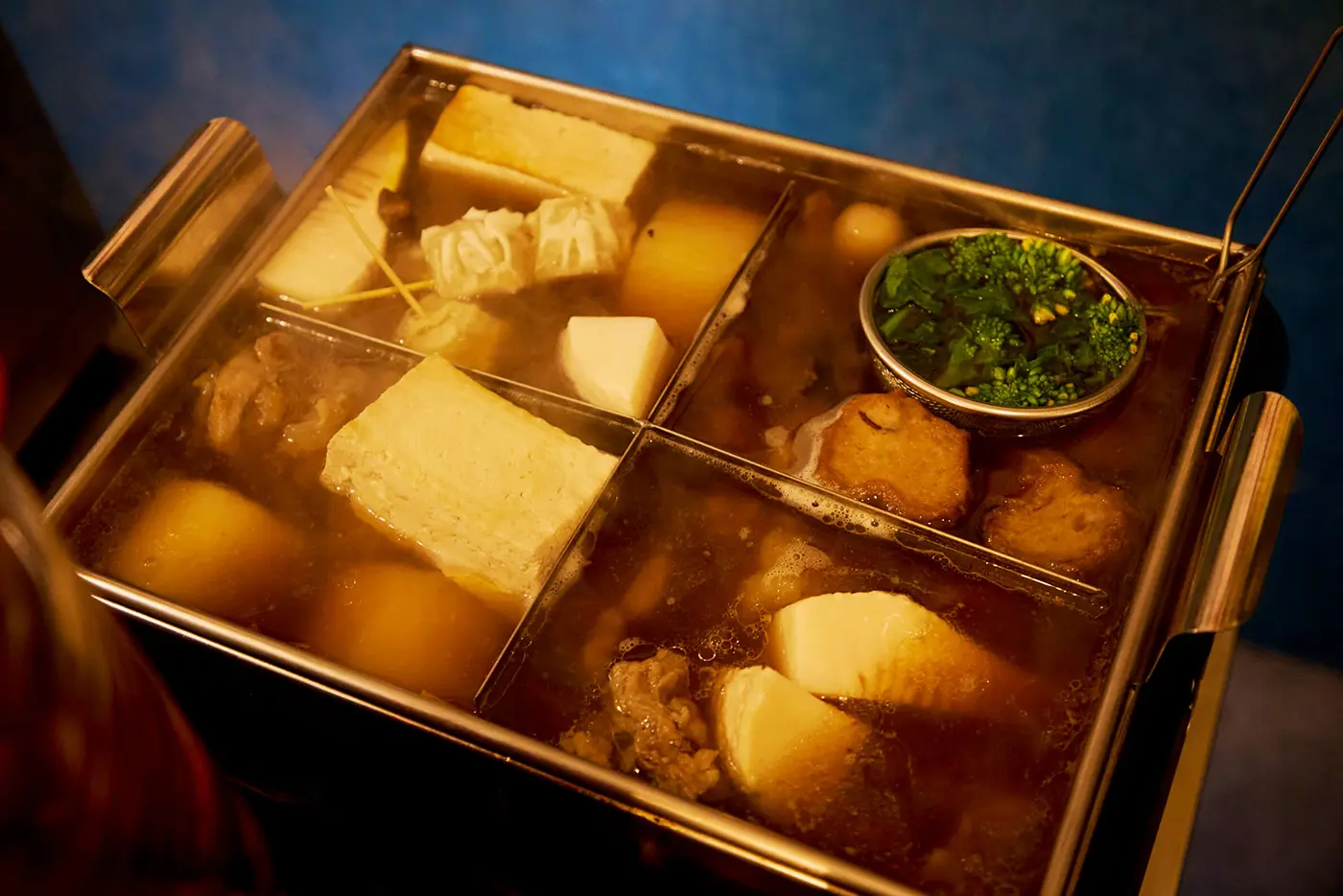
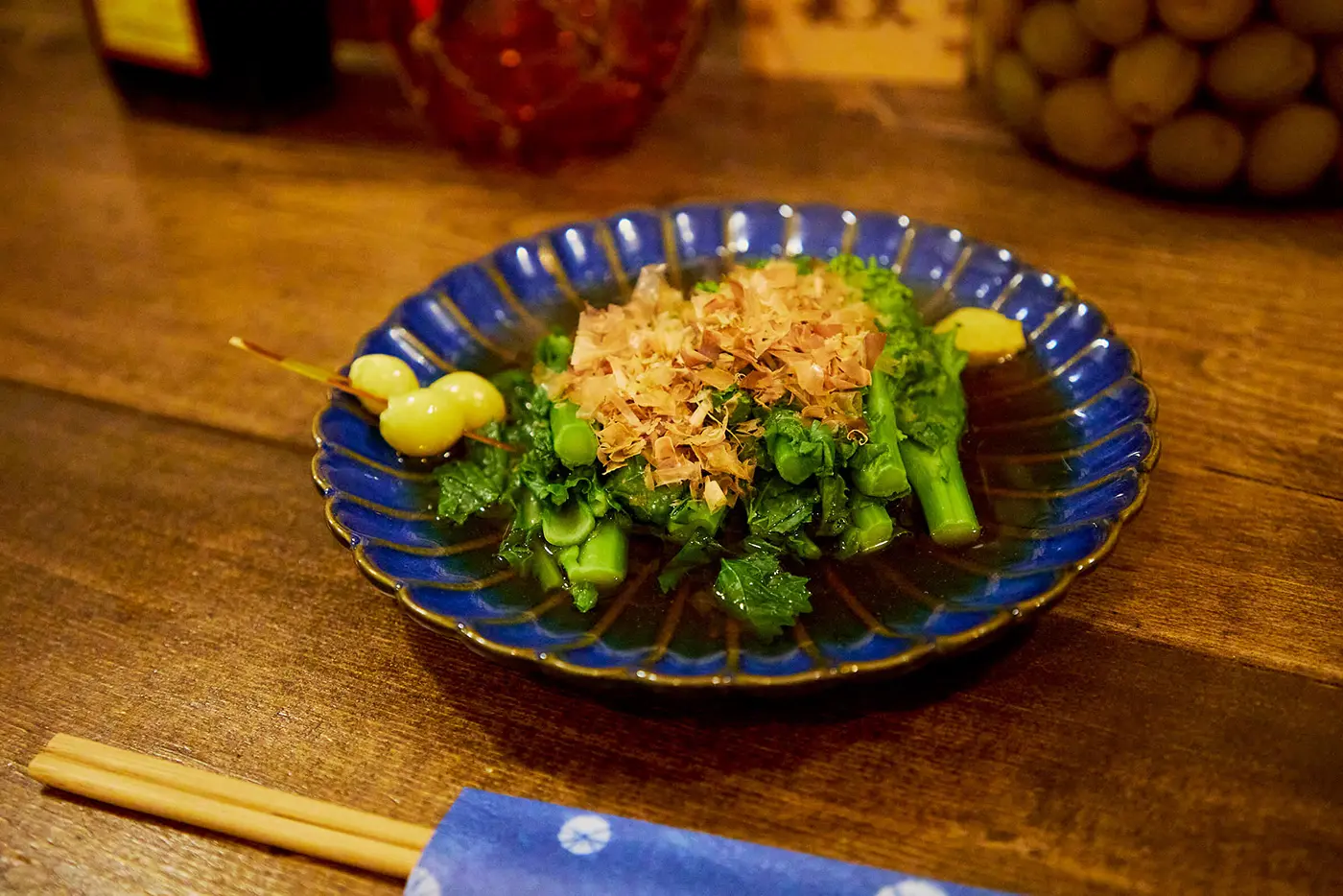
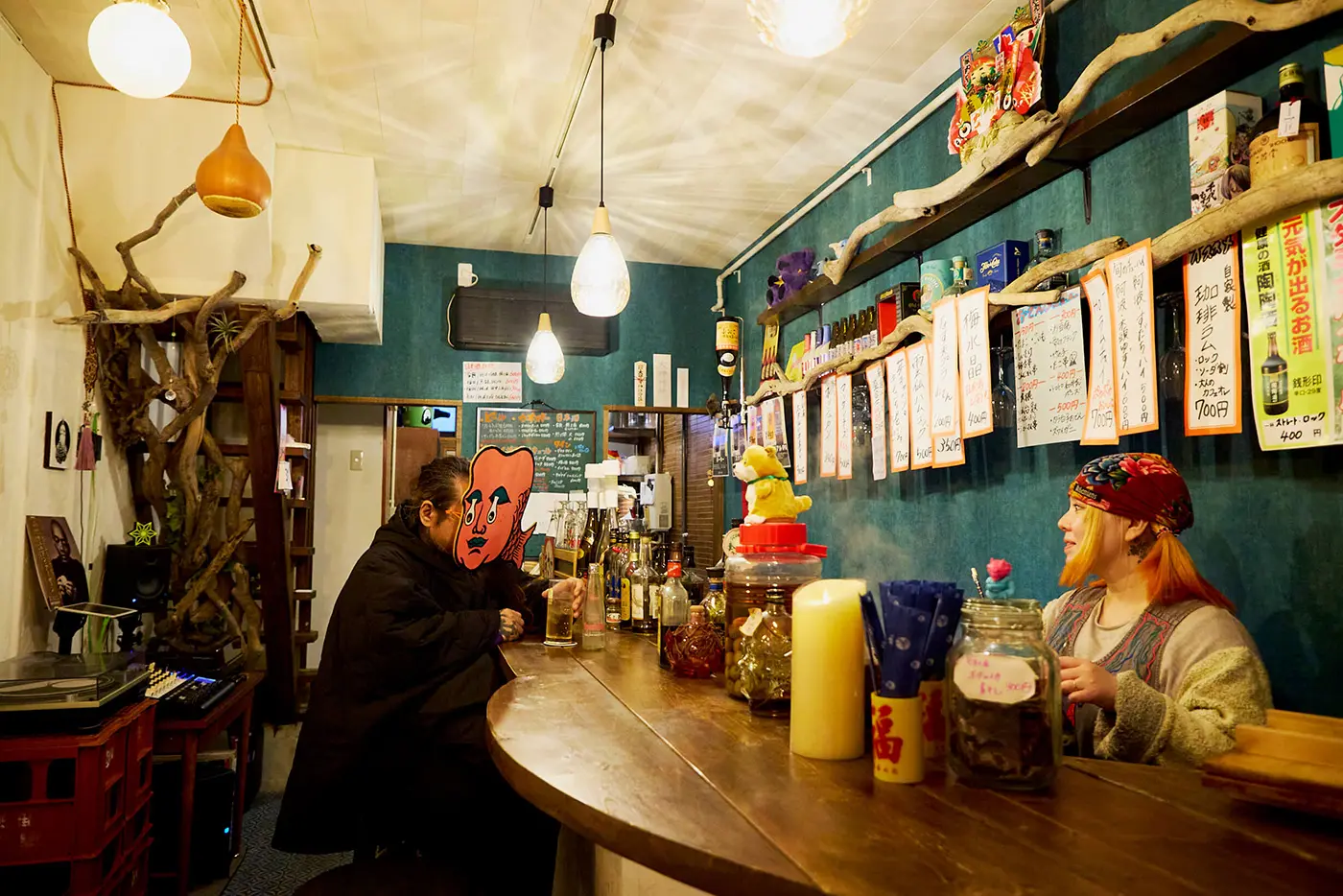
Those who were left without a place to go after Hirata shut its doors,rejoice! The owner of kezakeza is now making oden that is a respectful homage to Sake-dokoro Hirata. She too will be made into a yokai figurine in the future!
Unraveling the specter of yokai to reveal new facets of different places
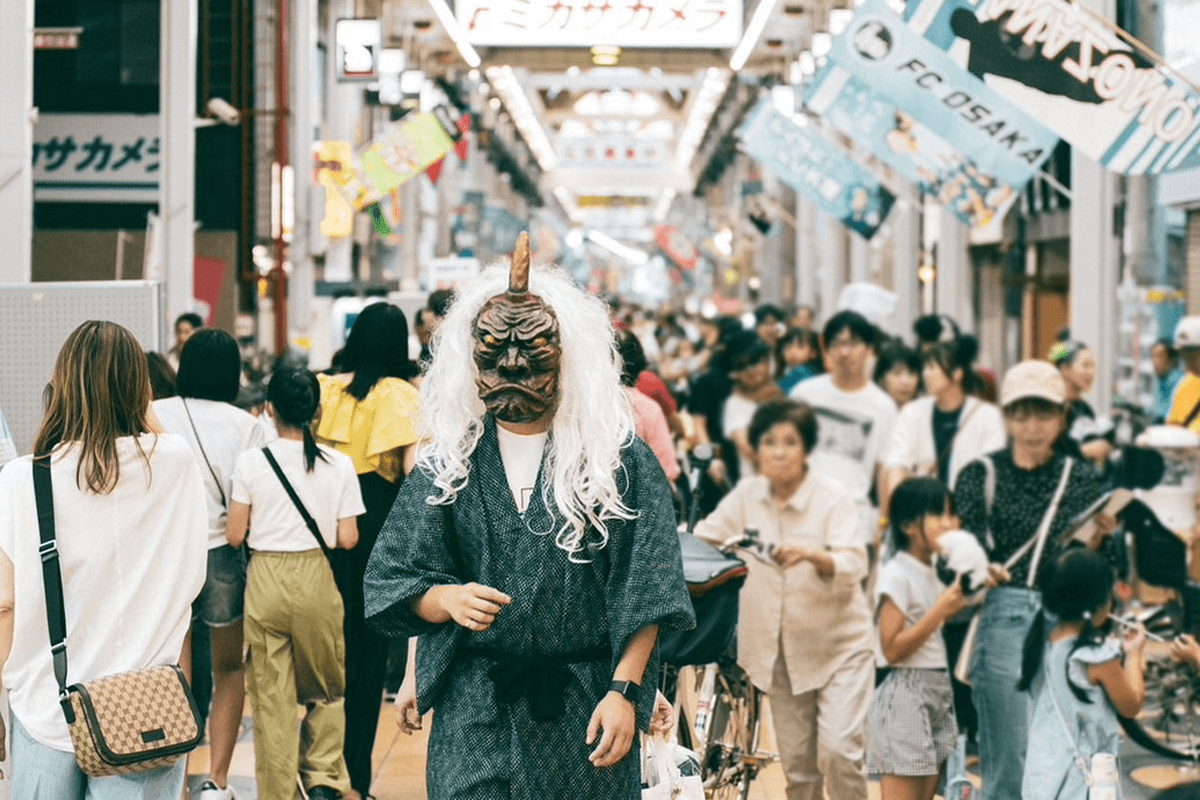
Yokai are bizarre phenomena that are beyond human comprehension, and they are also extraordinary beings with mysterious powers that cause such phenomena. They are a product of Japan’s belief in eight million kami, or deities, as well as their ability to anthropomorphize. Yokai are truly part of a culture that is celebrated around the world.
Gin-san visits the birthplaces of yokai, reinterprets them, and creates pictures of them. As he unravels the specter of yokai, he finds it fascinating to discover new facets of local neighborhoods.
“I don’t just read the literature; I have to go to different places to find out about things I could not otherwise. I talk to the head priests of shrines and people in towns, and after interpreting our conversations in my own way, I draw pictures of yokai. It’s fun to discover something new every time I do that.”
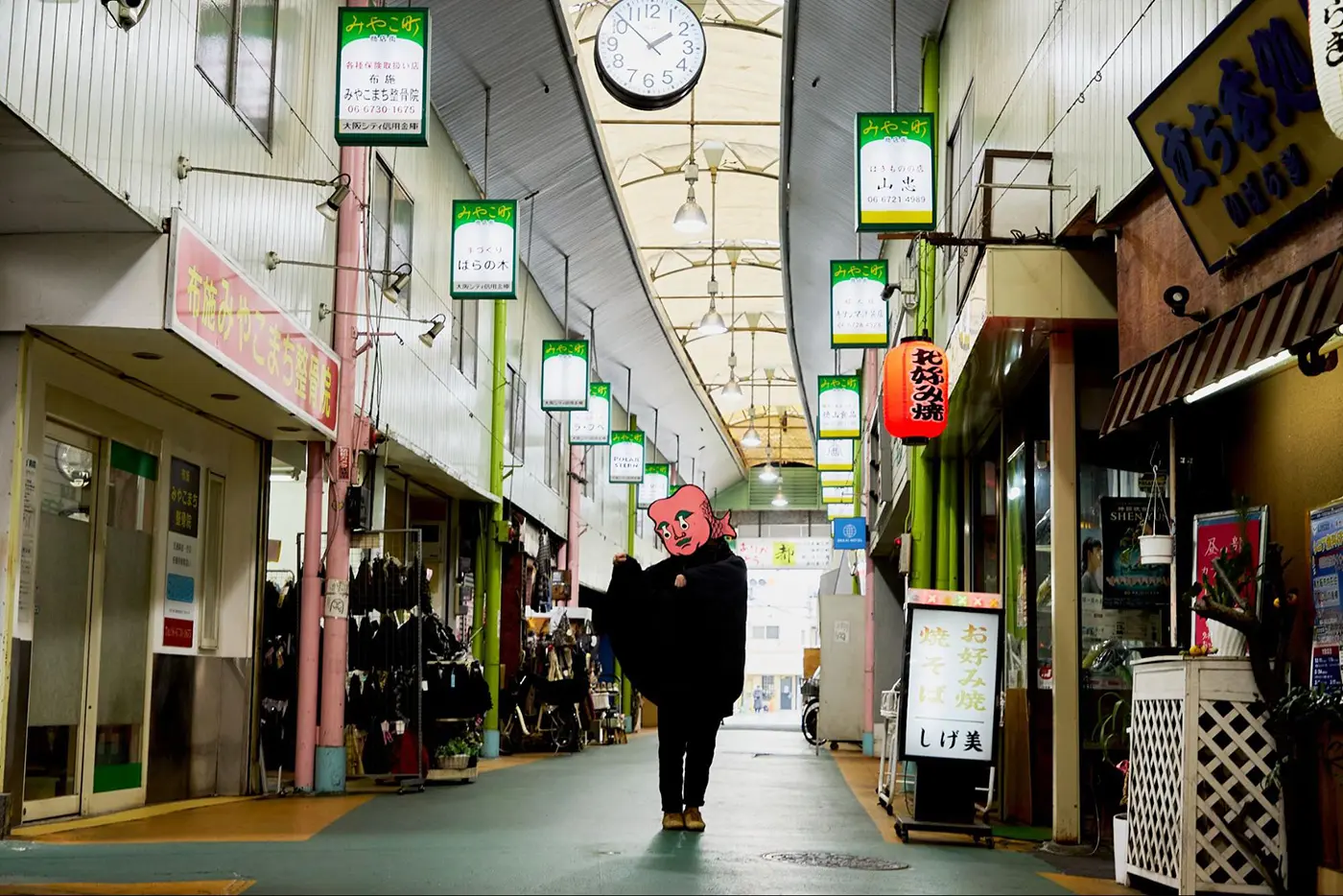
Today, Fuse’s yokai are alive and well in this long-lived downtown shopping district. Why not try walking through the streets, meet these yokai, and experience the mysterious and extraordinary everyday life of someone else?
*This article was migrated from “Shittonka Osaka.” The information provided is current as of March 2024 and may differ from current conditions. Please check the official websites of each store or facility for the latest operating hours and details.
Photo:Akira Hirano
Edit:Rie Tomimoto
Direction:NINGEN Editorial Department(NINGEN Inc.)
