 Copy Link
 X
X
 Facebook
 LINE
LINE
 LinkedIn
 Pinterest
 WhatsApp
 KakaoTalk
 NAVER
NAVER
 Weibo
Weibo
 WeChat
 Mail
Mail
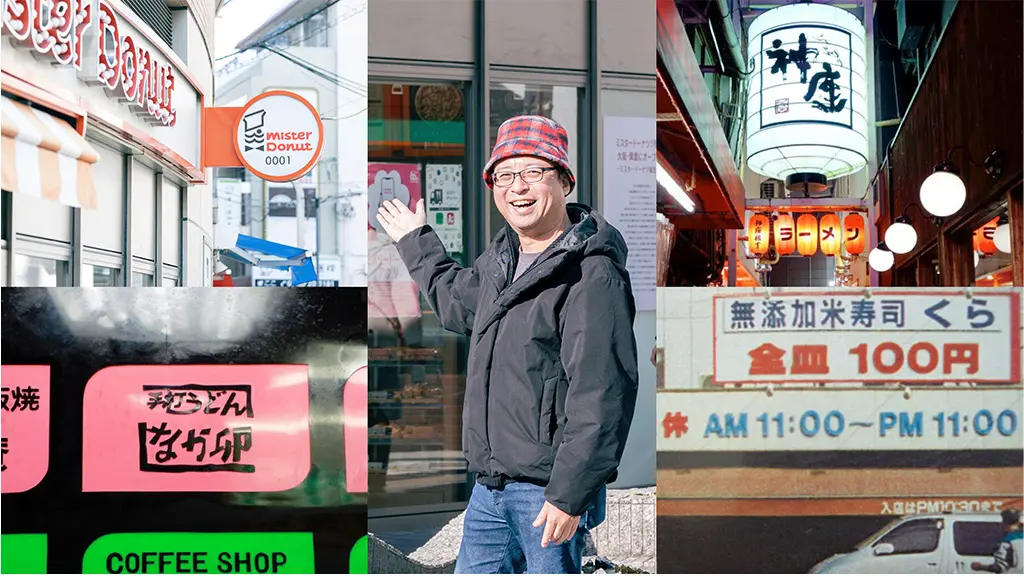
Chain restaurants, where you can enjoy consistent flavors regardless of time or region, are a great ally for us. Osaka is home to many original chain restaurants that have taken off not only in the Kansai region but throughout Japan and even the world. In this edition of "OSAKA Maniac Exploration," we asked BUBBLE-B, a fan of the original restaurants of domestic and international chain restaurants, to show us around some famous restaurants with roots in Osaka.
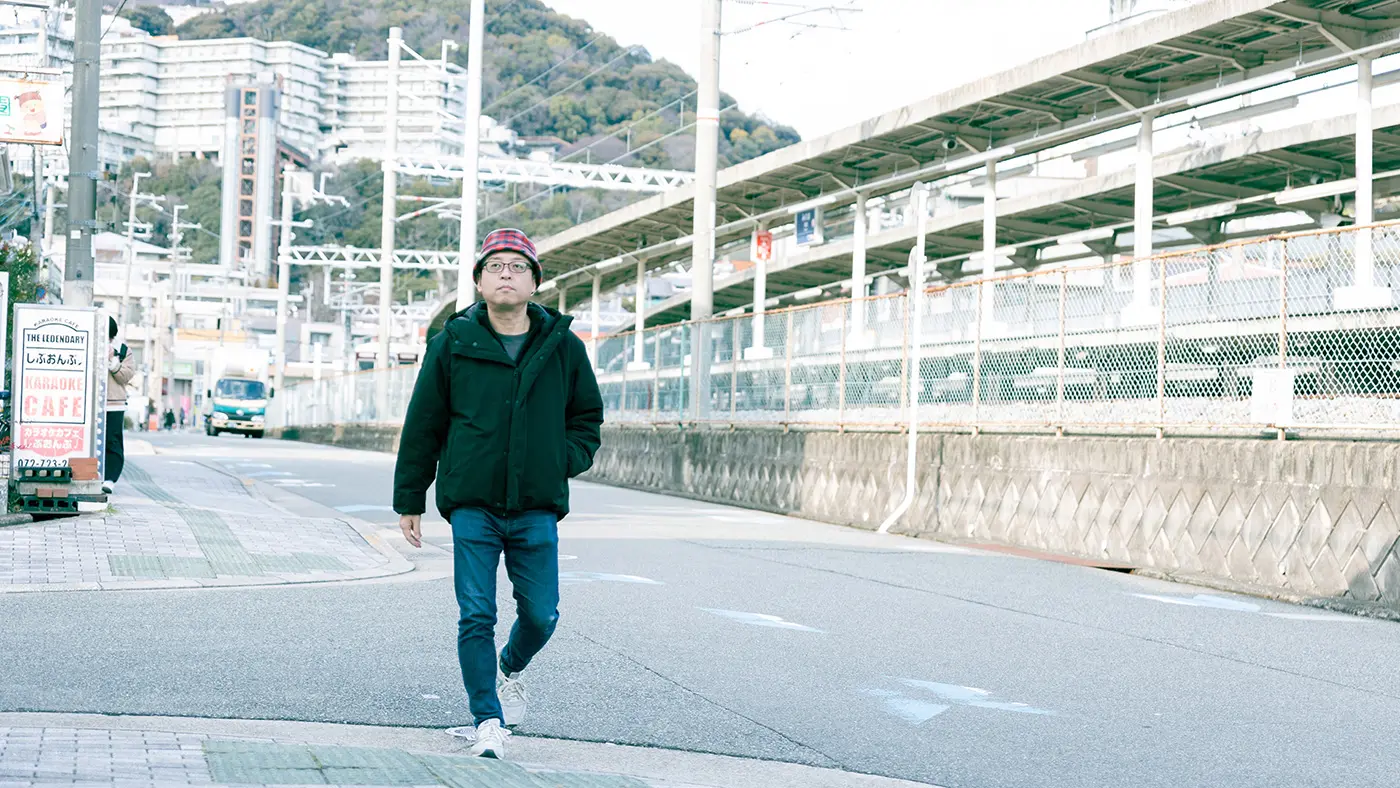
Whether you want to eat quickly or don't want to make a mistake in an unfamiliar place, restaurant chains are always there to accommodate your whims. No matter when you visit, the sense of security of being greeted with familiar flavors and an atmosphere is immeasurable. After a long night of drinking, how satisfying it is to devour a beef bowl or ramen before the first train in the morning... (Try to think about it.)
This time, BUBBLE-B, who has visited the flagship stores and first-run branches of restaurant chains all over Japan, will be showing us the first-run branch in Osaka. By learning about the roots of ramen shops and conveyor-belt sushi restaurants that are popular overseas, donut shops loved by people of all ages, and long-established coffee shops that have opened branches in commercial facilities, you're sure to find your favorite restaurants even more appealing!
Guide
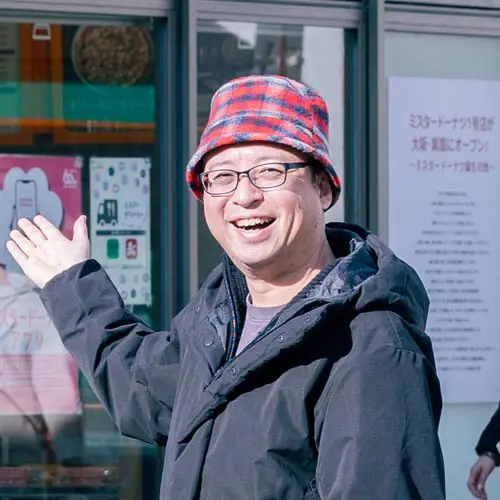
Born in Shiga Prefecture in 1976. Graduated Kindai Univercity. He has continued his life's work by visiting the head offices of restaurant chains across the country, and is active as a researcher specializing in chain restaurants. His books include "A Pilgrimage to the Head Offices of National Restaurant Chains: A Journey Through Their Roots" (Daiwa Shobo).
BUBBLE-B is a researcher specializing in restaurant chains, visiting the flagship stores and first-run stores in Japan and overseas, and writing about them. The trigger for him to start this activity was the flagship store of "TENKAIPPIN" in Sakyo Ward, Kyoto City.
"I've always loved the taste of the main store since I was a student, and I wondered why it tasted better than other stores. When I asked the staff there, they said they weren't doing anything special, so I never found out the truth. So I decided I wanted to find out if this was a placebo effect from eating at the main store, or if other chain stores had the same experience if I went to their main store or the first branch," he said.
And so began his journey to visit the flagship store and the first store, and before he knew it, he had left the Kansai area and was visiting local chains all over Japan, from Hokkaido to Okinawa. He began reporting on the appeal of these stores on his own blog, and eventually even published a book.
Enter through the secret alley! Dotonbori KAMUKURA
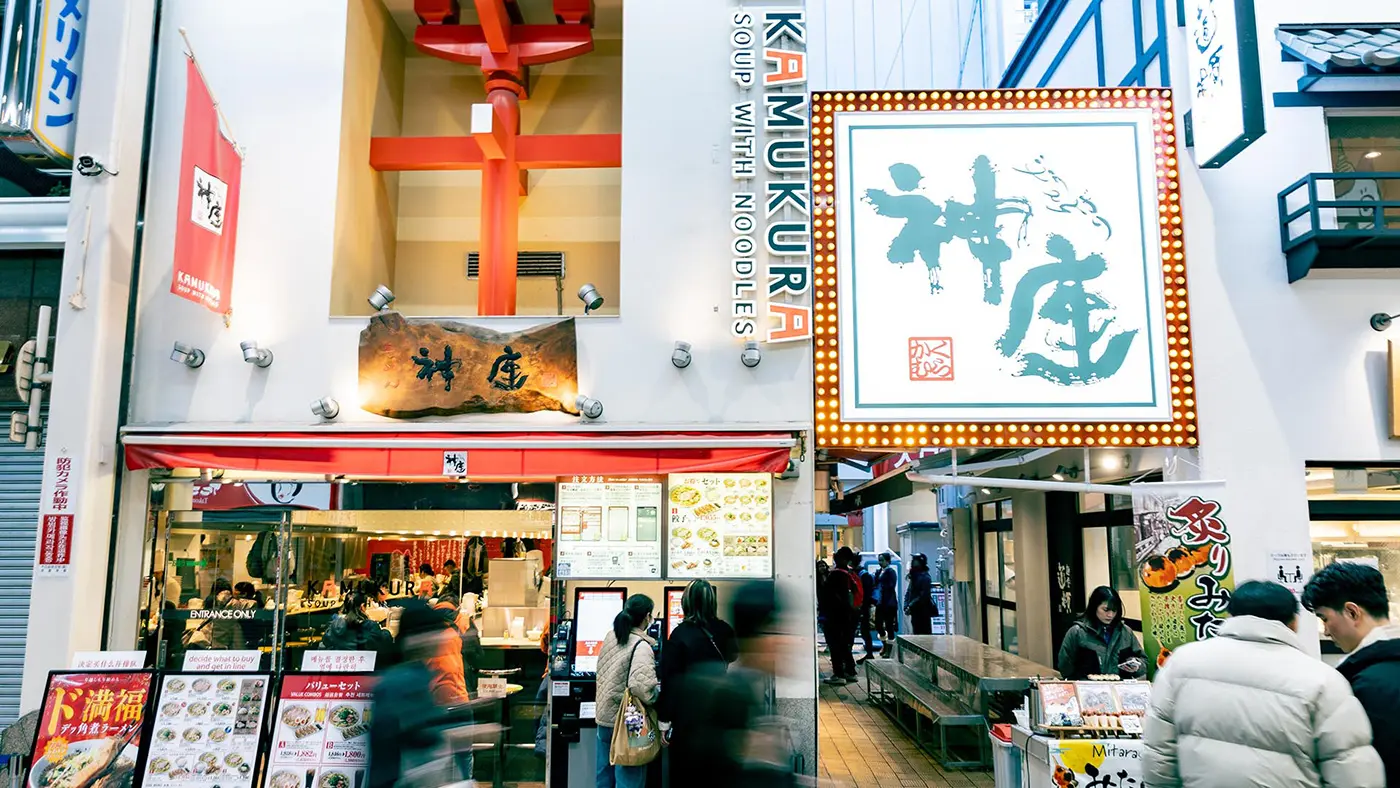
First up is Dotonbori KAMUKURA, a ramen chain with addictive, secret soups made under the strict supervision of staff with soup sommelier qualifications. With locations in the Kansai and Kanto regions, as well as as far away as Hawaii, the chain has 97 stores nationwide (as of the end of February 2025). It was founded in Dotonbori, Osaka, a popular area that attracts many customers from overseas.
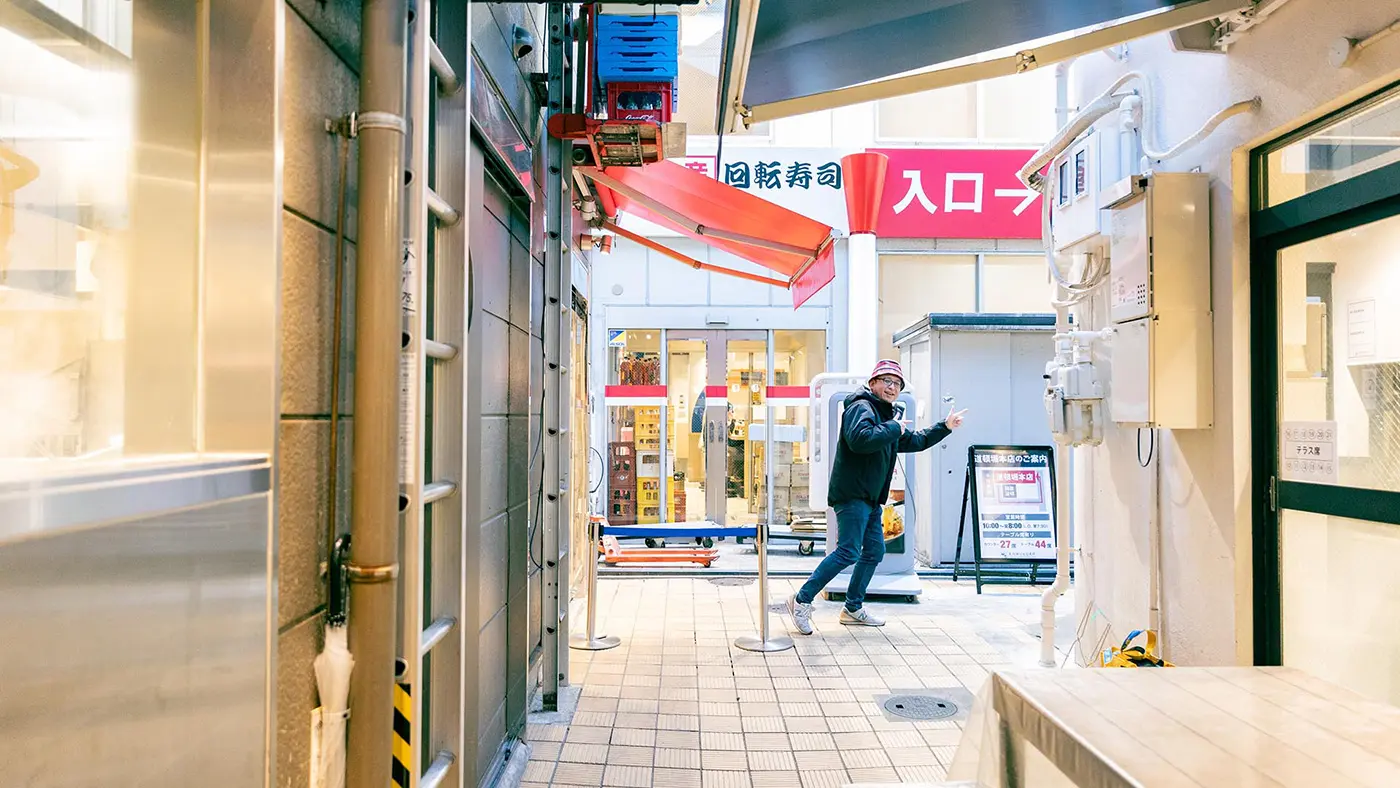
"Even among Osaka locals, there are probably many who don't know where our first store, the Dotonbori Main Store, is located," he said, directing us to a narrow alleyway next to the Sennichimae store in Sennichimae Shopping Arcade. The alleyway is called "Kamukura yokocho." Previously, this alleyway was the only entrance to the Dotonbori Main Store. Originally, the Dotonbori Main Store only had nine counter seats, but with the desire to "allow more people to visit," it underwent an expansion and renovation in November 2024 into a larger store with 71 seats.
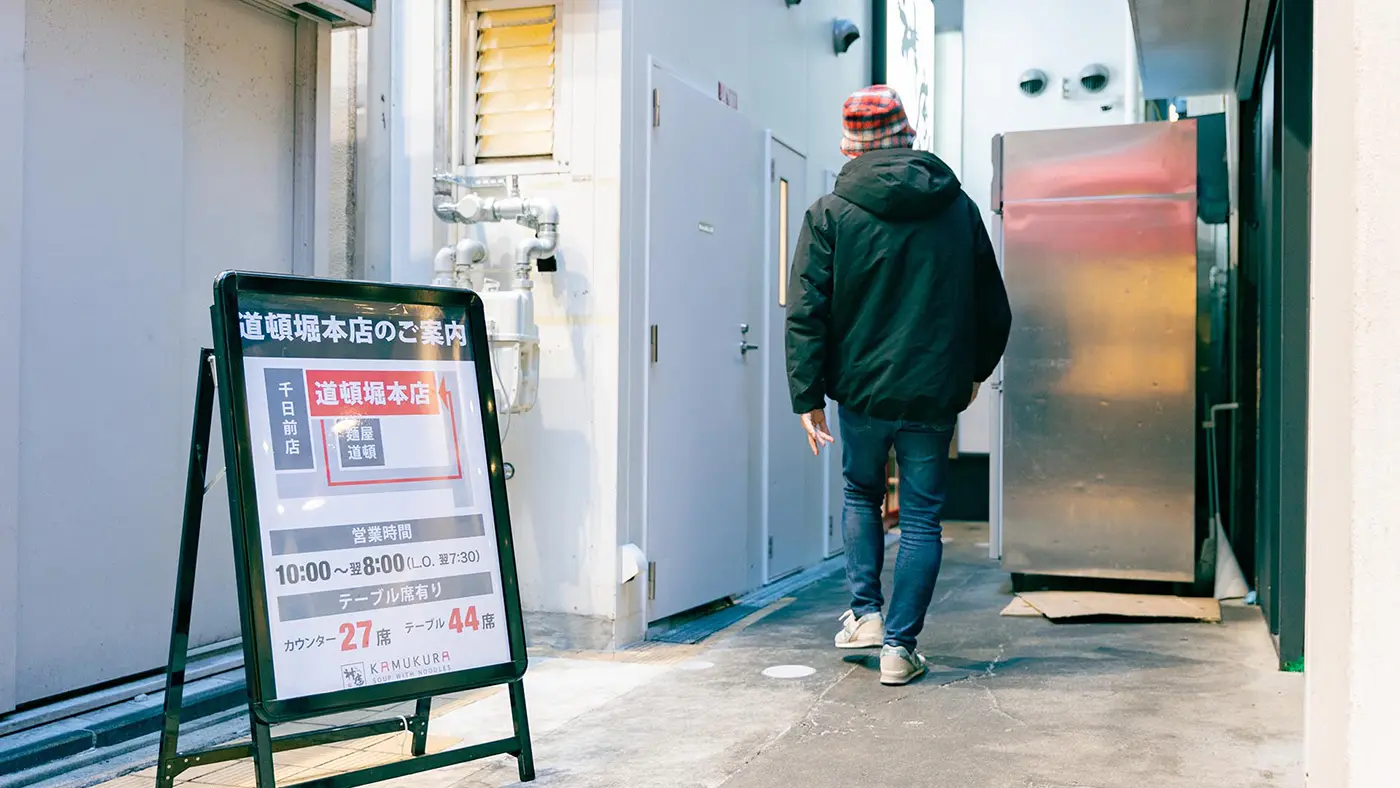
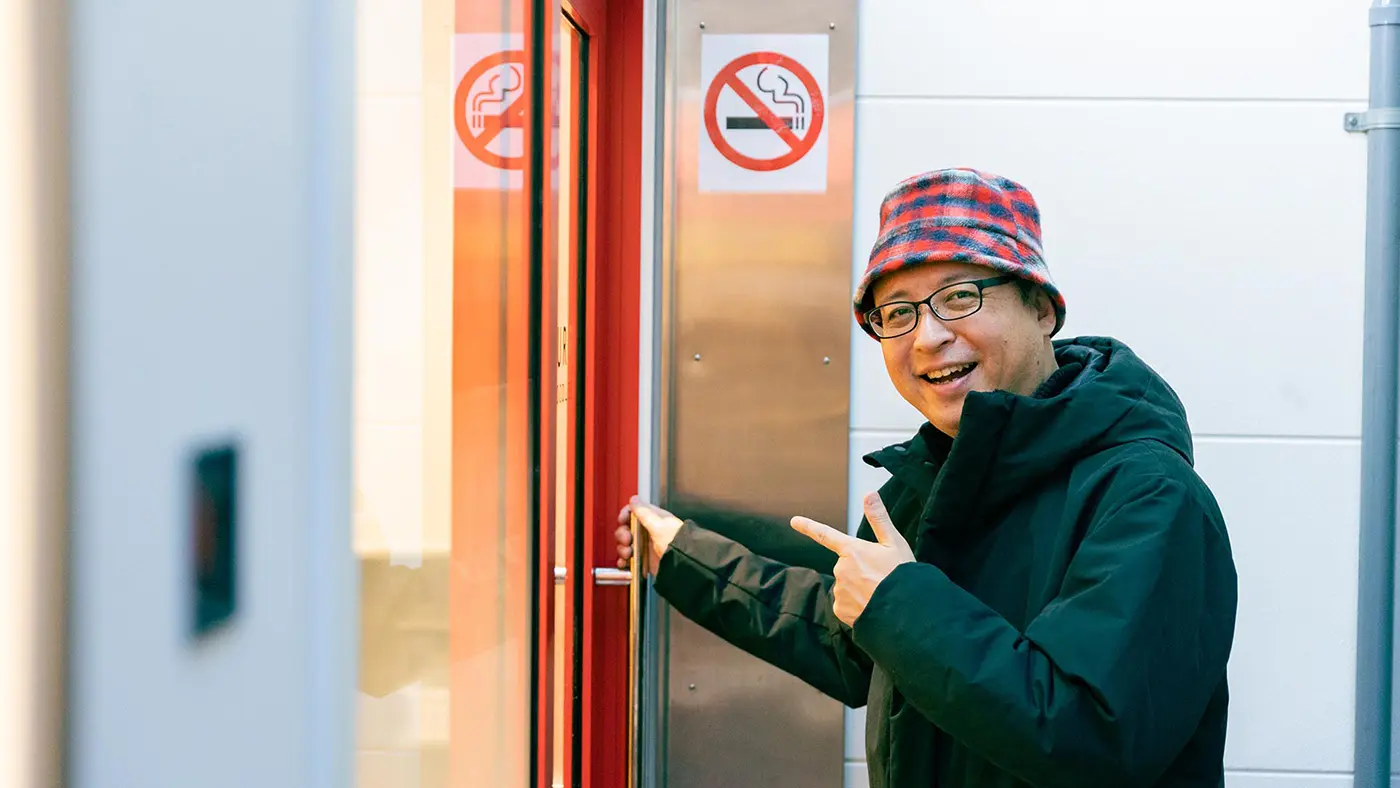
As you go further down the alley, you'll come across a door that leads to the inside of the store! Since the renovation, most customers enter through the entrance on the Dotonbori side, so it's an entrance that only those in the know will know.
"This alley and the entrance are precious places where you can feel the atmosphere of the former main store. It's hard to notice if you don't know about it, so if you know about it, you'll look like an expert," says BUBBLE-B.
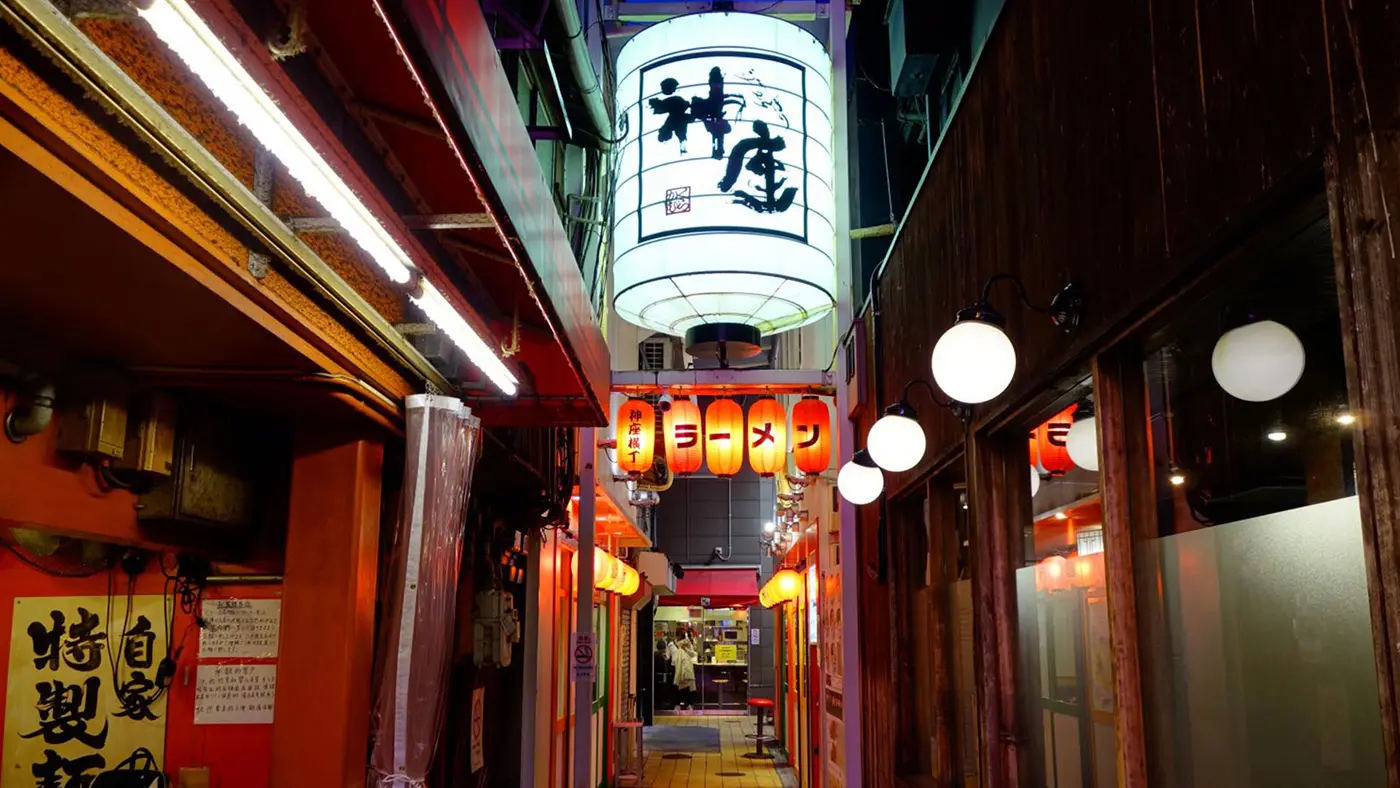
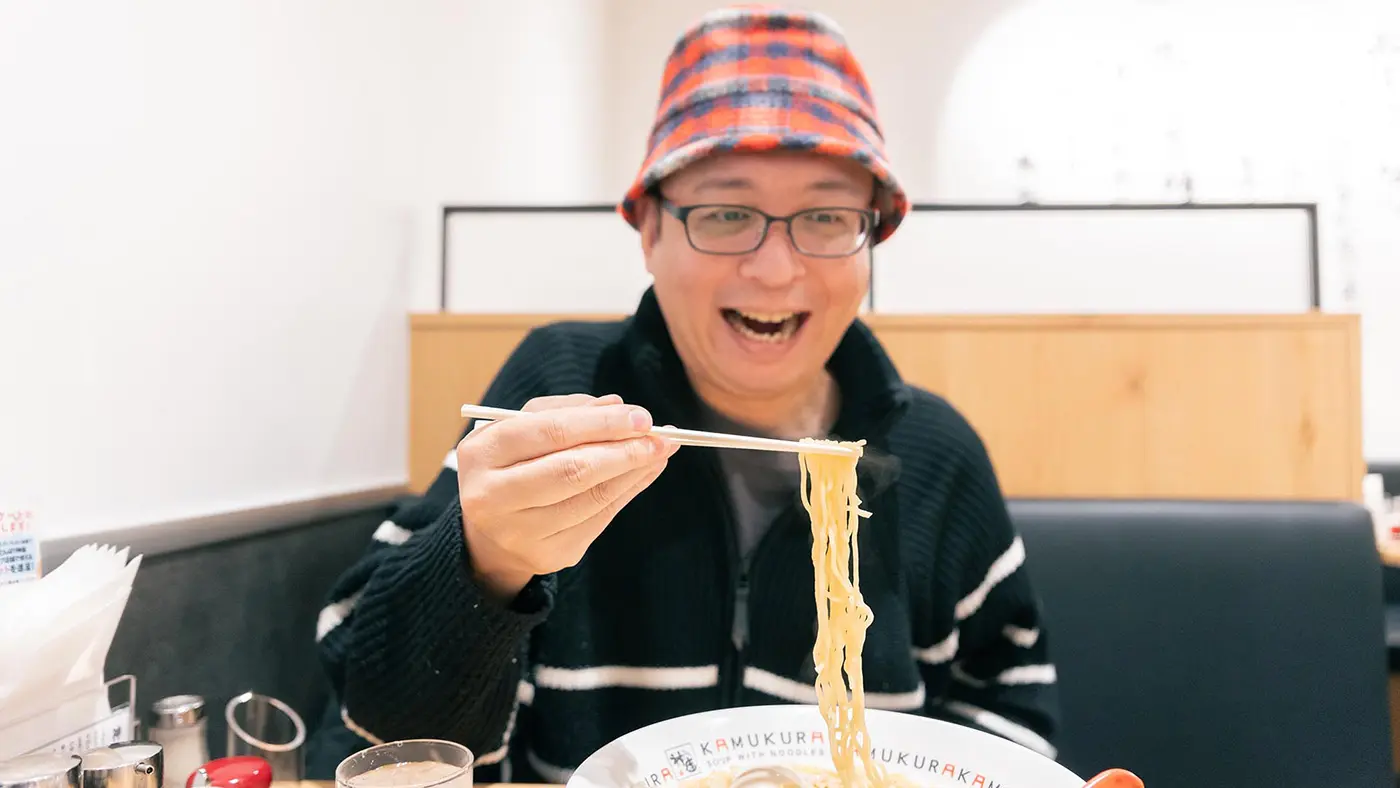
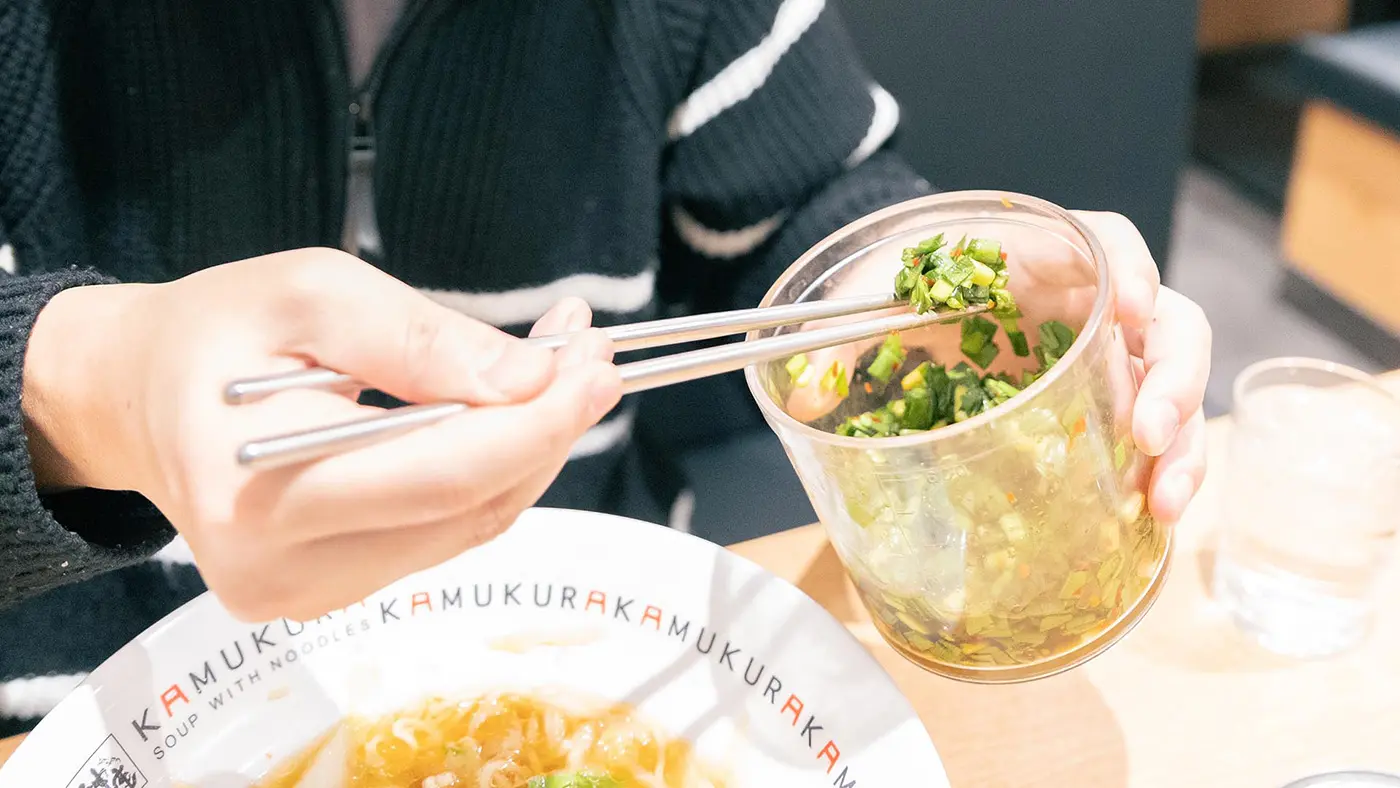
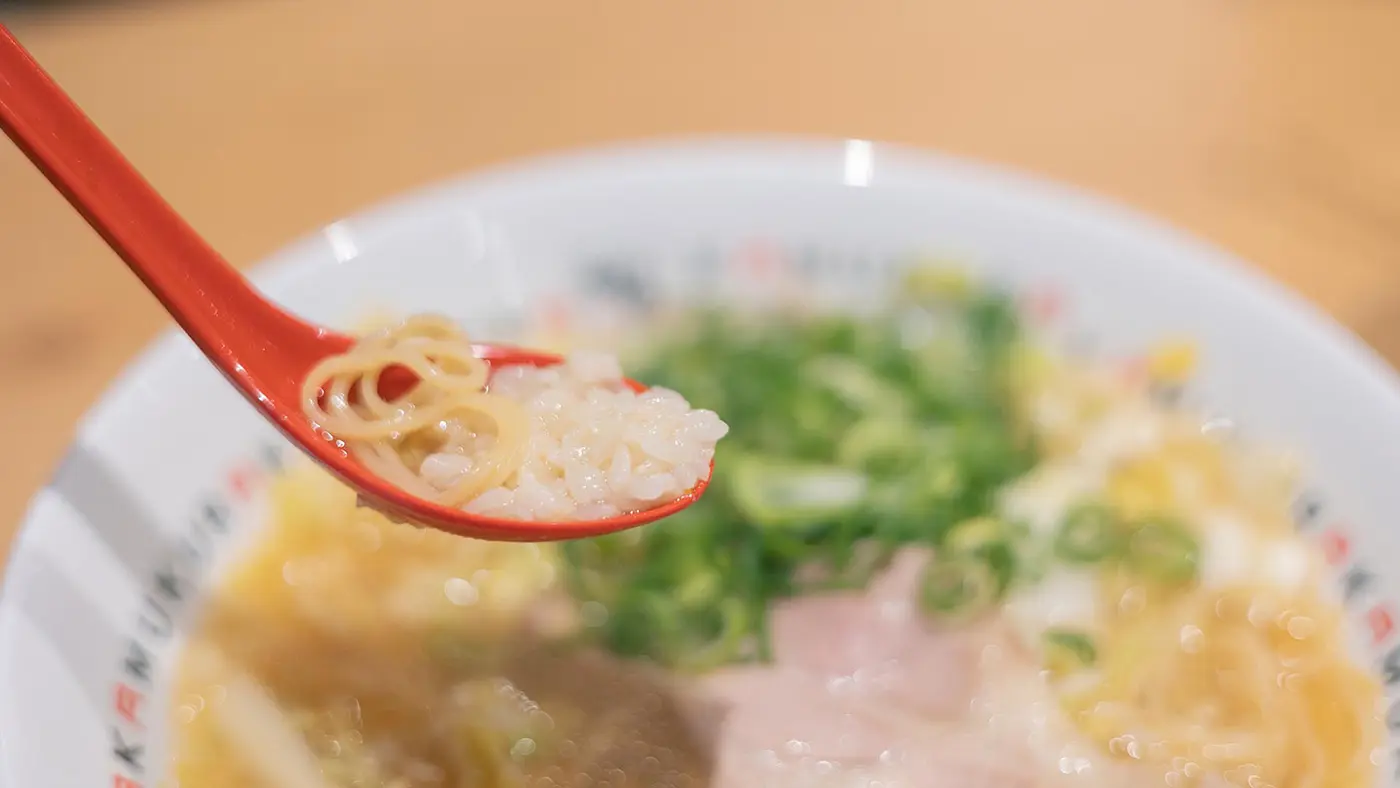
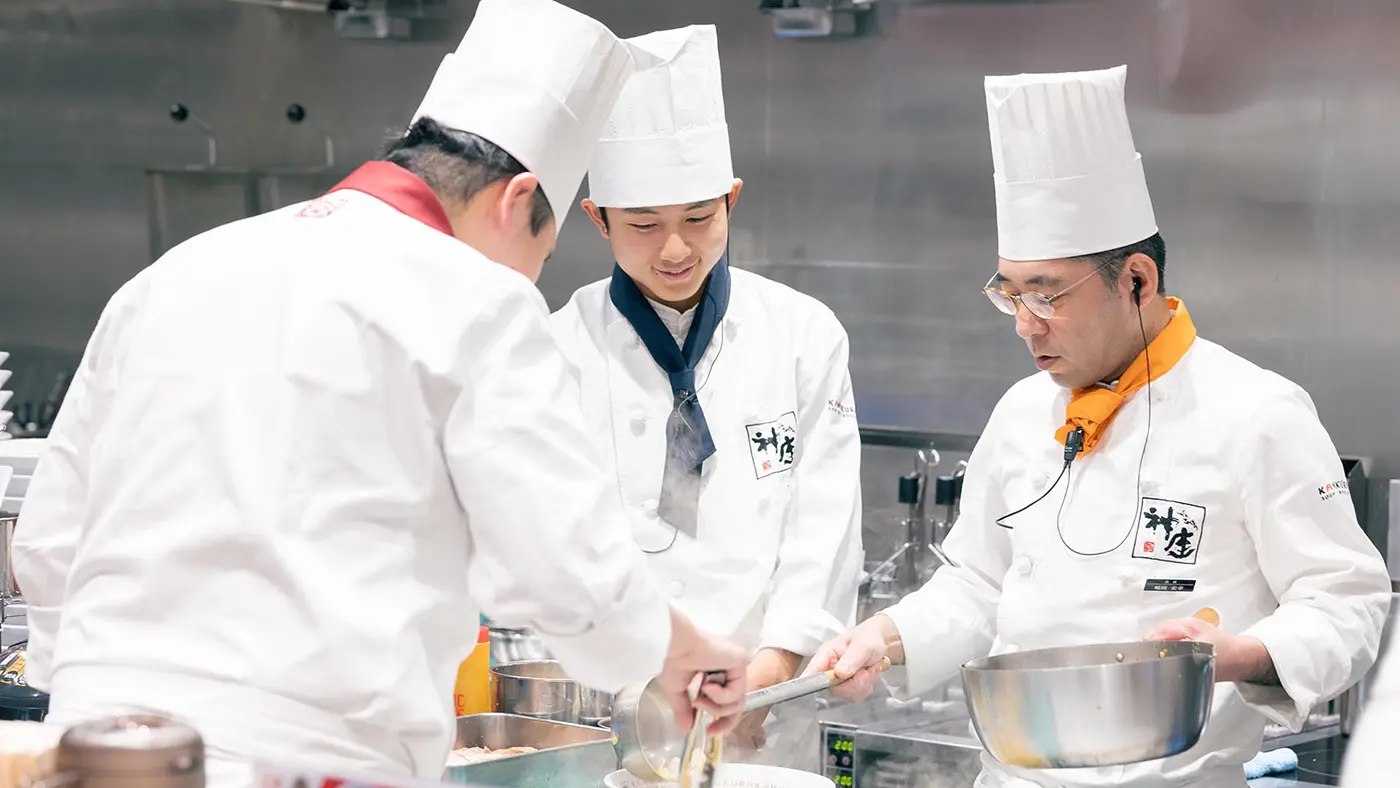
Among the many ramen shops out there, KAMUKURA gives off a somewhat elegant impression, with its calm customer service and staff wearing chef's hats. Perhaps this is because the founder was a former owner-chef of a French restaurant.
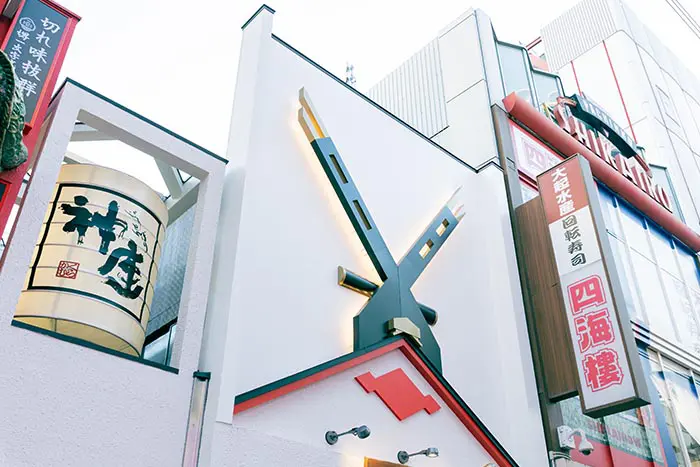
Time Slip 1971, Mister Donut
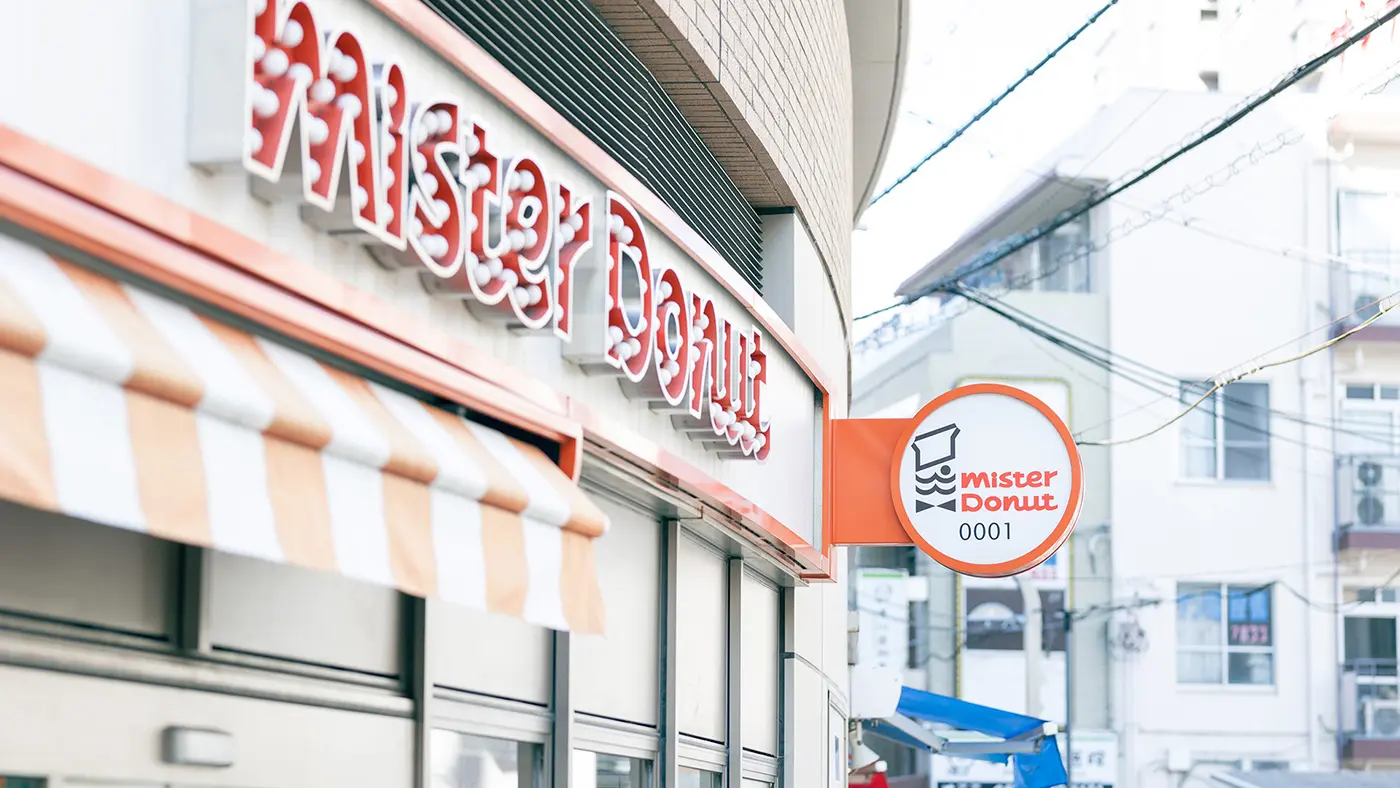
It is no exaggeration to say that Mister Donut made donuts a staple snack in Japan. It was born near Boston in the US and brought to Japan by Duskin in 1971. Its first store was located in Minoh, Osaka.
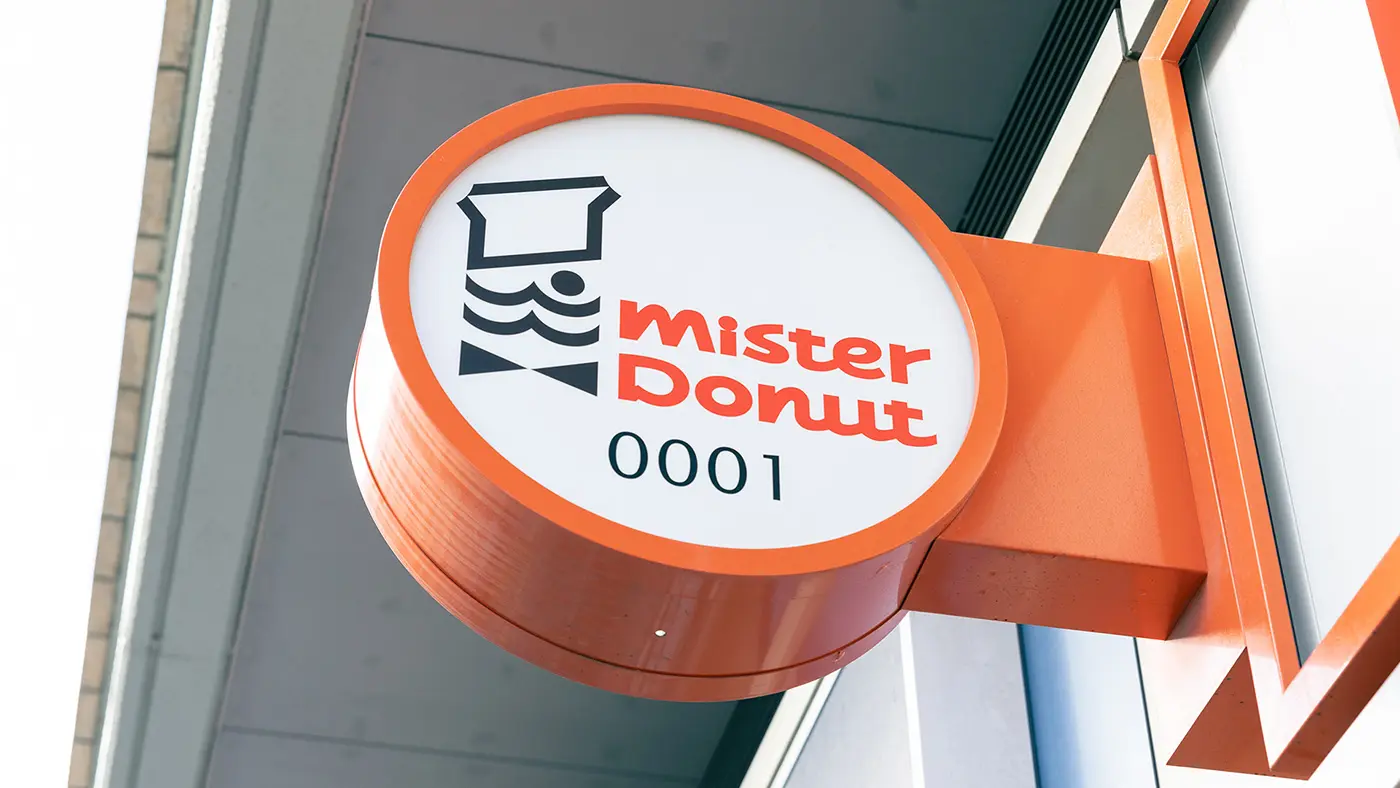
The first store, the Minoh Shop, closed in 2001 when the shopping center it was located in withdrew, but was revived in 2004 in response to enthusiastic requests from local residents.
In 2020, the 50th anniversary of the company's founding in Japan, the interior and exterior were renovated with a design based on the original design. The three-dimensional bare light bulbs, fluorescent lights arranged in a star shape, retro orange lighting and chairs, and other elements faithfully recreate the original look, making you feel as if you've traveled back in time. The store has been updated to feel even more like the original store.
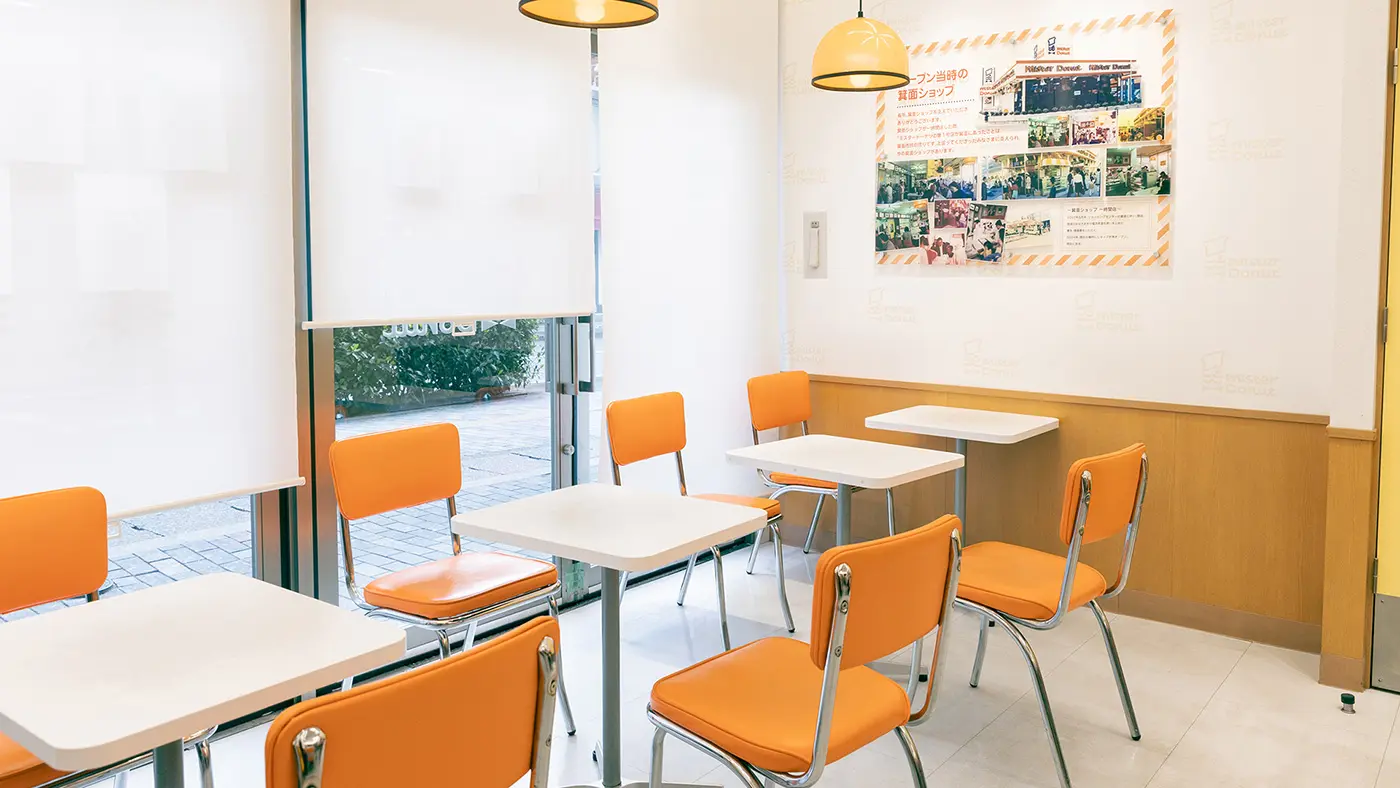
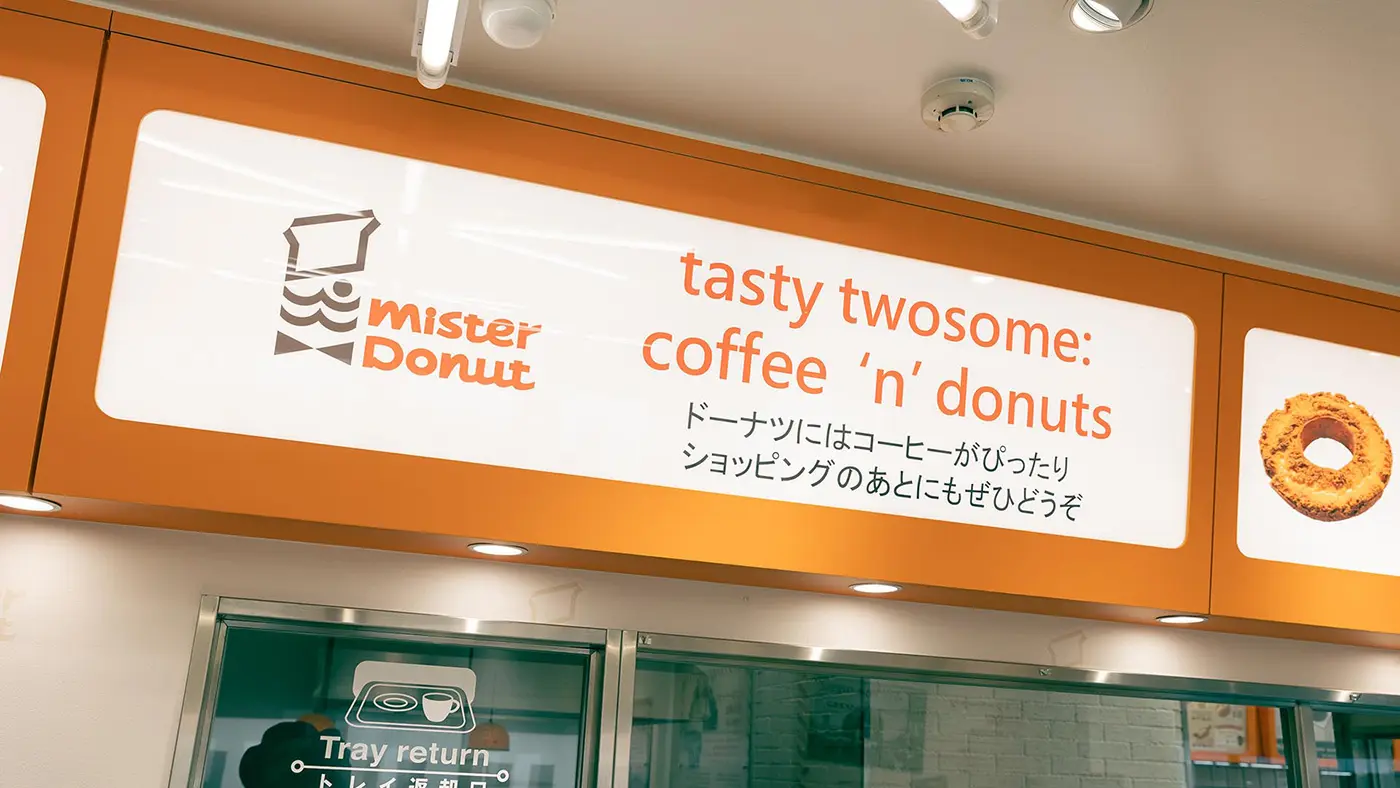
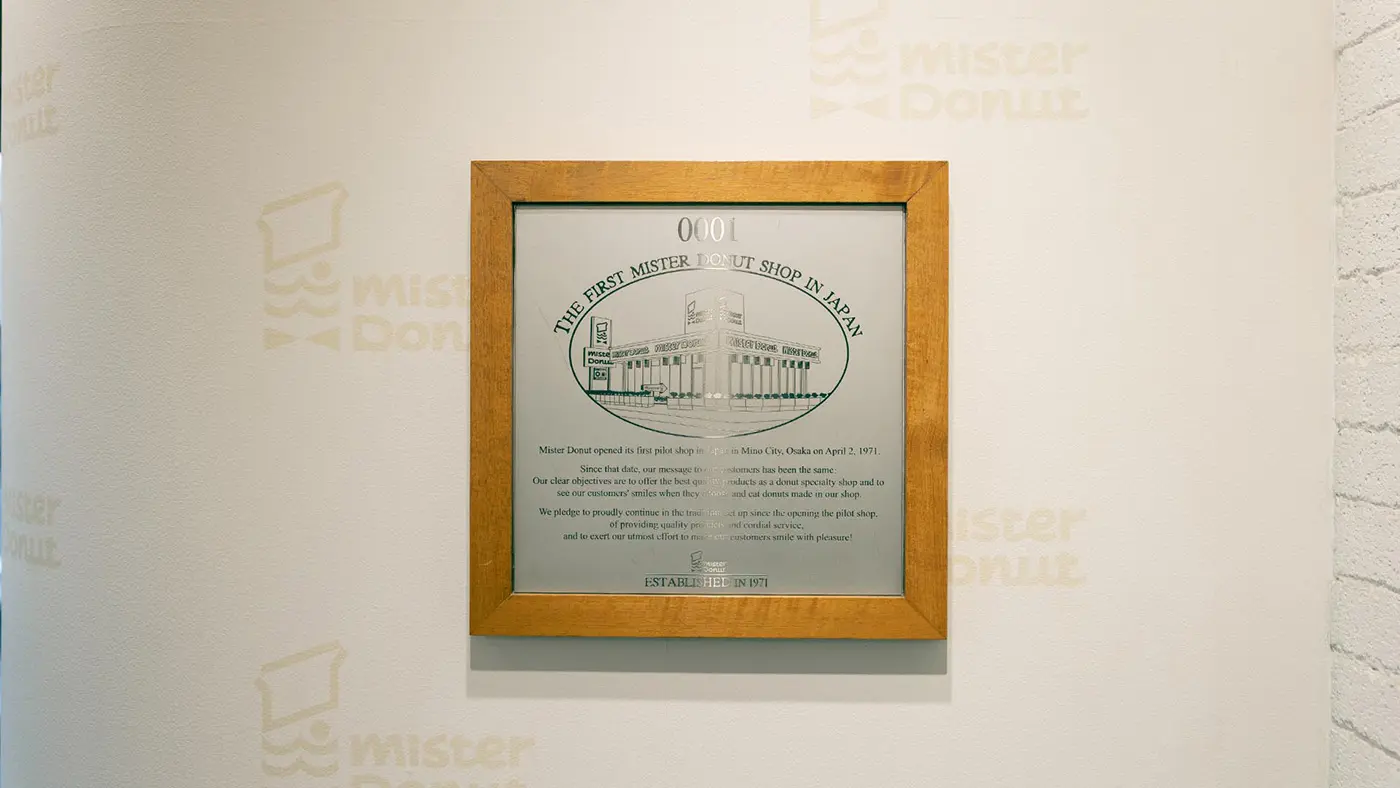
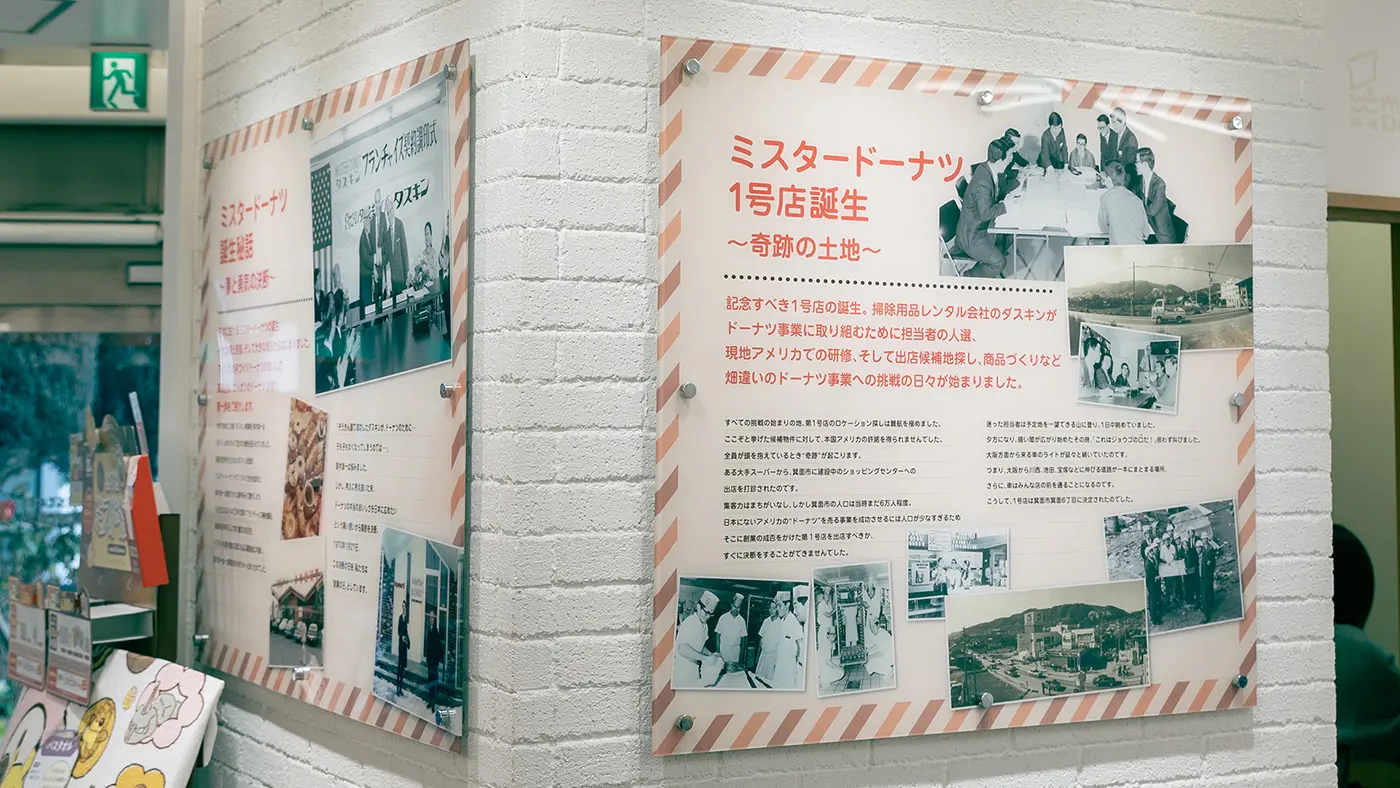
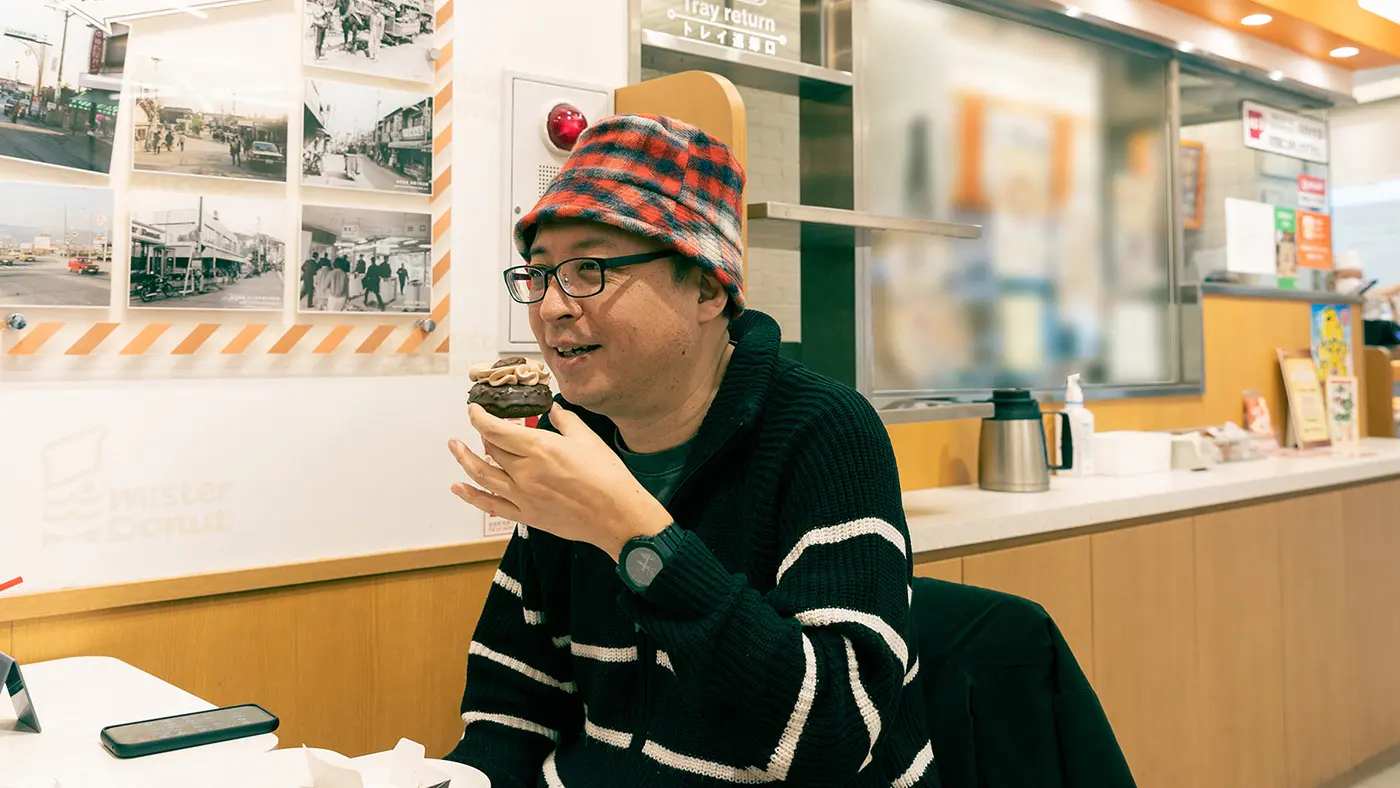
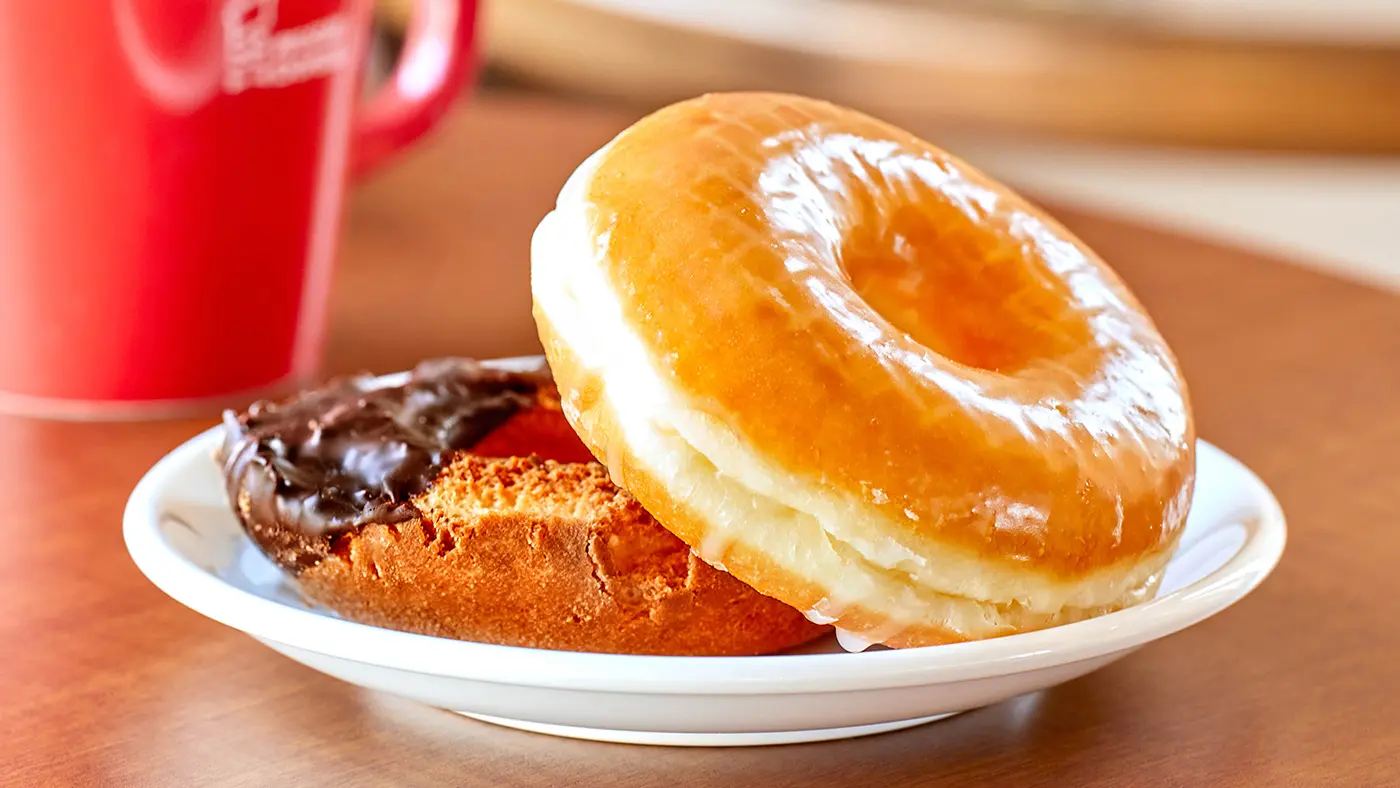
You can taste the latest donuts in the original store, which has been reconstructed to look just like when the store first opened. This is also a great experience. It's a truly treasured space where you can experience the history and culture of donuts in Japan.
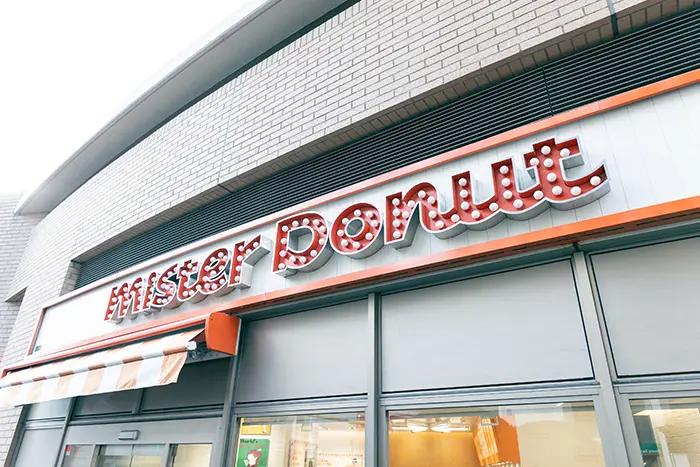
Conveyor belt sushi also originates from Osaka! Genroku Sushi
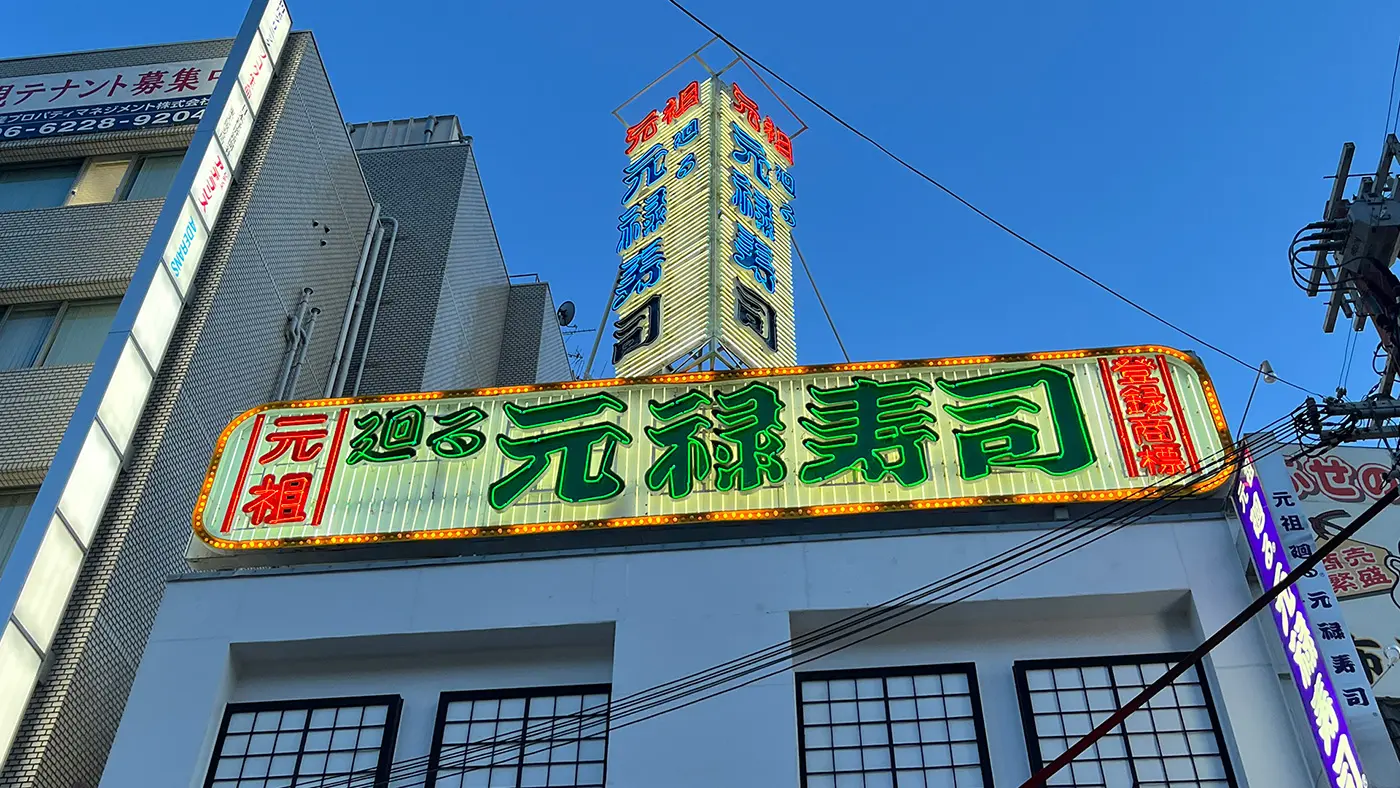
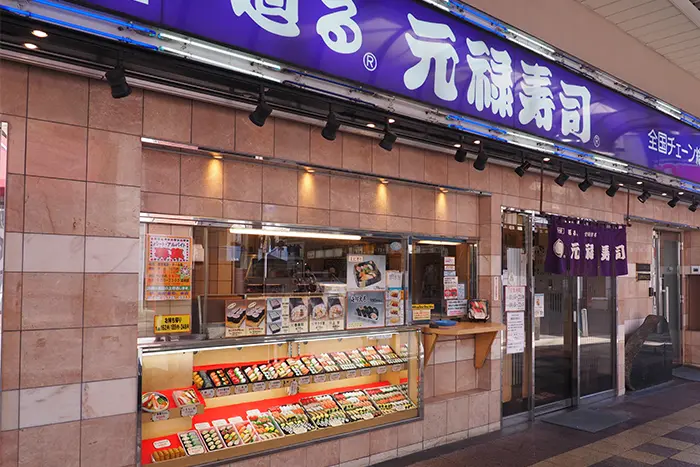
The beloved "conveyor belt sushi" began as "Genroku Sushi" in front of Kintetsu Fuse Station in Higashi-Osaka City. The original store is no longer there, but the main store is still located nearby.
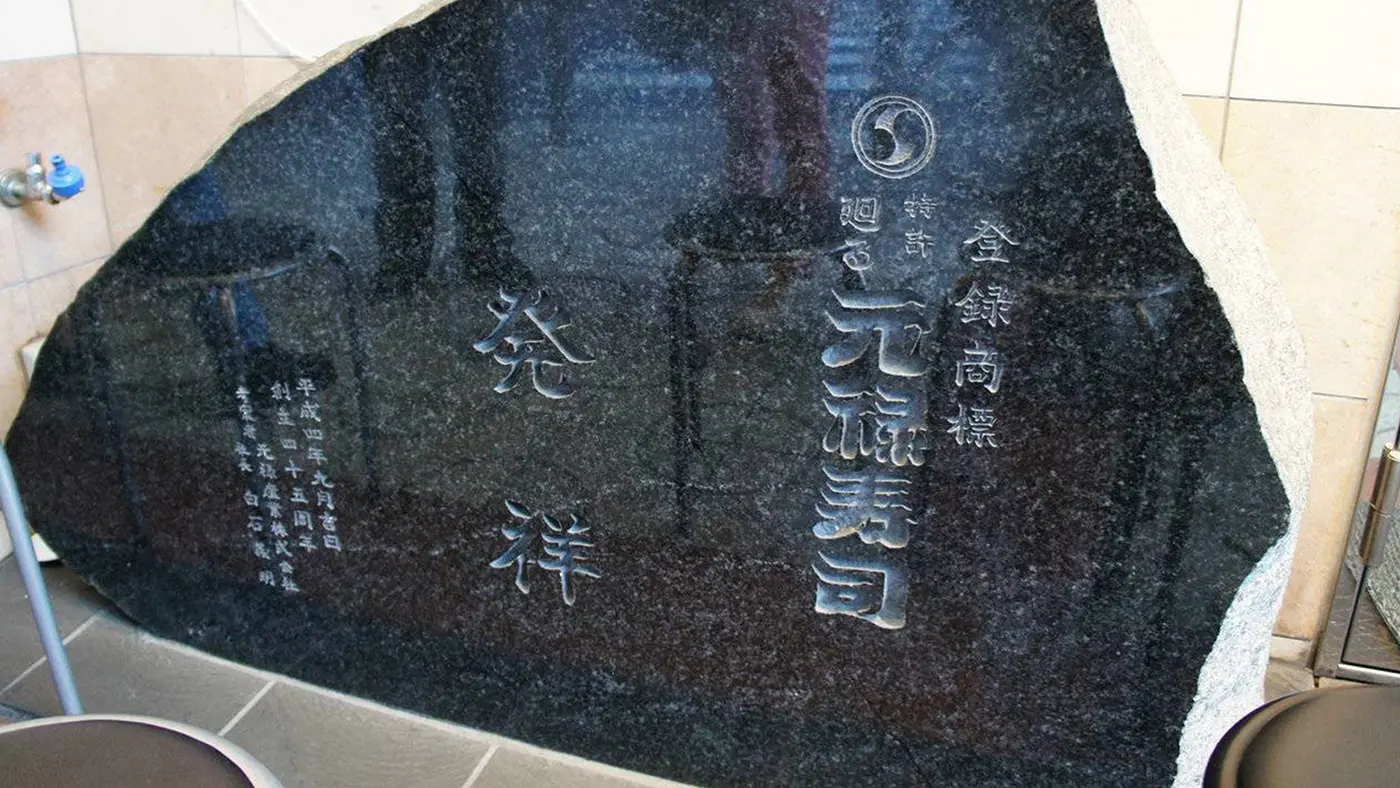
In 1958, founder Yoshiaki Shiraishi was inspired by the conveyor belts at beer factories and came up with Japan's first "conveyor belt sushi" and opened Genroku Sushi at the north exit of Fuse Station.
Once you enter the restaurant, you can eat quickly and at a reasonable price. Conveyor belt sushi transformed sushi, which had an image of being expensive, into a convenient, popular food, and quickly spread throughout the country.
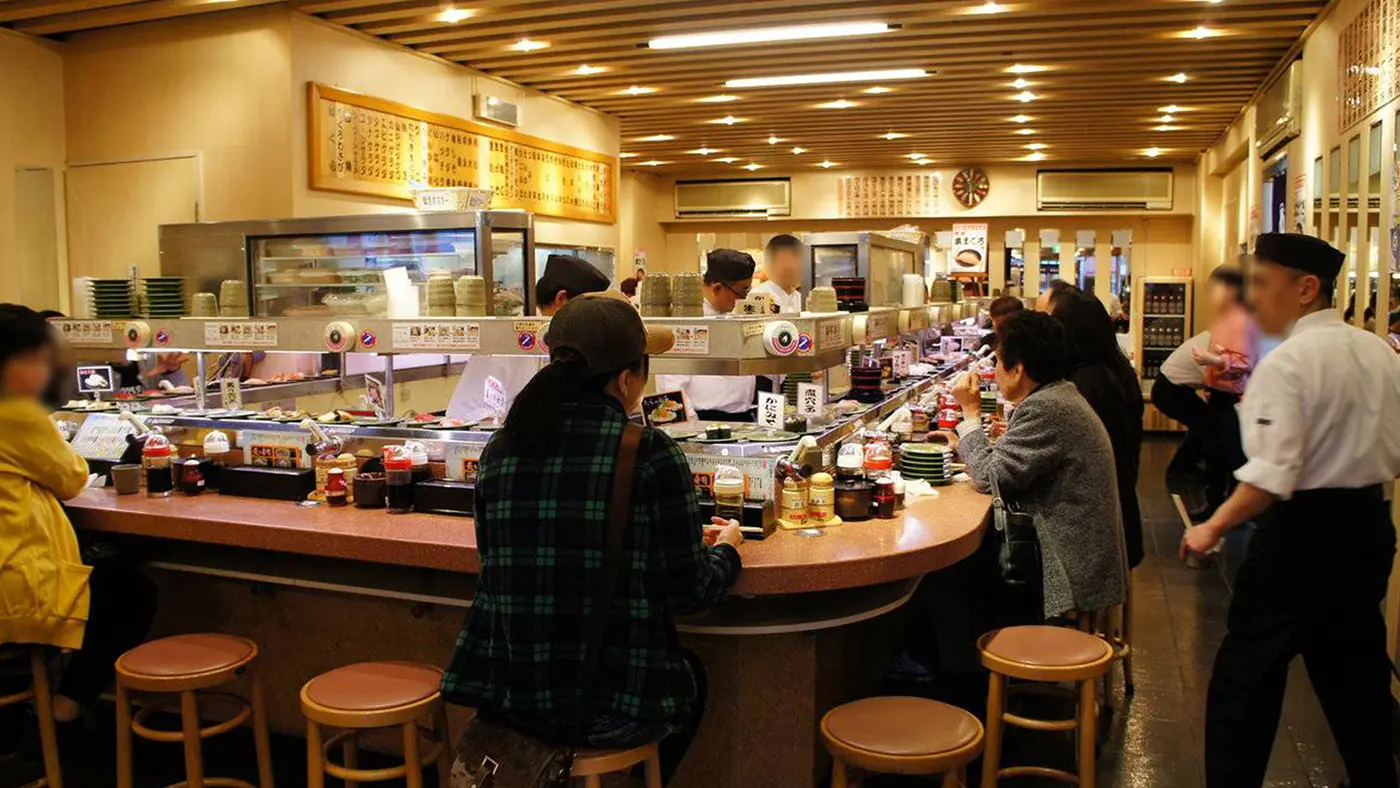
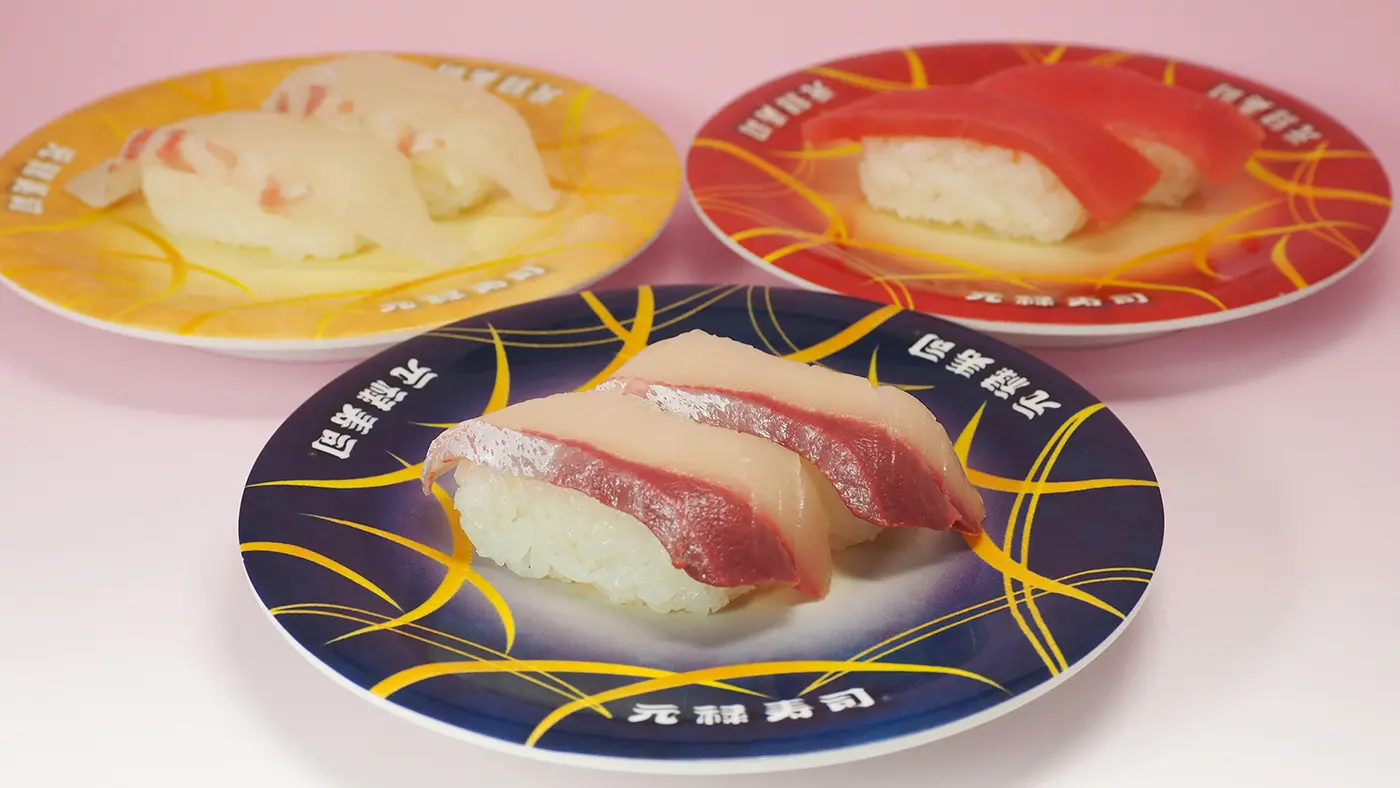
Conveyor belt sushi, which offers high value for money and is also great for entertainment, may be the fruit of the efforts and ideas born from the merchant spirit of Naniwa. Be sure to visit the origin of conveyor belt sushi, which has spread all over the world.
A fusion of Sanuki and Osaka udon cultures, Tsuruntontan, made with the heart of a noodle master
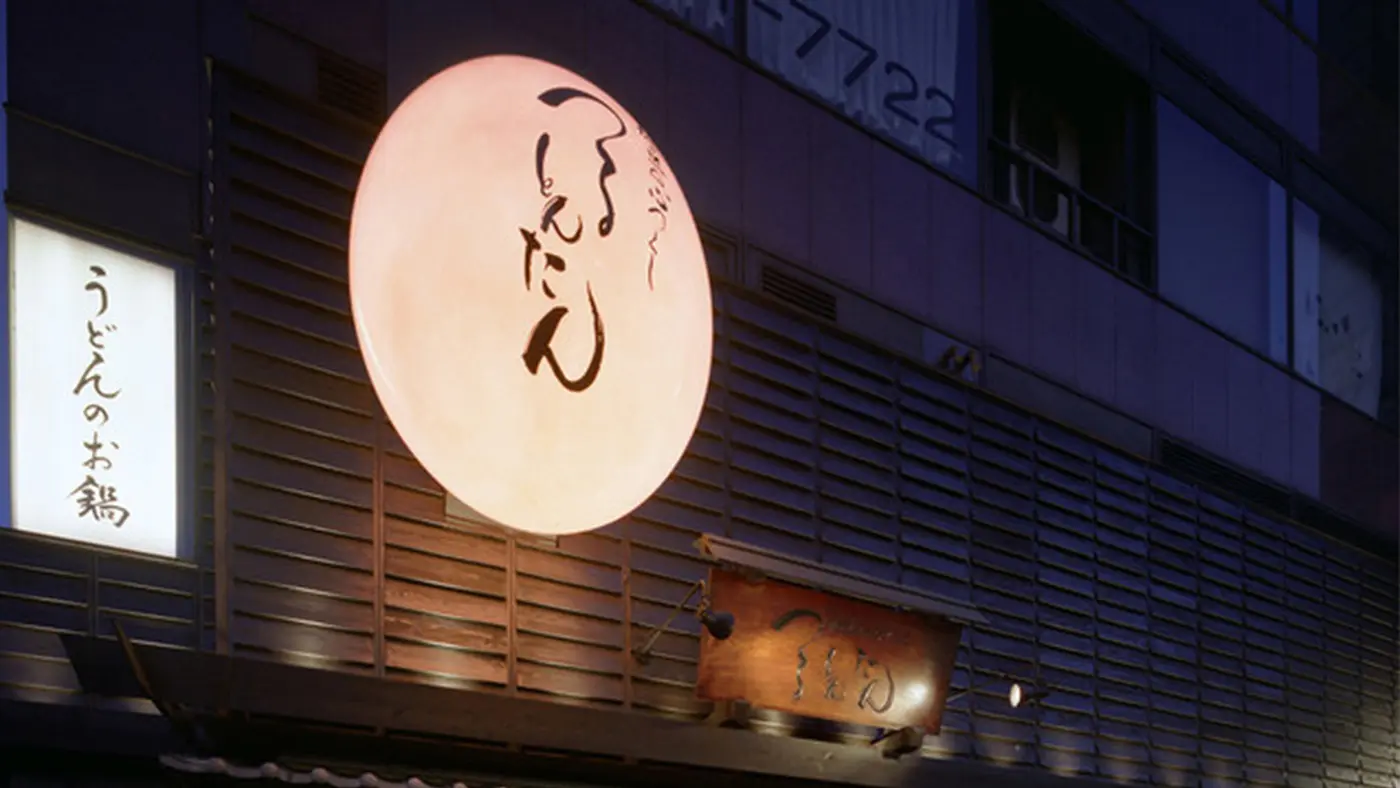
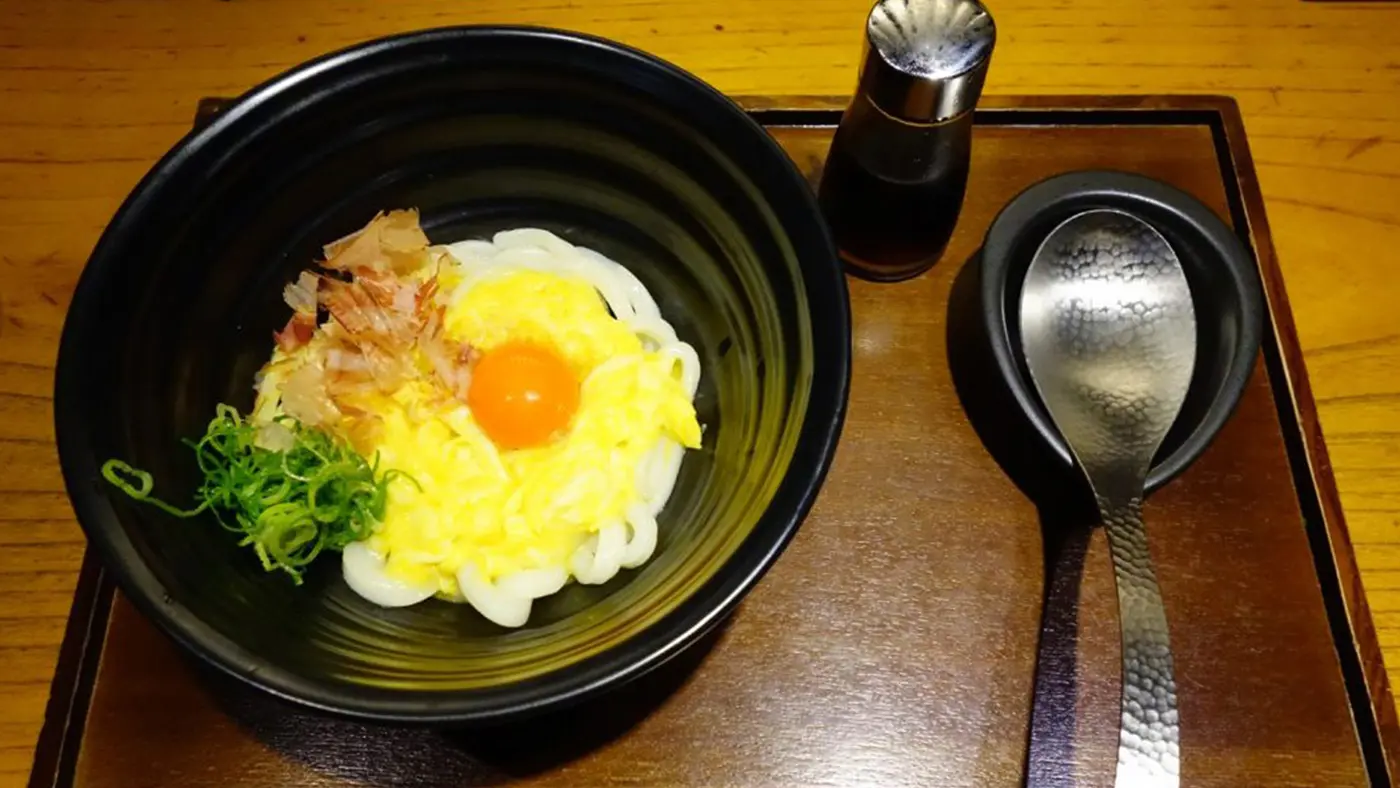
While Sanuki udon is enjoyed for its firmness, Osaka udon was originally enjoyed for its broth. Tsurutontan is said to be a fusion of these two.
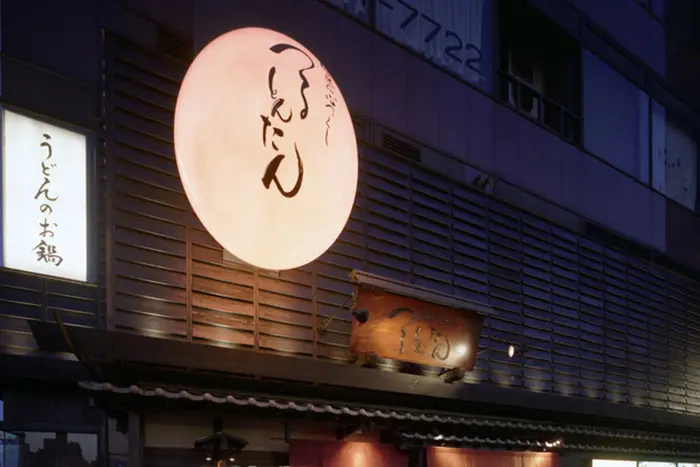
Tsurutontan opened in 1989 in Soemoncho, Minami, Osaka, a bustling shopping district packed with restaurants.
The store currently has 17 branches both in Japan and overseas, each with a different concept. The interiors, which have been carefully designed down to the smallest detail, range from traditional Japanese houses to futuristic designs.
The udon noodles, made with a broth made from Rishiri kelp in Hokkaido and dried bonito flakes from Makurazaki, Kagoshima, and "agetachi" noodles that are freshly made, cut, and boiled, have a traditional flavor that has been passed down since the restaurant was founded. The elegant name "oudon" instead of "udon" is unique to this restaurant.
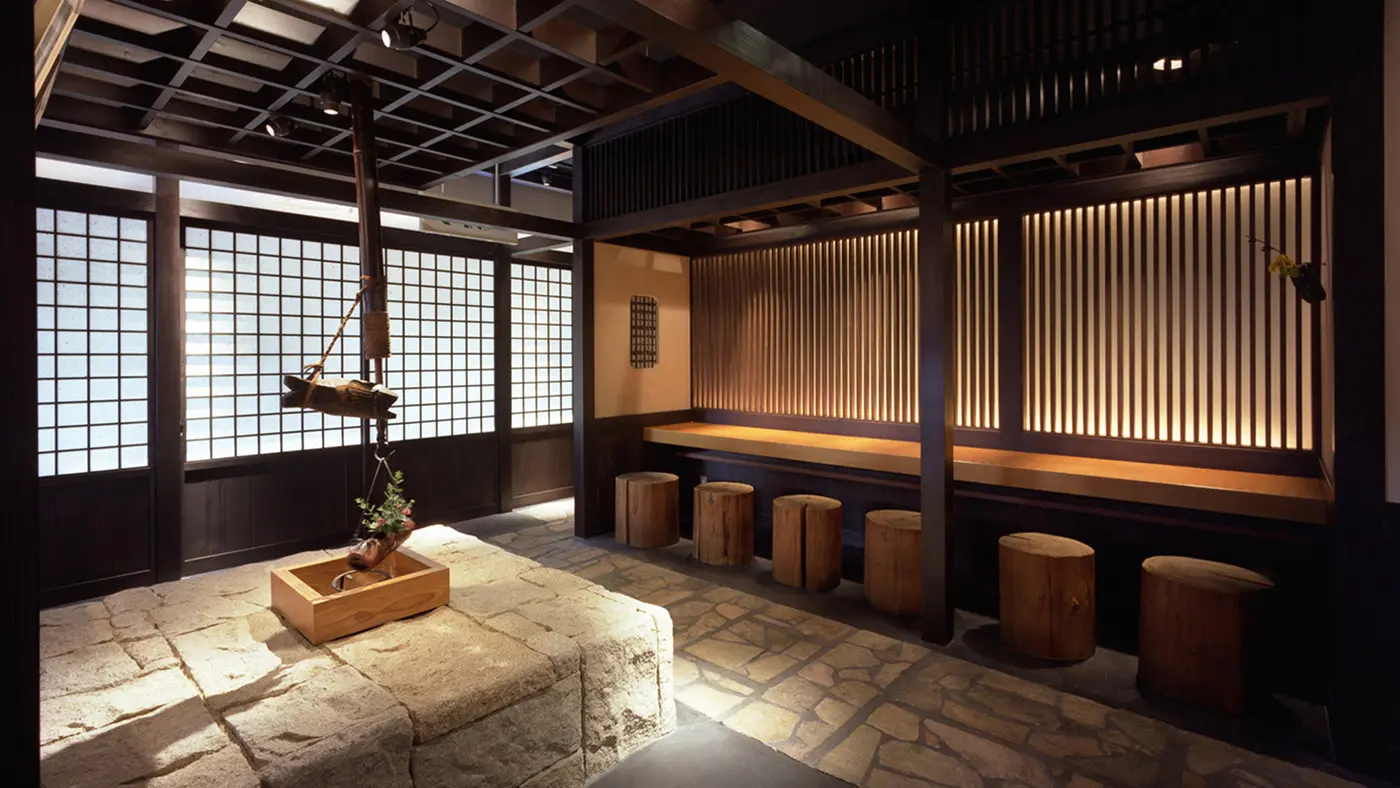
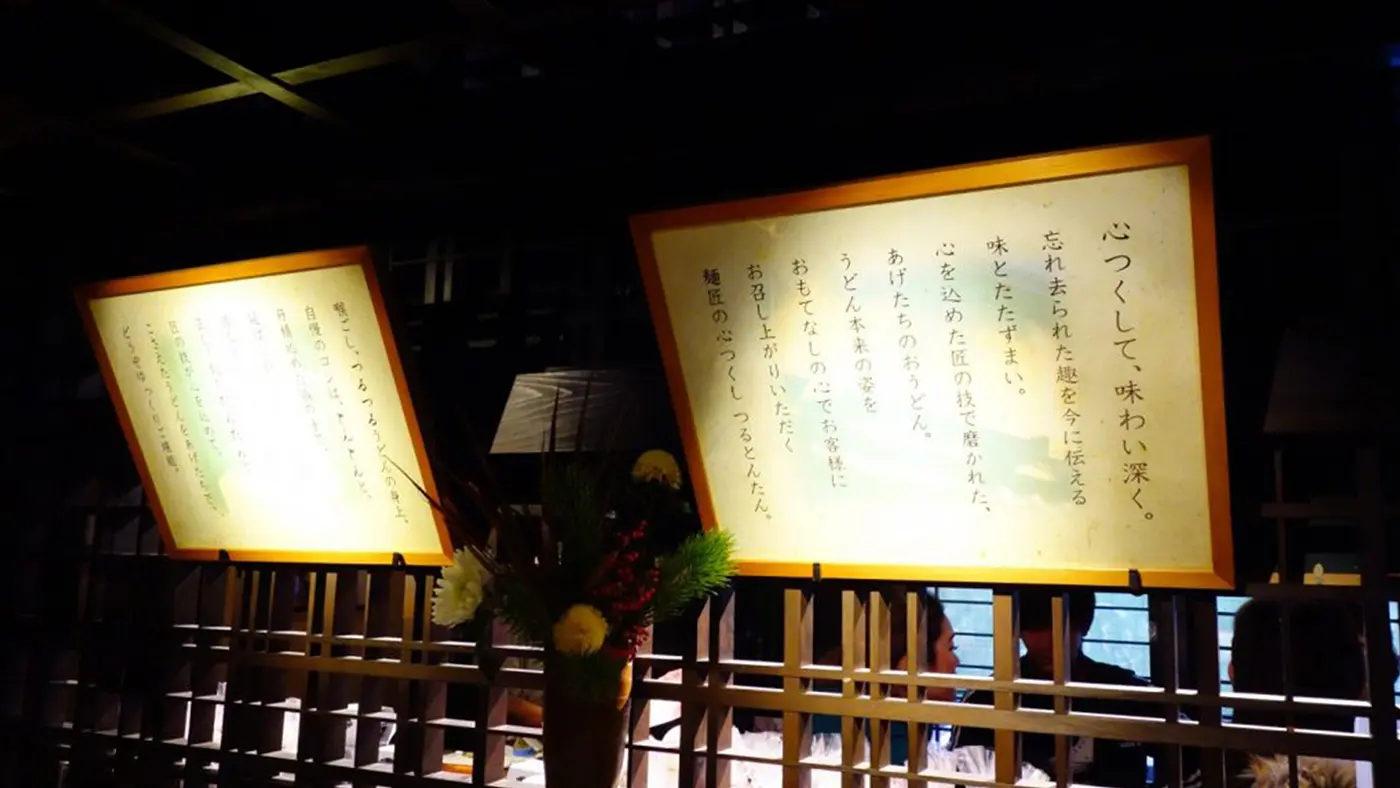
The restaurant is also attractive for its reliable all-night operation and creative and varied menu. The bowls that have filled hungry stomachs with gentle broth are sure to continue to be loved by the Dotonbori River for a long time to come.
Innovation in conveyor belt sushi! Kura Sushi
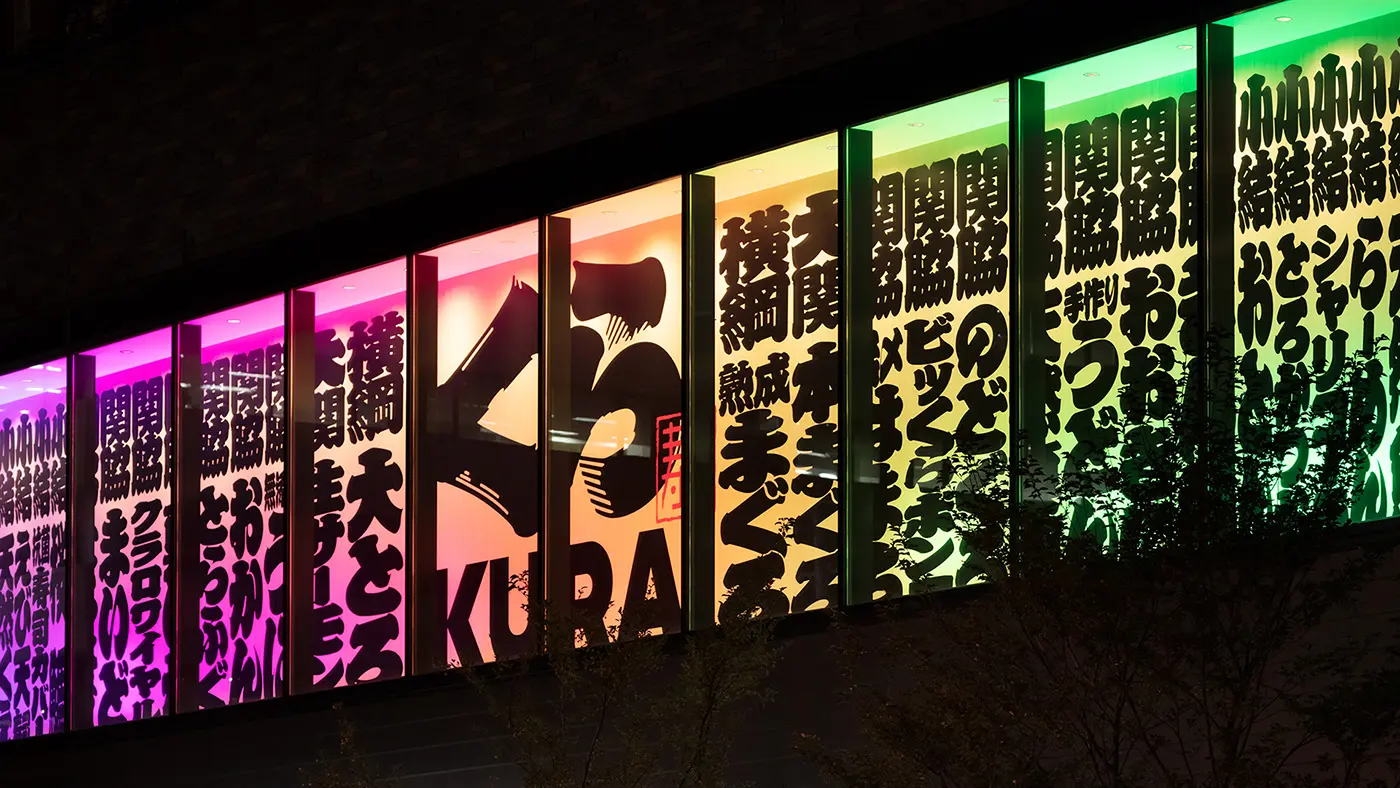
Kura Sushi, a conveyor belt sushi chain that has taken the world by storm with its overwhelming number of stores, also originated in Osaka.
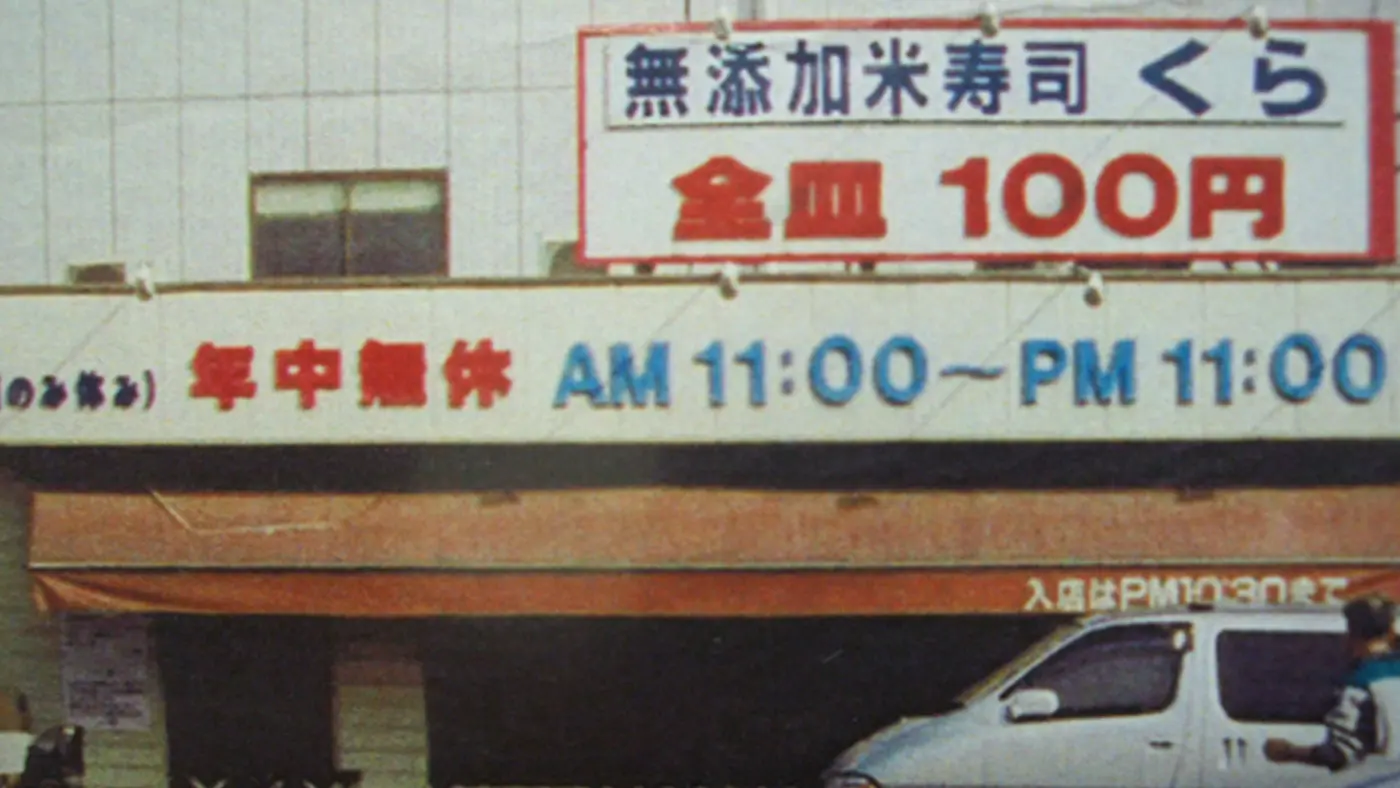
The company was founded in 1977 in Sakai City as a privately owned take-out sushi restaurant, and opened a new business concept, "Kaiten Sushi Kura," in 1984.
This is the Nakamozu store, which was the first store. There is nothing to indicate that it is the first store, but when you think about how it has now become a global chain store, it is sure to give you a nostalgic feeling.
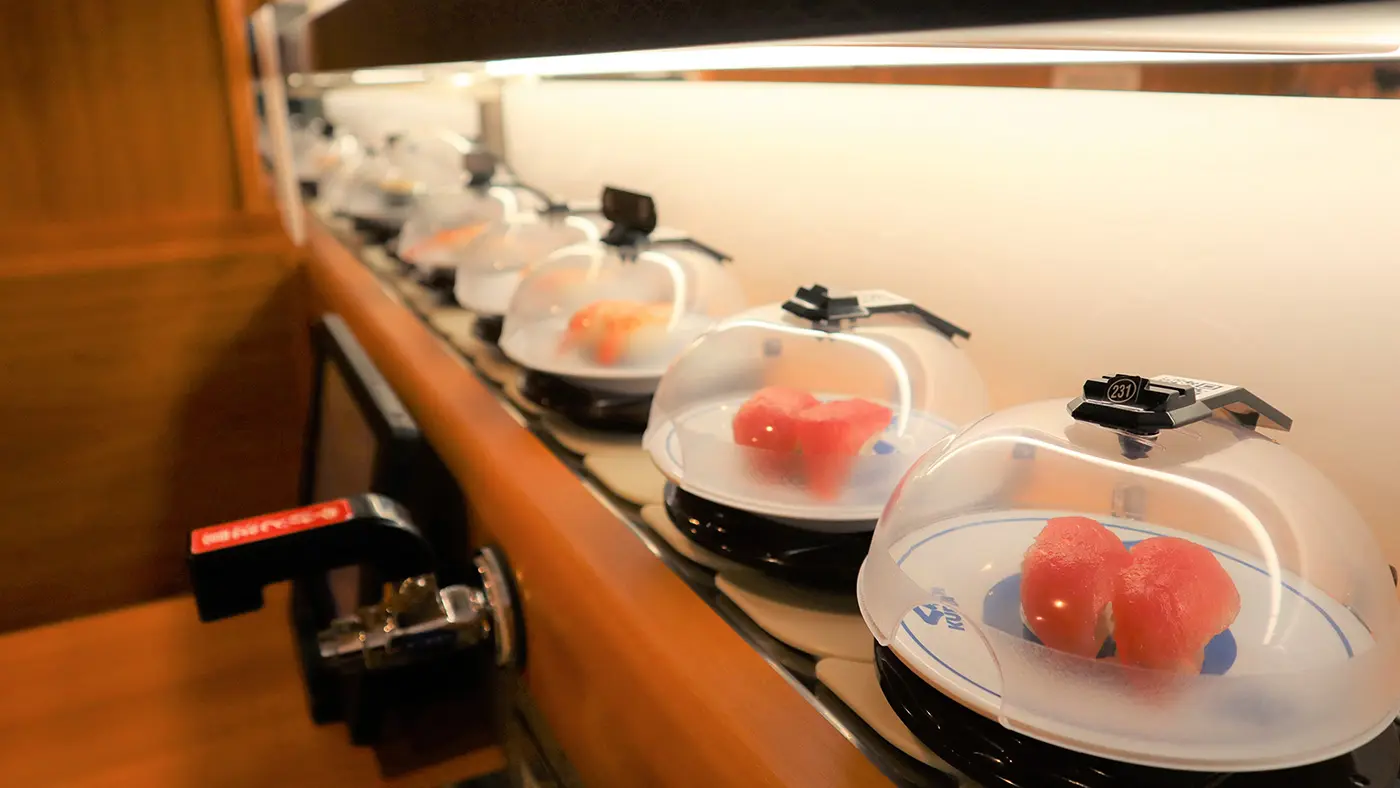
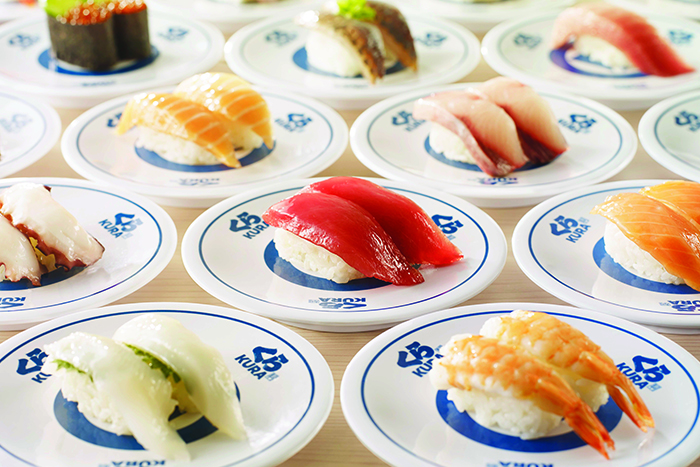
Kura Sushi was the first in the industry to introduce touch panels. Currently, they have a dual system where sushi is served on a conveyor belt, and ordered menu items are transported on a high-speed belt. They also use QR codes to manage the freshness of the sushi, and it is automatically discarded after a certain amount of time has passed. This is a groundbreaking system that has even been patented.
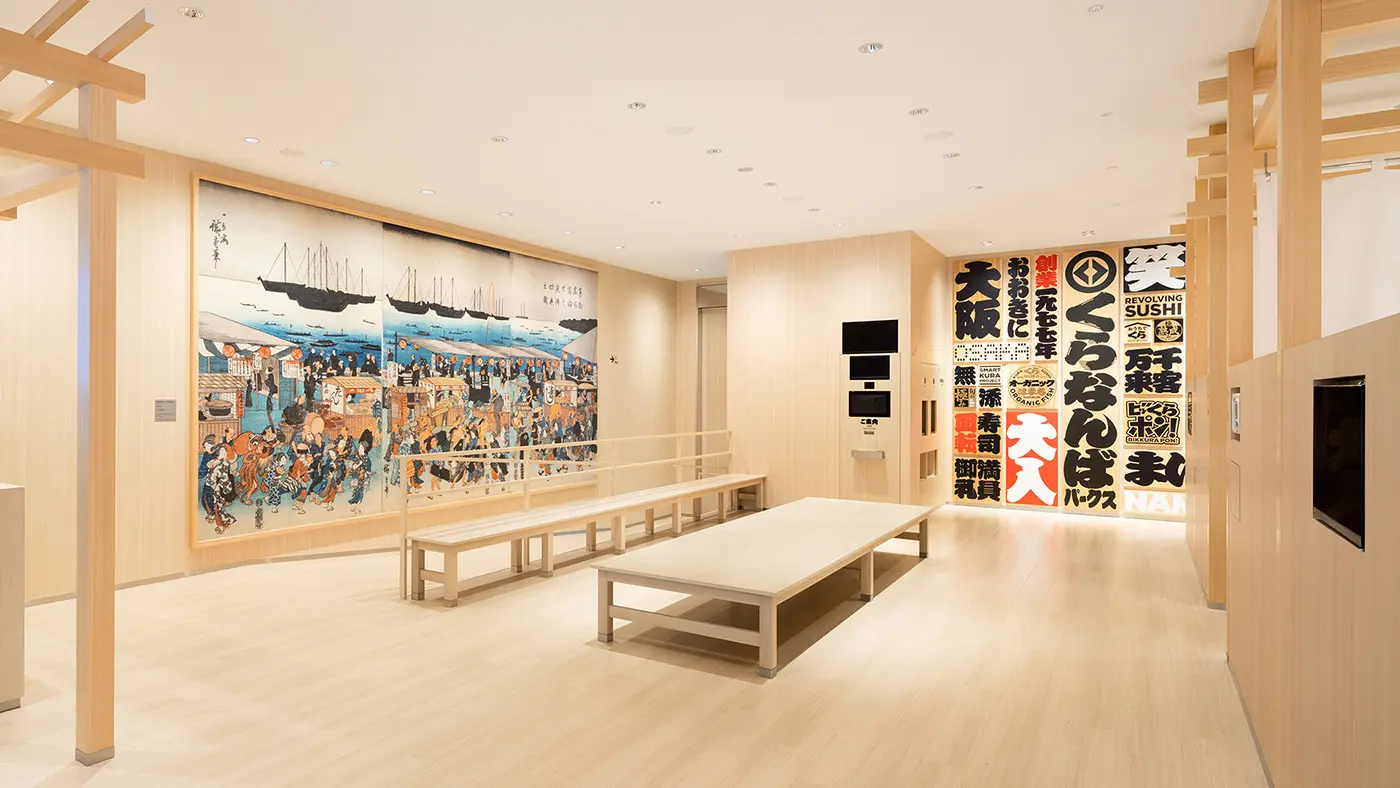
Currently, Kura Sushi operates a "global flagship store" that can be enjoyed by people from both Japan and overseas.
Starting with the opening of its global flagship store, Asakusa ROX, in 2020, the company currently operates a total of six stores across Japan, four in Tokyo and two in Osaka. The store design, which is striking and decorated with lanterns and ukiyo-e prints, creates a space that exudes the warmth of Japanese culture, with plain wood pillars and tables and tatami mats for seating, and welcomes tourists visiting Japan.
The evolution of Kura Sushi, which began with the Nakamozu store, continues.
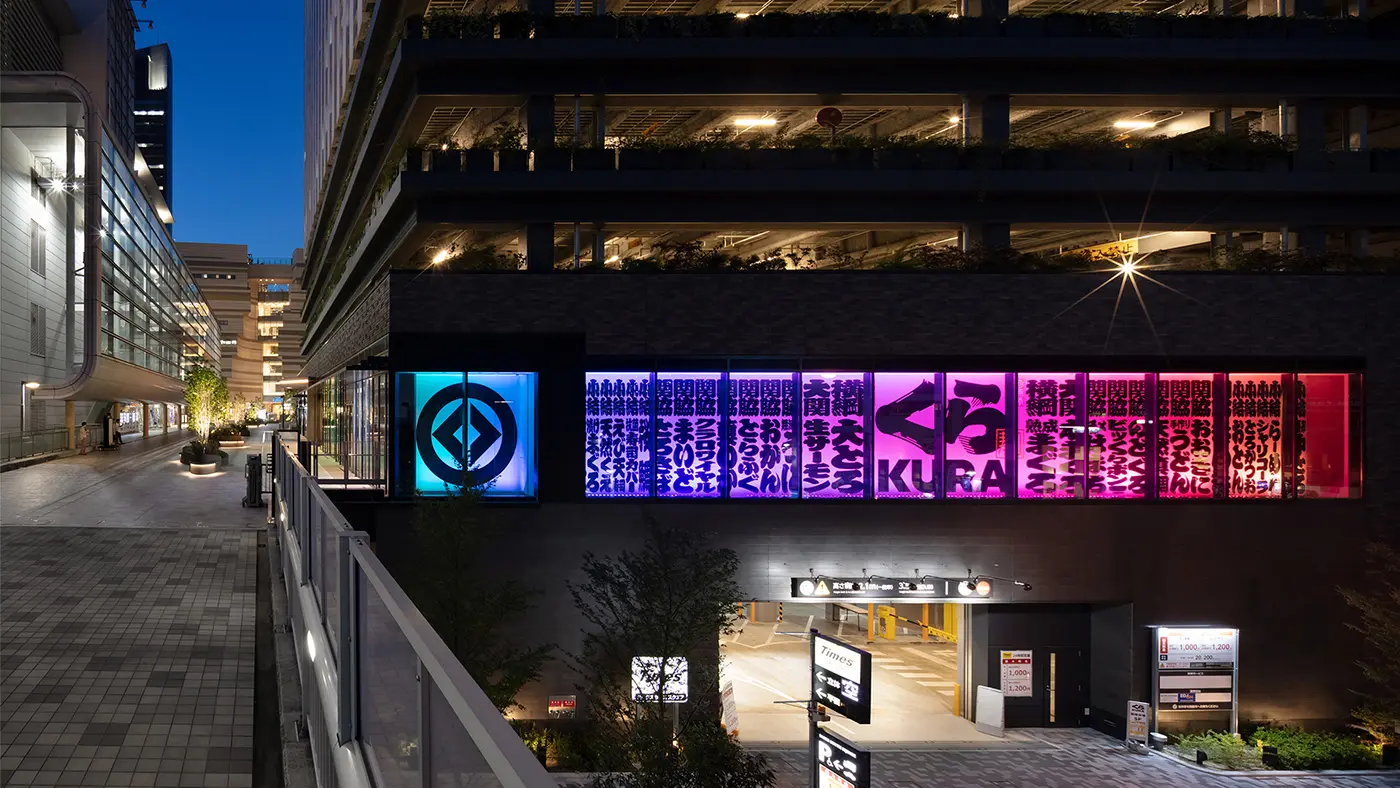
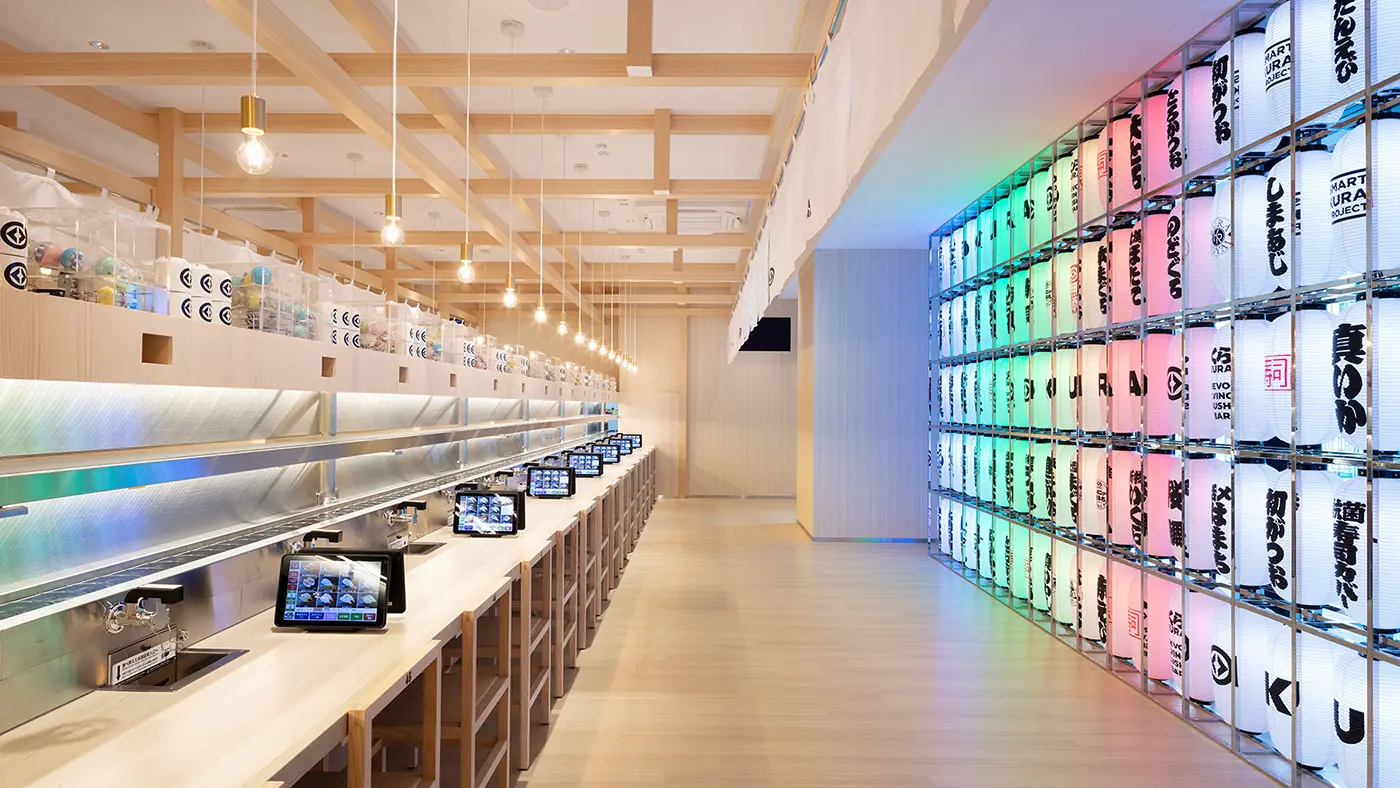
With prices starting from 115 yen per plate, you can enjoy fresh ingredients at an outstanding value. Enjoy the many innovations that have revolutionized the conveyor belt sushi world.
A reception room in Minami. Marufuku Coffee Shop
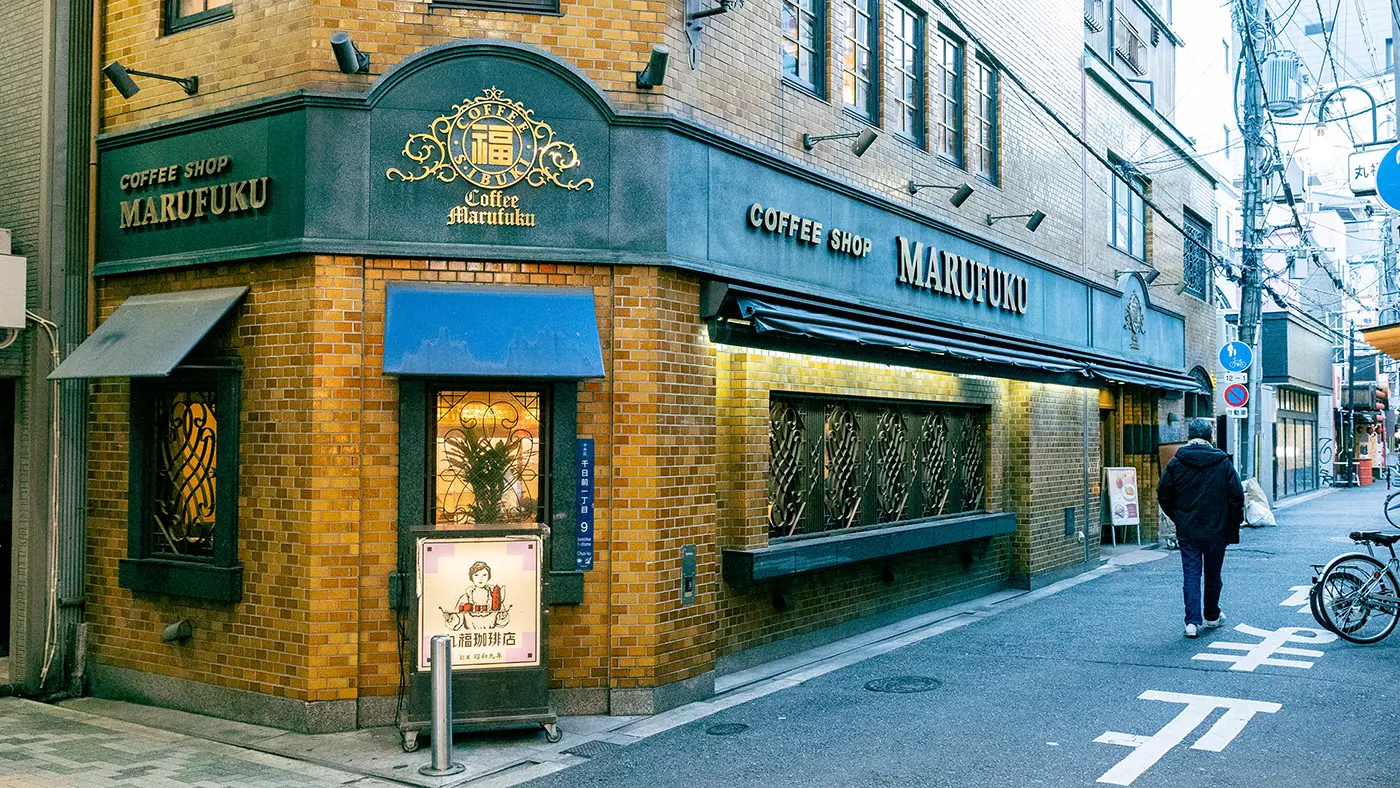
Marufuku Coffee, which operates 28 directly managed stores across the country, including in Kansai, Tokyo, Nagoya, and Fukuoka, has its main store located a five-minute walk from Namba Station in Osaka.
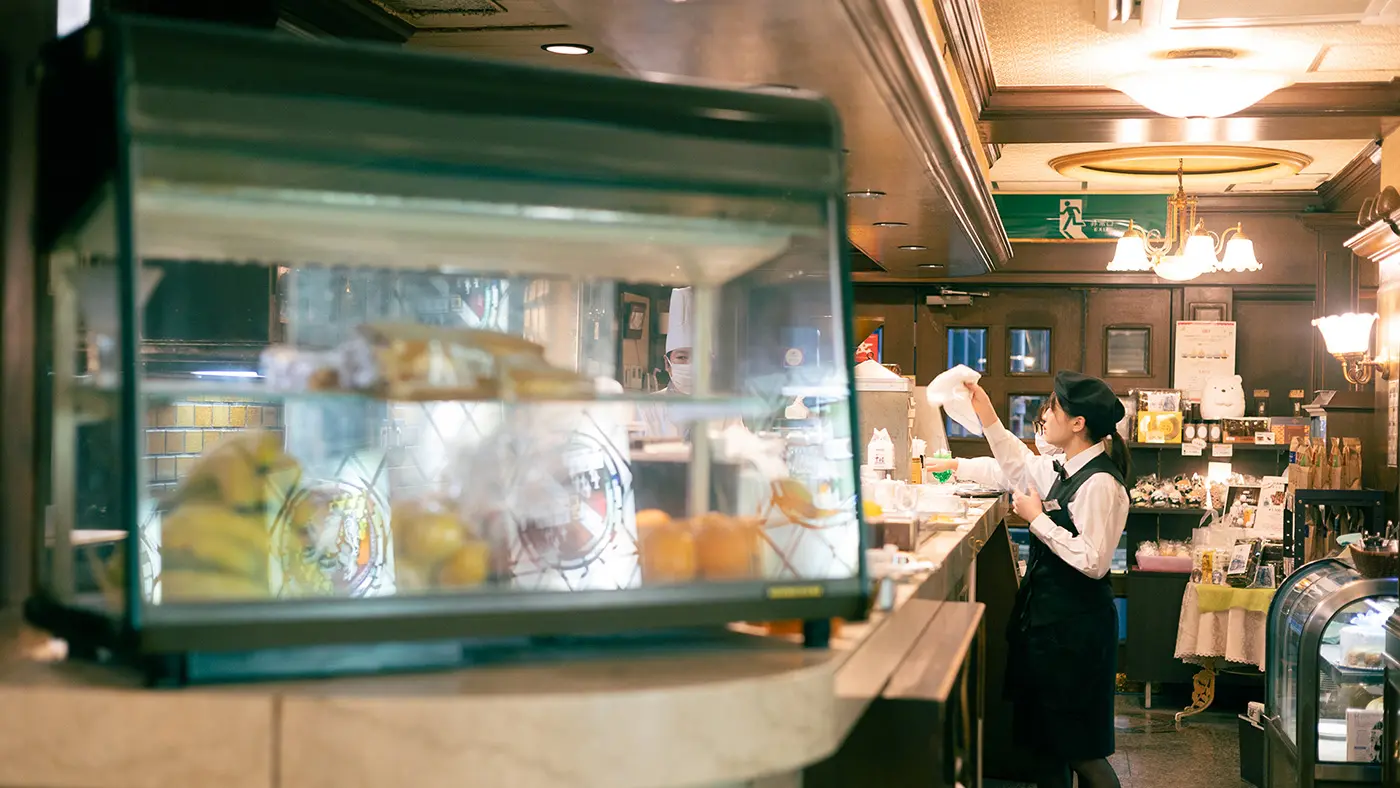
Marufuku Coffee Shop was originally founded by Sadao Ibuki, who ran a Western-style restaurant in Tokyo, and was so impressed by the coffee that was popular in Ginza that he decided to serve it in his own shop. At a time when coffee was still a minority food, he developed original equipment and techniques after much trial and error, and succeeded in brewing delicious coffee. The taste of the coffee gained a reputation, and an acquaintance asked him to "spread the deliciousness of coffee to Osaka, where coffee is not yet widespread," which prompted him to open a specialty coffee shop in Osaka. The shop first opened in Imaike, Osaka in 1934, but moved its main store to Sennichimae in 1946, and is still in operation today. The current building was rebuilt in 1990.
The interior of the restaurant is filled with antique furnishings, creating a stately atmosphere that has earned it the nickname "Minami's Drawing Room." It has long been a popular place for business meetings.
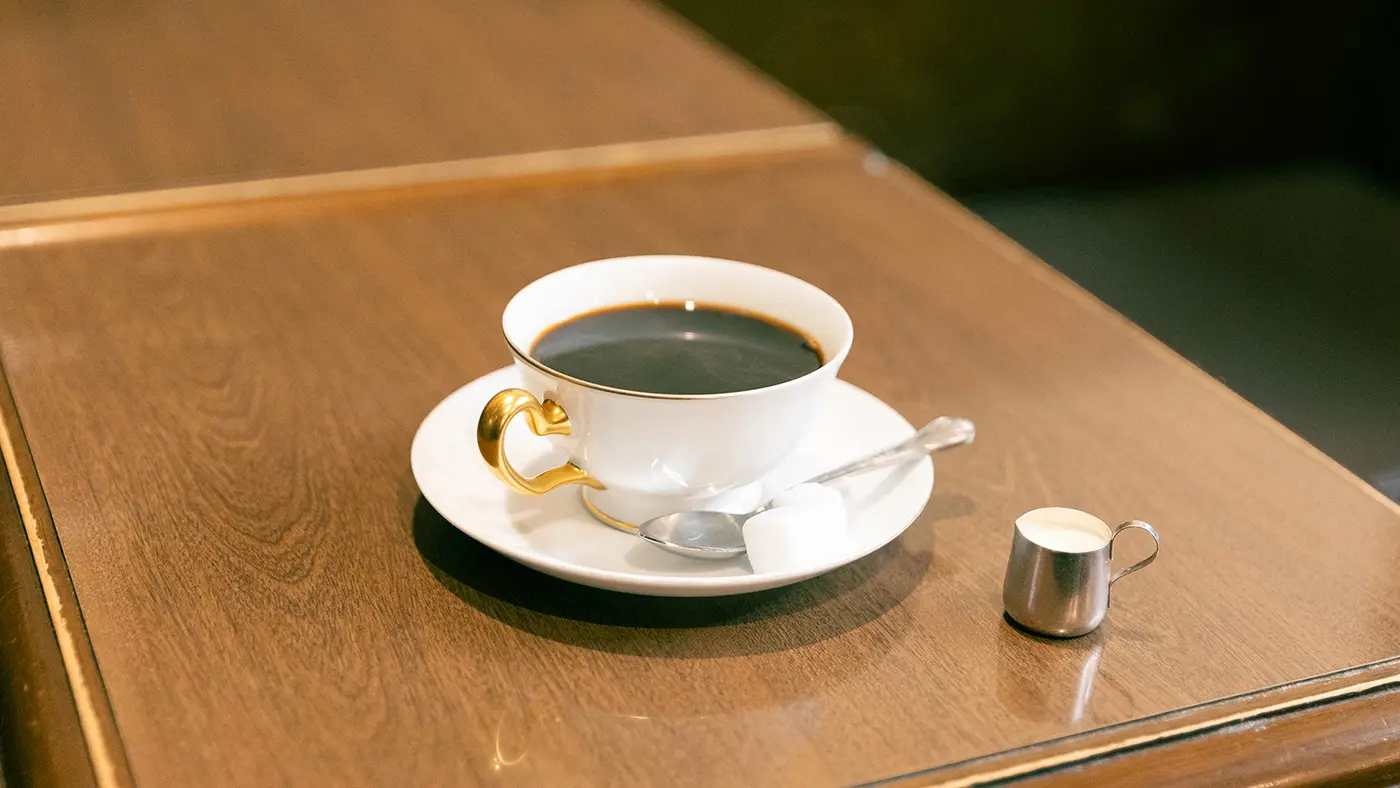
The coffee, which has been carefully researched, is surprisingly dark roasted and has a strong flavor.
"I love strong black coffee, so the coffee here is irresistible," says BUBBLE-B.
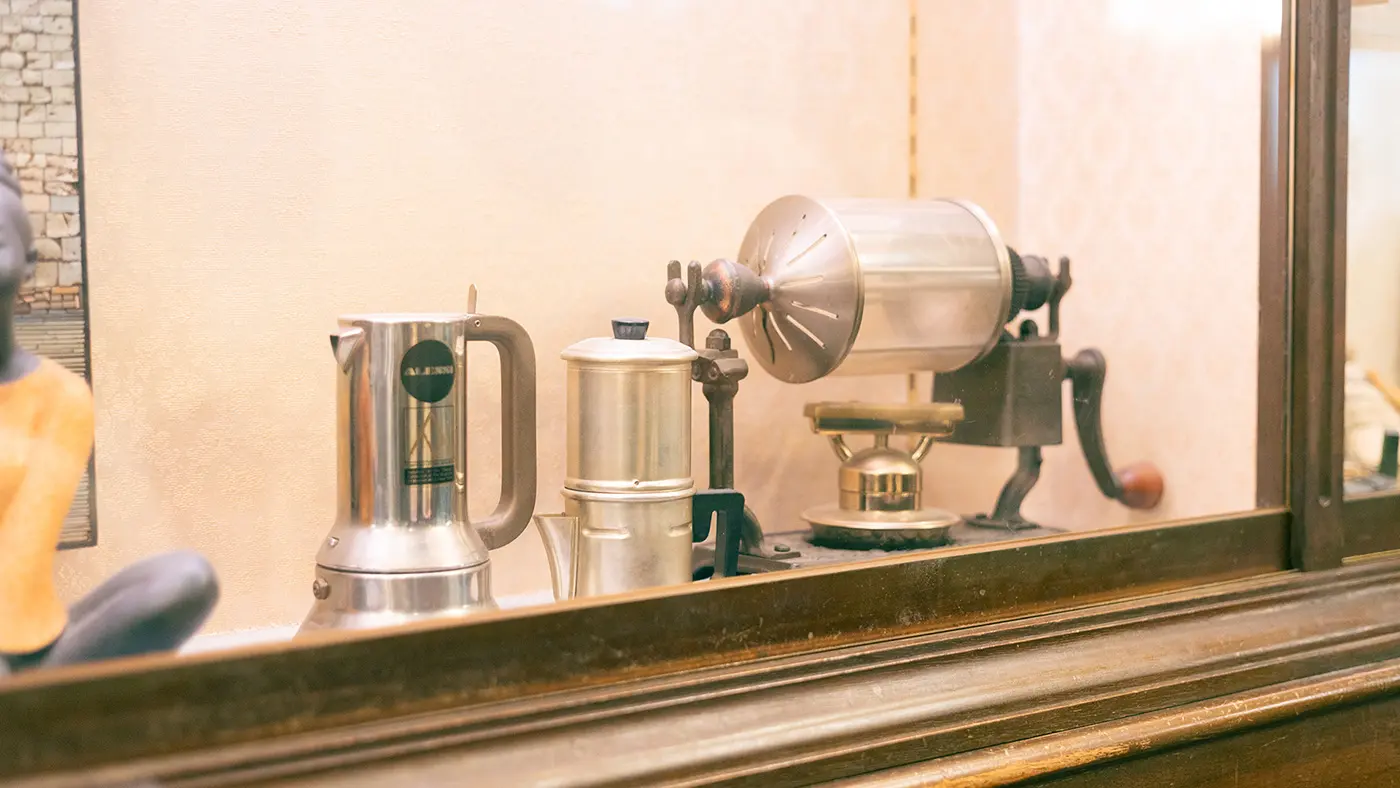
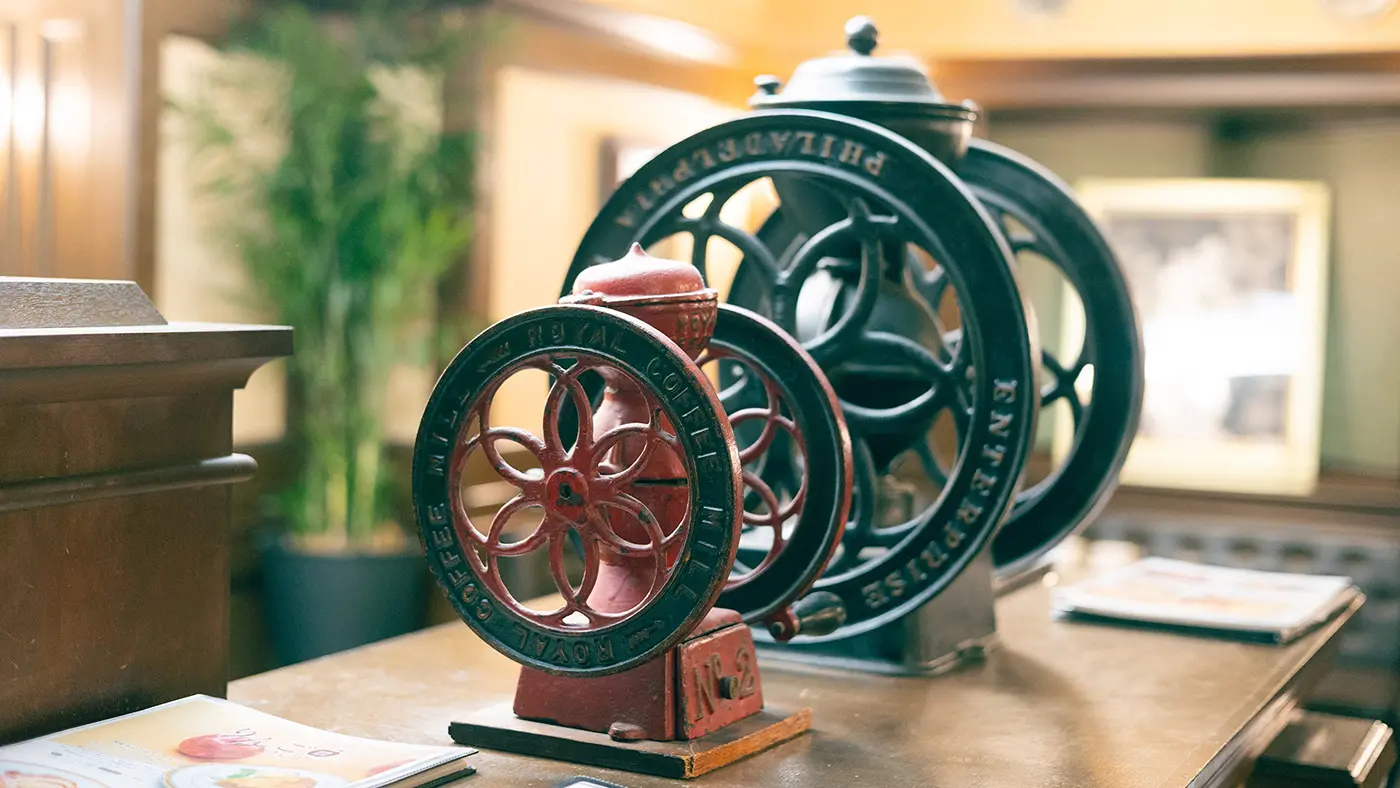
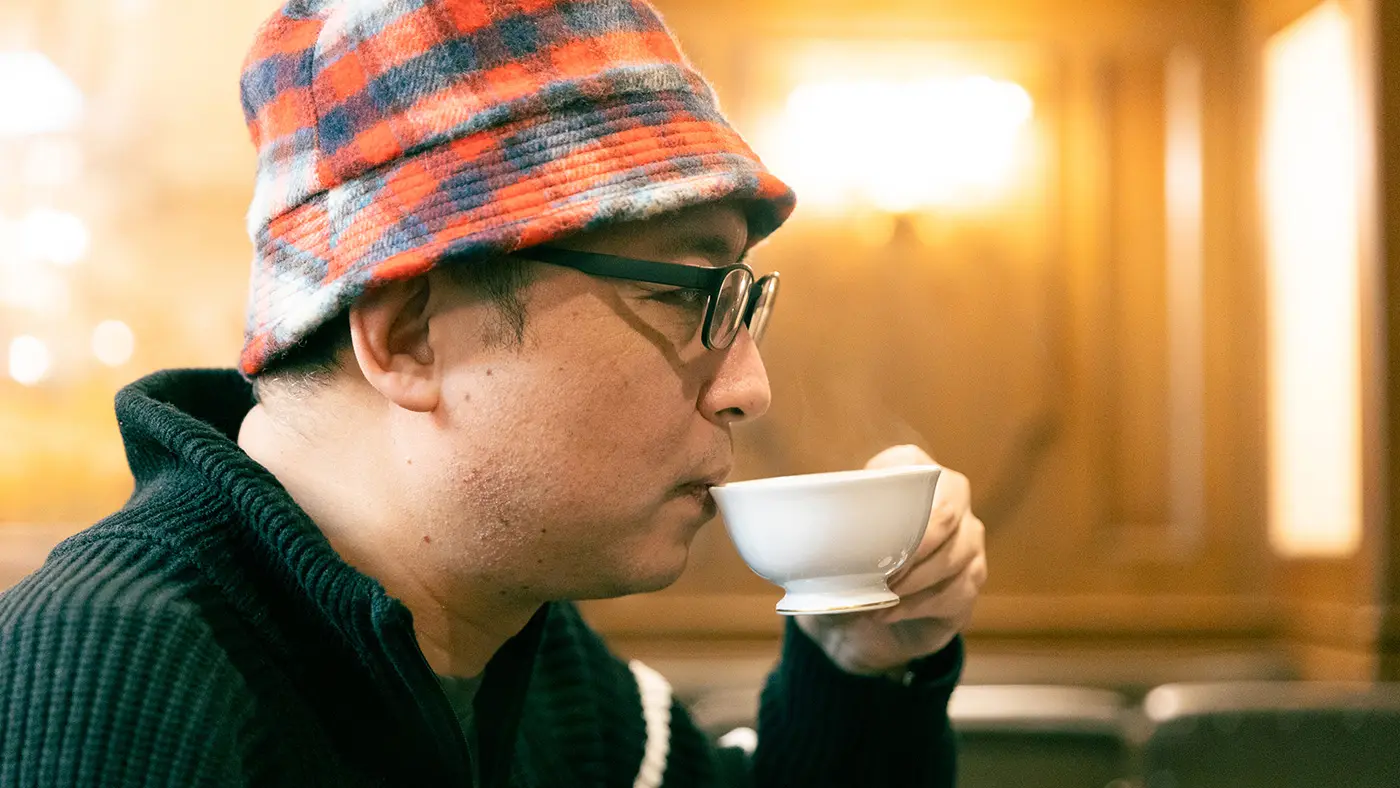
Marufuku Coffee Shop was founded before the war and has a long history. When you get tired from walking around the city, come and enjoy a refreshing dark roast coffee in a space worthy of being called Minami's reception room.
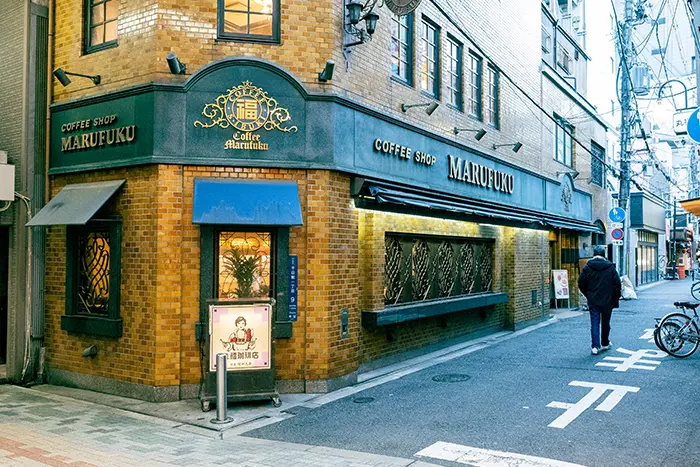
Thinking back to the company's founding and savoring its history
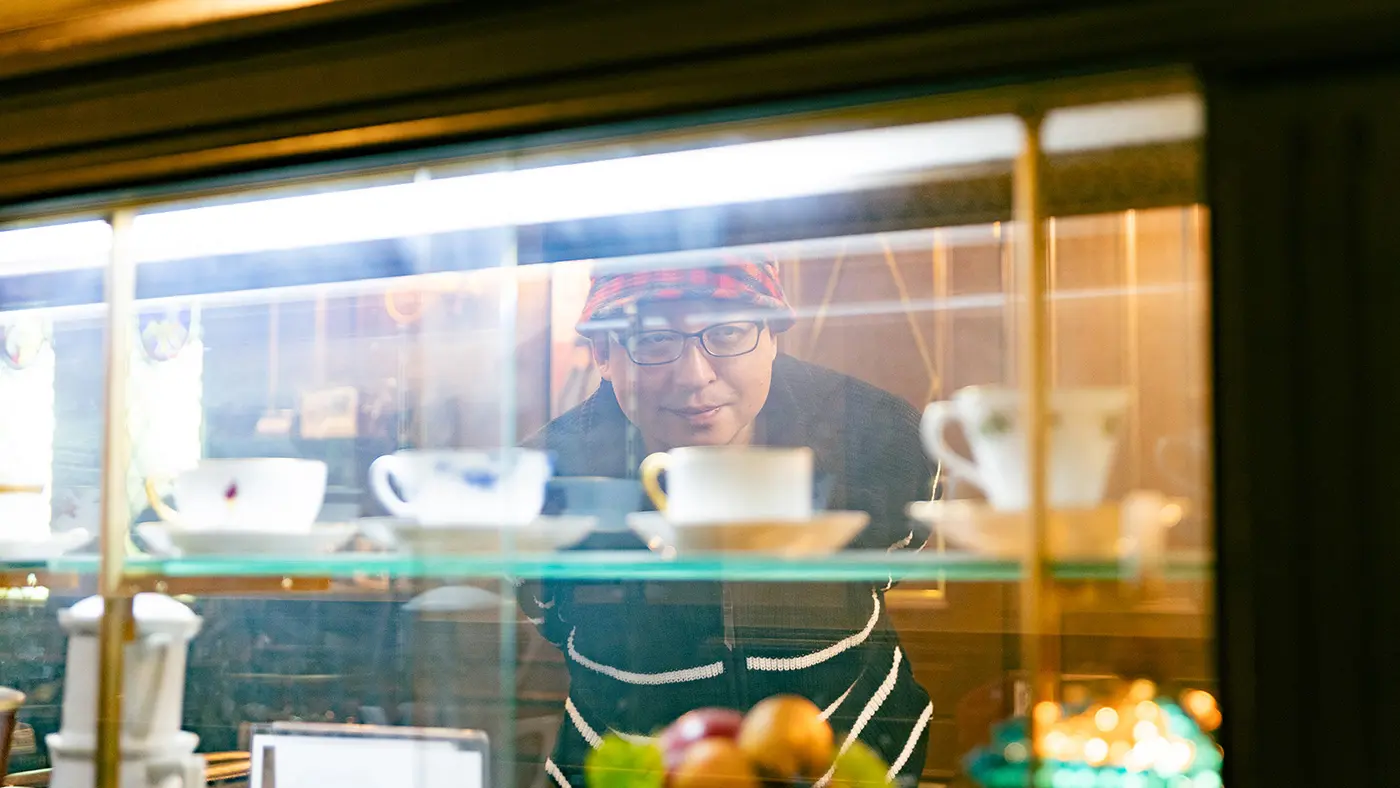
"This time, I showed you the first store in Osaka, but it wasn't just something that was typically Osaka. There was a French-inspired ramen shop, American donuts, food entertainment with conveyor belt sushi, a stylish Showa-era coffee shop... the wide-ranging lineup was impressive. To me, it felt like this embodied the richness and depth of Osaka’s Food Culture.
The appeal of going to the original store isn't simply that it tastes different because it's the original store or that the menu is different from others, but that you can trace the history of the store and the brand. When you eat while thinking back to when the store was founded, you feel like you're savoring history with every bite. I think that's the real joy of going to the original store."
BUBBLE-B said this after the interview. His journey to visit the flagship stores and first branches of restaurant chains both in Japan and overseas is sure to continue.
The first store of that lost store (bonus)
Many of the stores that are famous throughout the country actually originated in Osaka, but there are also cases where the stores no longer exist.
For example, the first store of NAKAU, which has 455 stores nationwide (as of the end of March 2024), was located in the Socio restaurant district in Ibaraki City, Osaka Prefecture.
Unfortunately, it closed in May 2005, but the signboard still remains as a reminder of its former existence.
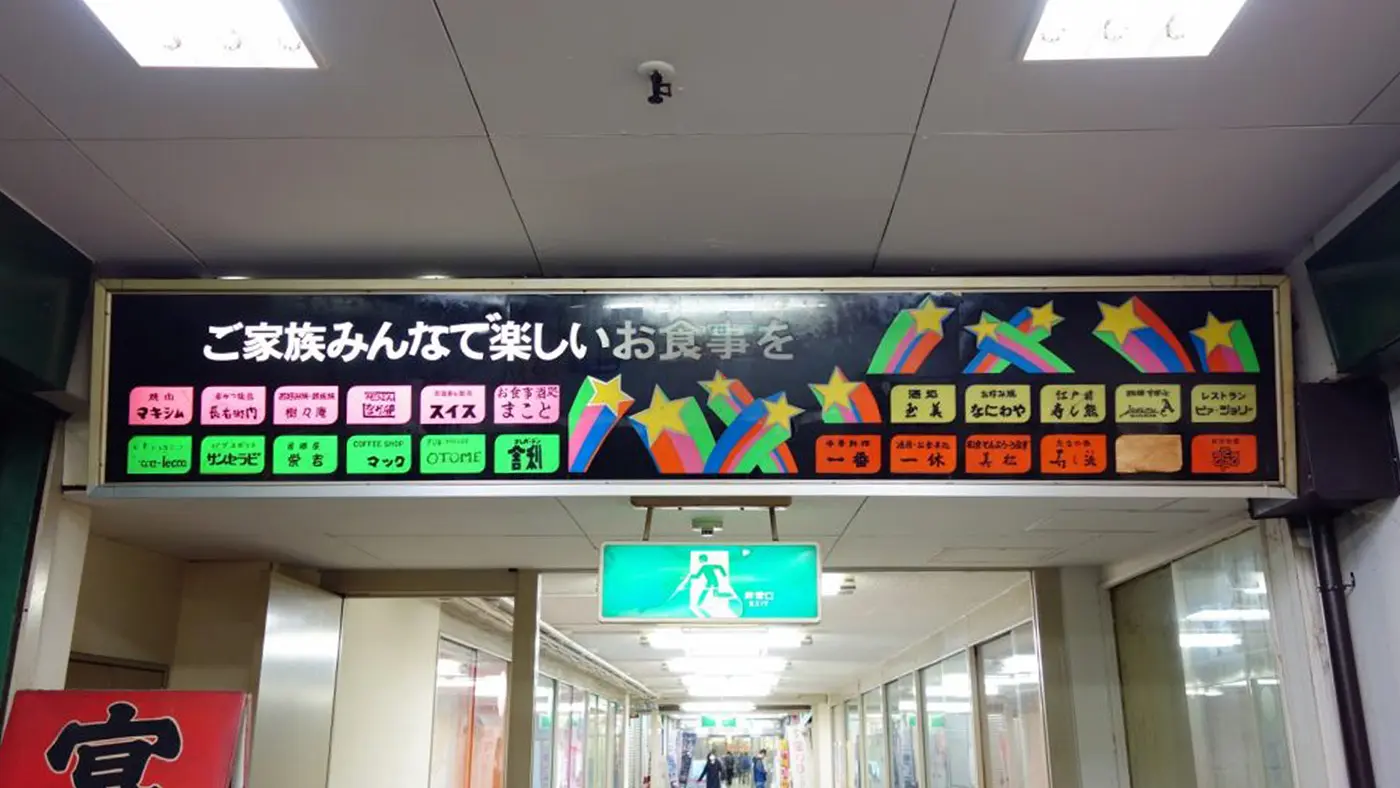
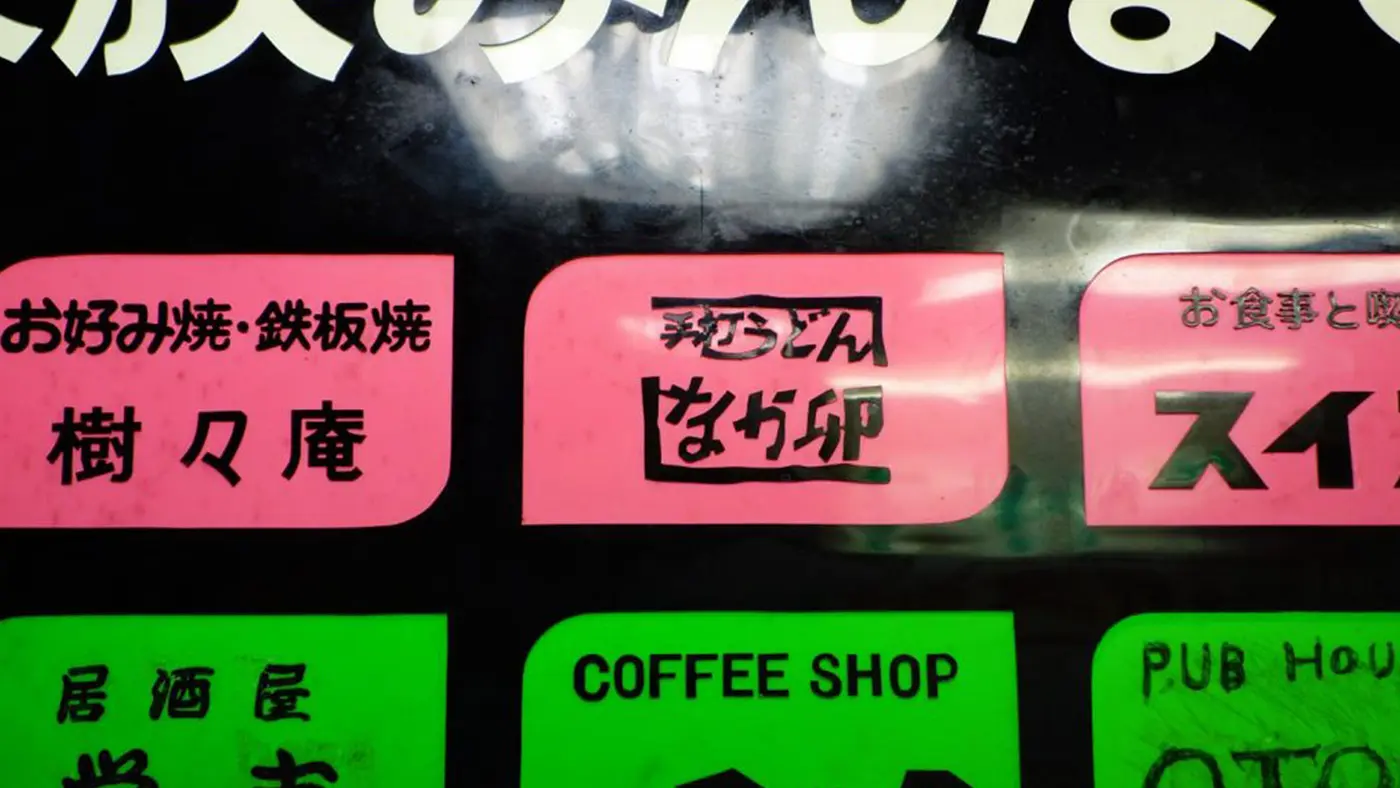
In addition, Janbo Yakitori TORIKIZOKU, a firm ally of office workers, was born on Shuntoku-michi in Higashi-Osaka, and the conveyor belt sushi restaurant Sushiro (originally called Sushi Taro) was born in Toyonaka. Knowing about the original and main branches of the various restaurants you casually visit on a daily basis may make them even more appealing. Be sure to check them out.
*This article was migrated from “Shittonka Osaka.” The information provided is current as of March 2025 and may differ from current conditions. Please check the official websites of each store or facility for the latest operating hours and details.
Photo:Yuji Takatsu
Edit:Yuji Takatsu
Direction:NINGEN Editorial Department(NINGEN Inc.)
